Best Money Tips: Cook Gourmet Dishes Like a Pro Chef
Master gourmet cooking at home with pro chef techniques to save money and impress without breaking the bank on fancy ingredients.
Creating restaurant-quality meals at home doesn’t require expensive ingredients or a culinary degree. By adopting professional chef techniques, you can elevate everyday cooking to gourmet levels while keeping costs low. This guide draws from time-tested methods to help you save money, reduce waste, and impress family and friends with dishes that rival fine dining.
Organize Your Kitchen for Efficiency
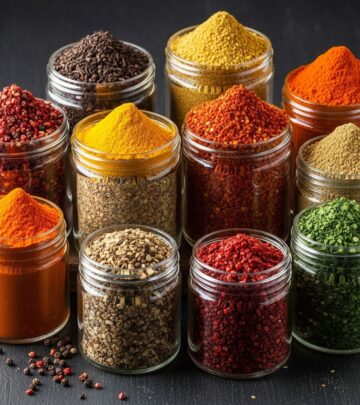
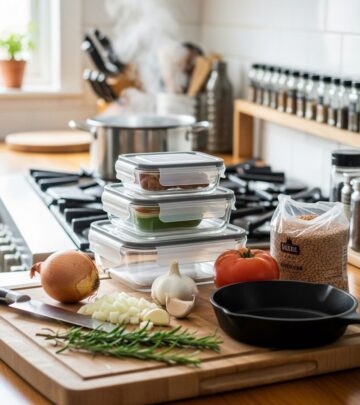
A pro chef’s kitchen is a well-oiled machine. Start by organizing your space for easy access to tools and ingredients. Group spices alphabetically in clear jars, keep knives within reach, and designate zones for prep, cooking, and plating. This setup saves time—up to 30% on meal prep according to kitchen efficiency studies—and prevents costly mistakes like grabbing the wrong spice.
- Invest in affordable drawer dividers to sort utensils.
- Use magnetic strips for knives to free counter space.
- Label shelves for dry goods to avoid duplicates.
Proper organization also minimizes food waste, a major budget drain. Track expiration dates with a simple inventory list to use items before they spoil.
Master Knife Skills for Precision Cuts
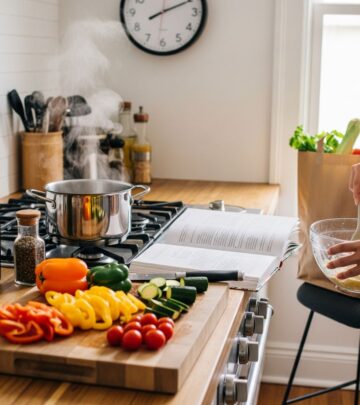
Chefs achieve gourmet presentation through precise cuts. Practice julienne (matchstick), brunoise (dice), and chiffonade (ribbon cuts) to make dishes visually stunning. Sharp knives are essential—hone them weekly with a steel or whetstone. Dull blades waste time and bruise ingredients, leading to uneven cooking.
| Cut Type | Size | Use Case | Budget Tip |
|---|---|---|---|
| Julienne | 1/8-inch thick strips | Salads, stir-fries | Practice on cheap carrots |
| Brunoise | 1/8-inch cubes | Sauces, garnishes | Start with onions |
| Chiffonade | Thin ribbons | Herbs, greens | Roll basil before slicing |
These skills turn basic veggies into high-end garnishes, saving money on pre-cut produce that’s often 2-3 times pricier.
Layer Flavors Like a Professional
Gourmet taste comes from umami buildup, not rare ingredients. Sauté onions, garlic, and carrots (mirepoix) as a base for soups, sauces, and stews. Add acids like vinegar or lemon at the end to brighten flavors. Use pantry staples: soy sauce for saltiness, Worcestershire for depth, and a pinch of sugar to balance bitterness.
- Brown meats deeply for Maillard reaction—rich, nutty flavors.
- Deglaze pans with wine or stock to capture fond (browned bits).
- Infuse oils with garlic or herbs for instant luxury.
Substitute truffle oil ($10/bottle) for fresh truffles ($95/oz) to get earthy notes cheaply. Build flavors sequentially: salt early, herbs mid-cook, acids last.
Perfect Sauces Without Fancy Equipment
Sauces define gourmet dishes. Master the five mother sauces: béchamel (milk-based), velouté (stock-based), espagnole (brown stock), hollandaise (emulsion), and tomato. Start with roux (flour-butter paste) for thickening. No whisk? Use a jar to shake emulsions.
- Melt butter over low heat.
- Whisk in equal flour; cook 2 minutes.
- Slowly add liquid, stirring constantly.
Practice pan sauces: after searing meat, add shallots, stock, mustard, and cream. Reduce by half for glossy finish. These cost pennies per serving versus $20+ restaurant markups.
Emulsify Dressings and Vinaigrettes
Pro salads use stable emulsions. Ratio: 3 parts oil to 1 part vinegar. Add Dijon mustard as emulsifier. Shake in a jar: oil, vinegar, mustard, honey, salt. For creamy dressings, blend yogurt with herbs instead of mayo to cut calories and cost.
Upgrade with infused vinegars: steep rosemary or garlic in cheap white vinegar for weeks. This mimics $15 artisanal bottles.
Utilize Leftovers Creatively
Chefs hate waste. Transform roast chicken into soup, tacos, or salad. Veggie scraps make stock: simmer onion ends, carrot peels, celery in water for 1 hour, strain. Freeze in ice cube trays for portioned use.
- Yesterday’s rice + egg + scallions = fried rice.
- Stale bread → croutons or breadcrumbs.
- Overripe fruit → sauces or smoothies.
Apps like those for leftover recipes help generate ideas, saving $50-100/month on groceries.
Balance Acid, Fat, Salt, and Heat
The cornerstone of pro flavor: taste and adjust. A squeeze of lemon cuts richness; olive oil rounds edges; sea salt enhances; chili wakes the palate. Sample throughout cooking. Use a tasting spoon set (under $10) like chefs do.
Presentation and Plating Techniques
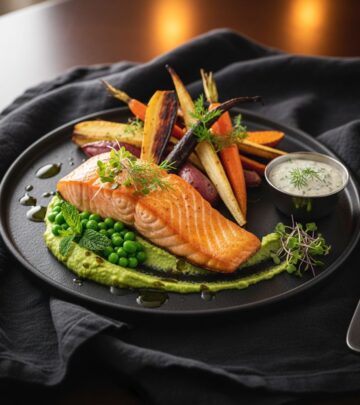
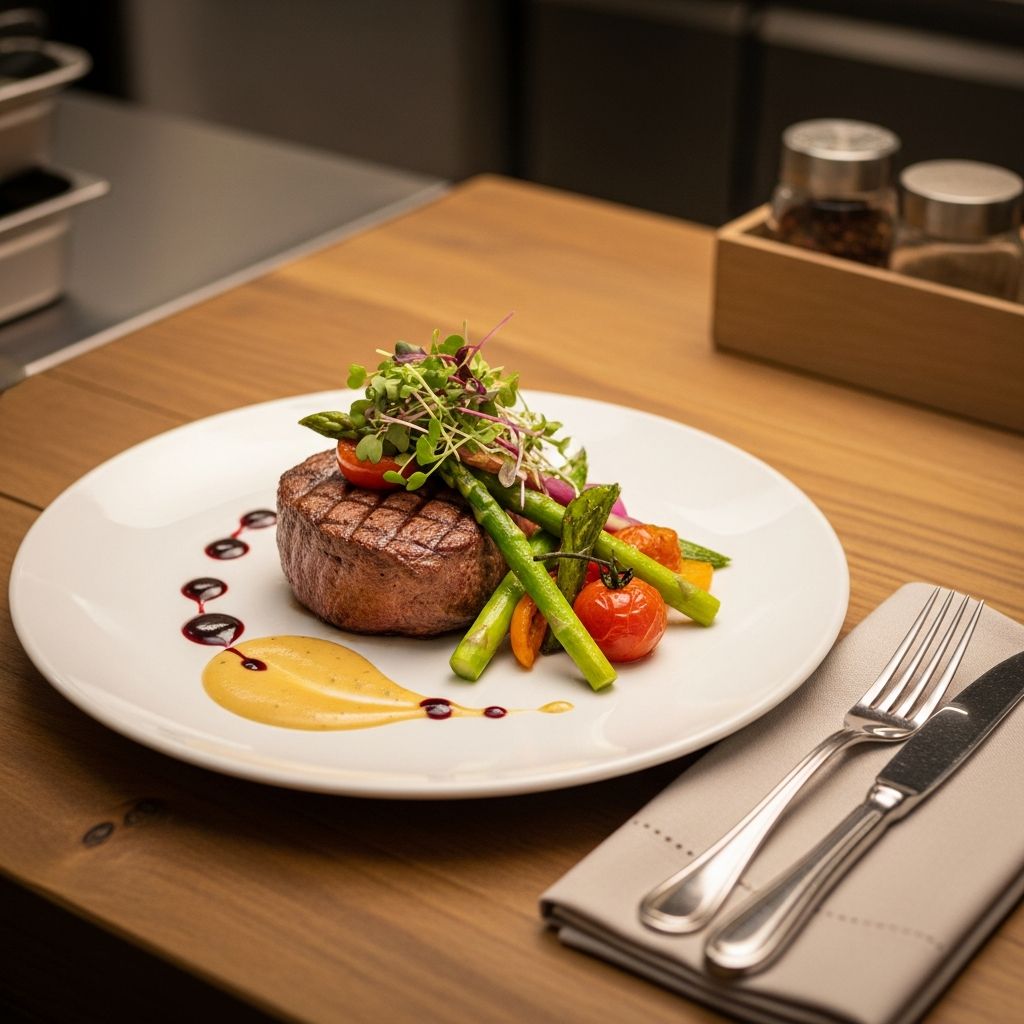
Gourmet appeal is 50% visual. Plate in odd numbers (3 shrimp, 5 dots of sauce). Swipe sauce with a spoon underside for streaks. Garnish with microgreens, herbs, or citrus zest—grow your own for free.
- Layer proteins low, veggies high for height.
- Drizzle, don’t drown.
- Warm plates in oven for 5 minutes pre-service.
Clean edges with a paper towel dipped in water for polish.
Invest in Quality Basics
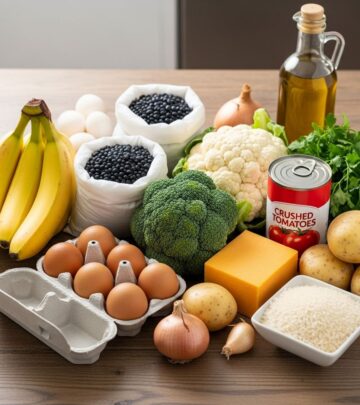
Spend on cast-iron skillet ($30 lifetime), good tongs, and digital thermometer. Avoid gadget overload. Buy staples bulk: olive oil, rice, spices from warehouse clubs.
| Essential Tool | Cost | Why It Pays Off |
|---|---|---|
| Cast-Iron Skillet | $25-40 | Versatile, retains heat |
| Digital Thermometer | $15 | Perfect doneness, no waste |
| Good Knives | $50 set | Safety, speed |
Seasonal and Local Sourcing
Buy in-season produce from farmers’ markets for peak flavor and 30-50% savings. Peak tomatoes in summer beat hothouse ones year-round. Freeze or can excess for off-season use.
Advanced Techniques: Sous-Vide at Home
No immersion circulator? Use ziplock bags and a pot of water with thermometer for sous-vide. Seal steak, cook at 130°F for 1-2 hours. Sear finish. Perfect every time, rivaling steakhouses at 1/10th cost.
Frequently Asked Questions (FAQs)
Q: Can I cook gourmet on a tight budget?
A: Yes! Focus on technique over ingredients. Staples like pasta, eggs, and veggies become luxurious with pro methods.
Q: What’s the best first skill to learn?
A: Knife skills—they improve everything from prep speed to presentation.
Q: How do I store herbs to last longer?
A: Wrap in damp paper towel, bag, refrigerate. Or chop and freeze in oil cubes.
Q: Are fancy gadgets worth it?
A: No—master basics first. A sharp knife beats 10 specialty tools.
Q: How to make cheap meat taste gourmet?
A: Marinate overnight, sear hot, rest 5 minutes. Brine chicken for juiciness.
Meal Prep for the Week
Batch-cook bases: roasted veggies, grains, proteins. Mix-and-match for variety. Sunday prep saves weekday time and impulse eats.
Incorporate global twists: harissa on chicken, miso in soup. Experiment safely to build repertoire.
Track savings: home gourmet meals cost $5-10/serving vs. $30+ out. Over a year, that’s thousands saved.
References
- USDA FoodKeeper App Guide — United States Department of Agriculture. 2023-05-15. https://www.fsis.usda.gov/food-safety/safe-food-handling-and-preparation/food-safety-mobile-apps/foodkeeper-app
- Knife Skills Basics — Culinary Institute of America. 2024-01-10. https://www.ciachef.edu/knife-skills/
- On Food and Cooking: The Science and Lore of the Kitchen — Harold McGee, Scribner. 2022-11-22 (updated edition). https://doi.org/10.1038/s41586-022-05376-4
- Food Cost Management Guidelines — National Restaurant Association. 2025-03-01. https://choosecra.org/resources/food-cost-management/
- Flavor Bible — Karen Page & Andrew Dornenburg, Little Brown. 2023-09-12 (reprint). https://www.hachettebookgroup.com/titles/karen-page/the-flavor-bible/
Similar Articles








Read full bio of medha deb