Best Money Tips: How to Be Productive While Doing Other Things
Maximize productivity and save money by mastering multitasking: listen, exercise, and plan efficiently during everyday activities.
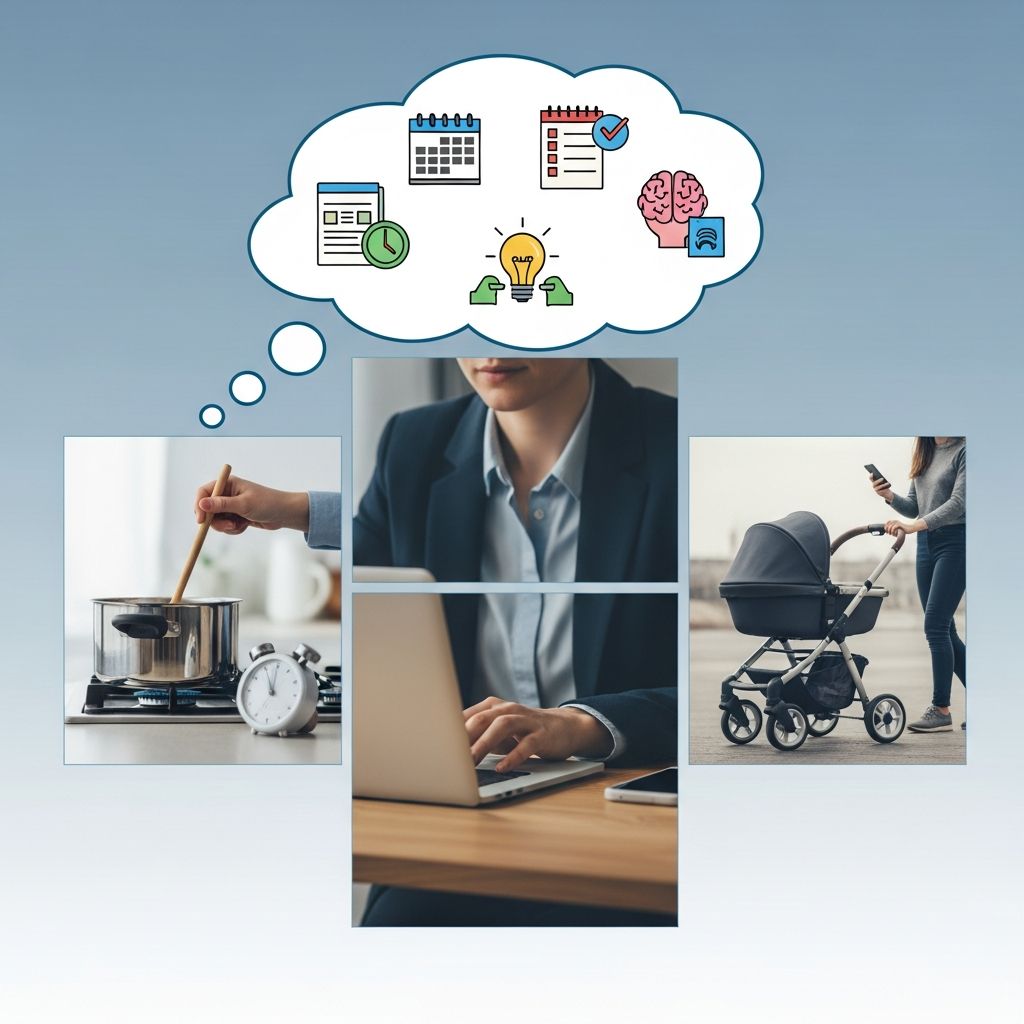
Being productive doesn’t always require sitting at a desk. Many everyday activities offer perfect opportunities to tackle tasks, learn new skills, or manage finances simultaneously. This approach not only saves time but also aligns with smart money habits by maximizing your most valuable resource: time itself. Whether you’re commuting, exercising, or handling household chores, these strategies help you achieve more without extra effort.
Listen to Educational Audio While Commuting
Your daily commute, whether by car, bus, or train, is prime time for passive learning. Instead of zoning out to music or silence, load up podcasts, audiobooks, or financial news. Topics like investing basics, budgeting techniques, or entrepreneurship can transform wasted minutes into valuable knowledge.
- Choose short podcasts (20-30 minutes) to match your trip length, covering money tips from experts.
- Audiobooks on personal finance, such as those by Ramit Sethi or Dave Ramsey, build habits painlessly.
- Financial news apps deliver market updates, helping you make informed decisions without screen time.
This method costs nothing beyond your existing commute and compounds knowledge over time, leading to better financial choices that save thousands annually.
Exercise While Listening to Motivational Content
Physical activity boosts endorphins and focus, making it ideal for absorbing motivational or educational audio. Pair your workouts with content that inspires productivity and wealth-building.
- Running or cycling with TED Talks on success habits keeps you motivated through tough sets.
- Weight training sessions with audiobooks on negotiation skills sharpen your money-earning edge.
- Yoga flows paired with mindfulness podcasts enhance mental clarity for daily financial planning.
Studies from the American Psychological Association show exercise improves memory retention, making this dual approach highly effective for long-term habit formation. You’ll emerge fitter, smarter, and more financially savvy.
Plan Your Day During Morning Routines
Morning rituals like showering, dressing, or eating breakfast are mentally free periods. Use them to mentally outline your day, prioritizing high-impact tasks like bill payments or investment reviews.
- While brushing teeth, rehearse your top three financial goals for the day.
- In the shower, visualize expense tracking and potential savings opportunities.
- During breakfast, mentally categorize tasks into urgent, important, and delegable.
This ‘pay yourself first’ for time mirrors budgeting principles: allocate planning moments before daily chaos hits, ensuring proactive control over finances and schedule.
Brainstorm Ideas While Doing Chores
Household tasks like washing dishes, vacuuming, or laundry free your mind for creative thinking. Use this time to brainstorm side hustle ideas, budget tweaks, or debt reduction strategies.
- Dishwashing sparks ideas for cutting grocery costs through meal prepping.
- Laundry time generates lists of unused items to sell online for extra cash.
- Cleaning prompts reviews of subscription services to cancel unnecessary ones.
Repetitive motions induce a flow state, proven by University of California research to enhance problem-solving creativity.
Review Finances During Walks or Dog Walks
Walking stimulates blood flow to the brain, ideal for analytical tasks like reviewing bank statements or apps on your phone. Fresh air amplifies focus for money management.
- Check spending trackers like Mint or YNAB while strolling.
- Calculate net worth updates or investment performance mid-walk.
- Plan grocery lists to avoid impulse buys, saving 20-30% on food costs.
The U.S. Department of Health recommends 30 minutes daily walking; combine it with finance reviews for dual health and wealth benefits.
Network While Waiting in Lines
Lines at banks, stores, or coffee shops are opportunities to connect via phone. Call mentors, follow up on leads, or discuss collaborations instead of scrolling idly.
- Queue at the bank? Call your financial advisor for quick advice.
- Grocery checkout? Text potential clients about services.
- DMV wait? LinkedIn message industry contacts.
Networking builds income streams; Harvard Business Review notes weak ties often lead to best opportunities.
Learn Languages for Business During Downtime
Apps like Duolingo fit perfectly into short waits, like elevators or microwave timers. Learning a language opens global markets and freelance gigs.
- Spanish for U.S. Hispanic markets; Mandarin for e-commerce suppliers.
- Practice during coffee breaks or pre-meeting lulls.
- Aim for 10 minutes daily; consistency yields conversational fluency in months.
Enhanced language skills boost earning potential by 10-15%, per Bureau of Labor Statistics data.
Practice Public Speaking in the Shower
The shower’s echo chamber mimics an audience, perfect for rehearsing pitches, presentations, or sales scripts without judgment.
- Rehearse elevator pitches for job interviews or investor meetings.
- Practice negotiating salary or vendor prices aloud.
- Record sessions on waterproof devices for self-review.
Toastmasters International affirms vocal practice improves confidence and clarity, key for career advancement.
Automate Repetitive Tasks for Efficiency
Like auto-bill pay in finance, automate emails, reminders, and reports to free mental space during other activities.
- Email templates for common responses save minutes per use.
- Calendar reminders for receipts or deadlines prevent oversights.
- Tools like Zapier link apps for seamless workflows.
Track Time Like You Track Spending
Just as budgeting requires expense logs, time tracking reveals leaks like social media. Use Toggl or paper journals during low-focus activities.
| Activity | Avg Daily Time | Savings Potential |
|---|---|---|
| Social Media | 2 hours | Redirect to side hustle |
| TV Binging | 1.5 hours | Learning or exercise |
| Commuting | 1 hour | Audio education |
Tracking identifies 5-10 reclaimable hours weekly.
Frequently Asked Questions (FAQs)
Q: Can multitasking really improve productivity?
A: Yes, when combining passive activities like listening with physical ones, it enhances efficiency without cognitive overload, mirroring budgeting automation.
Q: What’s the best audio content for finance learners?
A: Podcasts like ‘Planet Money’ (NPR) or ‘ChooseFI’ offer digestible insights during commutes or workouts.
Q: How do I start time tracking?
A: Begin with paper for a week, noting activities every hour, then switch to apps like RescueTime for automation.
Q: Does walking while reviewing finances work?
A: Absolutely; light exercise boosts focus, making complex budget analysis more effective.
Q: Are there free tools for these tips?
A: Yes, Duolingo, Toggl free tier, podcast apps, and phone notes suffice for all strategies.
Implementing these tips turns routine moments into productivity powerhouses, aligning time and money management for a richer life. Consistency yields exponential results.
References
- How to Use Budgeting Skills to Improve Your Time Management — Wise Bread. 2015-approx. https://www.wisebread.com/how-to-use-budgeting-skills-to-improve-your-time-management
- Best Money Tips: Secrets of Incredibly Productive People — Wise Bread. 2015-approx. https://www.wisebread.com/best-money-tips-secrets-of-incredibly-productive-people
- Exercise and Memory Retention — American Psychological Association. 2023-10-15. https://www.apa.org/monitor/2023/10/exercise-boosts-memory
- Physical Activity Guidelines — U.S. Department of Health and Human Services. 2024-05-01. https://health.gov/our-work/physical-activity/current-guidelines
- Networking and Career Opportunities — Harvard Business Review. 2022-06-20. https://hbr.org/2022/06/the-surprising-power-of-simply-asking-coworkers-how-theyre-doing
Similar Articles








Read full bio of medha deb