Best Money Tips: How to Avoid Getting Sick While Traveling
Smart strategies to stay healthy on trips, saving money on medical bills and ruined vacations.
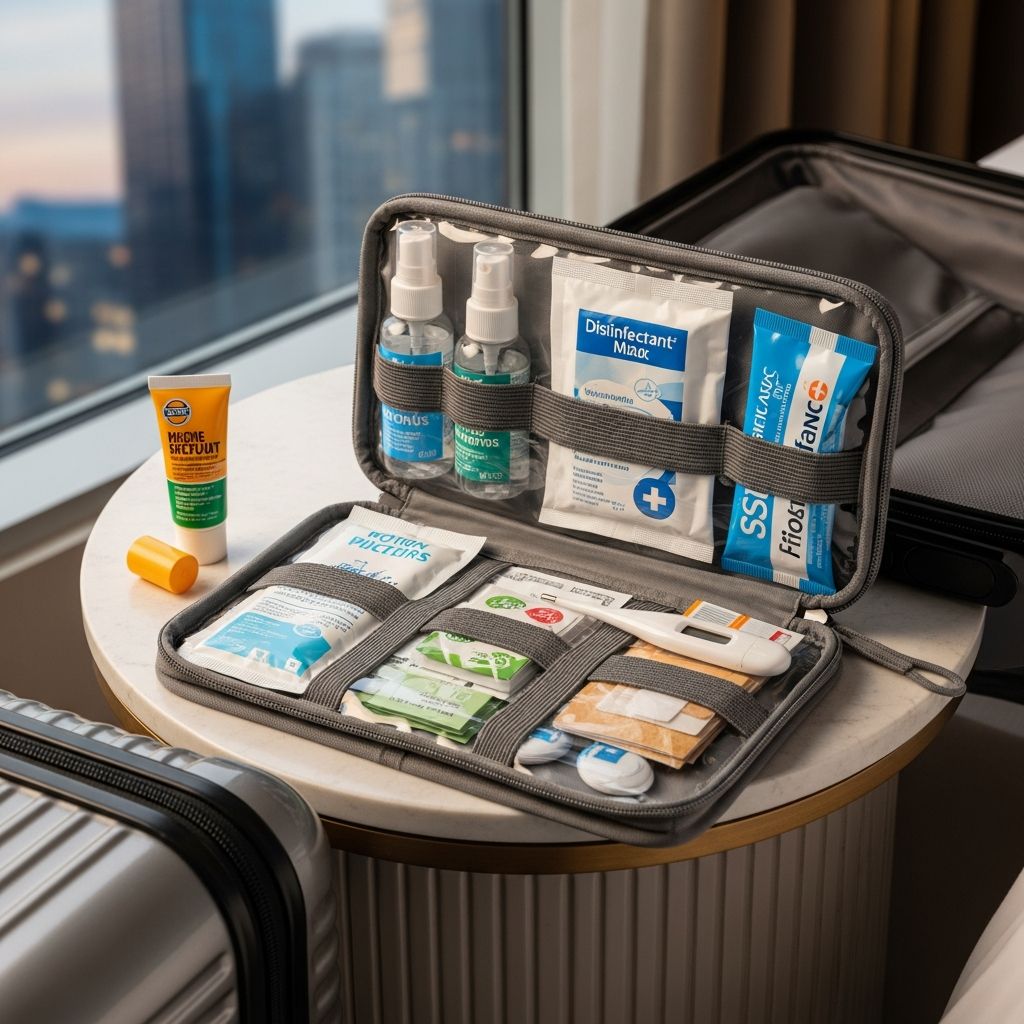
Traveling can be exhilarating, but falling ill abroad drains your wallet with medical bills, missed activities, and extended stays. By implementing simple, low-cost preventive measures, you protect your health and finances. This guide covers proven strategies drawn from expert sources like the CDC and WHO to keep you well on the road.
Research Your Destination Before You Go
Knowledge is your first line of defense and a money-saver. Start by consulting reliable resources to understand health risks specific to your destination. The Centers for Disease Control and Prevention (CDC) and World Health Organization (WHO) provide up-to-date information on outbreaks, required immunizations, and safety tips. For instance, check for water quality issues, prevalent diseases like malaria or Zika, and altitude sickness risks above 8,000 feet.
- Review CDC Travelers’ Health pages for country-specific advisories, including vaccination recommendations and insect-borne disease alerts.
- Cross-reference with U.S. Department of State travel info for medical facility availability, ensuring you know where to seek care without exorbitant costs.
- Factor in seasonal risks, like monsoon-related illnesses in tropical areas, to pack appropriately and avoid surprises.
This research prevents expensive last-minute scrambles for medications or treatments. Plan 4-6 weeks ahead for optimal preparation.
Visit a Travel Clinic or Doctor
A pre-trip consultation with a travel medicine specialist tailors advice to your itinerary, potentially averting costly health issues. Many healthcare providers offer travel clinics where experts prescribe destination-specific medications, like antimalarials or altitude sickness preventives.
Bring your full itinerary to discuss risks. If insurance covers it, this visit is free; otherwise, it’s a small fee compared to overseas emergencies. Doctors can recommend immune-boosting regimens, such as Pepto-Bismol for traveler’s diarrhea (two tablets four times daily before and during travel).
- Get an international certificate of vaccination to prove compliance where required.
- Discuss prescriptions for extended trips, packing extras in carry-on per TSA rules.
Get Necessary Vaccinations and Medications
Immunizations are non-negotiable for many destinations and often required for entry. Schedule at least one month prior, as some like hepatitis A or typhoid need time to build immunity.
Common shots include yellow fever for parts of Africa and South America, and routine updates like MMR. For malaria zones, start prophylactics weeks before departure. These steps, guided by CDC protocols, prevent diseases that could hospitalize you and inflate costs.
| Vaccination | Timing | Key Destinations |
|---|---|---|
| Hepatitis A | 2 weeks prior | Most developing countries |
| Typhoid | 1-2 weeks prior | India, Southeast Asia |
| Yellow Fever | 10 days prior | Sub-Saharan Africa, Brazil |
Boost immunity pre-trip with foods like clementines, ginger tea, and avocados to fortify against digestive woes.
Pack a Comprehensive Travel Health Kit
A well-stocked first-aid kit is an inexpensive insurance policy. Customize based on research, including prescriptions, over-the-counter remedies, and essentials.
- Basics: Bandages, antiseptics, pain relievers (ibuprofen), antidiarrheals (loperamide), antacids.
- Hygiene: Hand sanitizer (60%+ alcohol), disinfectant wipes, menstrual products.
- Specialized: Water purification tablets, electrolyte powders, insect repellent (DEET-based), allergy meds.
- Nonperishables: Energy bars for safe snacking until trusted food sources.
Pack in carry-on to avoid loss. Filtered water bottles save on bottled water expenses long-term.
Minimize Jet Lag Effects
Jet lag weakens your immune system, making you vulnerable to illness. Combat it to stay energized and healthy.
- Gradually shift sleep schedule: Adjust bedtime 30-60 minutes earlier/later nightly pre-trip.
- Upon arrival, resist naps; align with local sunset. Book a rest day at trip start/end.
- Practice sleep hygiene: No screens before bed, limit caffeine, use earplugs/masks.
These habits maintain circadian rhythm, supporting immunity without extra costs.
Stay Healthy During Your Flight
Airplanes are germ hotspots with dry air and close quarters. Simple actions reduce exposure.
- Drink plenty of water; avoid alcohol/caffeine to combat low humidity.
- Wash hands often; use sanitizer/wipes on trays, armrests, screens.
- Choose window seats to limit neighbor contact; wear a mask if concerned.
Stay vigilant on high-touch surfaces to prevent colds or worse.
Drink Only Safe Water
Contaminated water causes most traveler’s diarrhea. Prioritize safety to avoid dehydration and medical visits.
- Opt for sealed bottled water; inspect caps for tampering.
- Boiled, treated, or bottled-only for ice, brushing teeth, washing produce.
- Use purification tablets or filters if unsure; avoid fountains or tap.
Hot beverages like tea/coffee are safe if boiled.
Eat Smart to Avoid Foodborne Illness
Local cuisine tempts, but poor hygiene risks dysentery or poisoning. Choose wisely to save on recovery.
- Safe choices: Hot, steaming foods (soups, fried items); peeled fruits; packaged snacks.
- Avoid: Raw/undercooked meats, street food at room temp, unpasteurized dairy.
- Wash produce with disinfected water; eat freshly cooked meals.
If sick, stick to bland BRAT diet (bananas, rice, applesauce, toast); rehydrate with electrolytes. Skip dairy, alcohol, spicy foods.
Use Insect Repellent Religiously
Insects transmit malaria, dengue, Lyme. DEET or picaridin repellents are essential in risky areas.
- Apply to skin/clothes; reapply after sweating/swimming.
- Wear long sleeves/pants at dawn/dusk; use bed nets.
- Check CDC for region-specific threats.
Prioritize Hand Hygiene
Hands spread 80% of infections. Wash with soap/water before eating, after restrooms.
- Use sanitizer (60% alcohol) when unavailable; wipes for surfaces.
- CDC emphasizes this as key to preventing norovirus, etc.
Build and Maintain Immunity
Pre-trip, consume immune boosters: yogurt, citrus, nuts. Stay active, rested, hydrated.
Manage stress; get quality sleep to bolster defenses.
Frequently Asked Questions (FAQs)
Q: How far in advance should I get vaccinated?
A: Ideally 4-6 weeks before travel to allow immunity development and boosters if needed.
Q: Is bottled water always safe abroad?
A: Check seals; prefer reputable brands. Boil or treat if doubtful.
Q: What if I get sick despite precautions?
A: Rest, hydrate with electrolytes, eat bland foods. Seek medical help for severe symptoms; carry insurance info.
Q: Can I eat street food?
A: Opt for busy vendors with hot, fresh items; avoid if hygiene is poor.
Q: How to beat jet lag quickly?
A: Expose to natural light, adjust sleep gradually, stay hydrated.
References
- How to Avoid Getting Sick When You Travel — REI Expert Advice. 2023. https://www.rei.com/learn/expert-advice/how-to-avoid-getting-sick-when-you-travel.html
- How to avoid food sickness while traveling overseas — Good Neighbor Insurance. 2024-05-15. https://www.gninsurance.com/blog/travel-smarter/how-to-avoid-food-sickness-while-traveling-overseas/
- 6 ways to protect your health while travelling — Rest Less. 2023-08-10. https://restless.co.uk/health/healthy-body/ways-to-protect-your-health-while-travelling/
- 7 Ways to Avoid Getting Seriously Sick on Vacation — Wise Bread. 2015-06-20. https://www.wisebread.com/7-ways-to-stay-healthy-on-vacation
Similar Articles








Read full bio of medha deb