Travel Scams: 4 Best Money Tips To Avoid Common Scams
Smart strategies to spot and dodge common travel scams that target tourists and drain your wallet.
Traveling opens the door to new experiences, but it also invites clever scammers targeting tourists. This roundup of best money tips highlights proven strategies to avoid common travel scams, helping you safeguard your finances and enjoy peace of mind. Drawing from expert advice, we’ll cover prevalent cons like fake tickets, taxi rip-offs, and ATM tricks, plus general prevention tactics.
Why Travel Scams Target You
Tourists are prime marks for scammers because they appear distracted, unfamiliar with local customs, and often carry cash or valuables. According to the Federal Trade Commission, over 58,000 travel scam reports were filed in a recent year, with victims losing thousands. Scammers exploit urgency, language barriers, and the excitement of travel. Awareness is your first defense—stay vigilant from booking to returning home.
Common Travel Scams and How to Avoid Them
Here are four widespread travel scams, inspired by reliable sources, with practical avoidance tips. These cons prey on trust and haste, but simple habits can neutralize them.
1. Fake Bus or Train Tickets
Street vendors hawk ‘discounted’ or ‘leftover’ tickets for sold-out buses or trains at bargain prices. You board confidently, only to be ejected mid-journey when officials scan fakes. This scam thrives in busy tourist hubs like Europe or Asia.
- Buy only from official sources: Use station kiosks, authorized apps, or websites. Avoid touts outside terminals.
- Verify legitimacy: Check ticket holograms, barcodes, and expiration dates before purchase.
- Pre-book online: Secure tickets via airline or rail apps to skip street sellers entirely.
Pro tip: If a deal seems too good—like 50% off last-minute seats—it’s likely fraudulent. Save receipts for disputes.
2. Taxi Overcharges and Fixed-Rate Gouging
At airports or stations, rogue taxis quote low fares then demand exorbitant sums or take scenic detours. Metered taxis might have tampered devices running fast. Common in cities like Bangkok, Rome, or Mexico City.
- Negotiate upfront or use meters: Agree on fares before entering; insist on official meters.
- Opt for ride-apps: Uber, Lyft, or local equivalents like Grab provide tracked rides and fixed pricing.
- Know standard rates: Research average fares via apps like Google Maps or hotel concierges.
In 2024 reports, taxi scams cost travelers hundreds per ride. Always note the taxi number and driver’s name.
3. ATM Skimming and Card Cloners
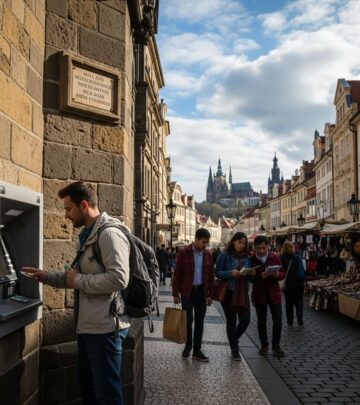
Crooks install overlay devices on ATMs to capture card data and PINs. Fake fronts on keypads record keystrokes. Victims discover drained accounts days later, often abroad where recourse is tough.
- Inspect machines: Tug on card readers; wobbly ones are suspect. Cover PIN entry.
- Use bank ATMs: Prefer those inside banks or well-lit hotels over street machines.
- Monitor alerts: Enable real-time transaction notifications and use credit cards for purchases.
Chase reports rising skimming during peak travel seasons. Withdraw small amounts and alternate ATMs.
4. The ‘Free Gift’ or Friendship Bracelet Scam
Friendly strangers offer ‘gifts’ like bracelets or roses, then demand payment. Groups distract you while pickpockets strike. Prevalent at landmarks like the Eiffel Tower or Sagrada Familia.
- Politely decline: Say ‘no thank you’ firmly and walk away without engaging.
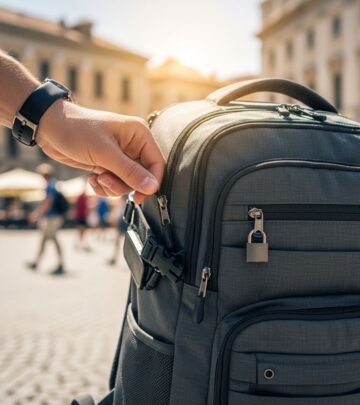
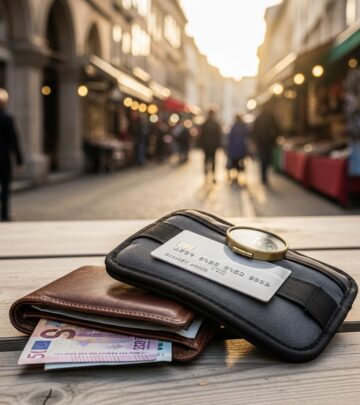
- Keep valuables secure: Use anti-theft bags, money belts, and neck pouches.
- Travel in groups: Scammers target solos; stick with companions in crowds.
These emotional ploys lead to aggressive demands—never pay for unsolicited items.
Online Booking Scams to Watch
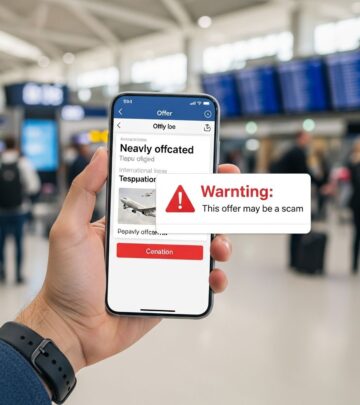
Beyond streets, digital traps abound. Fake sites mimic legit ones, offering unreal deals on flights, hotels, or rentals. Per McAfee’s 2024 report, 25% of victims lost $1,000+.
| Scam Type | Red Flags | Avoidance Tip |
|---|---|---|
| Fake Websites | Slight URL tweaks (e.g., expedia-deals.com) | Verify domain; use .com official sites |
| Phony Agencies | Unsolicited ‘free trips’ needing upfront fees | Book directly with airlines/hotels |
| Rental Hijacks | Too-cheap vacation homes/cars | Cross-check listings on multiple platforms |
| Discount Tickets | Flights 70% off market rate | Use aggregators like Kayak, not social ads |
Pay with credit cards for chargeback protection—avoid wire transfers or gift cards, major red flags.
General Travel Money Safety Tips
Bolster defenses with these habits:
- Spread your cash: Divide money across pockets, hotel safes, and cards. Carry minimal cash.
- Photocopy documents: Store passport, cards, and itinerary digitally and in cloud storage.
- Freeze credit post-scam: If victimized, report to FTC, police, and banks immediately.
- Buy travel insurance: Covers trip disruptions, medical emergencies, and theft (check exclusions).
- Use VPNs abroad: Protect logins on public Wi-Fi from data thieves.
Research destinations via State Department advisories for scam hotspots.
Frequently Asked Questions (FAQs)
Q: What should I do if I suspect I’ve been scammed abroad?
A: Contact your bank/credit issuer first for disputes, then local police for a report. File with FTC at ReportFraud.ftc.gov and monitor credit.
Q: Are ride-sharing apps always safer than taxis?
A: Generally yes, due to GPS tracking and ratings, but verify app authenticity and driver details before riding.
Q: How can I spot fake travel websites?
A: Check HTTPS, exact domain spelling, reviews on Trustpilot, and contact info. Avoid deals requiring untraceable payments.
Q: What’s the best way to carry money overseas?
A: Mix credit/debit cards, some local currency, and traveler’s checks. Notify your bank of travel plans to prevent blocks.
Q: Do travel scams happen in my home country too?
A: Yes, but tourists face higher risks due to unfamiliarity. Same vigilance applies everywhere.
Bonus: Dining Out and Mileage Tips from the Roundup
The original roundup also nods to related frugal tips. Dining out at work? Calculate hidden costs like tips and time—brown-bag lunches save big. Boost MPG with proper tire inflation and steady speeds, cutting fuel scams’ impact.
Empower your travels with knowledge. Share these tips to protect fellow adventurers!
References
- Best Money Tips: How to Avoid Common Travel Scams — Wise Bread. Accessed 2026. https://www.wisebread.com/best-money-tips-how-to-avoid-common-travel-scams
- Travel Scams: What to Look Out For — NBC4 Washington / Federal Trade Commission Reference. 2025-05-29. https://www.youtube.com/watch?v=yRsxmAKj-nc
- Federal Trade Commission Consumer Sentinel Network Data Book — FTC.gov. 2024. https://www.ftc.gov/reports/consumer-sentinel-network-data-book-2024
- McAfee Safer Summer Travel Report — McAfee (via NBC4). 2024. https://www.mcafee.com/en-us/safer-summer-travel-report.html
- International Travel Scams Advisory — U.S. Department of State. Updated 2025. https://travel.state.gov/content/travel/en/international-travel/emergencies/scams.html
Similar Articles








Read full bio of medha deb