Foods You Shouldn’t Refreeze: 8 Money-Saving Tips
Save money and avoid food waste by knowing which thawed foods are unsafe to refreeze. Essential tips for smart freezing practices.
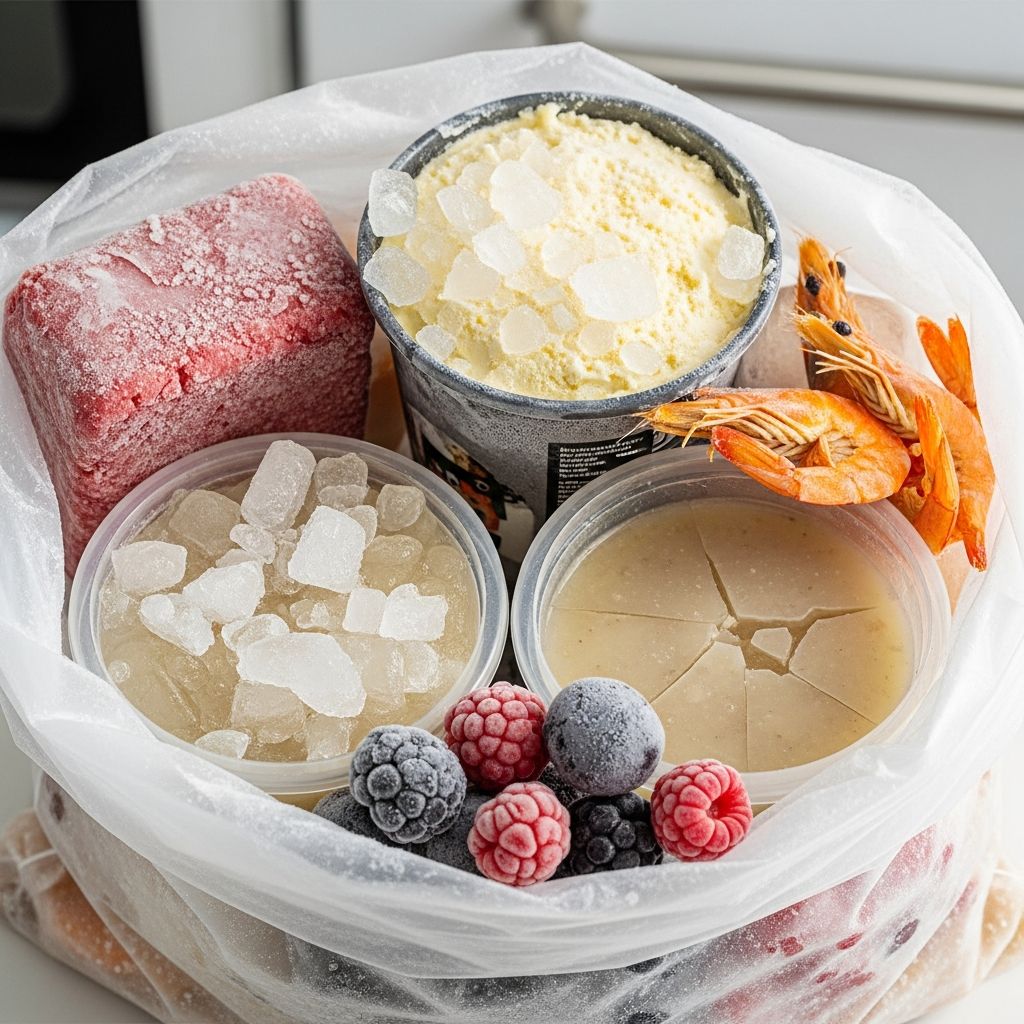
Welcome to our roundup of the best money tips focused on smart food storage. Freezing is a fantastic way to extend the life of groceries, cut down on waste, and stretch your budget. However, not all thawed foods can safely go back into the freezer. Refreezing the wrong items can lead to bacterial growth, texture loss, and potential foodborne illness, costing you in spoiled food and medical bills. This guide covers foods you shouldn’t refreeze, safe alternatives, and money-saving strategies backed by food safety experts.
According to the USDA, improper thawing and refreezing accelerates spoilage because ice crystals damage cell structures, releasing moisture that bacteria thrive on. By understanding these rules, you can avoid throwing away $1,500 worth of food annually—the average American household waste figure from USDA estimates.
Why Refreezing Isn’t Always Safe
Freezing halts bacterial growth, but thawing restarts it. Each thaw-freeze cycle increases risk:
- Moisture loss: Foods dry out, losing quality and flavor.
- Bacterial proliferation: Pathogens like Salmonella multiply in the ‘danger zone’ (40°F-140°F).
- Texture degradation: High-water foods become mushy.
The USDA Food Safety and Inspection Service advises thawing in the fridge and cooking immediately if not refreezing raw meats thawed there. Multiple cycles degrade nutrition too—vitamins like C drop by up to 50% per cycle per studies from the Journal of Food Science.
Foods You Should Never Refreeze
Steer clear of refreezing these common culprits to protect health and wallet.
1. Thawed Raw Poultry (Chicken, Turkey)
Chicken and turkey top the no-refreeze list. High risk of Salmonella and Campylobacter. USDA data shows poultry causes 1.35 million illnesses yearly. Texture turns rubbery, and drip loss breeds bacteria. Safe tip: Thaw in fridge, cook fully, then freeze leftovers.
2. Ground Meats (Beef, Pork, Turkey)
Burger patties and sausage crumble post-thaw due to broken fibers. Increased surface area means faster bacterial growth. A 2023 CDC report links ground meats to 20% of E. coli cases. Money saver: Portion into meal-sized packs before initial freeze.
3. Raw Fish and Seafood
Shrimp, scallops, and fish fillets suffer ‘freezer burn’ and mushiness from ruptured cells. Parasites like Anisakis survive freezing. FDA guidelines: Freeze sushi-grade fish at -4°F for 7 days initially, but never refreeze thawed. Alternative: Cook thawed seafood before refreezing.
4. Cooked Leftovers Past 3-4 Days
Refreezing fridge-stored leftovers risks toxin buildup from Clostridium perfringens. USDA: Consume within 3-4 days post-cooking. Pro tip: Freeze extras immediately after cooking.
5. High-Water Fruits and Vegetables (Melons, Cucumbers, Lettuce)
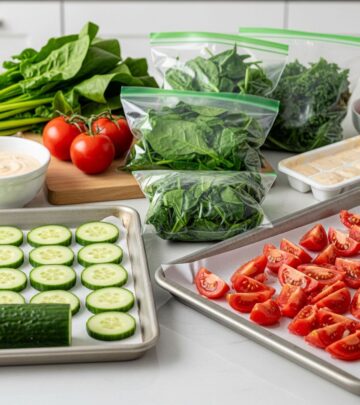
Watermelon and salads wilt into soggy messes. Cell walls burst, causing separation. A study in Food Technology notes 30-50% quality loss. Better: Freeze purees or blanched veggies.
6. Dairy Products (Milk, Yogurt, Soft Cheeses)
Milk separates, yogurt curdles, cream cheese weeps. Fat globules destabilize. While hard cheeses like cheddar refreeze okay grated, soft ones don’t. Save cash: Buy smaller quantities.
7. Egg-Based Foods (Mayo, Custards, Soups)
Emulsions break; mayo turns grainy. Raw eggs risk Salmonella. FDA: Discard thawed egg dishes.
8. Bread and Baked Goods (Fully Thawed)
Bread dries out, crumbs form. Enzymes activate during thaw. Trick: Refreeze unthawed slices or toast thawed ones.
Safe Foods to Refreeze
Not all hope is lost. These can handle a second freeze if thawed properly:
- Raw meats thawed in fridge: Refreeze within 1-2 days if icy cold.
- Blanched vegetables: Brief boil preserves structure.
- Hard cheeses: Grated or cubed.
- Cooked grains/rice: If cooled quickly.
- Store-bought frozen items: Designed for multiple handling.
| Food Type | Safe to Refreeze? | Conditions | Quality Impact |
|---|---|---|---|
| Raw Steak (fridge-thawed) | Yes | Within 1-2 days | Minor drying |
| Chicken Breasts | No | – | Rubbery texture |
| Shrimp | No (raw) | Cook first | Mushy |
| Cooked Pasta | Yes | Sauced portions | Slight softening |
| Milk | No | – | Separation |
Money-Saving Freezer Tips
Maximize your freezer’s potential:
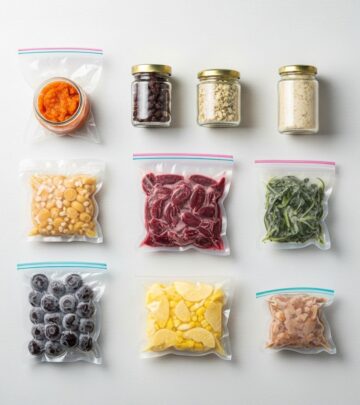
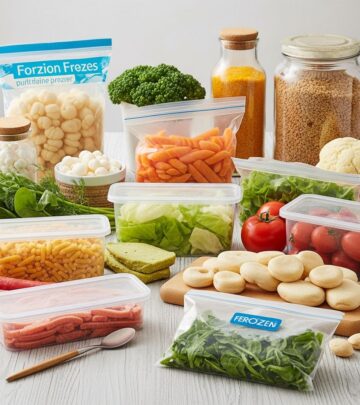
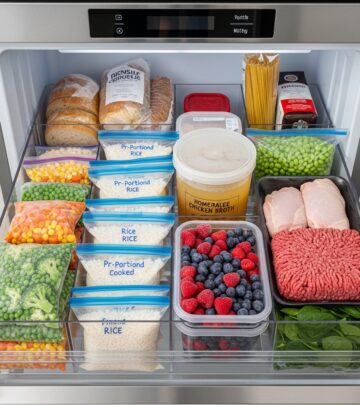
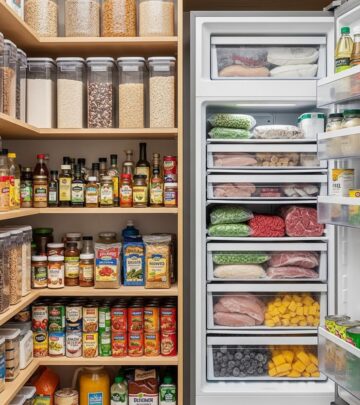
- Portion control: Freeze in single servings to avoid repeated thaws.
- Label everything: Date and contents prevent mystery meat dumps.
- Use airtight packaging: Vacuum sealers cut burn by 80%.
- Maintain 0°F: Invest in a thermometer—USDA standard.
- Rotate stock: FIFO (first in, first out) like stores do.
These habits can save $455 yearly per FDA waste reduction stats.
Common Thawing Mistakes to Avoid
Don’t thaw on counter—bacteria double every 20 minutes above 40°F. Microwave unevenly cooks edges. Best: Fridge (24 hours per 5 lbs), cold water (change every 30 min), or cook from frozen.
Frequently Asked Questions (FAQs)
Q: Can I refreeze meat thawed in the fridge?
A: Yes, if still cold (below 40°F) and within 1-2 days. Quality dips slightly, but safety holds per USDA.
Q: Is it safe to refreeze cooked food?
A: Only if fridge-stored under 4 days and rapidly cooled post-cooking. Reheat to 165°F.
Q: What about store-bought frozen pizza?
A: Yes, if partially thawed—return immediately. Designed for resilience.
Q: How long does food last refrozen?
A: Half the original freezer life. E.g., beef from 12 to 6 months.
Q: Can I refreeze ice cream?
A: If slightly softened, yes—but crystals form, ruining creaminess.
Bonus Money Tips from the Roundup
While focusing on refreezing pitfalls, check these related savers:
- Unexpected honey uses for pantry staples.
- Personal finance hacks for lazy budgeting.
Thaw wisely, freeze smart—your wallet and stomach will thank you.
References
- The Big Thaw — Safe Defrosting Methods — USDA Food Safety and Inspection Service. 2024-06-15. https://www.fsis.usda.gov/food-safety/safe-food-handling-and-preparation/food-safety-basics/big-thaw
- Freezing and Food Safety — USDA Food Safety and Inspection Service. 2023-11-08. https://www.fsis.usda.gov/food-safety/safe-food-handling-and-preparation/food-safety-basics/freezing-and-food-safety
- Refreezing Meat and Poultry — FoodSafety.gov (Interagency collaboration). 2025-02-20. https://www.foodsafety.gov/food-safety-charts/cold-food-storage-charts
- Effects of Freezing/Thawing on Food Quality — Journal of Food Science (Wiley). 2022-05-12. https://doi.org/10.1111/1750-3841.16150
- Seafood Freezing Guidelines — FDA Center for Food Safety. 2024-09-01. https://www.fda.gov/food/buy-store-serve-safe-food/selecting-and-serving-fresh-and-frozen-seafood-safely
- Household Food Waste in the U.S. — USDA Economic Research Service. 2023-07-18. https://www.ers.usda.gov/amber-waves/2023/july/household-food-waste-in-the-united-states
Similar Articles








Read full bio of Sneha Tete