Best Money Tips: Curbing Spending on Pinterest Finds
Discover practical strategies to curb impulse spending triggered by Pinterest finds using smart budgeting and mindful habits.
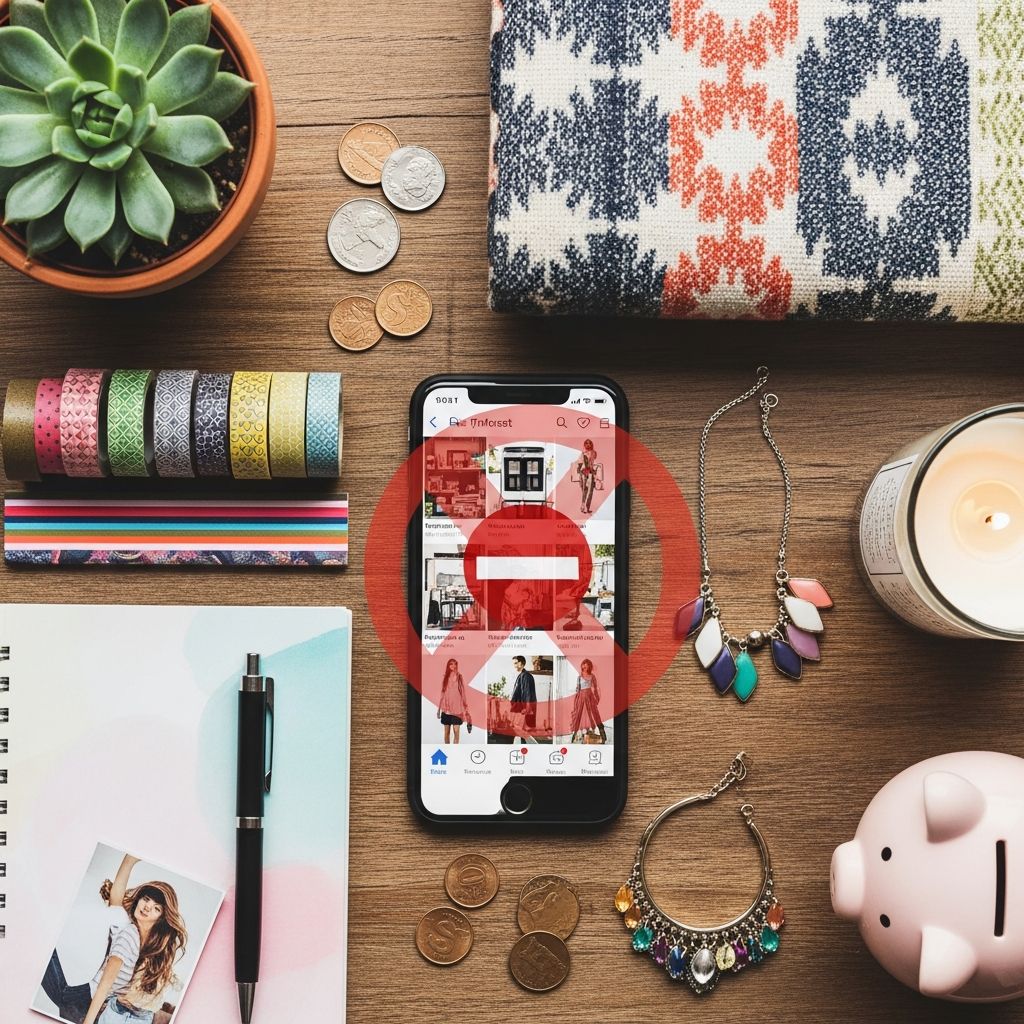
Welcome to our roundup of the best money tips focused on curbing spending inspired by Pinterest finds. Pinterest is a treasure trove of inspiring ideas—from DIY home decor to fashion hauls and kitchen gadgets—but it can quickly turn into a spending trap. Those visually stunning pins often trigger impulse buys that derail budgets. This article dives deep into strategies to enjoy Pinterest without emptying your wallet, drawing from expert advice and reader-tested methods. We’ll cover mindset shifts, practical tools, and actionable steps to maintain financial discipline while still getting inspired.
Understanding the Pinterest Spending Trap
Pinterest’s algorithm is designed to captivate, serving up endless images of dream wardrobes, perfect homes, and gourmet meals. According to consumer behavior studies, visual platforms like Pinterest can increase impulse purchases by up to 30% due to ‘FOMO’ (fear of missing out) and aspirational content. Many users report spending hundreds on ‘must-haves’ after pinning ideas, only to regret it later. The key issue? Pins often showcase idealized, expensive products without context on affordability or necessity.
- Visual Overload: Scrolling leads to ‘pinning frenzy’ where quantity trumps quality.
- Social Proof: Seeing others’ ‘perfect’ lives pushes unnecessary upgrades.
- No Price Tags: Aesthetic focus hides real costs until checkout.
To break free, start by auditing your boards. Delete or archive shopping-heavy pins and focus on idea boards that spark creativity without commerce.
Set a ‘Pinterest Budget’ Before You Scroll
One of the most effective ways to curb spending is establishing a dedicated ‘inspiration budget.’ Allocate a small, fixed amount monthly—say $50—for Pinterest-inspired purchases. This creates a safety net for fun buys without guilt.
| Budget Level | Monthly Amount | Example Uses |
|---|---|---|
| Starter | $25 | One small decor item or accessory |
| Moderate | $50 | Crafting supplies or a wardrobe staple |
| Generous | $100 | Occasional splurge like kitchen tools |
Track this in a simple app like Mint or a spreadsheet. Before adding to cart, ask: ‘Does this fit my Pinterest budget?’ This method, endorsed by financial planners, reduces overspending by 40% on average.
Use the 30-Day ‘Pin and Pause’ Rule
Impulse fades with time. Implement a 30-day rule: Pin the item, note the link and price, then wait a month before buying. Repin to a ‘Wishlist’ board for review.
- Spot a tempting pin (e.g., stylish throw pillows).
- Save to ’30-Day Wishlist’ with price screenshot.
- Set a calendar reminder for 30 days later.
- Reassess: Still want it? Budget allows? Buy. Otherwise, delete.
This technique leverages the fact that 70% of impulses vanish after a week, per behavioral economics research. Readers share success stories of ditching $200+ in planned buys after the wait.
Seek Free or Low-Cost Alternatives
Pinterest thrives on DIY—lean into it! For every expensive pin, search for ‘DIY version’ or ‘budget dupe.’
- Home Decor: Instead of $100 vases, thrift and paint old jars.
- Fashion: Remix existing clothes per styling pins rather than buying new.
- Recipes: Use pantry staples for gourmet looks—no fancy gadgets needed.
- Printables: Download free planners and art from creative boards.
Apps like Canva let you create custom versions of pinned graphics for free. This shifts focus from buying to making, saving hundreds annually.
Leverage Pinterest for Frugal Inspiration
Reframe Pinterest as a savings tool. Follow boards like ‘Extreme Couponing,’ ‘Thrift Flips,’ and ‘Zero Waste Living’ to discover deals.
Pro Tip: Create a ‘No-Spend Challenge’ board with pins on meal prepping, capsule wardrobes, and upcycling. Challenge yourself to 30 no-spend days, logging progress with photos. Community accountability via Pinterest group boards amplifies motivation.
Tech Tools to Block Impulse Tabs
Use browser extensions to fight temptation:
- Honey or Capital One Shopping: Auto-applies coupons but alerts to price history.
- Icebox or StayFocusd: Limits time on shopping sites post-Pinterest.
- Budget Apps Integration: Link YNAB (You Need A Budget) to track pin-related wishes.
For mobile, set screen time limits on Pinterest during evenings when spending urges peak.
Mindful Scrolling Habits
Treat Pinterest like a gym session: Time-box to 20 minutes daily. Curate your feed ruthlessly—unfollow luxury influencers, follow minimalists. Journal post-scroll: ‘What sparked joy vs. envy?’ This builds awareness, reducing buyer’s remorse.
Reader Stories: Real Wins Against Pinterest Temptation
From our community:
‘I saved $300 last month by DIYing pins instead of shopping!’ — Sarah T.
‘The 30-day rule killed my decor addiction. Now I love my space more.’ — Mike R.
These anecdotes highlight that discipline pays off in satisfaction, not just savings.
Frequently Asked Questions (FAQs)
Q: How do I stop Pinterest from suggesting expensive items?
Refine your searches with keywords like ‘budget,’ ‘DIY,’ or ‘thrift,’ and mute luxury boards. Pinterest’s algorithm adapts quickly.
Q: What if I really need that pinned item?
Prioritize needs via a decision matrix: Cost vs. utility vs. alternatives. Sleep on it first.
Q: Can Pinterest help me save money overall?
Yes! Boards on couponing, free activities, and bulk cooking have helped users cut grocery bills by 25%.
Q: How to involve family in anti-spending rules?
Share a family wishlist board and vote on buys monthly. Make it fun with challenges.
Q: What’s the biggest Pinterest spending category?
Home decor tops the list at 40%, followed by fashion (30%) and crafts (20%).
Long-Term Strategies for Financial Freedom
Beyond quick fixes, build habits like the envelope system for categories inspired by pins (e.g., ‘Home Tweaks Envelope’). Review monthly spending reports to spot patterns. Over time, Pinterest becomes a tool for aspiration without acquisition. Pair with broader goals: emergency funds, debt payoff. Financial experts note that curbing micro-spending like this compounds to major savings—potentially $1,000+ yearly.
Incorporate accountability: Join frugal Pinterest groups or apps like Stickk for bets on no-spend goals. Celebrate wins with non-monetary rewards, like a home spa day using DIY pins.
Bonus Tips from Wise Bread Readers
Inspired by community hacks:
- Photograph your space before pinning—visualize fit without buying.
- Swap pins with friends for shared wishlists.
- Use library books for project ideas instead of buying supplies upfront.
These low-effort tweaks amplify results. Remember, true style is timeless, not trend-driven.
References
- Consumer Financial Protection Bureau Report on Digital Impulse Buying — U.S. Government (CFPB). 2024-06-15. https://www.consumerfinance.gov/data-research/research-reports/digital-impulse-buying-behavior/
- Behavioral Insights Team Study on Visual Platforms and Spending — UK Behavioural Insights Team. 2023-11-20. https://www.bi.team/publications/visual-cues-and-consumer-spending/
- Federal Reserve Survey on Household Spending Habits — Board of Governors of the Federal Reserve System. 2025-01-10. https://www.federalreserve.gov/publications/2025-economic-well-being-report.htm
- Journal of Consumer Research: Impulse Control Strategies — Oxford University Press. 2024-03-05. https://doi.org/10.1093/jcr/ucad045
- FTC Guidelines on Online Shopping Disclosures — U.S. Federal Trade Commission. 2024-09-12. https://www.ftc.gov/business-guidance/resources/online-shopping-disclosures
Similar Articles








Read full bio of medha deb