6 Best Money Market Funds In 2025 For Safety And Yield
Discover the top-performing money market funds for safe, liquid investments with competitive yields.

Understanding Money Market Funds
Money market funds represent one of the safest and most liquid investment options available to investors seeking stable returns with minimal risk. These funds invest in short-term, high-quality debt securities and cash equivalents, making them an ideal choice for conservative investors who prioritize capital preservation and liquidity over aggressive growth. Money market funds have become increasingly popular among both individual and institutional investors looking to park cash temporarily or maintain an emergency fund while earning competitive returns.
The primary objective of money market funds is to provide current income while maintaining principal stability and ensuring funds remain easily accessible. Unlike stocks or bonds, money market funds invest in securities that typically mature within a year, reducing interest rate risk and market volatility. This makes them particularly attractive during uncertain economic times when investors seek safer havens for their capital.
Top Money Market Funds for 2025
As of November 2025, several money market funds stand out for their performance, low costs, and substantial asset bases. Here are the six best options currently available to investors:
1. Vanguard Federal Money Market Fund (VMFXX)
The Vanguard Federal Money Market Fund remains one of the most popular choices among conservative investors. This fund specializes in securities issued by the U.S. government and invests in cash equivalents and short-term government securities. The primary focus on federal securities provides exceptional safety, as these instruments carry the backing of the U.S. government.
Key Features:
– Yield: 3.88 percent- Expense Ratio: 0.11 percent- Fund Assets: $371.3 billion- Minimum Initial Investment: $3,000
With the highest yield among the featured funds and a remarkably low expense ratio, VMFXX delivers exceptional value. The fund’s substantial asset base of over $371 billion demonstrates strong investor confidence and ensures excellent liquidity for shareholders.
2. Schwab Value Advantage Money Fund (SWVXX)
The Schwab Value Advantage Money Fund takes a slightly more diversified approach by investing in short-term securities issued by both U.S. and foreign entities, including governments, corporations, and financial institutions. This broader investment strategy allows the fund to potentially capture higher yields while maintaining strong liquidity and stability.
Key Features:
– Yield: 3.77 percent- Expense Ratio: 0.34 percent- Fund Assets: $249.6 billion- Minimum Initial Investment: None
A significant advantage of SWVXX is the absence of a minimum initial investment requirement, making it accessible to investors with smaller starting amounts. The fund’s $249.6 billion in assets provides ample liquidity and institutional credibility.
3. Invesco Government Money Market Fund (INAXX)
The Invesco Government Money Market Fund maintains a conservative approach by investing essentially all assets in cash, government securities, and repurchase agreements backed by government securities. This strategy prioritizes maximum safety and principal preservation for risk-averse investors.
Key Features:
– Yield: 3.73 percent- Expense Ratio: 0.32 percent- Fund Assets: $6.4 billion- Minimum Initial Investment: $1,000
While INAXX’s asset base is smaller than some competitors, its focus on government-backed securities makes it an excellent choice for investors prioritizing safety above all else. The moderate minimum investment requirement is accessible to most investors.
4. JPMorgan Prime Money Market Fund (VMVXX)
The JPMorgan Prime Money Market Fund seeks to generate current income while maintaining exceptional liquidity and low principal volatility. The fund invests in short-term securities with minimal credit risk, including U.S. government securities, floating-rate corporate debt, and highly-rated commercial paper.
Key Features:
– Yield: 3.69 percent- Expense Ratio: 0.48 percent- Fund Assets: $90.4 billion- Minimum Initial Investment: $1,000
JPMorgan’s institutional strength and reputation provide additional security for investors. The fund’s diversified holdings across government and corporate securities offer balance between yield and safety.
5. Fidelity Money Market Fund (SPRXX)
The Fidelity Money Market Fund produces high current income by investing in short-term securities from domestic and foreign issuers, including repurchase agreements and commercial paper from financial institutions. This diversified approach balances yield potential with stability.
Key Features:
– Yield: 3.64 percent- Expense Ratio: 0.42 percent- Fund Assets: $136.3 billion- Minimum Initial Investment: None
Fidelity’s zero minimum investment requirement makes SPRXX highly accessible. The fund’s substantial asset base ensures strong liquidity for redemptions and daily trading.
6. Vanguard Municipal Money Market Fund (VMSXX)
The Vanguard Municipal Money Market Fund serves investors in higher tax brackets by investing in municipal securities exempt from federal income tax. While the nominal yield appears lower, the tax-exempt status can result in superior after-tax returns for qualified investors.
Key Features:
– Yield: 2.58 percent- Expense Ratio: 0.11 percent- Fund Assets: $17.8 billion- Minimum Initial Investment: $3,000
For investors in high tax brackets, the effective after-tax yield of VMSXX may exceed that of taxable money market funds. The fund’s exceptionally low expense ratio of 0.11 percent demonstrates Vanguard’s commitment to cost efficiency.
Money Market Fund Categories
Money market funds fall into two primary categories, each serving different investor needs and tax situations:
Prime or General Purpose Funds
Prime money market funds invest in a diversified portfolio of government securities, commercial paper, certificates of deposit, short-term securities from domestic and foreign corporations, and repurchase agreements. These funds offer flexibility and typically higher yields than government-focused funds, though they carry slightly higher credit risk due to exposure to corporate securities.
Municipal or Tax-Exempt Funds
Municipal money market funds invest the majority of assets in securities exempt from federal income taxation. These funds are specifically designed for high-income investors seeking tax-efficient returns. While nominal yields are lower, the tax-exempt status often produces superior after-tax returns for investors in elevated tax brackets.
Comparative Analysis of Top Funds
| Fund Name (Ticker) | Yield | Expense Ratio | Fund Assets | Minimum Investment |
|---|---|---|---|---|
| Vanguard Federal (VMFXX) | 3.88% | 0.11% | $371.3B | $3,000 |
| Schwab Value Advantage (SWVXX) | 3.77% | 0.34% | $249.6B | None |
| Invesco Government (INAXX) | 3.73% | 0.32% | $6.4B | $1,000 |
| JPMorgan Prime (VMVXX) | 3.69% | 0.48% | $90.4B | $1,000 |
| Fidelity Money Market (SPRXX) | 3.64% | 0.42% | $136.3B | None |
| Vanguard Municipal (VMSXX) | 2.58% | 0.11% | $17.8B | $3,000 |
Why Invest in Money Market Funds?
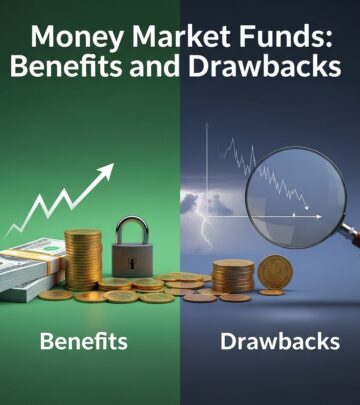
Money market funds offer several compelling advantages for conservative investors. Safety represents the primary benefit, as these funds invest exclusively in high-quality, short-term securities from creditworthy issuers. Liquidity is another significant advantage, with most funds allowing daily redemptions at net asset value without penalty charges.
Additionally, money market funds provide competitive yields that often exceed savings accounts and certificates of deposit while maintaining comparable safety profiles. The diversification across multiple securities and issuers reduces concentration risk. Furthermore, the low expense ratios of most money market funds ensure that investors retain a substantial portion of their earnings.
Key Considerations for Investors
Before selecting a money market fund, investors should evaluate several factors. The expense ratio significantly impacts long-term returns, as even small percentage differences compound substantially over time. Minimum investment requirements may eliminate certain options for investors with limited capital. Yield is important, but should never be pursued at the expense of safety or liquidity.
Investors should also consider their tax situation when choosing between taxable and tax-exempt funds. Those in higher tax brackets may benefit from municipal funds, while lower-income individuals typically receive better after-tax returns from taxable funds. The fund’s asset base provides insight into liquidity, with larger funds generally offering better execution on daily transactions.
Frequently Asked Questions
Q: What is the difference between money market funds and money market accounts?
A: Money market funds are mutual funds investing in short-term securities, while money market accounts are bank deposit accounts. Bank accounts typically carry FDIC insurance up to $250,000, whereas money market funds do not carry deposit insurance. However, money market funds have historically provided competitive or superior yields.
Q: How do expense ratios affect my returns?
A: Expense ratios represent the annual cost of operating the fund, expressed as a percentage of assets. A 0.11% expense ratio costs $11 annually per $10,000 invested, while a 0.48% ratio costs $48. Over decades, these small differences create substantial variations in cumulative returns.
Q: Can money market funds lose value?
A: While extremely rare, money market funds theoretically can “break the buck” if securities decline significantly in value. However, regulatory safeguards and conservative investment practices make this scenario exceptionally unlikely in modern times.
Q: How often do yields change?
A: Money market fund yields fluctuate daily based on portfolio holdings and prevailing interest rates. As existing securities mature, fund managers reinvest proceeds at current market rates, causing yields to adjust frequently.
Q: Are money market funds suitable for long-term investing?
A: While not ideal for long-term accumulation due to relatively modest returns, money market funds work well as a core cash position within diversified portfolios. They’re better suited for near-term needs or emergency reserves.
Q: How do I redeem shares from a money market fund?
A: Most money market funds allow daily redemptions through your brokerage or financial institution. Proceeds typically settle within one to three business days, depending on the fund’s policies and your account type.
Conclusion
Money market funds represent an excellent option for conservative investors seeking safety, liquidity, and competitive yields. The six funds highlighted—Vanguard Federal, Schwab Value Advantage, Invesco Government, JPMorgan Prime, Fidelity Money Market, and Vanguard Municipal—offer compelling choices across different investor preferences and circumstances. By carefully evaluating yield, expense ratios, fund assets, and minimum investment requirements, investors can select the money market fund best suited to their financial goals and objectives. Whether serving as an emergency fund, cash reserve, or temporary holding area for assets awaiting investment, money market funds provide reliable vehicles for preserving capital while earning modest but meaningful returns.
References
- 6 Best Money Market Funds in 2025 — Bankrate. 2025-11-12. https://www.bankrate.com/investing/best-money-market-funds/
- 10 Best Low-Risk Investments In 2025 — Bankrate. 2025. https://www.bankrate.com/investing/low-risk-investments/
- 10 Best Investments For 2025 — Bankrate. 2025. https://www.bankrate.com/investing/best-investments/
- U.S. Securities and Exchange Commission: Money Market Funds — SEC. https://www.sec.gov/investor/pubs/moneymarket.htm
- Investment Company Institute: Money Market Funds — ICI. https://www.ici.org/research/stats/mmf
Similar Articles








Read full bio of Sneha Tete