Best Money-Making Apps To Boost Your Income
Discover the top money-making apps to earn extra cash, save more, and grow your income right from your phone.
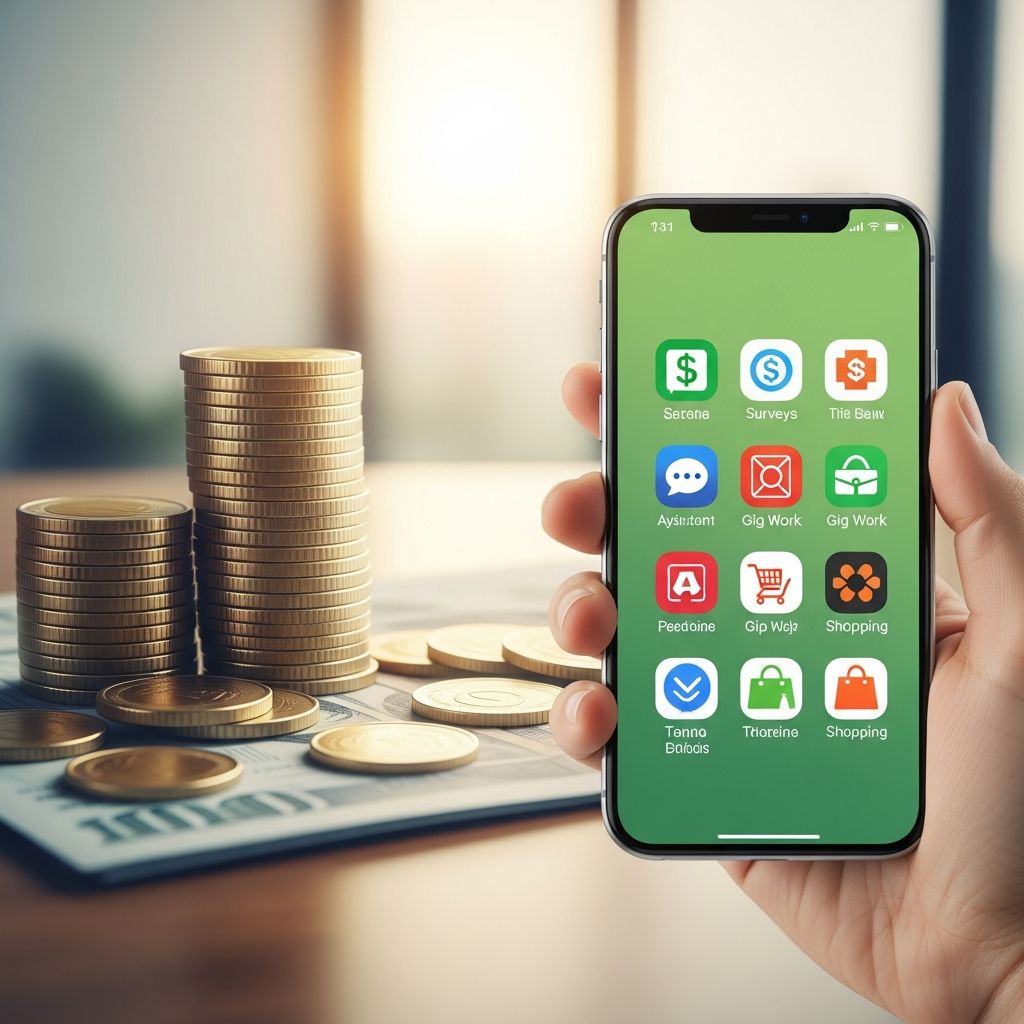
Money-making apps can help you earn extra income in your spare time, using tools you already have—like your smartphone and internet connection. From survey apps to cash-back tools and side hustle platforms, there are many ways to put your phone to work.
While these apps will not replace a full-time salary for most people, they can help you pay down debt, increase savings, and fund short-term goals when used strategically. The key is choosing legitimate platforms that align with your skills, schedule, and financial priorities.
What Are Money-Making Apps?
Money-making apps are mobile or web-based platforms that allow you to earn cash, rewards, or other financial benefits by completing tasks, selling items, leveraging your skills, or getting cash back on purchases.
Common ways these apps help you earn include:
- Answering surveys and participating in market research
- Getting cash back or rewards on everyday shopping
- Selling used items, clothes, or handmade products
- Offering services such as driving, deliveries, tutoring, or freelancing
- Automating savings and micro-investing in the background
Because they are generally easy to use and widely accessible, apps can be a practical way to create small but meaningful additional income streams.
How To Choose The Best Money-Making Apps For You
Before downloading every app you find, take time to choose tools that fit your goals and lifestyle. Consider the following factors:
- Legitimacy and security: Look for well-known companies, clear terms, and strong privacy protections. Check whether the app has transparent payout policies and reviews from reputable sources.
- Earning potential: Estimate how much you can realistically earn per hour or month. Many survey and reward apps pay modest amounts, while skill-based and gig apps can provide higher income.
- Time commitment: Decide whether you want occasional small tasks or a more structured side hustle.
- Payout options: Check whether payment is via direct deposit, PayPal, gift cards, or in-app credits, and what the minimum payout threshold is.
- Fees and costs: Avoid apps with high fees, costly subscriptions, or requirements to purchase products upfront.
Always read the fine print and avoid sharing more personal information than necessary. Consider using strong, unique passwords and enabling two-factor authentication when available.
Top Categories Of Money-Making Apps
Money-making apps generally fall into a few major categories. Understanding how each category works can help you choose the best mix for your situation.
| Category | How You Earn | Typical Earning Potential | Best For |
|---|---|---|---|
| Survey & task apps | Answer questions, watch videos, do small tasks | Low per hour | Spare-time earnings |
| Cash-back & rewards apps | Get rebates on shopping and bills | Low–moderate, based on spending | People who shop regularly |
| Gig & side hustle apps | Provide services (driving, delivery, care, etc.) | Moderate–high, depending on time and demand | Flexible side income seekers |
| Selling & reselling apps | Sell used items, clothing, or handmade goods | Varies widely | Decluttering or running a small business |
| Savings & investing apps | Automate saving and investing over time | Wealth growth over the long term | Building long-term financial security |
Survey And Micro-Task Apps
Survey and micro-task apps pay you small amounts of money or points for completing short activities. While they won’t make you rich, they can be a simple way to earn a few extra dollars while watching TV or commuting.
Typical tasks include:
- Taking consumer surveys
- Testing websites or apps
- Watching short videos or ads
- Scanning receipts
Many research organizations use such apps to gather data on consumer preferences and product feedback. Individual earnings are usually modest, but over time small payments can add up.
Tips to maximize survey app earnings:
- Complete your profile accurately to receive more relevant surveys.
- Set a weekly time goal (e.g., 30–60 minutes) rather than checking randomly.
- Cash out rewards regularly to avoid forgetting or losing access.
Cash-Back And Rewards Apps
Cash-back apps allow you to earn money or points when you shop, either in-store or online. Rather than making you money from scratch, they help you keep more of the money you already spend.
Examples of features offered by cash-back or rewards apps include:
- Automatic cash-back on purchases at partner retailers
- Receipt-scanning bonuses
- Coupons and promo codes
- Points redeemable for gift cards or statement credits
According to consumer research from the U.S. Federal Trade Commission, rewards and loyalty programs can meaningfully influence buying decisions and help customers save when used intentionally. However, overspending for the sake of rewards can erase any benefit, so it is important to stick to a planned budget.
Best practices for cash-back apps:
- Use apps only on purchases you would make anyway.
- Compare offers across apps to get the best deal.
- Track rewards and set reminders to redeem them before they expire.
Apps To Sell Items And Declutter
If you have clothing, electronics, furniture, or other items you no longer use, resale apps can help you turn clutter into cash. This is often one of the fastest ways to see a financial benefit, especially when you sell higher-value items.
Common categories of items to sell include:
- Gently used clothing, shoes, and accessories
- Electronics such as phones, tablets, and laptops
- Home decor and furniture
- Books, games, and hobby equipment
Reselling used items supports a circular economy by extending the life of products, which aligns with sustainability goals reported by organizations such as the OECD. It also helps households free up space and recover some of the original cost.
Tips for selling effectively:
- Take clear, well-lit photos showing multiple angles.
- Write honest, detailed descriptions, including measurements and flaws.
- Price competitively by checking similar listings.
- Factor in shipping or platform fees when setting your price.
Side Hustle And Gig Apps
Gig and side hustle apps connect you with people who need services such as rides, deliveries, home projects, tutoring, or childcare. These platforms can offer more substantial earning potential than survey or reward apps, especially when you have in-demand skills and can commit consistent time.
Examples of service types include:
- Driving and delivery services
- House cleaning, organizing, and handyman work
- Pet sitting, dog walking, and house sitting
- Virtual assistance, design, writing, and tech support
- Online tutoring and teaching
Research on the gig economy by the International Labour Organization notes that digital labor platforms can expand work opportunities, but also stresses the importance of understanding pay structures and costs such as fuel, equipment, and self-employment taxes.
Ways to succeed on gig apps:
- Track your effective hourly rate after expenses like gas or supplies.
- Start with a clear schedule so you do not overcommit.
- Provide excellent customer service to earn positive reviews.
- Explore multiple platforms to reduce reliance on a single app.
Freelancing And Skill-Based Apps
If you have marketable skills—such as writing, graphic design, coding, bookkeeping, or social media management—freelancing apps can help you find clients and projects. These apps often offer higher earning potential than simple task apps because they are based on specialized skills.
Typical freelance work includes:
- Content writing, editing, and copywriting
- Graphic design and branding
- Web development and technical support
- Marketing, social media management, and advertising
- Business consulting, coaching, and administrative support
Skill-based freelancing can become a long-term income stream or even a full-time business with the right client base and pricing strategy.
Freelance app success tips:
- Build a strong profile highlighting your best work and results.
- Start with smaller projects to gather reviews, then raise your rates.
- Clarify scope, deadlines, and payment terms before starting any project.
- Use contracts and invoicing tools to protect your time and income.
Apps That Help You Earn On Your Schedule
One of the biggest advantages of money-making apps is flexibility. You can often choose when and how often you work, making these tools ideal for people with busy schedules, caregiving responsibilities, or other commitments.
Flexible earning apps are particularly useful if you:
- Have young children or family members to care for
- Work irregular hours and want to earn in your free windows
- Are a student looking to work around classes
- Want to test a side hustle before committing fully
However, it is still important to plan your time. Time management research shows that allocating specific blocks for focused work can improve productivity and reduce burnout.
Saving And Investing Apps That Grow Your Money
Not all financial apps pay you directly for tasks or services. Some help you build wealth over time by automating saving and investing. While these do not provide immediate cash, they are powerful tools for long-term financial health.
Common features include:
- Automatic transfers to savings accounts
- Round-up features that invest your spare change
- Low-cost access to diversified investment portfolios
- Goal tracking (emergency fund, vacation, home down payment)
Data from the U.S. Securities and Exchange Commission highlights that investing early and regularly, even in small amounts, can significantly increase wealth over time due to compound returns. Apps that encourage consistent saving and diversified investing can support these habits.
How to use savings and investing apps wisely:
- Start with a clear goal, like building a three- to six-month emergency fund.
- Focus on low-cost, diversified investments rather than frequent trading.
- Review your risk level and timeline before choosing investment options.
- Check fees and expense ratios so they do not erode your returns.
Pros And Cons Of Using Money-Making Apps
Before you commit time and energy to various platforms, it is helpful to understand the main benefits and drawbacks.
| Pros | Cons |
|---|---|
|
|
How To Make The Most Of Money-Making Apps
To maximize the benefits of money-making apps and protect your time, approach them with a clear plan.
1. Set specific financial goals
Decide what you want your extra income to do, such as:
- Paying off a specific debt
- Building an emergency fund
- Saving for a vacation or special purchase
- Investing for retirement or other long-term goals
Having a purpose makes it easier to stay motivated and avoid spending the money impulsively.
2. Track your time and earnings
Monitor how much you earn per hour on each app, especially for tasks and gig work. If a platform is paying less than your target rate, consider switching to higher-value activities.
3. Automate your savings from app income
When possible, route a percentage of what you earn into savings or investment accounts. Even small automatic transfers can make a difference over time.
4. Prioritize safety and privacy
- Use strong, unique passwords and enable multi-factor authentication.
- Avoid apps that request unnecessary permissions or sensitive data.
- Be cautious when meeting buyers or clients in person; choose public locations and share your plans with someone you trust.
Are Money-Making Apps Worth It?
Money-making apps can be worthwhile when they support your financial goals without overwhelming your schedule or mental energy. They are most effective when:
- You view them as one part of your overall money strategy, not a substitute for long-term career and income growth.
- You focus on higher-value opportunities where possible.
- You manage your time and avoid burnout.
- You consistently direct earnings toward savings, debt payoff, or investments.
Research on household finances suggests that growing income, reducing high-interest debt, and building savings are all critical to long-term financial security. Used strategically, money-making apps can support these goals, especially when combined with budgeting, education, and career development.
Frequently Asked Questions (FAQs)
Q: Can money-making apps replace a full-time income?
A: For most people, money-making apps are best viewed as a source of supplemental income rather than a full-time salary. Gig and freelance apps can sometimes provide higher earnings, but they may also involve variable demand, expenses, and lack of benefits.
Q: Are money-making apps safe to use?
A: Many established apps are safe when used carefully, but it is important to review privacy policies, read user reviews, and avoid sharing sensitive information. Use strong passwords, update your apps regularly, and be wary of platforms that make unrealistic earnings claims.
Q: How much money can I realistically make from these apps?
A: Earnings vary widely by app and effort. Survey and cash-back apps usually generate small amounts, while gig and freelance platforms can offer more substantial income if you have in-demand skills, manage your time well, and account for costs and taxes.
Q: Do I have to pay taxes on the money I earn from apps?
A: In many countries, income from gig work, freelancing, and selling items for a profit is taxable. In the United States, for example, the Internal Revenue Service requires individuals to report income from side jobs and self-employment. Consult official tax guidance or a qualified tax professional for rules in your location.
Q: How do I avoid scams when looking for money-making apps?
A: Be cautious of apps that demand upfront payments, guarantee large earnings with little effort, or pressure you to recruit others. Check whether the company is transparent about how it makes money, search for independent reviews, and rely on recommendations from trusted financial education sources.
References
- Consumer Information: Protecting Your Privacy Online — Federal Trade Commission. 2022-06-01. https://consumer.ftc.gov/articles/how-protect-your-privacy-online
- The Economics of Platforms, Work and Social Interaction — OECD. 2021-05-18. https://www.oecd.org/going-digital/topics/economics-of-platforms-work-and-social-interaction/
- Business Models for the Circular Economy — OECD. 2019-10-24. https://www.oecd.org/environment/business-models-for-the-circular-economy.htm
- The Role of Digital Labour Platforms in Transforming the World of Work — International Labour Organization. 2021-02-23. https://www.ilo.org/global/publications/books/WCMS_771749/lang–en/index.htm
- Investor.gov: Compound Interest — U.S. Securities and Exchange Commission. 2023-03-15. https://www.investor.gov/financial-tools-calculators/compound-interest-calculator
- Gig Economy Tax Center — Internal Revenue Service. 2024-01-10. https://www.irs.gov/businesses/gig-economy-tax-center
Similar Articles








Read full bio of medha deb