Best Micro-Investing Apps: Start Small, Build Wealth
Discover top micro-investing apps to grow wealth with small amounts of money.
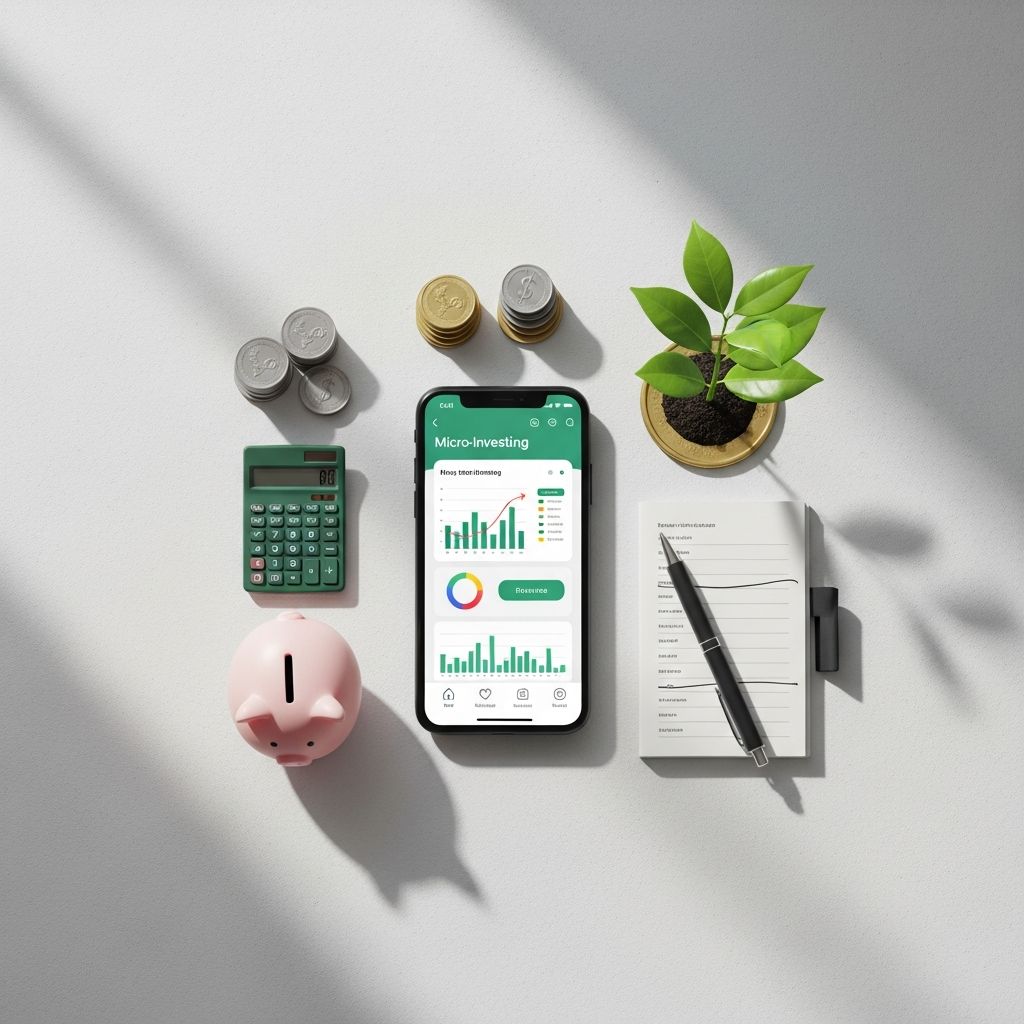
Understanding Micro-Investing and Its Benefits
Micro-investing has revolutionized the way individuals approach wealth building, making it possible for anyone to start investing with minimal capital. Rather than requiring thousands of dollars upfront, micro-investing apps enable users to begin their investment journey with just a few dollars. This democratization of investing has opened doors for younger investors, those with limited disposable income, and anyone seeking to build consistent investment habits without the intimidation factor of traditional brokerage accounts.
The appeal of micro-investing extends beyond affordability. Many micro-investing platforms offer user-friendly interfaces, educational resources, and automated features that remove barriers to entry and reduce the complexity traditionally associated with stock market investing. Whether through round-up features that invest spare change from everyday purchases or recurring automated deposits, these apps make wealth accumulation accessible and manageable.
Top Micro-Investing Apps for 2025
Stash: Best for Hands-On Investors
Stash stands out as an excellent choice for investors who want hands-on control over their portfolios while maintaining the option for automation. The platform offers both DIY and automated investing capabilities, providing flexibility for different investment styles and experience levels.
Key Features:
- Access to more than 3,000 ETFs and individual stocks
- Round-up feature for spare change investing
- Recurring deposit options
- IRA account access
- Integrated bank account functionality
- Themed investment options (AI, video games, renewable energy)
Stash offers two subscription tiers: the Growth account at $3 per month, which functions like a robo-advisor for those preferring a hands-off approach, and the Stash+ tier at $9 monthly, offering enhanced features including access to custodial accounts for children, higher rewards through the Stock-Back Card, and $10,000 in life insurance coverage.
SoFi Active Invest: Best for No-Commission Investing
SoFi (Social Finance) has become increasingly popular among micro-investors due to its comprehensive approach to personal finance management. Unlike platforms that focus solely on investing, SoFi integrates investment services with banking, loans, insurance, and mortgage options in a single ecosystem.
Key Features:
- No account minimums—start with as little as $5
- Zero commission trading
- No monthly fees
- Access to financial advisors
- Fractional shares for expensive stocks
- Wide range of stocks and ETFs
- Financial planning tools and educational resources
- Optional SoFi Plus subscription ($10/month) for enhanced benefits
SoFi’s commitment to financial education and community building sets it apart. Users gain access to educational articles, webinars, and personalized financial advice, making it ideal for beginners seeking guidance while building their investment knowledge.
Acorns: Best for Beginners
Acorns caters specifically to investors seeking a completely hands-off, automated approach to investing. The platform functions as a robo-advisor, eliminating decision fatigue for those new to investing or those without time to manage investments actively.
Key Features:
- Automated spare change round-ups
- Five pre-made portfolio options based on risk tolerance
- Recurring transfer capabilities (daily, weekly, or monthly)
- Acorns Earn program generating “found money” through partner shopping
- Access to Acorns Checking account
- Diversified portfolios with low-cost ETFs
- No minimum deposit requirement
The Acorns Earn feature is particularly innovative, allowing users to earn cash back from 350+ business partners. For example, users might earn 25 cents invested for each GrubHub order or 5% invested on Groupon purchases. At $3 per month, Acorns represents an excellent value for beginners seeking completely automated investing.
Interactive Brokers: Best for Cost-Conscious Investors
Interactive Brokers appeals to micro-investors prioritizing low costs and sophisticated tools. The platform eliminates traditional barriers with no account minimums and competitive commission rates, making it accessible for small-scale investors.
Key Features:
- No account minimums
- Competitive commission rates
- Comprehensive analytical tools
- User-friendly mobile app
- Extensive educational resources
- Advanced trading capabilities
The platform empowers investors to make informed decisions through its suite of analytical tools and educational content, while the intuitive interface ensures accessibility for users managing investments on the go.
Webull: Best for Active Traders and Learners
Webull provides a comprehensive platform combining real-time market data with educational resources and advanced trading features, making it suitable for micro-investors interested in developing their trading skills.
Key Features:
- Real-time market data and advanced charting tools
- Customizable watchlists
- Paper trading for risk-free practice
- Extended trading hours (pre- and after-market)
- Preset lists and voice commands
- 24/7 online support
- Educational resources and community forums
The paper trading feature deserves particular attention—it allows beginners to practice trading strategies using virtual money without financial risk, building confidence before deploying real capital.
Robinhood: Best for Accessibility and Affordability
Robinhood pioneered commission-free trading and continues to appeal to micro-investors seeking minimal barriers to entry. The platform’s fractional shares feature directly supports micro-investing by allowing users to purchase portions of expensive stocks.
Key Features:
- Fractional shares enabling small investments in high-priced stocks
- Commission-free trading
- Intuitive user interface
- Ability to start with just a few dollars
- Educational resources and community support
By eliminating traditional barriers like high fees and complex trading processes, Robinhood enables micro-investing accessibility that particularly appeals to younger investors and those preferring regular small-amount investments.
Public: Best for Community-Focused Investing
Public distinguishes itself through social and community features alongside traditional investing tools, creating a more engaging experience for those seeking connection with other investors.
Key Features:
- Community and social trading features
- AI-powered summaries and asset recaps
- Cryptocurrency investment options
- Alternative assets access
- Commission-free trading
However, potential users should note that Public does not offer mutual funds or custodial accounts, which may affect its suitability depending on specific investment goals.
Comparing Micro-Investing Apps: Key Metrics
| App | Best For | Minimum Account | Fees | Ease of Use |
|---|---|---|---|---|
| Stash | Hands-on investors | $0 | $3-$9/month | Very Easy |
| SoFi Active Invest | No-commission investing | $0 ($5 minimum to invest) | $0 | Very Easy |
| Acorns | Beginners | $0 | $3-$9/month | Very Easy |
| Interactive Brokers | Cost-conscious investors | $0 | Competitive rates | Moderate |
| Webull | Active learners | $0 | Free to premium tiers | Moderate |
| Robinhood | Affordability seekers | $0 | $0 | Very Easy |
| Public | Community investors | $0 | $0 | Very Easy |
Key Features to Look For in Micro-Investing Apps
Automated Investing Capabilities
The best micro-investing apps offer automation features that remove emotional decision-making from the equation. Recurring deposit options, round-up features, and robo-advisor functionality enable consistent investing regardless of market conditions or personal motivation levels. This systematic approach builds wealth over time through dollar-cost averaging.
Low Fees and Commissions
Fee structures significantly impact investment returns over time. Many modern micro-investing platforms offer commission-free trading and low (or zero) monthly fees. When comparing options, examine whether accounts have monthly maintenance fees, trading commissions, or percentage-based advisory fees that could erode returns on small accounts.
Educational Resources
Quality educational content helps beginners understand investment fundamentals, reduce anxiety, and make informed decisions. Look for platforms offering webinars, articles, tutorials, and community forums where users can learn and ask questions.
Portfolio Customization
Choose between platforms offering pre-made portfolios for simplicity or those providing access to thousands of individual securities for those wanting more control. Some investors benefit from themed investing options aligned with personal values or interests.
Mobile Experience
Since micro-investing emphasizes convenience and accessibility, a high-quality mobile app with intuitive navigation, real-time notifications, and account management features becomes essential for active users.
Getting Started with Micro-Investing
Beginning your micro-investing journey involves several straightforward steps. First, identify which app aligns best with your investment style, goals, and comfort level. Second, download the app and complete the account setup process, which typically takes just a few minutes. Third, fund your initial account—many platforms accept transfers from your bank account with no minimum requirements. Finally, select your investment strategy, whether that means choosing a pre-made portfolio, setting up automated round-ups, or manually selecting individual securities.
Consistency matters more than account size when building wealth through micro-investing. Regular contributions, even small ones, leverage compound growth over extended periods. Taking advantage of features like recurring deposits and round-ups ensures you maintain investment discipline without requiring active decision-making.
Important Considerations Before Investing
Before selecting a micro-investing app, ensure the platform aligns with your specific circumstances. Consider your investment timeline, risk tolerance, financial goals, and whether you prefer active or passive investing. Additionally, verify that the platform offers the specific investment types you want, whether stocks, ETFs, bonds, or cryptocurrencies.
Understand fee structures completely—even seemingly small monthly fees can significantly impact returns on micro-investment accounts over decades. Compare total costs across platforms rather than selecting based solely on one factor.
Finally, remember that while micro-investing apps lower financial barriers to entering investment markets, they do not eliminate investment risk. Markets fluctuate, and past performance does not guarantee future results. Investing always carries the possibility of losses, particularly over short time horizons.
Frequently Asked Questions
Q: What is the minimum amount required to start micro-investing?
A: Most micro-investing apps require no account minimum to open an account, though some have minimum investment amounts (like SoFi’s $5 minimum). Many apps let you invest amounts as small as $1 through fractional shares or round-up features.
Q: Are micro-investing apps safe?
A: Reputable micro-investing apps are regulated by the SEC and other financial authorities. Your investments are protected through standard brokerage safeguards, and cash deposits are typically insured through FDIC coverage up to $250,000.
Q: How much can I earn through micro-investing?
A: Returns depend on market performance, your investment mix, and time horizon. While small initial investments grow slowly, compound growth becomes powerful over decades. Historical stock market returns average approximately 10% annually, though actual results vary yearly.
Q: Can I withdraw my money anytime?
A: Most micro-investing apps allow withdrawals at any time, typically processing within 1-5 business days. However, remember that withdrawing from retirement accounts (IRAs) before age 59½ generally triggers penalties and taxes.
Q: Is micro-investing good for beginners?
A: Yes, micro-investing apps are specifically designed for beginners. They offer low entry costs, educational resources, automated features, and user-friendly interfaces that reduce the intimidation factor of traditional investing platforms.
Q: What’s the difference between round-ups and recurring deposits?
A: Round-ups automatically invest spare change from debit card transactions (rounding purchases to the nearest dollar). Recurring deposits involve scheduled automatic transfers from your bank account on a set schedule (daily, weekly, or monthly).
Q: Do micro-investing apps offer tax advantages?
A: Many platforms offer access to individual retirement accounts (IRAs) that provide tax advantages. Traditional IRAs offer tax-deductible contributions, while Roth IRAs provide tax-free growth and withdrawals in retirement.
References
- 5 Micro Investing Apps to Consider — SmartAsset. 2025. https://smartasset.com/investing/micro-investing-apps-to-consider
- 4 Best Micro-Investing Apps of 2025: Stash, SoFi, Acorns, Public — The Penny Hoarder. 2025. https://www.thepennyhoarder.com/investing/best-micro-investing-apps/
- Best Investment Apps For Beginners In 2025 — Business Insider. 2025. https://www.businessinsider.com/personal-finance/investing/best-investment-apps-for-beginners
- 7 Best Micro-Investing Apps [Small Investment Apps] — Nasdaq. 2025. https://www.nasdaq.com/articles/7-best-micro-investing-apps-small-investment-apps
- Micro-Investing: What It Is and How to Get Started — NerdWallet. 2025. https://www.nerdwallet.com/investing/learn/micro-investing
Similar Articles








Read full bio of medha deb