40 Life Skills Everyone Should Learn For Independence
Master these 40 essential life skills to thrive in every aspect of your personal and professional life, from finances to relationships.
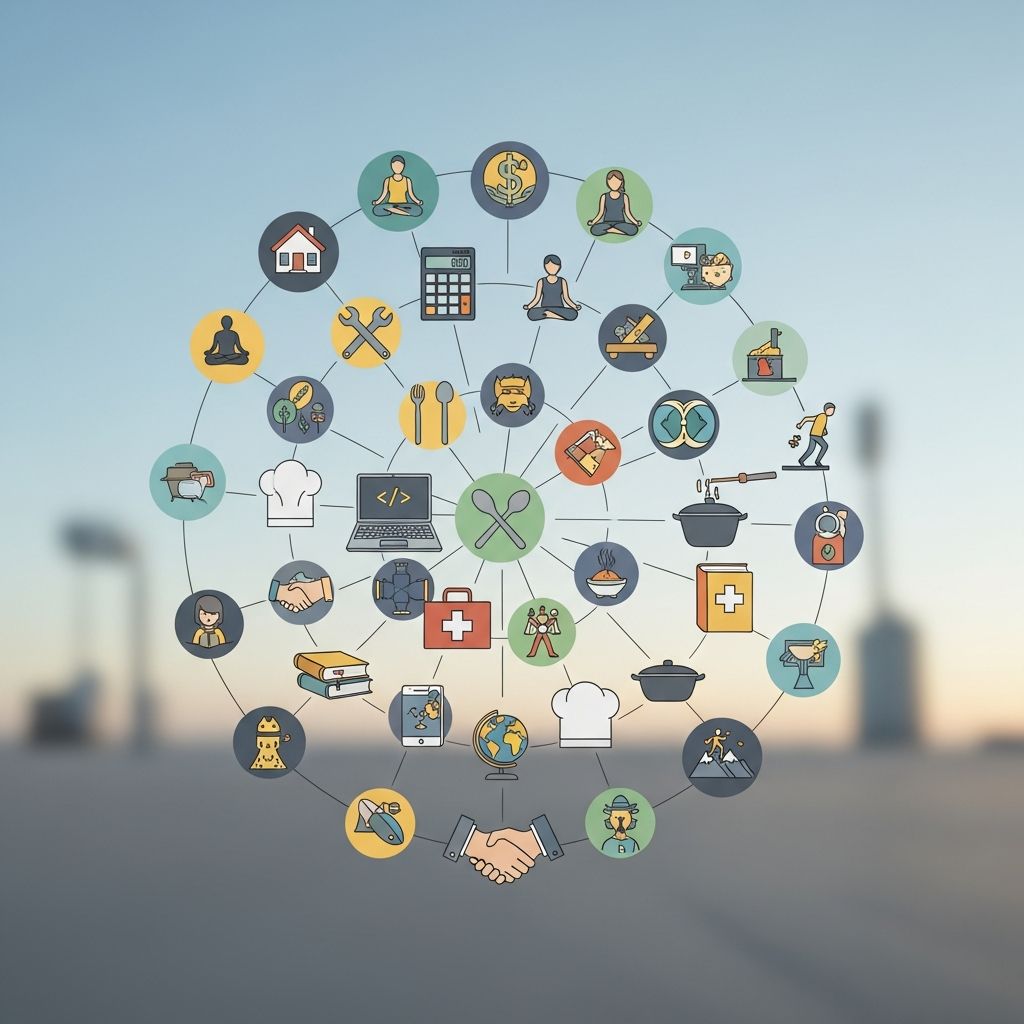
Life throws countless challenges our way, but possessing a core set of practical skills can make all the difference. Whether you’re a young adult stepping into independence or someone looking to refine your abilities, mastering these 40 life skills equips you to handle finances, health emergencies, relationships, home repairs, and daily tasks with confidence. These aren’t just nice-to-haves—they’re foundational tools for self-reliance, saving money, and building meaningful connections. Drawn from timeless wisdom and modern necessities, this comprehensive guide breaks them down into key categories for easy learning and application.
Financial Literacy Skills (10 Essential Money Skills)
Managing money effectively is the cornerstone of financial freedom. Only about one-third of people maintain a detailed budget, yet it’s the first step to controlling your finances rather than letting them control you.
- Budgeting: Track income and expenses monthly. Use apps or spreadsheets to categorize spending and adjust for unexpected costs. This skill prevents overspending and builds savings habits.
- Negotiating: Practice haggling for salaries, bills, or purchases. Skilled negotiators save thousands annually by not accepting the first offer.
- Distinguishing Needs vs. Wants: Prioritize essentials like housing over luxuries. This discipline curbs impulse buys and promotes mindful consumption.
- Maintaining Favorable Interest Rates: Monitor credit cards and loans for low rates. Balance transfers can save significant interest over time.
- Investing Basics: Start with low-cost index funds. Regular contributions leverage compound interest for long-term wealth growth.
- Bargain Hunting: Compare prices, use coupons, and shop sales. Combine with choosing quality over cheapest to maximize value.
- Reusing and Repurposing: Turn old items into new uses, like clothing repairs or DIY furniture. This reduces waste and cuts costs.
- DIY Repairs: Learn basic fixes like patching walls or changing oil to avoid service fees and gain satisfaction.
- Saying No: Politely decline unnecessary commitments or purchases to protect time and money.
- Tracking Net Worth: Calculate assets minus liabilities quarterly. This motivates progress toward financial goals.
According to financial experts, consistent budgeting and investing can transform modest savings into substantial wealth over decades.
Cooking and Nutrition Skills (8 Ways to Eat Well on a Budget)
Home cooking saves money and improves health. Mastering these skills means nutritious meals without restaurant prices.
- Basic Knife Skills: Chop, dice, and julienne safely to prep ingredients efficiently.
- Cooking Staples: Boil pasta, rice, eggs, and proteins perfectly every time.
- Meal Prepping: Batch-cook for the week to save time and reduce waste.
- Reading Nutrition Labels: Identify sugars, sodium, and allergens for healthier choices.
- Seasoning and Flavoring: Use herbs, spices, and acids to elevate simple dishes.
- Baking Basics: Make bread, cookies, or cakes from scratch for fun and savings.
- Food Safety: Store, thaw, and reheat properly to prevent illness.
- Budget Grocery Shopping: Plan lists, buy seasonal produce, and avoid impulse aisles.
| Meal Type | Home Cooked Cost | Takeout Cost | Weekly Savings |
|---|---|---|---|
| Lunch (5 days) | $15 | $50 | $35 |
| Dinner (7 days) | $35 | $105 | $70 |
| Total | $50 | $155 | $105 |
Cooking at home can cut food expenses by 50% or more while boosting nutrition control.
Home Maintenance and DIY Skills (7 Fixes for Self-Sufficiency)
You don’t need to call a pro for every issue. These skills prevent small problems from becoming expensive repairs.
- Unclogging Drains: Use plunger, baking soda/vinegar, or snake tools safely.
- Changing Light Fixtures: Turn off power, wire correctly, and secure mounts.
- Basic Plumbing: Fix leaky faucets, replace washers, and seal pipes.
- Painting Walls: Prep surfaces, tape edges, and apply even coats.
- Changing Locks: Remove old, install new deadbolts for security.
- Yard Care: Mow, trim hedges, and plant basics seasonally.
- Appliance Troubleshooting: Reset, clean filters, and identify when to call help.
DIY saves an average household $1,000+ yearly on minor repairs.
Health and First Aid Skills (5 Lifesaving Know-Hows)
Emergencies don’t wait for ambulances. Be prepared to act.
- CPR and AED Use: Perform chest compressions and defibrillate per Red Cross guidelines.
- Wound Care: Clean, dress, and monitor cuts to prevent infection.
- Recognizing Strokes/Heart Attacks: Use FAST test (Face, Arms, Speech, Time) and call 911.
- Basic Medication Management: Track dosages, interactions, and expirations.
- Mental Health First Aid: Listen actively and connect to resources during crises.
The American Heart Association emphasizes CPR training doubles survival rates in cardiac arrests.
Social and Communication Skills (5 Keys to Better Relationships)
Success hinges on people skills as much as technical ones.
- Active Listening: Paraphrase to confirm understanding and build trust.
- Public Speaking: Structure talks with clear opens, bodies, closes.
- Conflict Resolution: Stay calm, use ‘I’ statements, seek win-win solutions.
- Networking: Follow up meaningfully after meetings.
- Assertiveness: Express needs respectfully without aggression.
Digital and Tech Skills (5 Modern Essentials)
- Online Security: Use strong passwords, 2FA, and recognize phishing.
- Basic Coding: Learn HTML/CSS or Python for automation.
- Digital Literacy: Spot fake news and verify sources.
- Cloud Storage/Backup: Sync files across devices securely.
- Video Conferencing Etiquette: Professional setup and engagement.
Professional and Career Skills (5 Boosters)
- Time Management: Prioritize with Eisenhower Matrix.
- Resume Writing: Tailor to jobs with quantifiable achievements.
- Interviewing: Research companies, practice STAR responses.
- Goal Setting: SMART goals (Specific, Measurable, Achievable, Relevant, Time-bound).
- Lifelong Learning: Dedicate time weekly to new skills.
Survival and Emergency Skills (5 Critical Ones)
- Fire Starting: Matches, lighters, or friction methods.
- Basic Navigation: Compass, maps, stars.
- Shelter Building: Tarp setups or debris huts.
- Water Purification: Boil, filter, or tablets.
- Self-Defense Basics: Awareness and simple techniques.
These skills ensure preparedness for unexpected events.
Frequently Asked Questions (FAQs)
Q: Why learn these 40 life skills now?
A: They build independence, save money, boost confidence, and prepare you for life’s unpredictabilities at any age.
Q: How long to master all 40 skills?
A: Varies; dedicate 1-2 hours weekly per skill. Many overlap, accelerating progress over 6-12 months.
Q: Where to start if overwhelmed?
A: Prioritize financial and cooking skills—they yield quickest financial and health returns.
Q: Are these skills relevant for kids/teens?
A: Absolutely; start early for lifelong habits, adapting complexity by age.
Q: Can these skills improve career prospects?
A: Yes, especially communication, tech, and professional skills valued by employers.
References
- 12 Personal Finance Skills Everyone Should Master — Wise Bread. 2010-05-12. https://www.wisebread.com/12-personal-finance-skills-everyone-should-master
- 30 Steps to Financial Wellness — CommunityAmerica Credit Union. 2021-04-22. https://www.communityamerica.com/blog/2021/04/22/30-steps-to-financial-wellness
- Financial Literacy: What We Should Have Learned In College — Align Financial. 2023-01-01. https://www.align.financial/what-we-should-have-learned-in-college/
- Best Money Tips: Principles for Better Money Management — Wise Bread. 2015-06-15. https://www.wisebread.com/best-money-tips-principles-for-better-money-management
- American Heart Association CPR Facts — American Heart Association. 2025-10-01. https://cpr.heart.org/en/resources/what-is-cpr
Similar Articles








Read full bio of Sneha Tete