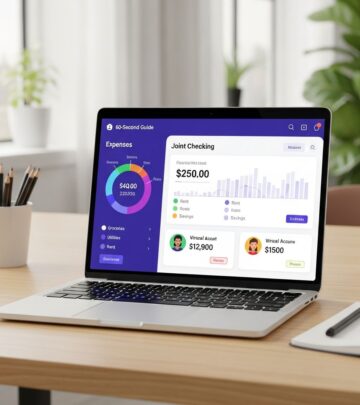
Best Joint Checking Accounts for Couples and Families
Compare top joint checking accounts designed for couples and families to manage finances together.

Managing finances as a couple or family requires a reliable banking solution that offers transparency, convenience, and favorable terms. A joint checking account allows multiple account holders to access funds, make deposits, and monitor spending from a single shared account. Whether you’re newlyweds combining finances or parents managing family expenses, finding the right joint checking account is essential for financial harmony and efficiency.
What Is a Joint Checking Account?
A joint checking account is a bank account owned and managed by two or more people simultaneously. Each account holder has equal access to the funds and can make withdrawals, deposits, and financial decisions without requiring permission from other account owners. Joint accounts are commonly used by married couples, domestic partners, parents and adult children, or business partners who need to share financial resources.
With a joint checking account, all parties have full ownership rights and responsibilities. This means each account holder is legally liable for overdrafts and account management, regardless of who actually initiated transactions. Understanding the implications of joint account ownership is crucial before opening one.
Top Joint Checking Accounts
NBKC Bank Everything Account
NBKC Bank’s Everything Account stands out as an excellent choice for couples and families seeking competitive interest rates without excessive requirements. This online-only account offers a strong annual percentage yield of 1.75% on all balances, with no minimum deposit needed to open the account. The account comes with no monthly service charges or overdraft fees, making it budget-friendly for joint account holders.
One of the primary advantages of NBKC Bank is its extensive ATM access. Account holders enjoy fee-free access to over 90,000 ATMs nationwide, plus monthly ATM fee reimbursements of up to $12 per month. This makes it convenient for couples who may frequent different locations and need reliable cash access without penalties.
SoFi Checking and Savings
SoFi offers a modern banking solution combining checking and savings functionality in one account. With an APY of 0.50% and no monthly fees, SoFi is designed for couples who want a contemporary banking experience. The account features no minimum balance requirements, making it accessible to account holders at any financial stage.
SoFi provides competitive sign-up bonuses for new customers, typically offering up to $300 when meeting specific deposit requirements. The platform is known for its user-friendly mobile app and excellent customer service, making it ideal for tech-savvy couples who prefer managing finances digitally.
Capital One 360 Checking
Capital One 360 Checking earns a top-tier Bankrate score of 5.0/5 and is recognized as a leader in checking account bonuses. This account offers a modest 0.10% APY but compensates with an attractive bonus of up to $250 for new customers meeting deposit requirements. With zero monthly maintenance fees and no minimum deposit requirements, Capital One 360 is accessible to all couples regardless of their starting balance.
The account includes comprehensive overdraft protection options and 24/7 customer service support. Capital One’s extensive branch network and ATM partnerships provide couples with convenient access to their funds throughout the country.
Ally Bank Spending Account
Ally Bank’s Spending Account carries a perfect 5.0/5 Bankrate rating and is trusted by millions of Americans for joint financial management. The account offers a 0.10% APY with no monthly service fees or minimum balance requirements. Ally is particularly known for its exceptional customer service and user-friendly online and mobile banking platforms.
Ally provides unlimited transactions and fee waivers on most banking activities. For couples valuing customer support and ease of use over high interest rates, Ally represents a dependable choice for managing joint finances.
Bask Bank Interest Checking
Bask Bank’s Interest Checking account delivers a competitive 1.00% APY on all balances without any monthly maintenance fees. The account requires no minimum deposit to open, though it may be closed if not funded within 15 days. Through January 2026, Bask Bank offers sign-up bonuses of up to $300 for qualifying new customers.
Customers enjoy access to a large fee-free ATM network with refunds on ATM surcharges, providing flexibility for couples managing cash withdrawals. The combination of decent interest rates and bonus incentives makes Bask Bank an attractive option for those opening joint accounts.
American Express Rewards Checking
American Express Rewards Checking delivers a 1.00% APY with exceptional customer service, earning a 4.9/5 NerdWallet rating. The account is designed for couples who appreciate rewards and premium service. With no monthly fees and competitive features, it appeals to financially engaged couples seeking comprehensive banking solutions.
The account integrates American Express benefits and customer service excellence, making it particularly attractive for couples already embedded in the American Express ecosystem or seeking premium banking experiences.
Connexus Credit Union Xtraordinary Checking
For couples seeking the highest interest rates available, Connexus Credit Union’s Xtraordinary Checking account offers an impressive 5.00% APY with no minimum balance requirements. This exceptional rate significantly outpaces traditional checking accounts, making it ideal for couples wanting their everyday account to generate meaningful interest income.
Credit union membership offers a community-oriented banking experience with personalized service. Connexus provides comprehensive checking features while maintaining the cooperative benefits associated with credit union banking.
Key Features to Consider in Joint Checking Accounts
Interest Rates and APY
Joint checking accounts vary significantly in their annual percentage yields, ranging from 0.10% to 5.00% depending on the financial institution. Couples maintaining substantial balances should prioritize accounts offering higher APY to maximize earnings on their everyday spending account. Online-only banks and credit unions typically offer more competitive rates than traditional brick-and-mortar institutions.
Monthly Fees and Charges
Most modern joint checking accounts eliminated monthly maintenance fees to remain competitive. However, couples should verify specific fee structures, including overdraft fees, excessive transaction fees, and minimum balance requirements. Some banks charge fees if balances fall below minimum thresholds, which can affect couples with variable income or spending patterns.
ATM Access and Network
Convenient ATM access is crucial for joint account holders who may need cash in different locations. Banks offering nationwide ATM networks or reimbursing out-of-network fees provide superior convenience. Couples should verify ATM availability in their regular locations and travel destinations before opening an account.
Digital Banking Tools
Modern joint checking accounts require robust online and mobile banking platforms enabling couples to monitor shared finances, set spending alerts, and manage transactions collaboratively. Features like shared transaction visibility, customizable spending categories, and joint budgeting tools enhance financial coordination between account holders.
Customer Service Quality
When managing joint finances, responsive customer service becomes invaluable. Couples should prioritize banks offering 24/7 customer support through multiple channels including phone, email, and live chat. Some institutions provide dedicated relationship managers for joint account holders with substantial balances.
Pros and Cons of Joint Checking Accounts
Advantages
Simplified Financial Management: Joint accounts streamline bill payment and expense tracking, allowing couples to see exactly where money goes and maintain unified financial records.
Transparency: All account holders see transactions immediately, reducing misunderstandings about spending and promoting financial honesty within relationships.
Convenience: Either account holder can make deposits or withdrawals without coordinating with their partner, providing flexibility for everyday banking needs.
Unified Budgeting: Couples can work together on shared financial goals using a single account, making it easier to save for major purchases or plan for future expenses.
Disadvantages
Legal Liability: Each account holder bears full responsibility for overdrafts and account obligations, regardless of who caused them. If one partner overspends, the other is equally liable.
Privacy Loss: Couples lose individual financial privacy, as all transactions are visible to every account holder. This may concern those valuing personal spending discretion.
Relationship Complications: Joint accounts can complicate matters if relationships end through separation or divorce, as both parties typically retain equal claim to remaining funds.
Complex Inheritance: Upon one account holder’s death, the surviving account holder may face complications accessing funds or navigating estate regulations, depending on how the account was titled.
Joint Accounts vs. Separate Accounts
Couples must decide whether to maintain joint accounts, separate accounts, or hybrid approaches combining both. Joint accounts work best for couples pooling resources for household expenses, while separate accounts suit those maintaining independent financial lives. Many modern couples adopt hybrid approaches, maintaining joint accounts for shared expenses while keeping individual accounts for personal discretionary spending.
The choice depends on relationship dynamics, income disparity, financial transparency preferences, and how couples approach money management. Some couples find joint accounts foster partnership and accountability, while others prefer maintaining individual autonomy over their finances.
How to Open a Joint Checking Account
Gather Required Documentation
Most banks require both account holders to provide government-issued identification, Social Security numbers, proof of address, and initial deposit funds. Some institutions may request employment verification or additional identity documentation depending on their policies.
Choose Your Institution
Research banks based on fees, interest rates, ATM access, customer service, and digital banking capabilities. Compare multiple institutions before committing to ensure you select an account meeting your couple’s specific needs and preferences.
Complete the Application
Most banks offer online applications completed entirely digitally. Both account holders must apply simultaneously and verify their identities electronically. Some institutions still require in-branch visits or mailed documentation depending on their procedures.
Fund Your Account
After approval, fund your account with the required or desired initial deposit. Most banks accept transfers from existing accounts, checks, or wire transfers. Some offer bonuses for meeting minimum opening deposits within specific timeframes.
Tips for Managing Joint Checking Accounts Successfully
Establish Clear Financial Expectations: Before opening a joint account, couples should discuss their financial values, spending habits, and how they’ll handle money management decisions.
Set Spending Limits: Many couples establish thresholds requiring consultation before making large purchases from the joint account, preserving financial autonomy within agreed boundaries.
Review Statements Regularly: Both account holders should review statements frequently to monitor spending patterns and catch unauthorized transactions or errors promptly.
Maintain Open Communication: Regular discussions about finances prevent surprises and allow couples to adjust spending or savings goals collaboratively as circumstances change.
Use Budgeting Tools: Take advantage of bank-provided budgeting features or third-party apps to track spending categories and progress toward financial objectives.
Frequently Asked Questions About Joint Checking Accounts
Q: What happens to a joint checking account if one account holder passes away?
A: This depends on how the account is titled. In most cases, the surviving account holder retains access to the remaining funds. However, the estate or heirs may have claims on the deceased’s portion depending on state law and the account’s setup. It’s advisable to discuss succession planning with an estate attorney when opening joint accounts.
Q: Can I remove someone from a joint checking account?
A: Yes, but procedures vary by bank. Typically, you must visit the bank in person or contact customer service to remove an account holder. The remaining holder usually assumes full account responsibility. Some banks require all account holders to consent to such changes.
Q: What are the tax implications of joint checking accounts?
A: Joint checking accounts themselves typically have no direct tax implications for couples filing jointly. However, if the account generates interest income exceeding certain thresholds, the bank may issue a 1099-INT form. Consult a tax professional if you have concerns about your specific situation.
Q: Do joint checking accounts affect credit scores?
A: Simply opening a joint checking account doesn’t impact either account holder’s credit score, as banks report accounts but not the account type. However, overdrafts or missed payments could negatively affect credit if reported to credit bureaus.
Q: Can unmarried couples open joint checking accounts?
A: Yes, banks allow any two individuals to open joint accounts regardless of marital status. Domestic partners, business partners, parents and adult children, or friends can establish joint checking accounts by meeting the bank’s identification and verification requirements.
Q: What’s the difference between joint tenants and tenants in common for checking accounts?
A: Joint accounts are typically structured as joint tenants with survivorship rights, meaning the surviving account holder automatically inherits remaining funds upon another holder’s death. Tenants in common arrangements allow for more complex inheritance structures but are less common for checking accounts.
Conclusion
Selecting the best joint checking account for your couple or family requires careful consideration of interest rates, fees, accessibility, and customer service. Whether you prioritize high interest earnings through Connexus Credit Union, competitive rates with NBKC Bank, or comprehensive bonuses through Capital One, numerous excellent options exist in the current banking landscape. The ideal account depends on your unique financial situation, spending patterns, and banking preferences. By understanding the features, benefits, and considerations outlined above, couples can confidently choose a joint checking account that supports their financial goals and relationship dynamics.
References
- Best Checking Accounts of November 2025 — Bankrate. 2025-11-29. https://www.bankrate.com/banking/checking/best-checking-accounts/
- What Is a Joint Bank Account? How It Works and Do You Need One — Bankrate. https://www.bankrate.com/banking/what-is-a-joint-bank-account/
- Should Couples Have a Separate or Joint Bank Account? — Bankrate. https://www.bankrate.com/banking/reasons-for-married-couples-to-consider-separate-bank-accounts/
- 10 Best Checking Accounts for November 2025 — NerdWallet. https://www.nerdwallet.com/banking/best/checking-accounts
- Federal Deposit Insurance Corporation: Deposit Insurance Coverage — FDIC. https://www.fdic.gov/resources/deposit-insurance/
Similar Articles








Read full bio of medha deb