20 Best Jobs For Pregnant Women: Flexible, Low-Impact Work
Discover flexible, low-impact, and realistic job ideas that can support your income and wellbeing throughout pregnancy.
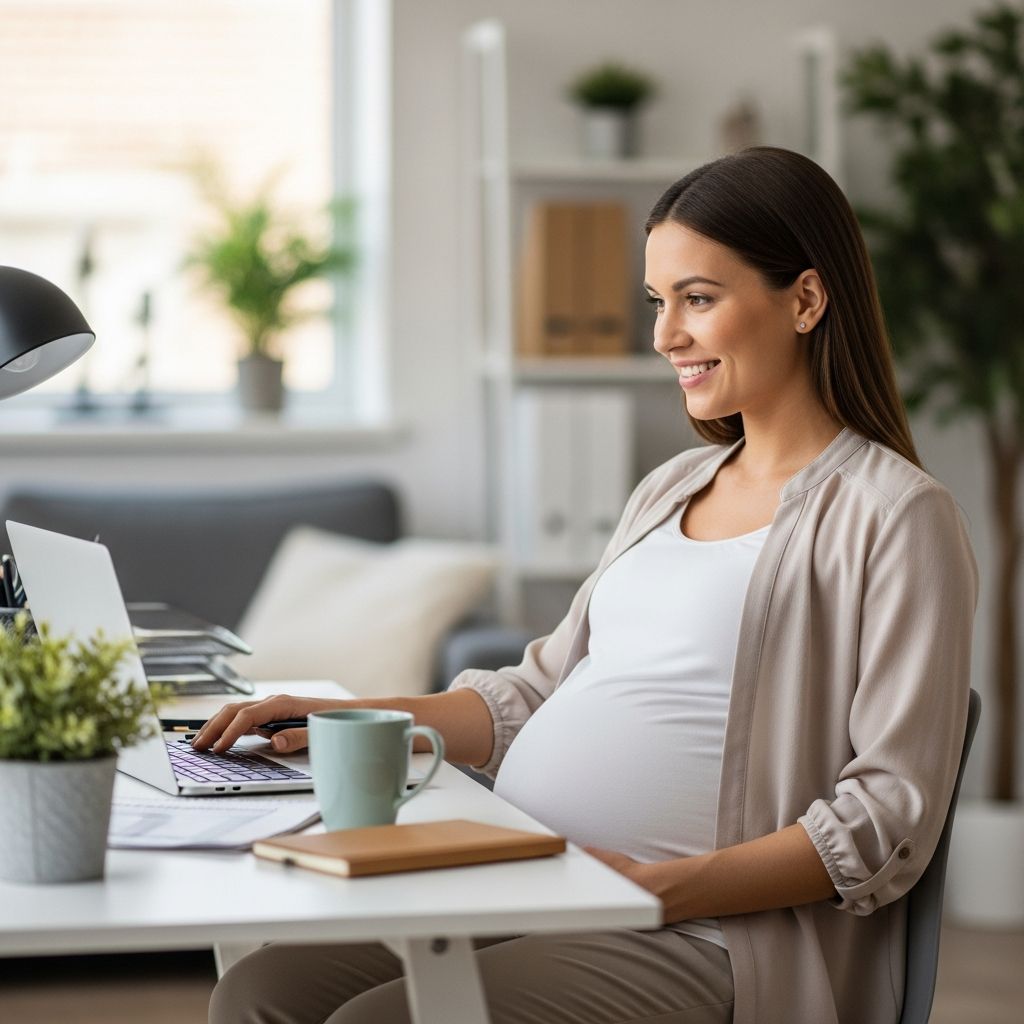
Staying employed or earning extra income during pregnancy can make a huge difference to your financial stability and peace of mind. At the same time, pregnancy is physically and emotionally demanding, so the work you choose needs to be realistic, low impact, and flexible enough to fit around how you feel day by day.
This guide breaks down some of the best jobs for pregnant women based on flexibility, physical demands, and skills needed. It mirrors the core topics of the original Clever Girl Finance article while expanding with practical tips, examples, and answers to common questions.
What Makes a Job Good for Pregnant Women?
Not every job is pregnancy-friendly. Some involve heavy lifting, long hours on your feet, or exposure to chemicals and high stress levels. According to workplace health guidelines, limiting prolonged standing, heavy lifting, and exposure to hazardous substances is important during pregnancy to reduce risks such as preterm labor and musculoskeletal strain.
In general, the best jobs for pregnant women share a few key traits:
- Low physical strain – Minimal lifting, bending, standing, or exposure to heat and chemicals.
- Flexible schedule – So you can rest when needed, manage appointments, and handle pregnancy symptoms.
- Remote or seated work – Work you can do from home or mostly sitting down with opportunities to move gently.
- Low to moderate stress – Clear expectations, reasonable workloads, and autonomy over your time.
- Entry-friendly – Roles that do not require years of training or a specialized degree to get started.
Always speak with your healthcare provider about any job you are doing or considering. Medical advice is essential if your role involves physical work, travel, long shifts, or exposure to hazards.
Overview: Job Types Pregnant Women Often Find Manageable
The job ideas below fall into a handful of broad categories:
- Online and remote work (e.g., virtual assistant, freelance writer)
- Creative and digital services (e.g., graphic design, social media management)
- Educational and tutoring roles (e.g., online tutor, course creator)
- Customer service and admin (e.g., call center, data entry)
- Flexible in-person work (e.g., light retail, receptionist)
| Job Type | Physical Demand | Schedule Flexibility | Typical Starting Requirements |
|---|---|---|---|
| Virtual assistant | Very low (seated, computer-based) | High | Basic computer & communication skills |
| Freelance writing | Very low | High | Solid writing ability, internet access |
| Online tutoring | Low | Moderate–High | Subject knowledge, sometimes a degree |
| Customer service (remote) | Low | Moderate (shift-based) | Good communication, basic tech skills |
| Receptionist | Low–Moderate (some standing) | Low–Moderate | Phone & organizational skills |
20 Low-Impact, Flexible Jobs For Pregnant Women
Below are 20 pregnancy-friendly job ideas inspired by the Clever Girl Finance list, with extra detail on what each entails and what to consider while pregnant.
1. Virtual Assistant
A virtual assistant (VA) provides remote administrative support to business owners and professionals. Tasks can include managing email, scheduling, data entry, travel planning, and basic online research.
- Why it works in pregnancy: Fully remote, mostly seated, and often highly flexible in terms of hours.
- Skills needed: Organization, communication, comfort with email, spreadsheets, and simple software tools.
- Pregnancy tip: Set clear working hours and boundaries so you can rest without feeling constantly “on call.”
2. Freelance Writer or Editor
Freelance writing and editing can range from blog posts and website copy to technical writing and proofreading.
- Why it works: You can work from home, choose your workload, and often work in small chunks of time.
- Skills needed: Strong grammar, research skills, and the ability to meet deadlines.
- Pregnancy tip: Plan extra time around deadlines to allow for fatigue, medical appointments, and low-energy days.
3. Online Tutor
Online tutoring allows you to teach subjects you know well—from math and languages to test prep—via video calls or specialized platforms.
- Why it works: Mostly seated and often scheduled in short, predictable sessions.
- Skills needed: Subject knowledge, patience, and clear communication. Some platforms require a degree or teaching experience.
- Pregnancy tip: Group your sessions on days and times of day when you usually feel your best.
4. Customer Service Representative (Remote)
Remote customer service jobs involve answering calls, emails, or chats to help customers with orders, account questions, or troubleshooting.
- Why it works: Done from home, generally seated. Many roles are entry-level.
- Skills needed: Clear speaking, problem-solving, patience, and basic computer literacy.
- Pregnancy tip: Ask about break policies so you can stand, stretch, and use the restroom regularly—important during pregnancy.
5. Data Entry
Data entry work involves inputting, reviewing, or organizing information in databases or spreadsheets. It is repetitive but low-stress for many people.
- Why it works: Minimal physical demand and can often be done from home on a flexible schedule.
- Skills needed: Accuracy, attention to detail, and basic typing skills.
- Pregnancy tip: Use ergonomic seating and take frequent short breaks to reduce back and wrist strain.
6. Social Media Manager
Social media managers create and schedule posts, respond to comments, and analyze basic performance for brands or small businesses.
- Why it works: Can be done fully remotely and in flexible bursts of time.
- Skills needed: Understanding of platforms (Instagram, TikTok, Facebook, LinkedIn), creativity, and basic analytics.
- Pregnancy tip: Use scheduling tools so you can batch content creation when your energy is high.
7. Graphic Designer or Canva Creator
If you are visually inclined, graphic design can range from simple social media graphics to logos, PDFs, or marketing materials.
- Why it works: Home-based, creative, and project-based, which offers flexibility.
- Skills needed: Design sense and familiarity with tools like Canva or Adobe Creative Cloud.
- Pregnancy tip: Don’t overbook; creative work can be draining. Leave space for rest.
8. Transcriptionist
Transcriptionists listen to audio recordings and type them into written documents, such as interviews or meeting notes.
- Why it works: Work from home, set your own pace, and often choose your projects.
- Skills needed: Fast, accurate typing and good listening skills.
- Pregnancy tip: Use noise-cancelling headphones and keep water nearby to stay hydrated.
9. Bookkeeper (Remote)
Bookkeepers help individuals or businesses track income and expenses, reconcile accounts, and generate basic financial reports. Many small businesses hire part-time bookkeepers.
- Why it works: Seated, structured tasks and often remote with flexible hours.
- Skills needed: Comfort with numbers, spreadsheets, and basic accounting principles.
- Pregnancy tip: Schedule complex tasks (like month-end close) at a time when you generally have more energy.
10. Online Seller or Reseller
Selling goods online—whether handmade products, digital products, or reselling items you source locally—can be a flexible income stream.
- Why it works: You control your inventory, schedule, and workload.
- Skills needed: Product sourcing or creation, basic photography, listing and shipping items.
- Pregnancy tip: Avoid heavy lifting or frequent post-office trips by using pickup services when possible.
11. Blogger or Content Creator
Blogging and content creation (including YouTube or podcasting) can eventually generate income from ads, sponsorships, or digital products, though it often takes time.
- Why it works: Highly flexible; you can create content in your own time and around your interests.
- Skills needed: Writing, basic SEO, or video/podcast production, depending on the platform.
- Pregnancy tip: Consider batching multiple posts or videos in one sitting, so you can rest more on low-energy days.
12. Online Course Creator
If you have expertise in a particular topic—such as budgeting, language skills, or crafts—you can create and sell online courses.
- Why it works: Upfront effort, then potential for passive income as the course sells over time.
- Skills needed: Subject matter knowledge, ability to explain concepts clearly, and basic video or slide creation.
- Pregnancy tip: Record modules in short sessions and sit or stand as needed to stay comfortable.
13. Light Retail or Boutique Work
Some light retail jobs, especially in calm environments like small boutiques or bookstores, can be manageable during portions of pregnancy, especially early on.
- Why it works: Social, often part-time, and sometimes allows seated work at the register.
- Skills needed: Customer service, basic math, and reliability.
- Pregnancy tip: Ask about a stool at the register, weight limits on lifting, and break policies to reduce physical strain.
14. Receptionist or Front Desk Associate
Receptionists greet visitors, answer phones, and handle simple administrative tasks in offices, clinics, gyms, or salons.
- Why it works: Mostly seated work with predictable hours in many settings.
- Skills needed: Professional phone manner, organization, and basic computer skills.
- Pregnancy tip: Ensure you can take restroom breaks and stretch regularly to support circulation and comfort.
15. Childcare From Home (If Appropriate)
Some women choose to offer childcare from their own home, especially if they already have a safe setup and experience with kids.
- Why it works: No commuting; you are already at home and can often control your environment.
- Skills needed: Childcare experience, patience, and in many places, appropriate licensing or registration.
- Pregnancy tip: Be honest about your physical limits and avoid lifting older children. Follow local regulations for safety and capacity.
16. Pet Sitter (Low-Activity)
Pet sitting, especially for low-activity animals or daytime check-ins, can be an enjoyable way to earn extra income.
- Why it works: Often flexible and can sometimes be combined with working from home.
- Skills needed: Reliability, love of animals, and clear communication with pet owners.
- Pregnancy tip: Avoid high-intensity dog walking or anything that could strain your back or increase fall risk.
17. Proofreader
Proofreaders review written content for spelling, grammar, and formatting errors. This can include books, articles, marketing materials, and academic papers.
- Why it works: Home-based, quiet, and self-paced work.
- Skills needed: Excellent attention to detail and strong language skills.
- Pregnancy tip: Use good lighting and take eye breaks to reduce strain and headaches.
18. Online Researcher
Online researchers gather, summarize, or organize information for businesses, writers, or consultants.
- Why it works: Flexible hours and location-independent.
- Skills needed: Critical thinking, ability to verify credible sources, and clear note-taking.
- Pregnancy tip: Set timers to step away from the screen regularly for light movement.
19. Microtask or Gig Work (Online)
Microtask platforms offer small digital tasks—such as categorizing images, testing websites, or answering surveys—that you can complete in short bursts.
- Why it works: Extremely flexible; work in 10–20 minute blocks whenever you have energy.
- Skills needed: Basic computer skills, attention to detail.
- Pregnancy tip: Treat this as supplementary income, as pay per task is often low.
20. Part-Time Roles With Built-In Childcare (Later On)
Some part-time jobs offer on-site childcare or allow you to bring your baby later, such as certain gyms, community centers, or childcare settings.
- Why it works: Reduces future childcare costs and commuting stress.
- Skills needed: Varies by role—could be customer service, fitness, or admin.
- Pregnancy tip: This may be most useful to plan for after maternity leave or late in pregnancy as you think ahead.
How to Choose the Best Job for Your Pregnancy
Every pregnancy is different, so the best job for you depends on your health, your doctor’s advice, and your financial needs. Research suggests that, when appropriately adjusted, many women can continue working safely during pregnancy, but modifications to duties, schedules, and environment may be necessary.
Consider these steps before committing to a job or side hustle:
- Talk to your healthcare provider about your current job or any new work you plan to start.
- Review your rights under local labor laws. In many places, employers must provide reasonable accommodations (like more breaks or temporary adjustments to duties).
- Run the numbers on how much you realistically need to earn versus the time and energy you have.
- Think beyond pregnancy – could this job transition into flexible work after the baby arrives?
Balancing Income, Health, and Maternity Leave
Many women continue working late into pregnancy, and research indicates that, in low-risk pregnancies, work is often safe when occupational hazards are managed. However, there are important financial and health considerations:
- Understand your maternity leave – how long it lasts, how much is paid, and what happens to your benefits while you are out.
- Create or update your budget to account for baby expenses, reduced income during leave, and any new childcare costs.
- Adjust your work duties or schedule where possible to reduce physical strain and stress, as recommended by your healthcare provider.
Frequently Asked Questions (FAQs)
Q: Can I work full-time while pregnant?
Many women continue working full-time during pregnancy, especially in low-risk pregnancies and non-hazardous jobs. However, health organizations recommend minimizing heavy lifting, prolonged standing, and exposure to harmful substances, and seeking adjustments where necessary. Always follow your healthcare provider’s guidance.
Q: What jobs should pregnant women avoid?
Roles involving heavy lifting, exposure to toxic chemicals, extreme heat, high fall risk, or long periods of standing with no breaks are often discouraged or require significant modifications during pregnancy. Check with your doctor if your job involves any of these factors.
Q: Is remote work better during pregnancy?
Remote work can be helpful because it reduces commuting, allows more control over breaks, and lets you adjust your environment for comfort. However, mental stress and long sitting hours still need to be managed with good ergonomics and regular movement.
Q: When should I stop working before giving birth?
There is no universal date. Some women work until shortly before labor, while others stop earlier based on health, job type, or medical advice. Discuss timing with your healthcare provider, considering your symptoms, job demands, and maternity leave policy.
Q: How can I protect my income while pregnant?
Key strategies include understanding your maternity leave benefits, building an emergency fund, exploring low-impact side jobs, and talking to your employer about accommodations or flexible arrangements. Planning early gives you more options.
References
- Working during pregnancy: Do’s and don’ts — Mayo Clinic Staff. 2021-07-09. https://www.mayoclinic.org/healthy-lifestyle/pregnancy-week-by-week/in-depth/working-during-pregnancy/art-20046823
- Physical Activity and Exercise During Pregnancy and the Postpartum Period — American College of Obstetricians and Gynecologists (ACOG). 2020-04-01. https://www.acog.org/clinical/clinical-guidance/committee-opinion/articles/2020/04/physical-activity-and-exercise-during-pregnancy-and-the-postpartum-period
- Employment Rights and Protections for Pregnant Women — U.S. Equal Employment Opportunity Commission (EEOC). 2023-06-01. https://www.eeoc.gov/pregnancy-discrimination
- Having a Baby: Planning and Budgeting — Consumer Financial Protection Bureau (CFPB). 2022-08-01. https://www.consumerfinance.gov/consumer-tools/educator-tools/resources-for-new-parents/having-a-baby-planning-and-budgeting/
Similar Articles








Read full bio of medha deb