32 Best Items To Flip For Extra Cash: Quick, Low-Risk Picks
Discover the top items you can flip for profit, plus tips, tools, and FAQs to grow a reliable money-making side hustle.
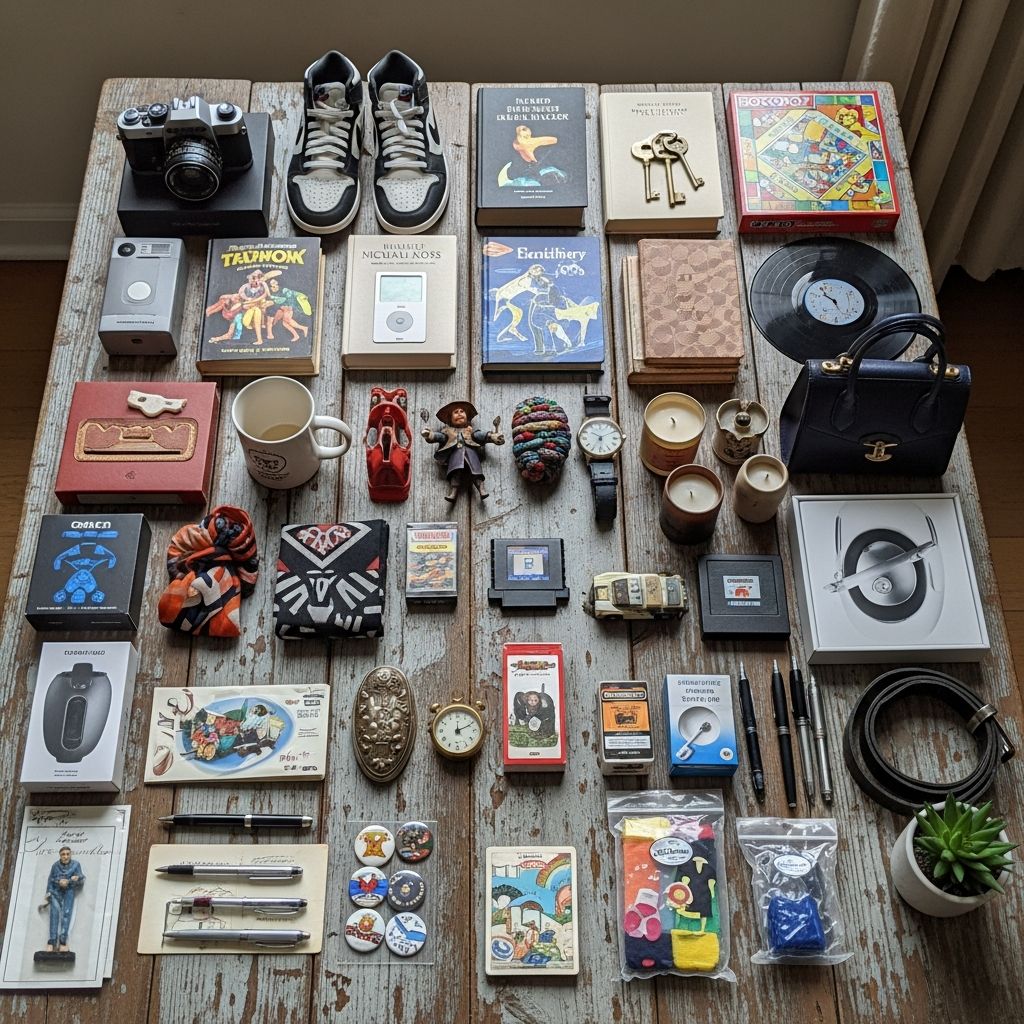
Flipping is a flexible side hustle where you buy items at a low price and resell them for a profit. When you choose the right products, flipping can help you pay down debt, build savings, or reach other financial goals faster, all on your own schedule.
This guide walks through 32 of the best items to flip, where to find them, how to evaluate deals, and practical tips to make your flipping side hustle more profitable and sustainable.
Why Flipping Can Be a Great Side Hustle
Flipping can be attractive because it usually has a low barrier to entry and can be started with items you already own. You can scale gradually as you learn what sells best and how to price effectively.
- Low startup cost if you begin with unused items at home
- Flexible hours that fit around work and family responsibilities
- Potential to learn valuable skills in negotiation, marketing, and repair
- Environmentally friendly by keeping items out of landfills
32 of the Best Items To Flip for Profit
Below are some of the most popular and profitable categories of items to flip. Not every item will work in every market, so always research local demand and platform fees before buying.
1. Chairs and Sofas
Chairs and sofas are classic flipping items because people constantly move, redecorate, or upgrade, creating steady demand for budget-friendly furniture.
- Look for solid frames, quality construction, and no structural damage.
- Minor cosmetic issues such as stains, worn fabric, or loose legs can often be fixed cheaply.
- Simple cleaning, new cushion covers, or reupholstery can significantly increase resale value.
2. Tables and Desks
Dining tables, coffee tables, and desks often flip well, especially if they are made of solid wood.
- Light sanding and a fresh coat of paint or stain can modernize dated pieces.
- Adding unique hardware or a resin top can make a piece stand out.
- Target small-space furniture, which is in high demand in urban areas.
3. Antiques
Antiques can sell for high margins when you understand what collectors want, though they require research and patience.
- Check for maker’s marks, labels, or signatures that indicate origin and age.
- Focus on items in good condition or that can be restored without losing value.
- Estate sales, auctions, and thrift stores are good places to find underpriced antiques.
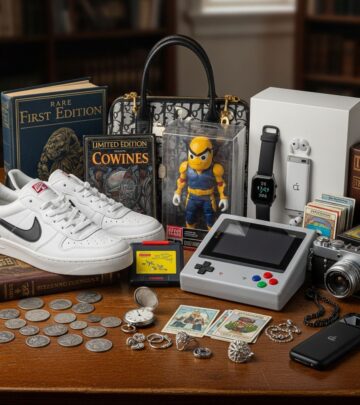
4. Collectible Items
Collectibles include limited-edition products, popular brands, or nostalgic items that appeal to specific fan bases.
- Action figures, limited-release toys, trading cards, and brand collaborations can command high prices.
- Verify authenticity and condition, especially for items still in original packaging.
- Research recent sales online to avoid overpaying.
5. Sneakers and Shoes
Brand-name shoes, especially sneakers, often resell for a premium when they are limited edition or in excellent condition.
- Check soles, insoles, and stitching for wear.
- Clean thoroughly and replace laces or insoles if needed.
- Focus on popular sizes and brands known for strong resale demand.
6. Designer or Name-Brand Clothing
Name-brand clothing can be one of the easiest items to flip because buyers actively search for quality, recognizable labels at a discount.
- Look for durable fabrics like cotton, wool, and cashmere.
- Prioritize items with minimal signs of wear, no stains, and intact tags.
- Seasonal items (coats in fall, dresses in spring) often move faster.
7. Bicycles
Regular bicycles are practical and often expensive when bought new, so many buyers look for well-maintained used bikes.
- Basic maintenance (new tires, brake adjustments, chain oil) can significantly increase value.
- Check the frame for cracks or serious damage before buying.
- Commuter and kids’ bikes can flip quickly in many neighborhoods.
8. Houses (Real Estate Flipping)
House flipping has the potential for the highest profits, but also the highest risk and capital requirement. It involves buying property below market value, improving it, and selling at a higher price.
- Requires careful analysis of purchase price, renovation costs, and market trends.
- Financing, permits, and contractor management add complexity.
- Research local regulations and consider professional advice before starting.
9. Power Tools
Many people sell power tools when they move or finish a project, and buyers often prefer used tools from trusted brands over cheap new ones.
- Test all functions and include batteries or chargers when possible.
- Clean thoroughly and photograph from multiple angles.
- Construction and woodworking tools can be especially profitable.
10. Small Electronics
Old phones, cameras, game consoles, and other electronics can still have strong resale value, especially if you can repair or reset them.
- Confirm devices are not stolen, locked, or tied to unpaid contracts.
- Factory reset and include accessories when you can.
- Some platforms offer trade-in estimates you can use to price competitively.
11. Luxury Handbags
Luxury handbags are among the most lucrative items to flip if you can authenticate them and find good deals.
- Learn to spot authenticity markers: stitching, logos, serial numbers, and hardware.
- Source from consignment shops, auctions, or individuals who need fast cash.
- Clean gently and present detailed photos to build buyer trust.
12. Name-Brand Clothes (Again, But More Specific)
Beyond general clothing, specific categories like jackets, jeans, and occasion wear (formal dresses, suits) can be especially profitable.
- Look for classic, timeless styles that stay in demand.
- Bundle similar items (e.g., lot of kids’ clothes) to move inventory faster.
13. Kitchenware and Cookware
High-quality pots, pans, knives, and small kitchen tools can flip well, especially from reputable brands.
- Inspect for damage such as deep scratches, warping, or loose handles.
- Cast iron and stainless steel often keep value better than nonstick.
- Vintage cookware can be especially valuable to collectors and home cooks.
14. Vintage and Collectible Cookware
Vintage Pyrex, cast iron skillets, and branded sets often have strong demand because of quality and nostalgia.
- Patterns, colors, and limited editions drive value.
- Research online sale histories before pricing rare pieces.
15. Household Appliances
Microwaves, refrigerators, freezers, washers, and dryers are among the best things to flip because they are expensive to buy new.
- Test all functions and offer buyers the chance to see the item working.
- Deep clean to remove odors, dust, or lint.
- Consider offering local delivery for a small fee to stand out.
16. Video Games and Consoles
Game consoles, controllers, and popular titles hold value when they are in good working condition.
- Classic or discontinued consoles can command higher prices.
- Bundles (console + games + controllers) often sell faster.
17. Board Games
Board games, especially out-of-print or special editions, can bring in surprisingly high profits.
- Check that all pieces and instructions are included.
- Vintage or collector editions often attract enthusiasts.
18. Books
Books remain a solid flipping niche, particularly educational and specialized categories.
- Textbooks, test prep books, and professional manuals can resell for high prices.
- First editions or signed copies may have collector value.
- Scan barcodes with app tools to quickly check market prices.
19. Laptops
Laptops can be profitable but require some technical knowledge to evaluate and refurbish.
- Check basic functions: power, keyboard, screen, ports, Wi-Fi.
- Factory reset and ensure all personal data is removed before resale.
- Upgrading RAM or storage can increase resale value if done cheaply.
20. RVs and Campers
Recreational vehicles and campers can offer large profit potential, but like houses, they require more capital and careful inspection.
- Inspect for water damage, leaks, and mechanical issues.
- Simple cosmetic upgrades (paint, decor, minor repairs) can dramatically change perceived value.
21. Outdoor Gear
Camping gear, kayaks, paddle boards, and similar items tend to be seasonal but can sell for good margins.
- Focus on quality brands with strong reputations.
- Inspect zippers, seams, and safety components carefully.
22. Dirt Bikes
Dirt bikes can be profitable flips if you understand basic mechanics or have access to affordable repair services.
- Check engine health, frame integrity, and tire condition.
- Verify paperwork and ownership to avoid legal issues.
23. Baby Gear (Cribs, Strollers, etc.)
Baby gear is expensive new, so parents often look for gently used options.
- Focus on quality brands and items with strong safety reputations.
- Ensure items meet current safety standards and recalls have been checked on official databases.
- Clean thoroughly and photograph clearly to reassure buyers.
24. Jewelry
Jewelry is one of the best things to flip because it is small, easy to store, and can have high value relative to size.
- Costume jewelry from known brands can resell well on craft and vintage platforms.
- Gold and silver pieces should be evaluated based on metal purity and weight; consider professional appraisal for potentially valuable items.
- Look for hallmarks or stamps indicating metal content.
25. Watches
Both fashion and higher-end watches can have strong resale markets.
- Check that the watch runs accurately and that straps are intact.
- Original boxes and paperwork can significantly increase value.
26. Seasonal Decorations
Holiday decor and seasonal items can flip well when bought off-season and sold during peak demand.
- Look for high-quality, reusable pieces rather than single-use items.
- Vintage decorations can attract collectors and nostalgic buyers.
27. Sports Equipment
Sports gear, especially for kids, tends to be used for only a few seasons and can be resold multiple times.
- Focus on items in good condition with all parts intact.
- Bikes, skates, skis, and team sports gear are common resale items.
28. Musical Instruments
Guitars, keyboards, violins, and other instruments can be excellent flips when you find them at yard sales or from people clearing out storage.
- Check for cracks, warping, and whether tuning mechanisms work.
- Entry-level instruments for beginners sell steadily to parents and new learners.
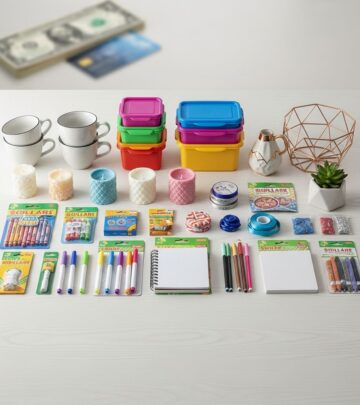
29. Craft Supplies and Hobby Lots
Bundles of craft supplies, yarn, scrapbooking materials, or model kits appeal to hobbyists who appreciate a deal.
- Group items by hobby to make listings more attractive.
- Unused or sealed supplies command higher prices.
30. Office Equipment
Home office furniture and devices (monitors, printers, office chairs) remain in demand, especially with more people working remotely.
- Test electronics and clearly describe any issues.
- Ergonomic chairs and large monitors often resell well.
31. Storage Solutions
Shelving, plastic bins, closet systems, and storage furniture help people organize their homes and are regularly sought after.
- Flat-pack and modular systems are easier to transport.
- Neutral colors and simple designs appeal to more buyers.
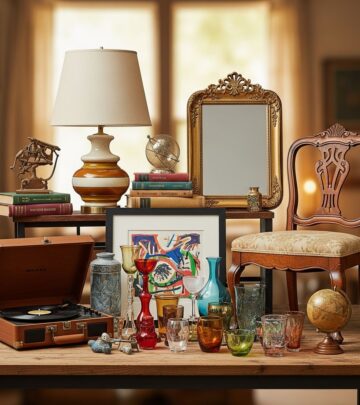
32. Home Decor and Wall Art
Mirrors, framed art, lamps, and decorative objects can often be sourced cheaply and sold to people redecorating on a budget.
- Choose modern, neutral, or widely appealing themes.
- Clean glass and frames thoroughly and repair minor defects.
Comparison: Easy vs. Advanced Items To Flip
| Category | Skill Level | Typical Investment | Common Risks |
|---|---|---|---|
| Clothing, books, small decor | Beginner | Low | Slower sales, pricing too low |
| Furniture, appliances, electronics | Intermediate | Moderate | Repairs, transport costs |
| Luxury items, antiques, vehicles, houses | Advanced | High | Authenticity, regulations, market swings |
What Products Are Easiest To Flip?
The easiest products to flip are typically items that are:
- Widely desirable (people frequently search for them)
- Worth enough to leave room for profit after fees and time
- Simple to evaluate for condition and authenticity
- Easy to ship or transport
Examples of easier flip items include:
- Branded clothing and shoes
- Small furniture and decor pieces
- Books, board games, and video games
- Basic electronics with clearly testable functions
Discounted items purchased during sales that later return to regular price can also be profitable, especially when you watch price histories and factor in platform fees.
How To Start Flipping With Minimal Risk
If you are new to flipping, start small and gradually build skill and confidence.
- Begin with items you already own: Look around your home for unused furniture, clothing, or electronics.
- Research selling platforms: Compare fees, shipping policies, and typical selling prices.
- Track all numbers: Record purchase price, repair costs, shipping, and fees to understand true profit.
- Reinvest profits wisely: Use earnings to buy better inventory rather than immediately scaling to high-risk categories.
Frequently Asked Questions (FAQs)
Q: How much money do I need to start flipping items?
You can start with almost no cash by selling items you already own. Once you have a small profit, many people begin sourcing low-cost items from thrift stores, yard sales, and online marketplaces. Starting with a modest budget helps you learn without taking on significant risk.
Q: Where can I find items to flip?
Common sourcing locations include thrift stores, charity shops, garage and estate sales, flea markets, clearance racks, and online classified listings. Building relationships with local sellers and regularly checking listings can help you spot underpriced items quickly.
Q: How do I know if an item will be profitable?
Before you buy, search recent sold listings on the platform where you plan to sell. Compare the average sale price to your total cost, including cleaning supplies, repairs, shipping, and platform fees. Only purchase items where there is clear evidence of demand and a comfortable profit margin.
Q: Is flipping taxable income?
In most countries, profits from selling items as a side hustle are considered taxable income, especially if you buy with the intention to resell. Keep detailed records of income and expenses and consult official tax guidance or a qualified professional in your area to understand your obligations.
Q: What are the biggest risks with flipping?
Key risks include overpaying for inventory, underestimating repair costs, buying counterfeit or unsafe products, and holding items that sell slowly. To manage these risks, start with low-cost items, research thoroughly, and avoid categories where you cannot confidently assess condition or authenticity.
References
- Small Business & Self-Employed Tax Center — Internal Revenue Service (IRS). 2024-03-01. https://www.irs.gov/businesses/small-businesses-self-employed
- Selling goods online — Federal Trade Commission. 2022-06-30. https://www.ftc.gov/business-guidance/resources/selling-goods-online
- Consumer’s Guide to Buying Used Cars — Federal Trade Commission. 2023-01-11. https://www.ftc.gov/business-guidance/resources/consumers-guide-buying-used-cars
- SaferProducts.gov Database — U.S. Consumer Product Safety Commission. 2024-01-05. https://www.saferproducts.gov
- Telework: Public Health Guidance and Employer Practices — U.S. Bureau of Labor Statistics. 2022-09-22. https://www.bls.gov/opub/btn/volume-11/telework-before-during-and-after-the-pandemic.htm
Similar Articles








Read full bio of medha deb