Installment Loans: 6 Common Types And How They Work
Compare top installment loans with fixed rates and predictable payments for your financial needs.
Understanding Installment Loans
Installment loans have become one of the most accessible borrowing options for consumers seeking structured, predictable repayment schedules. Unlike credit cards or lines of credit that offer revolving access to funds, installment loans provide you with a fixed sum of money upfront, which you then repay over a predetermined period through regular monthly payments. This straightforward lending structure appeals to millions of borrowers because it combines financial clarity with manageable payment obligations.
The fundamental appeal of installment loans lies in their predictability. When you secure an installment loan, you know exactly what your monthly payment will be from the first payment to the last. This fixed payment structure makes budgeting easier and eliminates the surprise of fluctuating interest charges that come with variable-rate products. For most borrowers, this certainty provides peace of mind and helps with financial planning.
How Installment Loans Work
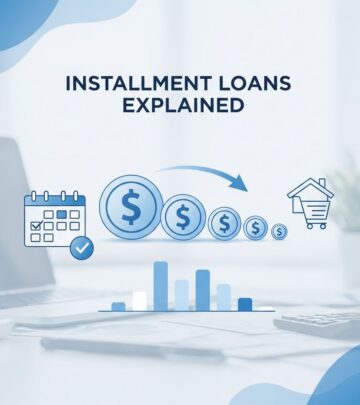
The mechanics of installment loans are straightforward but important to understand. When you apply for and receive approval for an installment loan, the lender disburses the entire approved amount as a lump sum. You then begin repaying this loan through regular installments—typically monthly, though some lenders offer biweekly or weekly payment options.
Each of your installment payments consists of two components: principal and interest. The principal portion is the amount of your original loan that you borrowed, while the interest represents the cost of borrowing. Early in the loan term, a larger percentage of your payment goes toward interest, with the remaining portion applied to the principal. As you progress through the loan term, this ratio gradually shifts, with more of each payment reducing your principal balance.
The repayment timeline varies considerably depending on the loan type and your agreement with the lender. Short-term products like payday loans or buy-now-pay-later arrangements might require repayment within weeks, while mortgages can extend 30 years or longer. Most personal installment loans typically have terms ranging from two to seven years, though this varies based on the loan amount and lender policies.
Common Types of Installment Loans
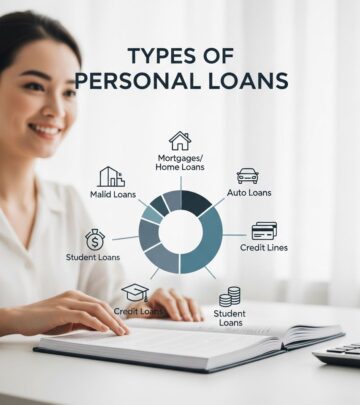
The installment loan category encompasses several distinct products, each designed for specific purposes:
Personal Loans
Personal loans are among the most versatile installment loan products available. These unsecured loans can be used for nearly any legitimate purpose not specifically prohibited by your loan agreement. Common uses include debt consolidation, emergency home repairs, large purchases, vacation expenses, or wedding costs. Personal loan interest rates typically range from 6 to 36 percent, depending on your creditworthiness and the lender you choose.
Mortgages
Mortgages represent the largest category of installment loans for most consumers. These secured loans are specifically designed to fund home purchases, with the property itself serving as collateral. Mortgage rates fluctuate with market conditions and economic factors. As of September 2025, mortgage rates hovered around 6.5 percent, though rates vary based on loan type, down payment amount, and market conditions.
Auto Loans
Auto loans function similarly to mortgages but are specifically for vehicle purchases. The financed vehicle serves as collateral, which allows lenders to offer competitive rates. Qualified borrowers can secure auto loans with rates starting below 5 percent, making them among the most affordable installment loan options available through banks, credit unions, and online lenders.
Student Loans
Student loans provide funding for higher education expenses and come from either private lenders or the federal government. Federal student loans offer rates ranging from 6.39 to 8.94 percent depending on loan type, while the best private student loan rates can start below 3 percent for highly qualified borrowers.
Payday Loans
Payday loans represent a specialized category of short-term installment loans designed for emergency borrowing. These loans typically require full repayment within two weeks and carry extremely high interest rates, sometimes exceeding 400 percent APR. They are generally targeted at borrowers with poor credit or those unable to qualify for traditional lending products.
Buy Now, Pay Later (BNPL)
BNPL arrangements allow consumers to split purchase costs into smaller installments through retail partnerships. While many BNPL products offer interest-free periods, they still carry risks of encouraging overborrowing and can negatively impact credit if payments are missed.
Advantages of Installment Loans
Installment loans offer numerous benefits compared to other borrowing methods. Understanding these advantages helps you determine whether an installment loan aligns with your financial needs.
Fixed Interest Rates: Most installment loans feature fixed interest rates, meaning your rate remains constant throughout the entire loan term. This protects you from interest rate increases and allows for accurate long-term financial planning.
Predictable Monthly Payments: With fixed monthly payments, you know exactly how much you’ll pay each month. This certainty makes it easier to incorporate loan payments into your budget and manage other financial obligations.
Flexible Loan Amounts: Installment loans offer significant flexibility in borrowing amounts. Personal loan amounts can range from a few hundred dollars to $100,000 or more, depending on the lender’s policies and your creditworthiness. This range accommodates various financial needs.
Credit Building Potential: Most installment loan payments are reported to the major credit bureaus. When you make on-time payments consistently, these positive payment histories contribute to building or improving your credit score over time.
Lower Interest Rates Than Alternatives: Compared to payday loans, credit cards, and other short-term borrowing options, installment loans typically feature substantially lower interest rates, reducing your overall borrowing costs.
Installment Loans vs. Payday Loans
| Feature | Installment Loans | Payday Loans |
|---|---|---|
| Loan Amount | $500 to $100,000+ | Typically up to $500 |
| Interest Rate (APR) | 7% to 36% | Flat fee of $10-$30 per $100 borrowed |
| Repayment Term | Months to years with fixed monthly payments | 10-14 days (by next payday) |
| Approval Speed | Usually 1-3 business days | Often within minutes |
| Credit Requirements | Credit check required; typically mid-600s minimum score | Minimal requirements; quick approval process |
| Credit Impact | Can build credit with on-time payments | May not impact credit if repaid on time |
| Where to Get | Banks, credit unions, online lenders | Payday lenders (online and in-store) |
Installment loans provide substantially better terms than payday loans for most borrowers. While payday loans offer faster approval, they come with predatory interest rates and punishingly short repayment periods. Installment loans, assuming you can afford the repayment terms, represent a much safer and more economical borrowing option.
Key Considerations When Choosing an Installment Loan
Interest Rates and APR
Interest rates represent one of the most important factors in your borrowing decision. Rates vary significantly based on your credit score, income, employment history, and debt-to-income ratio. Borrowers with excellent credit typically qualify for rates in the lower end of the range, while those with fair or poor credit may face higher rates. Shopping among multiple lenders—banks, credit unions, and online lenders—helps you find the most competitive rates available to you.
Fees to Avoid
Many installment loan lenders charge origination fees, typically ranging from 1 to 10 percent of your loan amount. These fees are either deducted from your disbursement or added to your repayment balance. Seeking lenders that eliminate these fees directly reduces your overall borrowing costs. Additionally, compare whether lenders charge prepayment penalties, late fees, or other charges that could increase your total cost of borrowing.
Credit Score Requirements
Most major lenders require a minimum credit score in the mid-600s or higher. However, many lenders now offer specialized products for borrowers with fair or poor credit, with some willing to work with scores between 300 and 669. Generally, higher credit scores qualify for more favorable rates and terms.
Debt-to-Income Ratio
Lenders evaluate your debt-to-income ratio (DTI)—the percentage of your gross monthly income that goes toward existing debt obligations. A lower DTI indicates you can comfortably afford additional loan payments. Before applying, assess your DTI against the lender’s requirements to confirm your eligibility and ensure you can realistically afford the monthly payment.
How to Compare Installment Loan Lenders
Finding the best installment loan requires systematic comparison. Begin by prequalifying with multiple lenders from different categories—banks, credit unions, and online lenders. Prequalification allows you to view potential interest rates and terms without a hard credit inquiry, protecting your credit score during the shopping process.
Calculate your maximum affordable monthly payment using free personal loan calculators. Input your desired loan amount, an estimated APR, and various repayment terms to determine what payment fits your budget. Federal credit unions deserve special consideration, as they typically cap rates at 18 percent, often providing more favorable terms than banks or online lenders.
When evaluating lenders, examine their customer satisfaction ratings, response times, and reputation in the industry. Compare not only interest rates but also origination fees, prepayment penalties, and other charges that affect your total borrowing cost. To minimize interest paid over time, pursue the highest monthly payment and shortest term you can realistically afford while maintaining financial stability.
Building Credit With Installment Loans
One significant advantage of installment loans is their credit-building potential. Payment history accounts for the largest portion of your credit score, and consistently making on-time installment loan payments demonstrates responsible credit management to the credit bureaus. Each positive payment history builds your creditworthiness, potentially leading to better rates and terms on future borrowing.
However, missed payments or defaults can severely damage your credit score and may lead to collection actions. To protect your credit, ensure your monthly payment fits comfortably within your budget before taking on the loan obligation.
Alternatives to Installment Loans
Before committing to an installment loan, explore other borrowing options that might better suit your situation. A 0 percent introductory APR credit card works well if you have dependable cash flow to pay off your balance during the promotional period. Buy-now-pay-later options suit those making specific purchases through participating retailers. Personal lines of credit may offer advantages for variable or long-term expenses, particularly if you secure a lower rate than credit cards. If you’re a homeowner with substantial equity, home equity loans or lines of credit often feature competitive rates without sacrificing your primary mortgage terms.
Top Installment Loan Lenders in 2025
LightStream: Best for Excellent Credit
LightStream stands out for borrowers with excellent credit profiles, offering fast approval and funding with no fees. The lender provides a low minimum APR and allows prequalification without a hard credit check. However, LightStream requires excellent credit and maintains a high minimum loan amount. About two-thirds of Bankrate users selecting LightStream had excellent credit profiles. This lender suits those financing home renovations given its high maximum loan amounts and longer-than-average repayment terms.
Frequently Asked Questions
What credit score do I need for an installment loan?
Most major lenders require a minimum credit score in the mid-600s or higher. However, many lenders now specialize in fair or poor credit borrowing, accepting scores between 300 and 669. Your actual required score depends on the specific lender you choose. The higher your credit score, the more favorable your interest rates and terms will likely be.
How quickly can I get approved for an installment loan?
Approval timelines vary by lender. Many online lenders provide decisions within hours or one to two business days. Banks and credit unions typically take slightly longer, ranging from two to five business days. Providing complete and accurate application information can expedite the approval process.
Can I pay off an installment loan early?
Many lenders allow early repayment without penalties, though some charge prepayment penalties. Always ask prospective lenders about their prepayment policies before borrowing. Early repayment can significantly reduce your total interest costs if no penalties apply.
How do installment loan payments affect my credit score?
On-time installment loan payments reported to credit bureaus positively impact your credit score by demonstrating payment reliability. Missed payments or defaults can severely harm your credit. Ensuring you can comfortably afford monthly payments before borrowing protects both your finances and credit profile.
Are there fees associated with installment loans?
Many lenders charge origination fees ranging from 1 to 10 percent of your loan amount, though some lenders waive these fees entirely. Additional potential fees include late fees, prepayment penalties, and application fees. Compare total fees across lenders to minimize your borrowing costs.
References
- Payday Loans vs. Installment Loans — Bankrate. 2025. https://www.bankrate.com/loans/personal-loans/payday-loan-versus-installment/
- What Are Installment Loans & How Do They Work? — Bankrate. 2025. https://www.bankrate.com/loans/personal-loans/what-is-an-installment-loan/
- How To Compare Installment Loan Lenders: 5 Steps — Bankrate. 2025. https://www.bankrate.com/loans/personal-loans/how-to-compare-installment-loan-lenders/
- The Best Installment Loans In 2025 — Bankrate. 2025. https://www.bankrate.com/loans/personal-loans/installment-loans/
- Do Installment Loans Build Credit? — Bankrate. 2025. https://www.bankrate.com/loans/personal-loans/do-installment-loans-build-credit/
- What Is A Personal Loan? What To Know — Bankrate. 2025. https://www.bankrate.com/loans/personal-loans/what-is-a-personal-loan/
Similar Articles








Read full bio of medha deb