21 Best Hypoallergenic Dogs for Allergy Sufferers
Discover the best hypoallergenic dog breeds perfect for allergy sufferers and families.
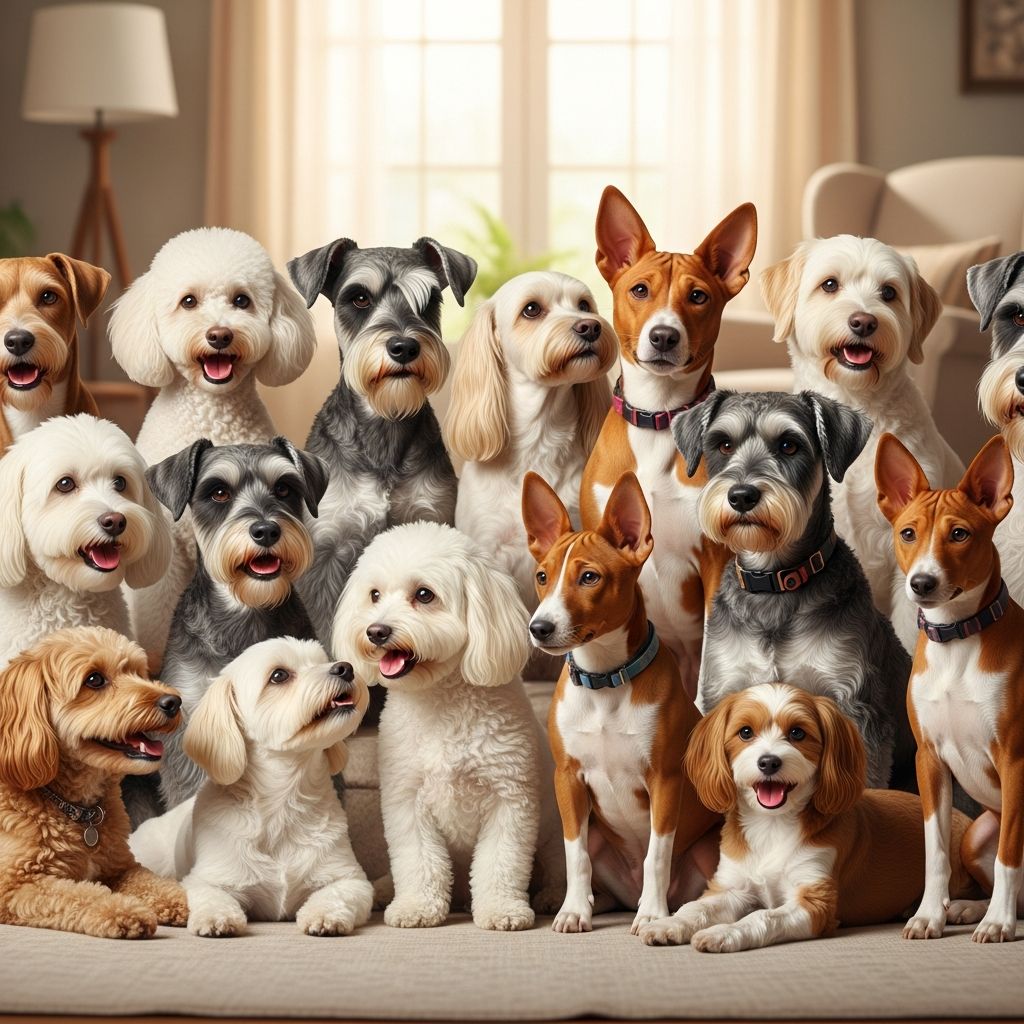
For many pet lovers, owning a dog comes with a significant challenge: allergies. Dog allergies affect millions of people worldwide, triggered primarily by dander, saliva, and urine proteins rather than fur itself. Fortunately, certain dog breeds produce less dander and shed minimally, making them excellent choices for allergy sufferers. While no dog breed is completely allergen-free, hypoallergenic dogs offer a viable solution for individuals who want to experience the joy of dog ownership without the constant sneezing and discomfort.
Understanding what makes a dog hypoallergenic is crucial before selecting your perfect companion. Dogs that shed less frequently trap dead hair and dander in their coats, reducing the amount of allergens released into your home environment. These breeds typically have curly, wiry, or hair-like coats that grow continuously, similar to human hair, rather than traditional fur that cycles through growth and shedding phases.
Small Hypoallergenic Dog Breeds
American Hairless Terrier
The American Hairless Terrier is an exceptional choice for allergy sufferers seeking a small companion. Available in both hairless and smooth-coated varieties, this breed spreads fewer allergens due to its minimal hair coverage. With a shedding level rated as low and weighing between 12 to 28 pounds, the American Hairless Terrier is a curious and intelligent dog that tends to do remarkably well with children. Their playful nature and compact size make them ideal for apartment living or smaller homes.
One consideration with hairless varieties is sun protection, as their exposed skin is susceptible to sunburn. Regular application of dog-safe sunscreen and appropriate clothing during outdoor activities are recommended. These terriers are affectionate, energetic, and require consistent exercise and mental stimulation to remain happy and well-adjusted.
Bichon Frisé
The Bichon Frisé stands out as one of the most popular hypoallergenic breeds, renowned for its distinctive pure white, curly double coat. Despite their fluffy appearance, Bichons shed minimally and are excellent lap dogs that make exceptional family companions. Their very low shedding level combined with their curly coat structure, which traps dander effectively, makes them an ideal option for allergy sufferers.
Bichons are happy, enthusiastic dogs with a medium energy level that requires regular exercise and play. They are highly social and cannot tolerate being left alone for extended periods, making them perfect for families where someone is frequently home. Their charming personality, combined with their hypoallergenic qualities, has contributed to their sustained popularity among dog enthusiasts.
Chinese Crested
The Chinese Crested is the perfect hypoallergenic toy breed for those seeking a unique companion with minimal allergen production. These adorable creatures are distinguished by sparse hair concentrated on their heads, tails, and feet, creating their characteristic crested appearance. With very little hair overall, the Chinese Crested naturally produces fewer allergens, making it an excellent choice for sensitive individuals.
These small dogs are extremely gentle, affectionate, and make playful companions. They thrive on human companionship and are particularly suited for apartment living due to their small size and moderate exercise requirements. Their calm demeanor and low-shedding characteristics make them wonderful additions to allergy-prone households.
Coton de Tulear
The Coton de Tulear is a small breed featuring a distinctive white, cotton-like coat that gives the breed its name. This breed’s unique coat structure minimizes shedding while producing low levels of dander. Cotons are affectionate, playful, and excel as family pets, bringing joy and companionship to their owners.
These dogs are known for their ability to adapt to various living situations and their strong bonds with family members. They require regular grooming to maintain their coat health and hypoallergenic properties, but their loving nature and charming personality make the maintenance effort worthwhile.
Maltese
The Maltese is a gentle and charming toy breed with a long, silky white coat that is surprisingly hypoallergenic. These non-shedding dogs have a long lifespan and were historically bred as lap dogs for aristocracy. Their agile nature makes them popular in dog shows, while their affectionate temperament makes them beloved family pets.
Maltese dogs require daily grooming when kept in their traditional long coat to prevent matting and maintain their hypoallergenic benefits. Alternatively, owners can opt for a puppy cut, which requires less maintenance while still providing allergy-friendly characteristics. These delicate yet fearless companions are loyal and playful, making them ideal for individuals and families seeking an allergy-friendly small dog.
Bedlington Terrier
The Bedlington Terrier features a unique woolly coat that sheds minimally, making it an excellent option for allergy sufferers seeking a small to medium-sized companion. Their distinctive lamb-like appearance combined with their hypoallergenic coat properties creates an appealing package for those with sensitivities.
Yorkshire Terrier
Yorkshire Terriers pack a hypoallergenic punch in a tiny package, with hair that grows continuously, much like human hair, resulting in less shedding and fewer allergens. Yorkies are independent, affectionate, and spirited dogs that love human companionship. Regular grooming keeps them looking pristine while helping maintain their hypoallergenic properties.
Medium and Large Hypoallergenic Breeds
Poodle (Standard, Miniature, and Toy)
Poodles represent one of the smartest and most hypoallergenic dog breeds available, with fluffy coats that trap dead hair and dander effectively. Available in three size varieties—standard, miniature, and toy—poodles offer options for various living situations and family sizes. These intelligent, active dogs are easily trained and shed very little, making them ideal for allergy sufferers seeking a larger companion.
Poodles require regular grooming to maintain their curly coats and maximize hypoallergenic benefits. Their intelligence, combined with their low-shedding characteristics, has made them increasingly popular in designer dog breeding programs, leading to the development of Goldendoodles and Labradoodles.
Portuguese Water Dog
Portuguese Water Dogs feature a thick, wavy, waterproof coat that produces very little dander, making them excellent for allergy sufferers. These medium to large breed dogs love water and are highly adventurous, making them perfect for active families. Their loyal and devoted nature, combined with their hypoallergenic coat, creates an ideal family pet for those seeking a larger companion.
Originally bred for fishing in Portugal, these intelligent dogs require significant daily exercise and mental stimulation. Their fun-loving personalities and water-resistant coats, which effectively trap dander, make them fantastic picks for active outdoor enthusiasts with allergies.
Irish Water Spaniel
The Irish Water Spaniel is a medium to large breed featuring a long, curly coat that doesn’t shed and produces minimal dander. One of the best swimmers among all dog breeds, these dogs are brave, hardworking, playful, and affectionate with people. Their dense, double-coated, water-repelling coat makes them excellent swimmers while maintaining hypoallergenic properties.
Schnauzer (Miniature, Standard, and Giant)
All sizes of Schnauzers—miniature, standard, and giant—are hypoallergenic dogs with highly intelligent temperaments and excellent watchdog capabilities. Their two-layer coats are coarse and wiry, shedding less than typical breeds when the undercoat is periodically clipped. Schnauzers have a distinctive appearance with their characteristic beard and eyebrows, combined with their spirited personalities.
These dogs require regular grooming to maintain their distinctive look and minimize allergens. With proper care and training, Schnauzers make wonderful family pets across all size categories, from the Miniature Schnauzer suitable for apartments to the Giant Schnauzer appropriate for larger homes.
Soft-Coated Wheaten Terrier
These terriers are friendly, bouncy dogs who love everyone they meet. While they definitely need some training, their spirited personalities make them permanent kids-at-heart and lovely additions to families. Their soft, silky coats shed minimally, making them suitable for allergy-prone households.
Airedale Terrier
Airedale Terriers make boisterous puppies and loving lifelong companions for active families. These smart and athletic dogs possess hunting instincts and require lots of opportunity for active, thoughtful play. Their wiry coats shed infrequently, providing hypoallergenic benefits for allergy sufferers seeking a larger, more energetic breed. They dig, chase, and are full of energy, so they’ll keep you on your toes.
Designer Hypoallergenic Breeds
Goldendoodles and Labradoodles
While not technically recognized as single breeds, Goldendoodles and Labradoodles have risen significantly in popularity due to their hypoallergenic and friendly characteristics. Because they are mixed with Poodles, both breeds are non-shedding and excellent for people with allergies. These intelligent, social dogs combine the best traits of their parent breeds, resulting in affectionate, trainable companions.
The hypoallergenic benefits of Doodle breeds depend on their coat type and parentage. First-generation and multi-generational crosses typically offer superior hypoallergenic properties compared to first-generation backcrosses. Regular grooming is essential to maintain their coats and allergen-reducing benefits.
Comparing Hypoallergenic Dog Breeds
| Breed | Size | Shedding Level | Energy Level | Grooming Needs |
|---|---|---|---|---|
| Bichon Frisé | Small | Very Low | Medium | High |
| Poodle (Standard) | Large | Very Low | High | High |
| Portuguese Water Dog | Medium-Large | Very Low | Very High | Medium |
| Maltese | Small | Very Low | Low | High |
| Schnauzer | Varies | Low | High | Medium |
| Chinese Crested | Small | Minimal | Low-Medium | Low-Medium |
| Airedale Terrier | Large | Low | Very High | Medium |
Understanding Hypoallergenic Dog Characteristics
Hypoallergenic dogs share several common characteristics that reduce allergen production in the home. These traits include curly or wiry coat types that trap dead hair and dander, continuous hair growth similar to human hair rather than traditional fur cycles, and low shedding levels. Additionally, many hypoallergenic breeds produce less dander, the primary allergen source in dogs.
It’s important to note that no dog breed is completely allergen-free. Individual reactions vary significantly based on personal sensitivity levels and the specific dog. Some individuals with severe allergies may still experience symptoms around hypoallergenic breeds, while others with mild allergies may tolerate them without difficulty.
Grooming and Maintenance for Hypoallergenic Dogs
Proper grooming is essential for maximizing the hypoallergenic benefits of these breeds. Regular brushing removes dead hair and dander before they spread throughout your home, while professional grooming every 4-8 weeks maintains coat health and minimizes allergen production. Many hypoallergenic breeds require professional grooming to maintain their distinctive coat appearances and hypoallergenic properties.
Bathing your hypoallergenic dog regularly, typically every 2-4 weeks, can further reduce allergen levels. Using high-quality dog shampoos and conditioners specifically designed for hypoallergenic breeds helps maintain coat integrity while minimizing skin irritation.
Frequently Asked Questions
Q: Are hypoallergenic dogs completely allergen-free?
A: No dog breed is completely allergen-free. However, hypoallergenic breeds produce significantly fewer allergens through reduced shedding and dander production, making them more suitable for people with allergies.
Q: How often do hypoallergenic dogs need grooming?
A: Most hypoallergenic breeds require professional grooming every 4-8 weeks, with regular brushing 2-3 times weekly at home. Specific grooming frequency depends on individual breed requirements and coat length.
Q: Can I be allergic to hypoallergenic dogs?
A: Yes, individual reactions vary. While hypoallergenic dogs produce fewer allergens, some people with severe allergies may still experience symptoms. It’s recommended to spend time with the breed before committing to adoption.
Q: What’s the difference between hypoallergenic and non-shedding dogs?
A: All hypoallergenic dogs are low-shedding, but not all non-shedding dogs are hypoallergenic. Hypoallergenic specifically refers to reduced allergen production, while non-shedding refers to minimal hair loss.
Q: Which hypoallergenic breed is best for active families?
A: Portuguese Water Dogs and Standard Poodles are excellent for active families, requiring significant daily exercise. Airedale Terriers also suit highly active households with experienced dog owners.
Q: Are hypoallergenic dogs more expensive?
A: Hypoallergenic breeds often command higher prices due to increased demand and regular grooming requirements. However, prices vary based on breed, breeder reputation, and location.
Selecting the Right Hypoallergenic Dog for Your Home
Choosing the perfect hypoallergenic dog requires considering multiple factors beyond allergen production. Evaluate your living space, activity level, and the time you can dedicate to grooming. Small breeds like Maltese or Chinese Crested suit apartment living, while larger breeds like Portuguese Water Dogs or Standard Poodles thrive in homes with yards and active owners.
Consider the dog’s temperament, energy requirements, and compatibility with your family structure. Spend time with different breeds to assess your personal allergic reaction before making a final decision. Many breeders and shelters can facilitate extended interactions to help ensure compatibility.
Hypoallergenic dogs offer a wonderful opportunity for allergy sufferers to experience the unconditional love and companionship that dogs provide. By selecting an appropriate breed and maintaining proper grooming practices, you can enjoy the benefits of dog ownership while minimizing allergic reactions.
References
- Hypoallergenic Dog Breeds — American Kennel Club. https://www.akc.org
- Understanding Dog Allergies — American Academy of Allergy, Asthma & Immunology. https://www.aaaai.org
- Poodle Breed Information — The Kennel Club. https://www.thekennelclub.org.uk
- Dander and Pet Allergies — Asthma and Allergy Foundation of America. https://www.aafa.org
- Dog Grooming Best Practices — International Association of Canine Professionals. https://www.canineprofessionals.com
Similar Articles








Read full bio of medha deb