Best HELOC Lenders For November 2025: Top Picks & Rates
Find the top home equity line of credit lenders offering competitive rates and flexible terms.

Best Home Equity Line of Credit (HELOC) Lenders for November 2025
A home equity line of credit (HELOC) allows homeowners to access funds by borrowing against the equity they’ve built in their property. As of November 2025, the national average HELOC interest rate stands at 7.81%, with rates ranging from 4.99% to 11.50% depending on the lender and borrower qualifications. Finding the right HELOC lender requires comparing rates, terms, loan amounts, and customer service offerings to ensure you get the best deal for your financial situation.
Understanding HELOC Rates and Terms
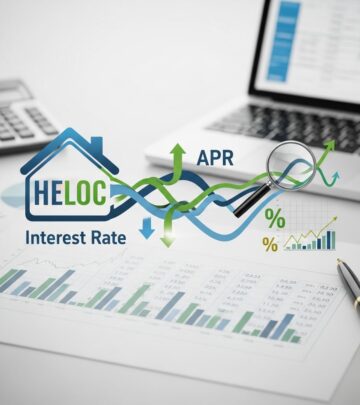
HELOC rates are typically variable, meaning they fluctuate based on the prime rate, which is influenced by Federal Reserve policy. Most lenders offer rates calculated as the prime rate plus a margin, which can range from several percentage points higher. Some lenders also provide introductory rates—temporarily lower fixed rates lasting several months to a year before converting to a variable rate. The annual percentage rate (APR) you receive depends on your credit score, loan-to-value ratio, the amount borrowed, the draw and repayment periods, and whether you’re borrowing against a primary residence or investment property.
Top HELOC Lenders Comparison
The following table displays some of the best HELOC options available in November 2025, based on current rates and terms offered by leading lenders:
| Lender | Credit Line Amount | Term Period | Current APR | Special Features |
|---|---|---|---|---|
| Lender A | $25,000–$400,000 | Up to 30 years | 6.15% | Competitive rates for larger credit lines |
| Lender B | $10,000–$300,000 | 10-year draw, 30-year total repay | 6.74% | Extended repayment period for flexibility |
| Lender C | Starting at $25,000 | 10-year draw, 20-year repay | 7.09% | Standard HELOC terms |
| Lender D | Up to $1 million | 10-year draw, 20-year repay | 7.25% (5.99% intro) | 12-month introductory rate available |
| Lender E | Starting at $5,000 | 10-year draw / 20-year repay | 8.09% (fixed) / 8.17% (variable) | Fixed-rate and variable-rate options |
| Lender F | $10,000–$500,000 | 15-year draw, 15-year repay | 7.94% standard / 8.44% interest-only | Interest-only HELOC available |
| Lender G | $15,000–$1 million | 30 years | 8.00% (5.99% intro) | 6-month introductory rate option |
| Lender H | $25,000-$150,000 | 10-year draw, 20-year repay | 8.65% (5.99% intro) | 6-month introductory rate available |
Alliant Credit Union: Best Overall HELOC Lender
Alliant Credit Union stands out as a leading HELOC provider, earning a Bankrate Rating of 4.1/5. Originally founded in 1935 to serve United Airlines employees, Alliant Credit Union has expanded to serve borrowers across more than half the country. Operating exclusively online and through a network of surcharge-free ATMs, Alliant provides convenient access to banking services without geographical limitations. This digital-first approach makes it an excellent option for borrowers seeking competitive HELOC rates combined with modern banking convenience.
Key Factors Influencing Your HELOC Rate
Several factors determine the specific HELOC rate you’ll receive from lenders:
Federal Reserve Policy
HELOC rates are fundamentally tied to the prime rate, which reflects Federal Reserve monetary policy decisions. When the Federal Reserve adjusts the federal funds rate, the prime rate follows, directly impacting the variable rates on HELOCs. This connection means that understanding Fed policy trends can help you anticipate rate movements and time your HELOC application strategically.
Credit Score
Your credit score significantly influences the APR you receive. Borrowers with higher credit scores qualify for lower interest rates, while those with lower scores may face higher rates or stricter lending terms. Lenders view strong credit histories, demonstrated by on-time payments and low debt levels, as indicators of lower risk, resulting in more favorable rate offers.
Loan-to-Value Ratio
The loan-to-value (LTV) ratio—the percentage of your home’s value you wish to borrow—affects your rate. Lower LTV ratios indicate less risk for lenders, typically resulting in better rates. Most lenders allow borrowing up to 80 to 90 percent of your home equity, though the exact percentage depends on individual lender policies and your financial profile.
Loan Type, Amount, and Property Type
Larger loan amounts or longer repayment periods generally carry higher rates due to increased lender risk over time. Additionally, borrowing against a second home or investment property typically results in higher rates than borrowing against your primary residence, as these properties are considered higher risk.
Lender Selection
Different lenders offer varying rates and terms. Many financial institutions provide discounts to existing customers who maintain checking accounts or other banking relationships. Additionally, some lenders offer teaser rates—temporarily reduced APRs lasting from several months to a year—to attract new borrowers.
Variable vs. Fixed-Rate HELOCs
Most traditional HELOCs feature variable interest rates that adjust periodically based on the prime rate. However, fixed-rate HELOCs have gained popularity, growing from 5 percent of all HELOCs in 2023 to 7 percent in 2024. Fixed-rate HELOCs combine features of traditional home equity loans with HELOC flexibility, allowing borrowers to lock in a stable rate on some or all of their balance. While fixed-rate HELOCs typically carry rates approximately one percentage point higher than their variable counterparts, they provide budgeting certainty and protection against rate increases. Some lenders allow borrowers to convert a portion of their variable-rate balance to a fixed rate at any point during the draw period, offering flexibility in rate management.
HELOC Draw and Repayment Periods
HELOCs typically feature two distinct periods. The draw period—usually 10 years—allows you to borrow funds as needed. During this time, you typically pay only interest on amounts drawn. The repayment period follows, during which you cannot draw additional funds but must repay the outstanding balance. Repayment periods typically range from 15 to 30 years, depending on the lender and your agreement. Understanding these periods is crucial for financial planning, as your monthly payment obligations increase substantially once you enter the repayment phase.
Introductory Rates and Special Offers
Many top HELOC lenders entice new borrowers with introductory rates. These teaser rates—often 1 to 3 percentage points below the standard variable rate—last for a predetermined period, typically 6 months to 12 months. After the introductory period expires, your rate adjusts to the standard variable rate established by the lender. These promotional rates can provide significant savings during the initial draw period, though it’s important to understand what your rate will be after the introductory period ends.
How to Qualify for a HELOC
Lenders evaluate multiple criteria when determining HELOC eligibility. Your credit score is primary, with most lenders requiring scores of 620 or higher, though better rates typically require scores of 700 or above. Lenders also examine your debt-to-income ratio, which should generally not exceed 43 percent. You must have sufficient home equity—typically at least 15 to 20 percent—and demonstrate stable income through recent tax returns and employment verification. Additionally, lenders verify your home’s current value through appraisals to determine how much equity you can access.
HELOC Rate Trends for 2025
HELOC rates have remained relatively stable in recent weeks, holding near two-year lows at 7.81% as of November 25, 2025. The Mortgage Bankers Association projects strong growth in HELOC debt for 2025, with year-over-year increases expected to reach nearly 10 percent, compared to 7 percent for home equity loans. This growth reflects increased consumer interest in HELOCs as a financing option, likely driven by competitive rates and the flexibility HELOCs provide compared to traditional home equity loans.
Using a HELOC Wisely
Before applying for a HELOC, carefully consider how you’ll use the funds. HELOCs work well for ongoing expenses, home improvements, debt consolidation, or emergency reserves. However, using a HELOC for discretionary spending can lead to accumulating debt against your home, increasing your financial risk. Remember that your home serves as collateral—failure to repay could result in foreclosure. Create a comprehensive repayment strategy before drawing funds, accounting for rate increases that may occur after introductory periods end.
Frequently Asked Questions (FAQs)
Q: What is the difference between a HELOC and a home equity loan?
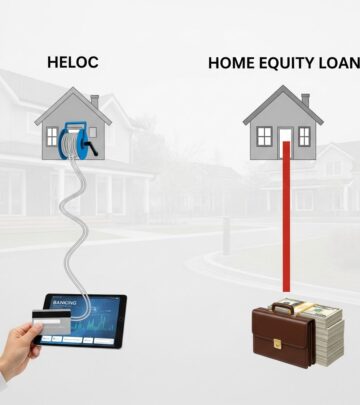
A: A HELOC is a revolving line of credit with variable rates that you can draw from as needed, similar to a credit card. A home equity loan provides a lump sum with a fixed rate and set repayment schedule. HELOCs offer flexibility, while home equity loans provide predictable payments.
Q: Can I pay off my HELOC early without penalties?
A: Most HELOC lenders allow early repayment without penalties. However, some may charge prepayment fees, so verify your lender’s specific terms before applying. Early repayment can save substantial interest costs over time.
Q: How does a HELOC interest rate differ from a mortgage rate?
A: HELOC rates are typically higher than mortgage rates because they’re secondary liens on your property and usually feature variable rates. Mortgage rates are generally lower because first mortgages carry less risk for lenders.
Q: What happens to my HELOC rate if the Federal Reserve raises interest rates?
A: If the Federal Reserve raises rates, your HELOC’s variable rate will increase, raising your monthly payment. This is why fixed-rate HELOC options appeal to borrowers seeking payment stability.
Q: How much can I borrow with a HELOC?
A: Lenders typically allow borrowing up to 80 to 90 percent of your home equity. The exact amount depends on your home’s value, existing mortgage balance, credit score, and debt-to-income ratio.
Q: Are HELOC interest payments tax-deductible?
A: HELOC interest may be tax-deductible if you use the funds for home improvements. Consult a tax professional to determine your specific situation, as deductibility rules depend on how the funds are used.
Q: Can I convert my variable-rate HELOC to a fixed rate?
A: Many lenders allow you to convert a portion or all of your HELOC balance to a fixed rate during the draw period. This conversion typically results in a slightly higher interest rate but provides payment stability.
Q: How long does it take to get approved for a HELOC?
A: HELOC approval typically takes 7 to 14 days, depending on the lender and complexity of your application. Online lenders like Alliant Credit Union may process applications faster than traditional banks.
References
- Current home equity line of credit (HELOC) rates for November 2025 — Bankrate. November 25, 2025. https://www.bankrate.com/home-equity/heloc-rates/
- What Is A HELOC (Home Equity Line Of Credit)? — Bankrate. https://www.bankrate.com/home-equity/what-is-heloc/
- Lenders Love Fixed-rate HELOCs. Should You? — Bankrate. https://www.bankrate.com/home-equity/lenders-love-fixed-rate-helocs-should-you/
- How Fed Moves Impact HELOCs, Home Equity Loans — Bankrate. https://www.bankrate.com/home-equity/federal-reserve-and-home-equity-rates/
- HELOC And Home Equity Loan Requirements In 2025 — Bankrate. https://www.bankrate.com/home-equity/requirements-to-borrow-from-home-equity/
- Home Equity Rates Fall To Lowest Level In Two Years — Bankrate. https://www.bankrate.com/home-equity/home-equity-rates-lowest-in-two-years/
- Data Center HELOC Index — Bankrate. https://www.bankrate.com/data-center/heloc/
Similar Articles








Read full bio of medha deb