Best Debt Consolidation Loans in November 2025
Find the right debt consolidation loan to simplify payments and save on interest costs.

Understanding Debt Consolidation Loans
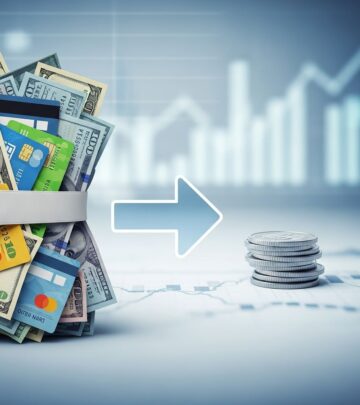
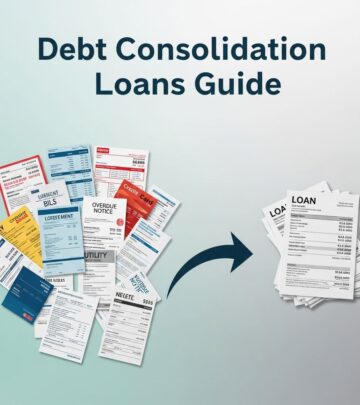
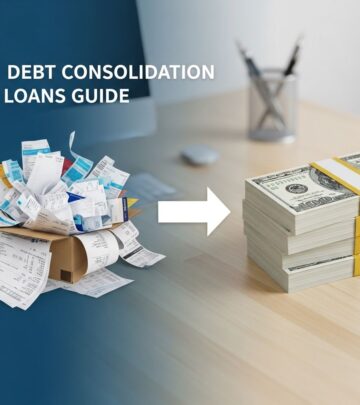
Debt consolidation loans are installment loans specifically designed to combine multiple debts into a single loan with a fixed monthly payment. Rather than juggling numerous creditors, payment dates, and varying interest rates, borrowers can streamline their finances into one manageable obligation. This approach simplifies debt management and often provides significant financial benefits, particularly for those struggling with high-interest credit card debt.
The fundamental appeal of debt consolidation lies in its ability to transform a complex financial situation into something more straightforward. Instead of tracking multiple due dates and minimum payments across different accounts, you make one payment each month to a single lender. This consolidation can lead to lower overall interest costs and a faster path to becoming debt-free.
How Debt Consolidation Works
The first step in pursuing debt consolidation is determining how much debt you want to consolidate. It typically makes sense to consolidate debt only when you can secure a lower interest rate than what you’re currently paying on your existing debts.
Consider a practical example: suppose you have three credit cards with the following balances and annual percentage rates:
- Card 1: $5,000 balance at 20% APR
- Card 2: $2,000 balance at 25% APR
- Card 3: $1,000 balance at 16% APR
If you continue making minimum payments on these cards, you would pay approximately $218.33 monthly and take roughly 23 years to eliminate your balances. During this extended repayment period, you would accumulate over $12,000 in total interest charges—a substantial financial burden.
Now suppose you qualify for an $8,000 debt consolidation loan. You have two options: a 24-month term at 10% APR or a 60-month term at 12% APR. Each option presents distinct advantages depending on your financial circumstances and goals.
Comparing Consolidation Scenarios
The impact of choosing a debt consolidation loan becomes clear when comparing the numbers side by side:
| Repayment Method | Monthly Payment | Total Interest | Payoff Timeline |
|---|---|---|---|
| Credit card minimum payments | $218.33 | $12,000+ | 23+ years |
| 24-month consolidation loan | $369 | $859.93 | 24 months |
| 60-month consolidation loan | $178 | $2,198.58 | 60 months |
With the 60-month debt consolidation loan, your monthly payment drops by $40.33 compared to minimum credit card payments, you save over $9,800 in total interest, and your debt is eliminated within five years. If you can afford the $150 monthly increase, the 24-month option saves over $11,000 in total interest while becoming debt-free in just two years.
The Real Impact of Lower Interest Rates
Interest rate differences might seem minor on the surface, but they compound significantly over time. As of November 2025, the average credit card rate stands at 19.87%, while the average personal loan rate is 12.25%. For borrowers with average credit or better, this rate differential translates into substantial savings. Those with excellent credit often qualify for rates under 7%, depending on the lender.
The reason personal loans typically carry lower rates relates to their structure as fixed-term installment loans. Unlike credit cards, which offer revolving credit, personal loans have defined repayment schedules that reduce lender risk. This lower risk allows lenders to offer more competitive rates, which directly benefits borrowers.
Qualifying for a Debt Consolidation Loan
Your credit score plays the central role in determining your eligibility and the rates you’ll receive. Here are the key steps to qualify for a debt consolidation loan:
1. Check Your Credit Score — Start by obtaining your credit report and score from the three major bureaus. Your score influences both your approval odds and the interest rate you’ll be offered.
2. List Out Your Debts and Payments — Compile a comprehensive inventory of all debts you want to consolidate, including current balances, interest rates, and monthly payments. This information helps you calculate potential savings.
3. Calculate Your Potential Savings — Use debt consolidation calculators and personal loan calculators to estimate how much you could save by consolidating. Compare scenarios with different loan terms.
4. Compare Lenders — When evaluating debt consolidation lenders, carefully consider their APRs, fees, and additional perks. The lowest personal loan rates are typically offered to borrowers with excellent credit scores of 780 or higher for terms of 36 months or less.
5. Assess Your Credit Situation — If your score is low because of maxed-out credit cards, explore options for debt consolidation with bad credit. You may need to shop around more for competitive rates, but it could still be worthwhile if your new score transitions you out of the bad-credit category.
How Debt Consolidation Affects Your Credit Score
A debt consolidation loan can boost your credit score in two significant ways. First, combining multiple debts into one new fixed-rate loan reduces the risk of missing a payment due to multiple due dates. Second, paying off credit card debt directly reduces your credit utilization ratio, which frequently improves scores quickly—provided you avoid racking up new credit card debt afterward.
Research by TransUnion shows that consolidating debt with a personal loan results in an average 18-point credit score increase at the time of loan origination. This increase continues as you pay down the loan. While 18 points might seem modest, it can significantly affect your financial future.
Consider these real-world impacts: a score increase from 699 to above 700 could save you over $1,200 on mortgage closing costs when buying an average-priced home. A score bump from 629 to above 640 moves you from bad credit to fair credit, potentially dropping your average personal loan rate from above 30% to below 18%—a dramatic improvement in borrowing costs.
Advantages of Debt Consolidation
Debt consolidation offers several compelling benefits for eligible borrowers:
- Lower Interest Rates: If you have average or better credit, you’ll typically secure a lower rate than what you’re currently paying on credit cards.
- Simplified Payments: One monthly payment replaces multiple obligations, making budgeting and payment management easier.
- Faster Debt Elimination: With lower interest rates and fixed terms, you can become debt-free much sooner than with minimum credit card payments.
- Improved Credit Score: The combination of reduced credit utilization and simplified payment structure often leads to meaningful credit score improvements.
- Fixed Payment Schedule: Unlike revolving credit, you know exactly when your debt will be eliminated.
- Reduced Stress: Managing one predictable payment is less mentally taxing than juggling multiple creditors.
Potential Drawbacks to Consider
While debt consolidation offers substantial benefits, it’s not universally appropriate for everyone. Borrowers with low credit scores may struggle to secure rates lower than their current debts. In these situations, consolidation could actually increase your overall interest costs. If you can’t obtain a lower interest rate, consolidation may not make financial sense.
Additionally, some lenders charge origination fees, late fees, and other charges that can add to your total costs. It’s essential to read the fine print and understand all fees before committing to a consolidation loan.
Another consideration: consolidation only works if you maintain disciplined spending habits. If you consolidate credit card debt but then accumulate new balances on those cards, you’ll end up with even more total debt. Many consolidation success stories involve borrowers who commit to avoiding new credit card debt after consolidating.
Leading Debt Consolidation Lenders
Several lenders specialize in debt consolidation loans. When evaluating options, consider the following factors:
- APR range and rates available to various credit tiers
- Origination fees and other charges
- Minimum and maximum loan amounts
- Loan term options
- Whether the lender pays creditors directly
- Customer service quality and availability
- Processing speed and funding timeline
Lenders like Upgrade have earned recognition for their wide range of loan terms, competitive APRs, and low minimum credit score requirements. Upgrade’s ability to make direct payments to your creditors saves time and effort, as the lender handles the distribution rather than requiring you to manage the process.
Debt Payoff Strategies to Maximize Savings
Once you’ve obtained a consolidation loan, employing the right payoff strategy can accelerate your progress toward becoming debt-free:
Debt Avalanche Method: With this approach, you focus on paying off the highest-APR debts first while making minimum payments on others. Starting with the highest-interest debt helps you save more money on interest compared to alternative strategies.
To calculate your potential savings through consolidation, use a credit card payoff calculator alongside a personal loan calculator. These tools provide concrete numbers that illustrate the financial impact of consolidation under various scenarios.
The Future of Debt Consolidation
As consumer borrowing patterns evolve, debt consolidation loans continue to play an important role in helping Americans manage their finances. The rising popularity of buy-now-pay-later services has created new consolidation opportunities, as borrowers seek to bring multiple BNPL accounts under one umbrella with a single, lower-interest payment. Industry experts anticipate increased demand for consolidation loans as these alternative credit products become more prevalent.
Frequently Asked Questions
Q: How much can I save with a debt consolidation loan?
A: Savings depend on your current interest rates, loan term, and consolidation loan rates. As shown in examples above, you could save $9,800 to $11,000+ on interest, though individual results vary based on your specific situation.
Q: Will debt consolidation hurt my credit score?
A: While there’s typically a small initial dip from the hard inquiry and new account, your score usually recovers and improves as you pay down the consolidation loan, especially as your credit utilization drops.
Q: What credit score do I need to qualify?
A: Requirements vary by lender, but many accept borrowers with fair credit (typically 580+). The best rates go to those with excellent credit (780+), but even those with average credit can often secure better rates than their current credit cards.
Q: Can I consolidate with bad credit?
A: Yes, some lenders specialize in bad credit consolidation loans. You may pay higher rates or need a cosigner, but consolidation remains possible. Shop around to find competitive options.
Q: How long does the approval process take?
A: Most lenders fund loans within one to two business days if sending to you directly, though it may take up to two weeks if the lender pays creditors directly on your behalf.
References
- How Debt Consolidation Loans Work — Bankrate. 2025. https://www.bankrate.com/loans/personal-loans/how-debt-consolidation-loans-work/
- How Do You Qualify for a Debt Consolidation Loan? — Bankrate. 2025. https://www.bankrate.com/loans/personal-loans/how-do-you-qualify-for-a-debt-consolidation-loan/
- Pros and Cons of Debt Consolidation: Is it a good idea? — Bankrate. 2025. https://www.bankrate.com/personal-finance/debt/pros-and-cons-of-debt-consolidation/
- How Bankrate Experts Used Credit Card Consolidation Loans — Bankrate. 2025. https://www.bankrate.com/loans/personal-loans/do-credit-card-consolidation-loans-help-credit/
- Best Debt Consolidation Loans in November 2025 — Bankrate. 2025. https://www.bankrate.com/loans/personal-loans/debt-consolidation-loans/
- How To Consolidate Debt Without Hurting Your Credit — Bankrate. 2025. https://www.bankrate.com/personal-finance/debt/how-to-consolidate-debt-without-hurting-credit/
Similar Articles








Read full bio of medha deb