Best Debt Consolidation Loans of November 2025
Find the best debt consolidation loans with competitive rates and flexible terms to simplify your debt repayment.

Debt consolidation can be a powerful financial strategy to simplify your repayment obligations and potentially reduce the amount of interest you pay over time. By combining multiple debts into a single loan, borrowers can benefit from streamlined payments, lower interest rates, and improved financial clarity. To help you find the right solution, we reviewed more than 30 lenders, prioritizing overall costs, special offers, and customer satisfaction ratings. This comprehensive guide highlights the best debt consolidation loan options available in November 2025.
What Makes a Great Debt Consolidation Loan?
When evaluating debt consolidation loans, several key factors stand out. A superior consolidation loan typically offers competitive interest rates, transparent fee structures, flexible repayment terms, and excellent customer service. The best options also provide fast application processes, minimal underwriting delays, and favorable terms for borrowers across various credit profiles. Additionally, lenders that eliminate unnecessary fees—such as origination charges and prepayment penalties—provide greater value to borrowers looking to reduce their overall debt burden.
Best Overall: SoFi
SoFi (Social Finance, Inc.) stands out as the best overall debt consolidation loan option due to its comprehensive features and competitive offerings. The platform provides personal loans ranging from $5,000 to $100,000, with flexible repayment terms between 24 and 84 months. SoFi’s APR range of 8.74% to 35.49% (or 9.49% to 35.99% without discounts) makes it attractive for borrowers with excellent credit scores seeking favorable rates.
What sets SoFi apart is its multiple discount opportunities. Borrowers can receive an autopay discount of 0.25%, and an additional 0.25% discount for opening a SoFi bank account, bringing potential total savings to 0.50%. While SoFi does charge origination fees up to 7%, its ranked above-average performance in the J.D. Power 2025 U.S. Consumer Lending Satisfaction Study demonstrates strong customer satisfaction. SoFi’s wide range of terms accommodates different financial situations, making it ideal for borrowers seeking flexibility and competitive rates without excessive mandatory fees.
Best for Lowest Rates: Discover
Discover Personal Loans emerges as the top choice for borrowers prioritizing the lowest interest rates available. With a competitive minimum APR of 7.99% for the most-qualified borrowers, Discover offers exceptional value for those seeking to minimize interest expenses. The lender specializes in debt consolidation and provides rapid processing—paying credit card issuers within one business day of approval.
Discover’s fee structure is particularly attractive, as the lender charges no origination fees or prepayment penalties. Recently, Discover also eliminated late fees entirely, further reducing the potential costs associated with borrowing. These customer-friendly policies, combined with low interest rates, make Discover an excellent choice for borrowers with $20,000 or more in credit card and personal loan debt seeking the most cost-effective consolidation solution.
Best for Large Loans: LightStream
LightStream specializes in substantial consolidation loans and stands as the premier choice for borrowers requiring larger amounts. The lender offers loans ranging from $5,000 to $100,000, with repayment terms spanning 24 to 84 months. LightStream’s APR range of 7.24% to 23.89% (or 7.74% to 24.39% without autopay discount) provides competitive rates for qualified borrowers.
LightStream distinguishes itself through its transparent fee policy: no origination fees, no late payment fees, and no prepayment penalties. The lender also provides a 0.50% rate discount for borrowers who set up automatic payments. However, LightStream does not offer loan pre-approvals, and applications must be submitted online—the lender does not accept applications via phone or fax. The autopay discount is only available before loan disbursement, so borrowers should factor this into their decision-making process.
Best for Small Loans: PenFed
For borrowers seeking smaller consolidation loan amounts, PenFed emerges as the optimal choice. With a minimum loan amount of just $600—significantly lower than most competitors—PenFed provides accessibility for those with modest consolidation needs. PenFed offers competitive interest rates, no origination fees, and a reputation for strong customer service.
As a members-owned federal credit union, PenFed does require borrowers to become members, though membership can typically be completed during the loan application process. For borrowers with less-than-perfect credit, PenFed allows co-borrowers, enhancing approval prospects for those with credit challenges. These features combine to make PenFed the best option for individuals seeking small debt consolidation loans with favorable terms and low barriers to entry.
Best for Bad Credit: Universal Credit
Universal Credit stands out as the best debt consolidation option for borrowers with poor or fair credit scores. Accepting applicants with credit scores as low as 560, Universal Credit provides opportunities for individuals who may struggle to qualify elsewhere. The lender offers loan amounts between $1,000 and $50,000, with repayment terms of 36 to 60 months and an APR range of 11.69% to 35.99%.
Universal Credit maintains an informative, easy-to-navigate website, and charges relatively modest late fees of $10—lower than many competitors. However, borrowers should be aware that Universal Credit charges higher origination fees compared to some alternatives, and term options are more limited than industry leaders. Despite these considerations, Universal Credit remains the most accessible option for borrowers with challenged credit histories seeking legitimate debt consolidation solutions.
Other Lenders Worth Considering
Achieve
Achieve presents another viable option for debt consolidation, accepting borrowers with credit scores as low as 620. The lender offers an APR range of 8.99% to 29.99%, though achieving the lowest rate requires excellent credit, loan amounts under $12,000, and the shortest 24-month term. Achieve charges origination fees ranging from 1.99% to 8.99%. The company offers flexibility through options such as co-borrower applications and varying term structures. Borrowers seeking loan amounts of $35,000 or higher must meet a minimum credit score requirement of 660.
Key Features of Top Debt Consolidation Loans
Leading debt consolidation lenders share several common characteristics that make them superior choices:
Competitive Interest Rates: Top lenders offer APR ranges starting in the single digits for well-qualified borrowers, significantly reducing the cost of carrying debt over time.
Transparent Fee Structures: The best consolidation loans eliminate or minimize fees such as origination charges, prepayment penalties, and late fees.
Flexible Terms: Repayment periods ranging from 24 to 84 months allow borrowers to select timelines matching their financial situations and goals.
Fast Processing: Quick approval and funding timelines—sometimes within one business day—enable borrowers to address urgent debt situations promptly.
Wide Loan Amounts: Ranging from $600 to $100,000, top lenders accommodate diverse consolidation needs across the financial spectrum.
Customer Satisfaction: Recognition in industry satisfaction surveys and positive customer reviews indicate reliable service and strong borrower experiences.
Comparison of Top Debt Consolidation Loan Options
| Lender | APR Range | Loan Amount | Terms | Key Feature |
|---|---|---|---|---|
| SoFi | 8.74% – 35.49% | $5,000 – $100,000 | 24-84 months | Multiple discounts, high satisfaction |
| Discover | 7.99% – (high end not specified) | $20,000+ | Flexible | Lowest rates, no fees |
| LightStream | 7.24% – 23.89% | $5,000 – $100,000 | 24-84 months | Large loans, rate discount |
| PenFed | Competitive (specific rates not listed) | $600+ | Flexible | Smallest minimum amount |
| Universal Credit | 11.69% – 35.99% | $1,000 – $50,000 | 36-60 months | Accepts low credit scores (560+) |
| Achieve | 8.99% – 29.99% | Varies | 24+ months | Credit score 620+, flexible options |
How Debt Consolidation Works
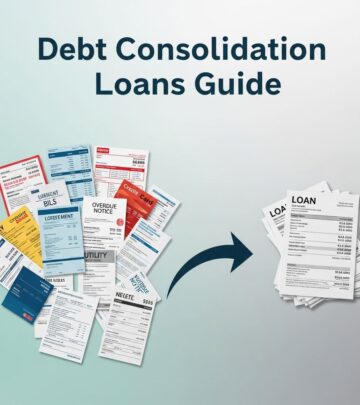
Debt consolidation involves combining multiple debt balances—such as credit card balances, personal loans, medical bills, and other unsecured debts—into a single new loan. The new consolidation loan pays off existing debts in full, leaving borrowers with one monthly payment instead of multiple payments to different creditors. This strategy can significantly simplify finances, reduce monthly payment amounts through lower interest rates or extended terms, and potentially improve credit scores by reducing credit utilization ratios and demonstrating responsible repayment behavior.
Benefits of Debt Consolidation
Consolidating debt offers numerous advantages for struggling borrowers. A single monthly payment simplifies budgeting and reduces the cognitive burden of managing multiple accounts. Lower interest rates available through consolidation loans can reduce the total amount of interest paid over the loan term. Extended repayment periods may lower monthly payment amounts, improving cash flow and financial flexibility. Additionally, demonstrating responsible management of a consolidation loan can gradually improve credit scores, opening doors to better rates on future borrowing.
Important Considerations Before Consolidating
While debt consolidation offers substantial benefits, borrowers should carefully evaluate their situations before proceeding. Extending repayment terms, while reducing monthly payments, may increase total interest paid over time. Consolidation loans typically require a credit check, which temporarily impacts credit scores. Borrowers must avoid accumulating new debt on paid-off credit cards, as this undermines consolidation benefits. Additionally, those with very poor credit or high debt-to-income ratios may face challenges obtaining favorable consolidation terms or may require a co-signer or collateral to qualify.
Alternative Debt Consolidation Strategies
Beyond traditional personal loans, several alternative consolidation approaches deserve consideration. Balance transfer credit cards offering 0% introductory rates can be effective for borrowers with good credit seeking to temporarily pause interest accrual. Debt management plans through nonprofit credit counseling agencies help negotiate lower interest rates with creditors and establish structured repayment schedules. Home equity lines of credit (HELOCs) and home equity loans leverage home equity for consolidation, typically offering lower rates but putting home ownership at risk. Negotiating directly with creditors or working with debt relief companies may yield reduced payments or settlement options for those facing severe financial hardship.
Frequently Asked Questions
Q: What credit score do I need for debt consolidation?
A: Credit score requirements vary by lender. Most mainstream lenders prefer scores of 620 or higher, though some accept scores as low as 560. Borrowers with lower scores may face higher interest rates or require a co-signer or collateral.
Q: Will consolidating my debt affect my credit score?
A: Consolidation involves a hard inquiry that temporarily lowers your score slightly. However, as you pay down the new loan and reduce overall credit utilization, your credit score typically improves over time.
Q: How much can I borrow with a debt consolidation loan?
A: Loan amounts range widely by lender, from as little as $600 with PenFed to $100,000 with SoFi and LightStream. The amount you can borrow depends on your creditworthiness, income, and debt-to-income ratio.
Q: What fees should I watch out for?
A: Common fees include origination fees, prepayment penalties, and late fees. Top-rated lenders typically minimize or eliminate these charges. Always review the fee structure in the loan agreement before committing.
Q: How long does debt consolidation take?
A: Application and approval typically take days to weeks, with some lenders providing funding within one business day of approval. The overall consolidation process from application to debt payoff depends on your repayment term.
Q: Is debt consolidation the same as debt settlement?
A: No. Consolidation combines debts into a single loan while maintaining repayment obligations. Settlement involves negotiating with creditors to accept less than the full amount owed, often with significant credit impact.
References
- Best Debt Consolidation Loans of November 2025 — Money (formerly TIME Money). 2025-11-29. https://money.com/best-debt-consolidation-loans/
- Debt Consolidation Loans & Rates Comparison Australia — Money.com.au. 2025. https://www.money.com.au/personal-loans/debt-consolidation-loans
- What Is Debt Consolidation and How Does It Work? — Money. 2025. https://money.com/understanding-debt-consolidation/
- How to Get Consolidation Loan With High Debt-to-Income Ratio — Money. 2025. https://money.com/consolidation-loan-high-debt-income-ratio/
- 3 Smart Ways to Consolidate Debt — Money. 2025. https://money.com/ways-to-consolidate-debt/
- 6 Tips to Make Debt Consolidation Work for You — Money. 2025. https://money.com/tips-to-succeed-consolidating-debt/
Similar Articles








Read full bio of Sneha Tete