Best Credit Utilization Percentile for Top Scores
Discover the optimal credit utilization levels that align with elite credit scores and learn actionable steps to achieve them.
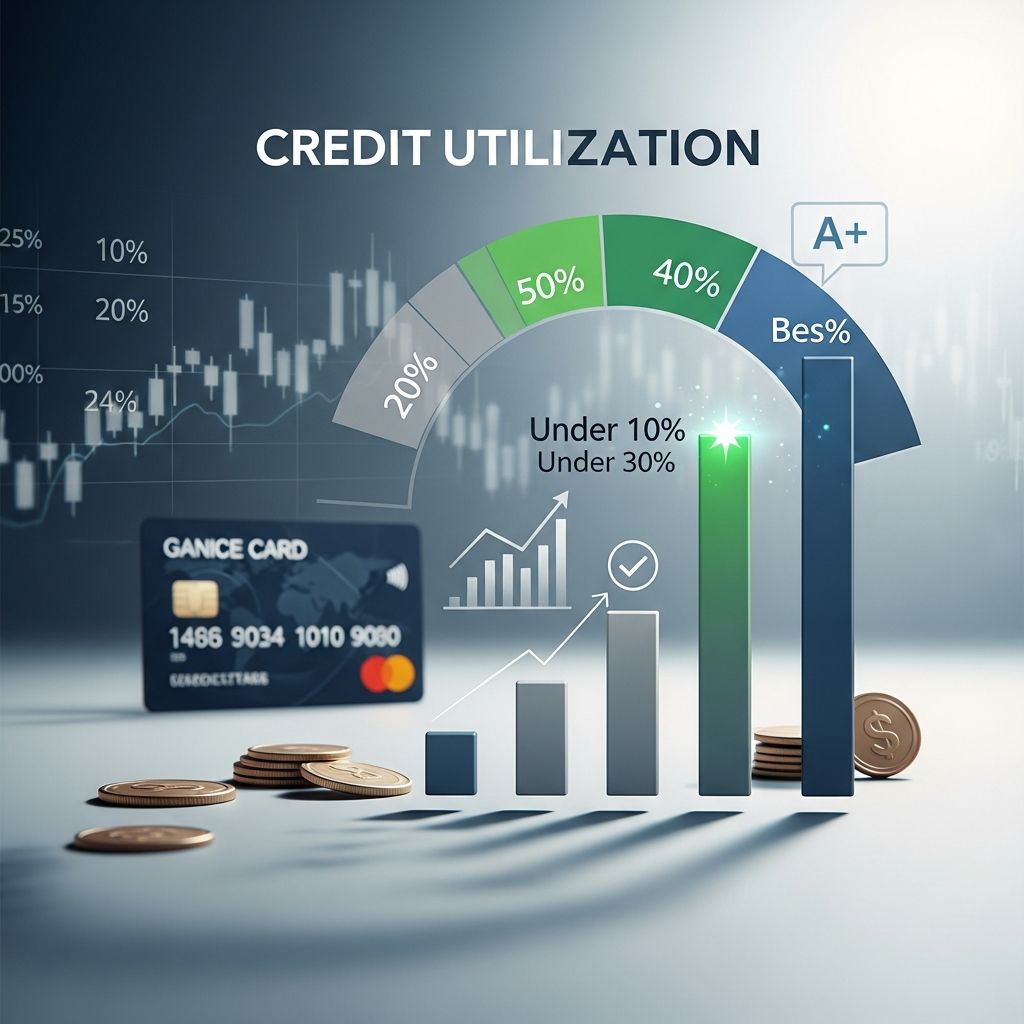
Credit utilization ratio, calculated as the percentage of available credit you’re using, is a pivotal factor in determining your credit score, often accounting for up to 30% of the total. Achieving the best percentiles—typically single-digit utilization—positions you among those with exceptional credit profiles, facilitating access to premium loans, lower interest rates, and superior financial products.
Decoding Credit Utilization and Its Scoring Weight
The credit utilization ratio measures debt relative to credit limits across revolving accounts like credit cards. Lenders and scoring models, such as FICO and VantageScore, scrutinize this metric to assess borrowing risk. A low ratio signals disciplined financial habits, while high usage suggests overreliance on credit, potentially harming your score.
Financial institutions report that this ratio influences the ‘amounts owed’ category, second only to payment history in importance. For instance, dividing total balances by total limits yields the overall ratio, but per-account ratios also matter. Maintaining balance across cards prevents any single high-utilization account from dragging down the aggregate figure.
Quantifying Ideal Levels: Data from Credit Bureaus
Recent analyses reveal stark differences in utilization by score tier. Experian data from Q3 2024 shows those with exceptional scores (800-850) average just 7.1% utilization, far below the national average of 29%. This single-digit percentile correlates directly with top-tier ratings.
| Score Range | Average Utilization Ratio |
|---|---|
| Poor (300-579) | 80.7% |
| Fair (580-669) | 61.4% |
| Good (670-739) | 38.6% |
| Very Good (740-799) | 15.2% |
| Exceptional (800-850) | 7.1% |
This table underscores that the best performers hover in the lowest percentiles, with utilization under 10% defining elite status. While 30% serves as a threshold where negative impacts intensify, surpassing it places you below ‘good’ territory.
Why Single Digits Trump the 30% Threshold
Although experts universally advise staying under 30% for healthy credit management, top scores demand more. Single-digit ratios—ideally 1-9%—demonstrate ample buffer against unexpected expenses, reassuring lenders of your stability. Data confirms those in the 800+ range rarely exceed 10%, highlighting this as the gold standard percentile.
High utilization, even at 30%, can signal risk during economic fluctuations, whereas low ratios build lender confidence. For multiple cards, aggregate and individual ratios both factor in, so balanced usage across accounts optimizes outcomes.
Step-by-Step Calculation Guide
Computing your ratio is straightforward:
- Sum balances across all revolving accounts.
- Sum total credit limits.
- Divide balances by limits, then multiply by 100 for the percentage.
Example: $2,000 balances on $20,000 limits equals 10%. Tools from credit bureaus or apps automate this, but manual checks ensure accuracy using reported figures, as scoring models rely on credit report data.
Proven Tactics to Reach Elite Percentiles
Lowering utilization unlocks higher scores swiftly. Key strategies include:
- Accelerate payments: Pay balances multiple times monthly to minimize reported usage.
- Boost limits: Request increases from issuers, provided you avoid spending more.
- Optimize card spread: Distribute charges across multiple cards to dilute per-account ratios.
- Retain old accounts: Keep seasoned cards open to expand total available credit.
- Set spending caps: Target 10% of monthly credit spend against total limits.
Alerts for nearing 30% usage help preempt spikes. Over time, consistent low utilization compounds score gains.
Navigating Common Pitfalls and Myths
A frequent misconception: zero utilization harms scores. While not ideal long-term—demonstrating no credit use might limit history—occasional zero balances are fine if averages stay low. Another pitfall: closing cards post-payoff, which shrinks limits and inflates ratios.
High earners sometimes overlook utilization despite low debt, as ratios are absolute percentages. Monitoring via free weekly reports from bureaus keeps you aligned with best practices.
Long-Term Management for Sustained Excellence
Elite credit health requires ongoing vigilance. Quarterly reviews of reports catch discrepancies, while diversifying credit types (e.g., adding installment loans) balances the mix without over-relying on revolving debt.
For rebuilders, starting with secured cards builds positive history alongside low utilization. Over 12-24 months, disciplined habits can shift you from fair to exceptional tiers, per bureau trends.
Real-World Impacts of Optimal Utilization
Low-ratio profiles secure better terms: 0.5-1% lower APRs on mortgages, higher limits without hard inquiries, and approval odds 2-3x above average. Businesses favor low-utilization applicants for partnerships, amplifying personal finance advantages.
In recessions, those under 10% utilization access emergency credit effortlessly, underscoring resilience.
Frequently Asked Questions
Is 0% utilization optimal?
No—aim for 1-10% to show active, responsible use without maxing limits.
How quickly does utilization affect scores?
Changes reflect in reports within 30 days, influencing scores shortly after.
Does utilization matter more than payment history?
No—payments are primary (35%), but utilization (30%) is close second.
Can I ignore per-card ratios?
No—high usage on one card hurts overall, even if aggregate is low.
What’s the fastest way to drop from 50% to under 10%?
Combine payments, limit requests, and charge redistribution.
Advanced Optimization for Power Users
Those with 10+ cards benefit from algorithmic spreading: allocate spends proportionally to limits. Authorized user status on low-balance high-limit cards can borrow positive ratios, but vet issuers carefully.
Automation via autopay for full balances ensures near-zero reporting. Pair with score simulators to project percentile shifts pre-action.
In summary, targeting single-digit credit utilization percentiles—mirroring exceptional score holders—transforms creditworthiness. Implement calculations, strategies, and monitoring today for enduring financial edge.
References
- What Is a Credit Utilization Rate? — Experian. 2024-10-01. https://www.experian.com/blogs/ask-experian/credit-education/score-basics/credit-utilization-rate/
- What Is A Good Credit Utilization Ratio? — Bankrate. 2024-11-15. https://www.bankrate.com/credit-cards/advice/good-credit-utilization-ratio/
- Credit Utilization Ratio: The Lesser-Known Key to Your Credit Health — VantageScore. 2024-09-20. https://vantagescore.com/resources/knowledge-center/credit-utilization-ratio-the-lesser-known-key-to-your-credit-health
- How Credit Utilization Ratio Affects Your Credit Score — Federal Bank. 2024-08-05. https://www.federal.bank.in/how-credit-utilization-ratio-affects-your-credit-score
- What Is Credit Utilization Ratio? How to Calculate Yours — NerdWallet. 2024-12-10. https://www.nerdwallet.com/finance/learn/how-is-credit-utilization-ratio-calculated
Similar Articles








Read full bio of Sneha Tete