Best Compound Interest Investments to Grow Wealth
Explore top compound interest investments, how compounding works, and smart strategies to grow long-term wealth consistently.

Compound interest is one of the most powerful tools you can use to build long-term wealth. When your earnings generate additional earnings over time, your money can grow faster than it would with simple interest alone. Understanding how to leverage compound interest through the right investments can make an enormous difference in your financial future.
What Is Compound Interest?
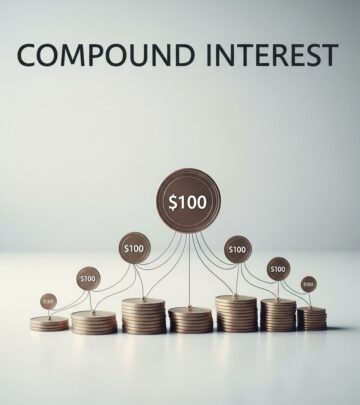
Compound interest is interest calculated not only on your original principal, but also on the interest that has already been added to your balance. In other words, it is “interest on interest,” and it causes your money to grow at an accelerating, or exponential, rate over time.
By contrast, simple interest is only calculated on the principal. With simple interest, the interest amount stays the same each period. With compound interest, the interest amount usually increases each period because the base it is calculated on keeps getting bigger.
How Compound Interest Works
The basic compound interest formula is:
A = P(1 + r/n)^(nt)Where:
- P = principal (initial amount)
- r = annual interest rate (decimal form)
- n = number of compounding periods per year
- t = number of years
- A = amount of money after t years
The more often interest is compounded (for example, monthly instead of annually), the faster your balance can grow, assuming the same interest rate and time period.
Compound Interest vs Simple Interest: Quick Comparison
| Feature | Compound Interest | Simple Interest |
|---|---|---|
| How it grows | Interest on principal and accumulated interest | Interest only on original principal |
| Growth pattern | Exponential growth over time | Linear growth over time |
| Best for | Long-term investing, retirement, wealth building | Short-term lending, some simple loans |
| Impact of time | Very large over long periods | Proportional to time but slower |
Why Compound Interest Matters for Wealth Building
Compound interest rewards time in the market and consistent investing. Even relatively modest contributions can grow significantly when they compound over many years. Starting early and letting compounding work in your favor is often more important than choosing the “perfect” investment.
Key benefits of compound interest include:
- Accelerating growth: The longer the investment period, the more dramatic the compounding effect becomes.
- Potentially higher total returns: Compared to simple interest, compound interest can yield a substantially larger final balance over the same time frame.
- Motivation to reinvest: Reinvesting interest, dividends, and other earnings allows you to capture the full power of compounding.
Best Compound Interest Investments
Any investment that generates income and allows you to reinvest that income can benefit from compound interest or compounding returns. Below are some of the most common and accessible options.
1. High-Yield Savings Accounts
High-yield savings accounts are bank or credit union accounts that pay a higher interest rate than traditional savings accounts. These accounts typically compound interest daily or monthly and credit it to your balance, allowing your interest to earn additional interest over time.
Key features of high-yield savings accounts:
- Usually insured by agencies such as the FDIC or NCUA up to applicable limits, reducing default risk.
- Relatively low risk compared to market-based investments.
- Good choice for emergency funds, short-term goals, or parking cash while still earning interest.
While the interest rate on savings accounts may be lower than potential stock market returns, they still benefit from compounding and are useful for preserving capital.
2. Certificates of Deposit (CDs)
Certificates of deposit (CDs) are time deposits offered by banks and credit unions. You agree to keep your money locked in for a specific term in exchange for a fixed interest rate. Many CDs compound interest periodically during the term.
Considerations with CDs:
- Typically offer higher rates than standard savings accounts for the same institution.
- Penalties usually apply for withdrawing funds before maturity.
- Best for money you can set aside for a defined period (for example, 1–5 years).
Because CD interest can be compounded and added to your principal, they can be a useful tool for conservative investors who still want some compounding growth.
3. Money Market Accounts
Money market accounts are deposit accounts that may offer higher yields than basic savings accounts, often with limited check-writing or debit card access.
Money market accounts commonly feature:
- Periodic compounding of interest, adding interest to your balance.
- Higher minimum balance requirements than standard savings accounts.
- Suitability for savers who want liquidity with some interest income.
Like savings accounts and CDs, money market accounts are primarily income and capital-preservation vehicles that use compounding to enhance returns.
4. Bonds and Bond Funds
Bonds are fixed-income securities where you lend money to a government or corporation in exchange for periodic interest payments and the return of principal at maturity. The interest itself does not automatically compound, but you can reinvest those interest payments into additional bonds or other investments, creating a compounding effect.
Bond funds (mutual funds and exchange-traded funds that invest in bonds) provide a more direct way to benefit from compounding. These funds often allow you to automatically reinvest interest distributions into more fund shares, so your income generates additional income over time.
Bonds and bond funds:
- Can be less volatile than stocks, though not risk-free.
- Provide regular income, which can be reinvested for compounding.
- Are commonly used for diversification and income in balanced portfolios.
5. Stocks, ETFs, and Mutual Funds
While compound interest is often discussed in the context of savings and fixed-income products, stocks and stock-based funds also benefit from a broader concept called compound returns. When you reinvest dividends and gains, your returns can compound over time.
Common vehicles include:
- Individual stocks that may pay dividends and have potential for price appreciation.
- Exchange-traded funds (ETFs) that track indices or sectors and often distribute dividends.
- Mutual funds that pool investor money into diversified portfolios of stocks and bonds.
If you choose to reinvest dividends and capital gains rather than taking them as cash, your holdings can grow faster through compounding. Over long periods, reinvested dividends have historically played a significant role in total stock market returns.
6. Tax-Advantaged Retirement Accounts
Retirement accounts such as 401(k)s, 403(b)s, traditional IRAs, and Roth IRAs are not investments by themselves, but they are tax-advantaged containers for investments. The earnings in these accounts can compound either tax-deferred or tax-free, depending on the type of account.
Benefits of using retirement accounts for compounding include:
- Tax-deferred or tax-free growth: Dividends, interest, and capital gains that remain in the account are not taxed annually.
- Automatic investing: Payroll contributions to employer plans help you invest consistently and benefit from long-term compounding.
- Potential employer matches: Some employer-sponsored plans add matching contributions, effectively boosting the amount that can compound for you.
Because retirement accounts are designed for long-term investing, they are particularly well suited for taking advantage of compound growth.
7. Dividend Reinvestment Plans (DRIPs)
Dividend reinvestment plans (DRIPs) allow investors to automatically reinvest cash dividends from a company or fund into additional shares. Instead of receiving dividend payments in cash, you acquire more ownership, which can itself generate future dividends.
DRIPs support compounding by:
- Increasing your share count without requiring separate purchase decisions.
- Putting every dividend payment back to work in the market.
- Allowing you to benefit from dollar-cost averaging when dividends buy shares at various prices over time.
8. Automated Investing and Robo-Advisors
Automated investing platforms, often called robo-advisors, invest your contributions into diversified portfolios based on your risk tolerance and goals. Most of these platforms automatically reinvest dividends and rebalance portfolios periodically.
How automated platforms enhance compounding:
- Automatic reinvestment of dividends and interest.
- Systematic contributions that keep money flowing into the market.
- Portfolio management that helps keep your risk level aligned with your objectives.
Factors That Affect How Fast Your Money Compounds
Several variables determine how powerful compounding will be for you:
- Rate of return: Higher average returns generally lead to faster growth, though they often come with higher risk.
- Time horizon: The number of years you leave your money invested is one of the most important factors influencing the final value.
- Compounding frequency: Daily compounding usually yields slightly more than monthly or annual compounding at the same stated rate.
- Consistency of contributions: Adding new money regularly can significantly amplify the effects of compounding.
- Reinvestment behavior: Choosing to reinvest interest, dividends, and capital gains is essential for full compounding.
Strategies to Maximize Compound Interest
Regardless of which specific investments you choose, several strategies can help you make the most of compound interest and compounded returns.
Start Early and Stay Invested
Because compounding accelerates over long periods, starting early is extremely valuable. Even small contributions can grow substantially when given enough years to compound. Staying invested through market ups and downs helps you avoid interrupting the compounding process.
Automate Your Contributions
Setting up automatic transfers into savings, investment accounts, or retirement plans ensures consistent investing. This approach aligns with dollar-cost averaging, where you invest a fixed amount at regular intervals, which can smooth out the effect of market volatility over time.
Reinvest Earnings
Instead of taking interest and dividends as cash, opt to reinvest them whenever possible. Many brokers, mutual funds, and retirement plans allow you to automatically reinvest distributions, helping your account balance grow more effectively.
Maintain a Long-Term Perspective
Compounding rewards patience. Focusing on long-term goals rather than short-term market movements can help you keep your investments in place long enough for compounding to work strongly in your favor.
Match Investments to Your Risk Tolerance
Higher potential returns often involve higher risk. Aligning your investments with your risk tolerance, time horizon, and financial goals can help you stay committed to your plan without taking on more volatility than you can comfortably handle.
Common Myths About Compound Interest
Understanding what compound interest can and cannot do helps set realistic expectations.
- Myth: You need a lot of money to benefit. In reality, small but regular contributions can grow significantly over decades due to compounding.
- Myth: Compounding only matters for savings accounts. Compounding also occurs through reinvested dividends, interest, and capital gains in a wide range of investments, including stocks and funds.
- Myth: Compounding guarantees high returns. Compounding enhances growth on whatever returns you earn, but it does not eliminate investment risk or guarantee specific outcomes.
Frequently Asked Questions (FAQs)
Q: What is the best compound interest investment for beginners?
A: For many beginners, high-yield savings accounts and tax-advantaged retirement plans (such as a 401(k) or IRA) are good starting points. These options are relatively straightforward, allow for automatic contributions, and make it easy to reinvest earnings for compounding.
Q: How often should interest be compounded?
A: More frequent compounding (such as daily or monthly) generally produces slightly higher returns than annual compounding at the same stated rate. However, over long time horizons, the difference between common compounding frequencies may be modest compared with the impact of your overall rate of return and contribution level.
Q: Can stocks provide compound interest?
A: Individual stocks do not pay “interest” in the traditional sense, but they can generate compounded returns when dividends and gains are reinvested. This process allows your returns to potentially grow on top of previous returns, similar to classic compound interest in savings or bonds.
Q: How long does it take for compound interest to make a noticeable difference?
A: The impact of compounding becomes more noticeable after several years and especially powerful over periods of 10, 20, or more years. The exact timeline depends on your rate of return, contribution amount, and how consistently you reinvest earnings.
Q: Is compound interest always good?
A: Compound interest works for you when you are the investor or saver, but it can work against you when you owe money on high-interest debt, such as certain credit cards or loans, where interest charges can compound and grow your balance.
References
- What is compound interest? — Fidelity Investments. 2023-08-01. https://www.fidelity.com/learning-center/trading-investing/compound-interest
- How Does Compound Interest Work? — Securian Financial. 2022-04-15. https://www.securian.com/insights-tools/articles/how-compound-interest-works.html
- Compounding — Texas State Securities Board. 2021-06-10. https://www.ssb.texas.gov/sites/default/files/uploads/voi/articles/compounding.html
- Best compound interest investments — Bankrate. 2024-01-05. https://www.bankrate.com/investing/best-compound-interest-investments/
- The Power of Compound Interest — University of Pennsylvania, Student Registration & Financial Services. 2022-09-20. https://srfs.upenn.edu/financial-wellness/blog/power-compound-interest
- Investing Basics: The Power of Compounding — Vanguard (YouTube). 2021-03-18. https://www.youtube.com/watch?v=NuhVK4r-VQw
- What is compound interest? — Investor.gov (U.S. Securities and Exchange Commission). 2023-05-12. https://www.investor.gov/additional-resources/information/youth/teachers-classroom-resources/what-compound-interest
Similar Articles








Read full bio of Sneha Tete