Best Colleges in the Northeast: Top Schools & Rankings
Discover the best colleges in the Northeast region with comprehensive rankings, costs, and graduation rates.
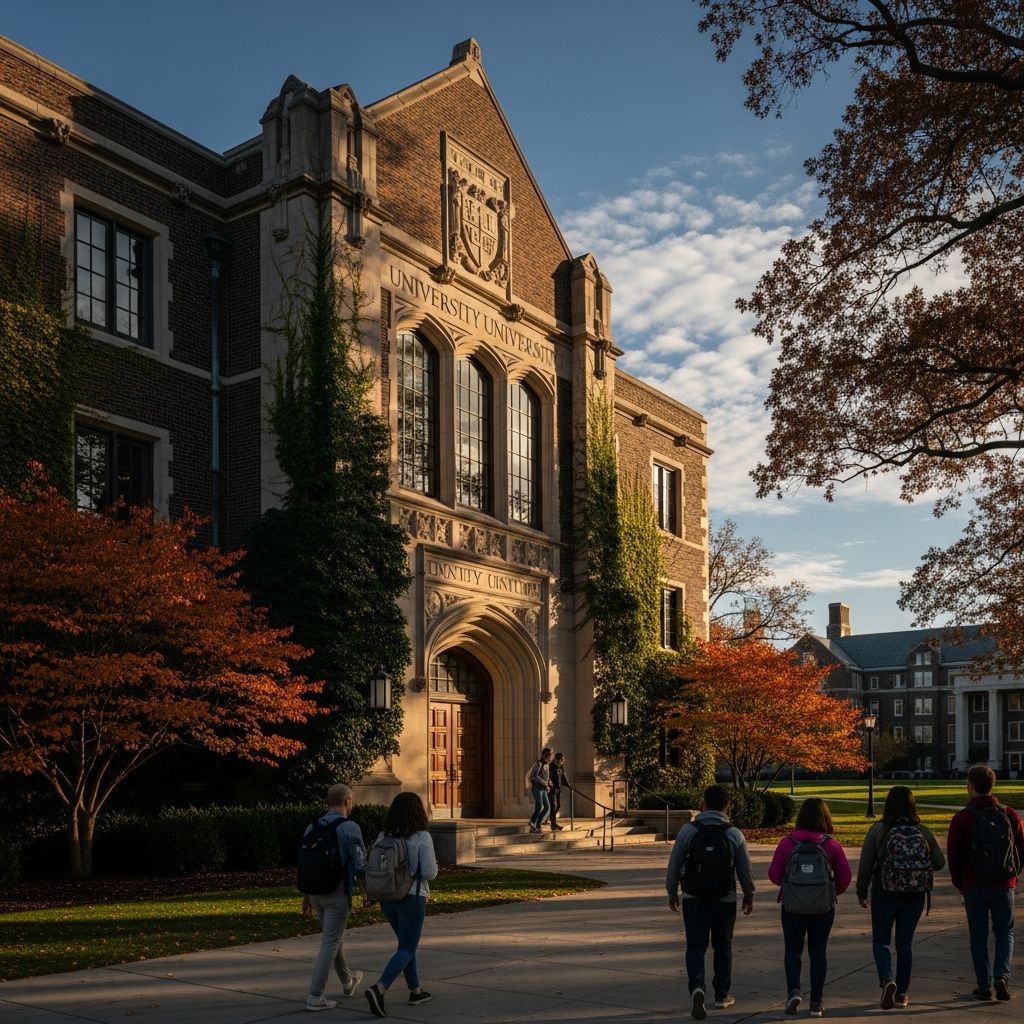
Best Colleges in the Northeast: A Comprehensive Guide to Top Institutions
The Northeast region of the United States is home to some of the nation’s most prestigious and well-regarded colleges and universities. These institutions have built distinguished reputations over centuries, attracting students from around the world and producing graduates who go on to achieve significant success in various fields. Whether you’re seeking an Ivy League education, a strong liberal arts college experience, or a well-respected comprehensive university, the Northeast offers exceptional educational opportunities.
Money magazine’s annual Best Colleges ranking evaluates institutions across multiple dimensions, including graduation rates, cost of attendance, financial aid availability, and alumni career outcomes. This comprehensive approach helps prospective students and families identify schools that provide the best educational value and opportunities for success.
Top Colleges in the Northeast Region
The Northeast boasts numerous colleges that consistently rank among the best in the nation. These institutions span from highly selective Ivy League schools to accessible regional universities, each offering distinct advantages and educational philosophies.
Among the most prominent institutions in the Northeast are Amherst College in Massachusetts, Babson College in Wellesley, Massachusetts, and Barnard College in New York. Other notable schools include Bates College in Maine, Bentley University in Massachusetts, Binghamton University in New York, and Boston College in Massachusetts. These schools represent a diverse array of educational missions, from liberal arts to business-focused curricula, ensuring that students can find institutions aligned with their academic interests and career goals.
The region also includes other respected institutions such as Bowdoin College in Maine, Brandeis University in Massachusetts, Brown University in Rhode Island, Bryn Mawr College in Pennsylvania, Bucknell University in Pennsylvania, Carnegie Mellon University in Pennsylvania, and Colgate University in New York. Each of these schools has cultivated unique strengths and academic programs that contribute to their standing among America’s leading educational institutions.
Understanding College Costs and Financial Aid
One of the most critical factors prospective students and families consider when selecting a college is cost. The Northeast includes institutions across a wide range of price points, from highly expensive elite universities to more affordable public and regional institutions.
According to the most recently available data for the 2025-2026 academic year, estimated full prices for colleges in the Northeast vary significantly. This variation reflects differences in institutional type, selectivity, and geographic location. However, it’s important to understand that the published price represents only the starting point for financial planning.
The actual cost that families pay, known as the net price or estimated price with average grant, is frequently substantially lower than the full published price. This difference reflects the financial aid packages that institutions provide to eligible students. Many Northeast colleges offer substantial grant aid to students with demonstrated financial need, making these institutions more accessible than their sticker prices might suggest.
For example, while some elite institutions have published prices exceeding $88,000 per year, the average grant awarded to students can reduce this cost to approximately $20,000-$35,000 annually. This significant difference between published and actual costs demonstrates the importance of completing the Free Application for Federal Student Aid (FAFSA) and exploring institutional financial aid opportunities.
Acceptance Rates and Selectivity
Acceptance rates serve as one indicator of institutional selectivity and competitiveness in the admissions process. Northeast colleges demonstrate a wide range of selectivity, from highly selective institutions with single-digit acceptance rates to more accessible regional colleges.
The most selective colleges in the Northeast, including Ivy League institutions and other elite schools, maintain acceptance rates below 15 percent. Some of the most prestigious universities in the region accept fewer than 7 percent of applicants, reflecting their highly competitive admissions processes. These institutions typically require exceptional academic credentials, standardized test scores, and substantial extracurricular achievements from prospective students.
In contrast, many regional colleges and universities in the Northeast maintain acceptance rates between 50 and 80 percent, providing more accessible pathways to higher education. Public universities within the region also tend to have higher acceptance rates than elite private institutions, though flagship campuses remain more selective than regional public universities. Understanding an institution’s acceptance rate can help prospective students assess the competitiveness of their application and identify schools where their academic profile aligns with admitted student statistics.
Graduation Rates and Student Success
Graduation rate represents a critical metric for evaluating institutional effectiveness and student success. Money magazine’s rankings measure degree completion within six years for both transfer students and first-time students, providing a comprehensive view of how well institutions support student progress toward degree completion.
Elite colleges in the Northeast consistently demonstrate graduation rates above 90 percent, with some institutions exceeding 95 percent degree completion within six years. These high graduation rates reflect the substantial resources these institutions dedicate to student support, mentoring, and academic advising. The strong academic preparation of admitted students and the extensive support systems available also contribute to these impressive outcomes.
Regional colleges and public universities in the Northeast typically show graduation rates between 70 and 85 percent, which still represents solid student success outcomes. Variations in graduation rates across institutions can reflect differences in student demographics, academic preparation levels, and institutional resources available for student support. When evaluating colleges, prospective students should consider graduation rates as an indicator of institutional commitment to student success and completion.
Merit Scholarships and Financial Recognition
Beyond need-based financial aid, many colleges offer merit scholarships to recognize academic achievement and attract high-performing students. Merit aid is awarded to full-time undergraduates who had no financial need and were selected based on academic credentials, test scores, or other achievements.
The percentage of students receiving merit scholarships varies considerably across Northeast institutions. Elite colleges often award merit scholarships to relatively small percentages of their student bodies, as these institutions typically focus their financial aid resources on need-based assistance. However, many regional colleges and universities strategically use merit aid to attract and enroll talented students who might otherwise attend competing institutions.
Some institutions in the Northeast award merit scholarships to 75-85 percent of their student bodies, making these awards a significant factor in college affordability. Prospective students should inquire about merit scholarship opportunities during the college search and application process, as these awards can substantially reduce the net cost of attendance.
Regional Variations in College Quality and Cost
The Northeast encompasses six New England states (Connecticut, Maine, Massachusetts, New Hampshire, Rhode Island, and Vermont) plus New York, New Jersey, and Pennsylvania. Within this expansive region, notable variations exist in the concentration and types of colleges available.
Massachusetts is particularly known for its exceptional concentration of colleges and universities, including numerous elite liberal arts colleges, prestigious research universities, and specialized institutions. New York hosts several Ivy League institutions and other highly regarded universities. Pennsylvania includes multiple well-established universities and liberal arts colleges with strong national reputations.
Connecticut colleges have gained recognition in regional and national rankings, with several institutions achieving four-star ratings in Money magazine’s 2025 rankings. Yale University, Wesleyan University, Trinity College, and the University of Connecticut represent some of Connecticut’s most prominent higher education institutions.
Public universities throughout the Northeast provide alternative pathways to quality higher education, often at lower published costs than private institutions. Schools like Binghamton University in New York represent strong public university options in the region, offering rigorous academics and valuable career preparation at competitive price points.
Career Outcomes and Early Career Earnings
An important consideration in college selection involves understanding the career outcomes and earning potential of graduates. Money magazine’s rankings include data on median earnings for both graduates and non-completers, measured approximately 10 years after initial enrollment.
Graduates from elite Northeast colleges consistently demonstrate strong early career earnings, with median salaries frequently exceeding $70,000-$100,000 within 10 years of enrollment. These strong outcomes reflect both the quality of education these institutions provide and the networks and recruiting advantages their alumni enjoy. Professional programs in business, engineering, and health fields often lead to particularly strong early career earnings.
Regional colleges and public universities in the Northeast also demonstrate positive career outcomes for their graduates, with median early career earnings typically ranging from $60,000-$80,000. These outcomes demonstrate that quality education and career preparation are available across a range of institutional types and selectivity levels within the region.
Factors to Consider When Evaluating Northeast Colleges
When selecting a college in the Northeast, prospective students and families should evaluate multiple factors beyond rankings and statistics:
Academic Programs: Ensure that your intended major or area of study is well-represented and highly regarded at the institution. Different schools maintain different academic strengths, so program quality should factor into your decision.
Campus Culture and Community: The social and cultural environment significantly impacts your college experience. Consider whether the campus culture, student life, and community align with your interests and values.
Financial Aid Availability: Beyond published prices and average grants, investigate specific financial aid packages. Contact financial aid offices to understand how your family’s financial situation might be addressed through institutional aid.
Location and Resources: Consider whether you prefer an urban, suburban, or rural setting. Location impacts internship opportunities, cultural resources, and overall quality of life during your college years.
Class Sizes and Mentorship: Smaller classes and accessible faculty can significantly enhance educational quality. Investigate student-to-faculty ratios and opportunities for mentorship and research.
Support Services: Comprehensive support services, including academic advising, career services, mental health counseling, and accessibility services, contribute to student success and satisfaction.
The Best Bang for Your Buck: Value-Focused Rankings
Beyond traditional prestige-based rankings, Money magazine also provides “Best Bang for the Buck” rankings that specifically evaluate how well colleges help nonwealthy students attain marketable degrees at affordable prices.
These value-focused rankings consider multiple dimensions of affordability and educational quality, helping students identify institutions that provide exceptional value regardless of family income level. Schools appearing prominently in these rankings successfully balance academic quality, reasonable costs, and strong financial aid offerings, making them attractive options for students prioritizing educational value and financial sustainability.
Regional colleges throughout the Northeast, including institutions in Pennsylvania, Connecticut, Massachusetts, and New York, appear on value-focused rankings alongside some traditionally elite institutions. This recognition demonstrates that significant educational value is available across a diverse range of Northeast colleges, not exclusively among the most prestigious or expensive institutions.
Frequently Asked Questions
Q: What is the difference between published price and net price?
A: Published price (also called sticker price) is the official cost of attendance that colleges list. Net price is what students actually pay after financial aid and grants are applied. Net prices are frequently substantially lower than published prices, particularly for students with demonstrated financial need.
Q: Do I need to take the SAT or ACT to apply to Northeast colleges?
A: Standardized testing requirements vary by institution. Many Northeast colleges have adopted test-optional policies, meaning students can choose whether to submit standardized test scores. Contact specific colleges for their current testing requirements.
Q: What factors does Money magazine consider in its college rankings?
A: Money’s rankings evaluate graduation rates, cost of attendance, financial aid availability, and alumni career outcomes and earnings. This multifaceted approach provides a comprehensive assessment of educational quality and value.
Q: Are public universities in the Northeast as good as private colleges?
A: Both public universities and private colleges in the Northeast offer high-quality education. Public universities often provide excellent value with lower published costs, while private colleges may offer different resources and smaller class sizes. The best choice depends on individual preferences and needs.
Q: How important is college selectivity when choosing where to apply?
A: While selectivity can indicate academic strength, it is not the only important factor. Many less selective regional colleges provide excellent education and career outcomes. Focus on finding schools where your academic credentials align with admitted student profiles and where you feel the educational mission matches your goals.
Q: When should I start researching Northeast colleges?
A: Begin researching colleges during your junior year of high school to allow adequate time for campus visits, application preparation, and decision-making. However, starting earlier provides more time for exploring options and developing your college list.
References
- 2025 Best Bang for the Buck Rankings: Northeast — Washington Monthly. 2025. https://washingtonmonthly.com/2025-college-guide/best-bang-for-the-buck-rankings-northeast/
- Best Colleges in the Northeast — Money Magazine. 2025. https://money.com/best-colleges/best-colleges-in-the-northeast/
- Best Colleges in the Northeast 2024-2025 — Money Magazine. 2024. https://money.com/best-colleges-2024/best-colleges-in-the-northeast/
- 2025 Best Colleges by Region in the U.S. — Money Magazine. 2025. https://money.com/best-colleges/popular-rankings/
- 2025 Best Colleges in U.S. — Money Magazine. 2025. https://money.com/best-colleges/
- These CT colleges are among the best in Northeast in Money rankings — CT Insider. 2025. https://www.ctinsider.com/news/education/article/money-best-colleges-rankings-ct-northeast-2025-20785930.php
Similar Articles








Read full bio of Sneha Tete