Best Cash Envelope Wallets To Supercharge Your Budget
Discover how cash envelope wallets can simplify budgeting, curb overspending, and keep every dollar of your money working on purpose.
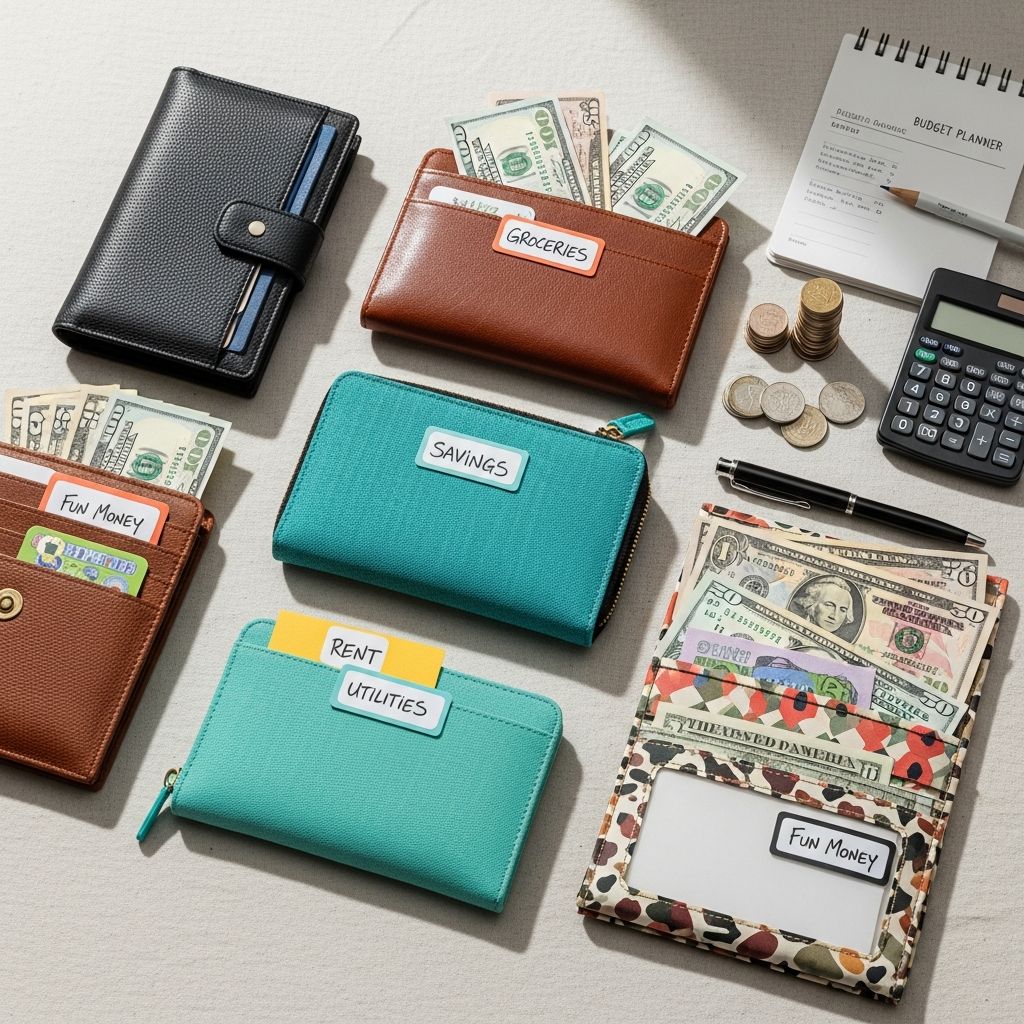
Cash envelope wallets have become a powerful tool for people who want a simple, visual way to manage spending, crush debt, and finally stick to a budget. Instead of swiping a card and hoping for the best, you give every dollar a job, place cash into categories, and use a wallet designed to keep everything organized and easy to use.
In this guide, you will learn how the cash envelope system works, the benefits of using cash instead of cards, what to look for in a dedicated cash wallet, and a range of popular wallet styles and features so you can pick the option that fits your life.
What Is a Cash Envelope Wallet?
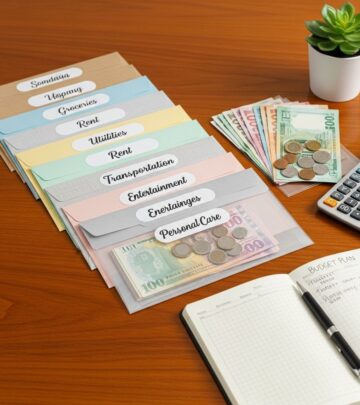
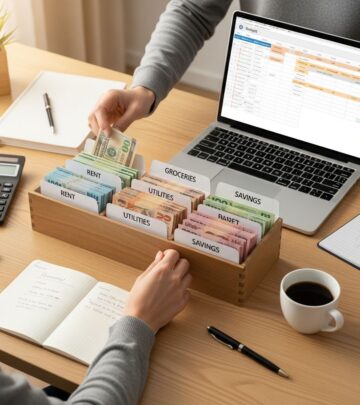
A cash envelope wallet is a wallet or organizer designed to hold multiple cash categories at once, often replacing loose paper envelopes with labeled pockets, sleeves, or inserts. It supports the classic envelope budgeting method where you assign money to spending categories in advance and spend only what is available in each category.
With a cash envelope wallet you typically:
- Decide on your monthly or weekly budget categories (for example: groceries, gas, eating out, fun, kids, household).
- Withdraw cash according to your plan.
- Place cash into clearly labeled sections or envelopes inside the wallet.
- Use only the cash from each category when you spend.
- Stop spending when a category is empty, or intentionally move funds from another category.
This simple process makes money tangible and limits mindless card swiping, which can easily lead to overspending.
How the Cash Envelope System Works
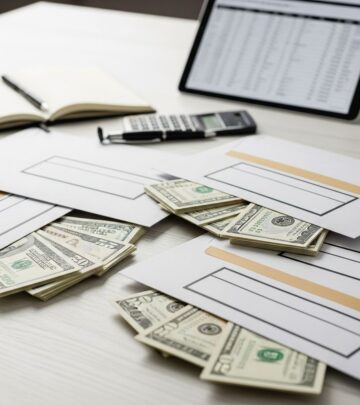
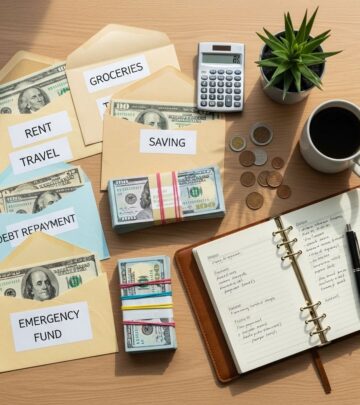
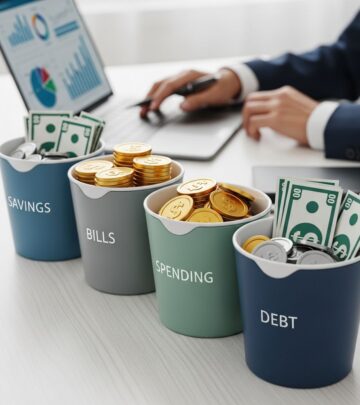
The cash envelope system is a hands-on budgeting method where you divide your income into separate envelopes based on your spending plan. When you pay with cash from these envelopes, you get constant feedback on how much you have left, which helps you stay within your limits.
Here is a step-by-step overview:
- Create a realistic budget. List your income, essential bills, and variable expenses. Decide how much to allocate to categories such as groceries, fuel, dining out, personal care, and entertainment.
- Choose which expenses to use cash for. The cash envelope system works best for flexible, day-to-day spending categories that you can easily pay with cash.
- Withdraw cash for the period. Take out the total amount you plan to use for your chosen categories (weekly, biweekly, or monthly).
- Fill your envelopes or wallet sections. Place the budgeted cash into labeled envelopes or wallet pockets corresponding to each category.
- Spend only from the right envelope. When shopping, use the envelope or pocket tied to that expense. When the cash runs out, you pause spending or make a deliberate decision to adjust from another category.
- Review and adjust. At the end of the period, see which categories worked and which need changes for the next cycle.
Many people find that this method naturally reduces impulse purchases, because watching cash leave your hands often feels more painful than tapping a card.
Why Use a Cash Envelope Wallet Instead of Loose Envelopes?
You can certainly start with basic paper envelopes, but a dedicated cash envelope wallet adds structure and convenience that make it easier to stick with the habit in real life. Instead of juggling multiple envelopes in your bag, you have everything in one organized, portable place.
Common advantages of a cash envelope wallet include:
- Portability: Designed to take with you, so you have the right categories on hand when you spend.
- Durability: Reusable instead of replacing torn paper envelopes.
- Organization: Built-in labels, dividers, or inserts keep categories clear.
- Security: Zippers, snaps, or RFID-blocking fabrics add peace of mind when carrying cash.
- Extra storage: Places for coins, cards, receipts, IDs, and even a checkbook or pen.
Because the wallet removes friction, you are more likely to use your system consistently, which is key to seeing results.
Benefits of Cash Envelope Budgeting
Research and real-world experience show several benefits of using cash and physical envelopes as part of a budget.
| Benefit | How a Cash Envelope Wallet Helps |
|---|---|
| Less overspending | You can only spend the cash you allocated. When a category is empty, you must stop or move money intentionally. |
| Reduced debt risk | By paying with cash instead of credit cards, you avoid adding new charges and overdraft fees. |
| Stronger awareness | Physically handling cash creates a visible reminder of your spending choices. |
| Emotional connection to money | Seeing and feeling money leave your hands often makes you think twice about unnecessary purchases. |
| Built-in spending limits | Each envelope is a natural cap for that category, supporting boundaries you set in your budget. |
Studies in behavioral economics have found that people tend to spend more when they pay with cards rather than cash, because card payments feel less immediate and less painful. A cash envelope wallet uses this principle to your advantage.
Key Features to Look For in a Cash Envelope Wallet
Not all wallets are created equal. Choosing the right features will make the difference between a wallet that feels like a hassle and one that smoothly supports your financial goals. Consider the following when selecting a wallet:
Number and Type of Cash Compartments
Start with how many categories you realistically use. Many people begin with 5–8 envelopes such as groceries, fuel, dining out, fun, miscellaneous, kids, and sinking funds.
- Built-in labeled slots: Some wallets include permanent labeled pockets or dividers that function like envelopes.
- Removable envelopes or inserts: Others use plastic or paper envelopes that can be taken out, rearranged, or replaced as your categories change.
- Expandable room: Zippered compartments with accordion-style dividers can grow with your budgeting system.
Size, Style, and Everyday Carry
Your wallet should fit your lifestyle and bag. Think about:
- Clutch-style wallets: Larger, often with a wrist strap, ideal if you want to carry the wallet on its own.
- Compact wallets: Slimmer options that fit comfortably into a purse, backpack, or crossbody bag.
- Binder or planner style: Ring binders with zipper closure, popular for people who treat budgeting like a weekly or monthly planning ritual.
Security and Closure Options
Because you are carrying cash, security features matter.
- Zippered closure: Helps prevent bills, coins, and receipts from falling out.
- Snap or turn-lock: Adds another layer of closure on top of the zipper.
- RFID-blocking material: Useful if you carry debit or credit cards to reduce the risk of electronic card skimming.
Space for Cards, IDs, and Extras
Even if you focus on cash, you might still need to carry cards and identification.
- Dedicated slots for ID and bank cards.
- Coin pouch to handle change without cluttering your cash envelopes.
- Space for receipts so you can reconcile your budget later.
- A loop or pocket for a pen and small notebook if you like tracking transactions by hand.
Popular Styles of Cash Envelope Wallets
While this article does not endorse specific brands, it is helpful to understand the common styles of cash wallets you will see and how they compare. The goal is to find an option that is easy to use and feels natural to carry every day.
1. Clutch-Style Cash Wallets
Clutch wallets are larger, often with a wristlet strap. They are designed to be carried alone like a small purse.
- Usually include multiple interior slots that function as envelopes.
- Often feature a zip-around closure to keep cash secure.
- Good for people who want everything—cash, coins, cards, phone—in one place.
2. Binder or Planner Cash Wallets
Binder wallets look like compact planners or notebooks with a zipper around the outside and rings inside.
- Use hole-punched envelopes or plastic sleeves you can add or remove.
- Flexible for changing categories and adding trackers, calendars, or goal sheets.
- Popular with cash stuffing users who enjoy decorating and customizing their budgeting setup.
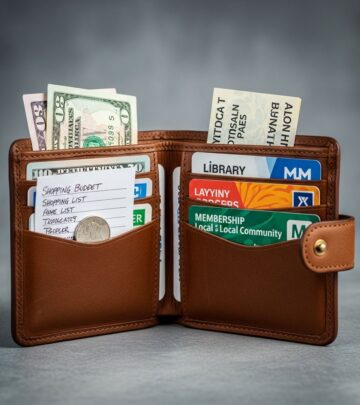
3. Traditional Wallets Adapted for Envelopes
Some people prefer a standard wallet with a large cash compartment, then add small labeled envelopes inside.
- Maintains a familiar look and feel.
- Works well if you only need a few categories at a time.
- Best for minimalists who do not want a bulky organizer.
4. Hybrid Wallets With Digital Tracking
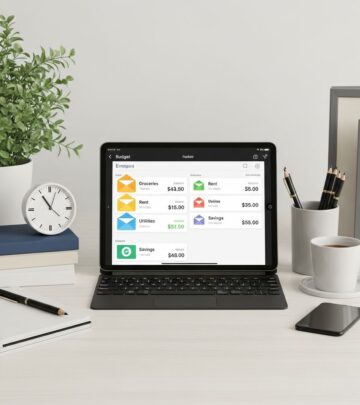
Hybrid wallets are used together with a budgeting app. You still divide physical cash into categories, but you also log transactions digitally for reporting and long-term tracking.
- Offers a blend of tactile control and digital data.
- Useful if you plan to transition from full cash to more card-based budgeting later.
How to Start Using a Cash Envelope Wallet
Transitioning to a cash-based system can feel like a big change, but you do not need to overhaul your entire financial life at once. Start small and build from there.
Step 1: Choose Your Categories
Pick a few variable spending areas where you tend to lose track or overspend. Common starting categories include:
- Groceries
- Gas or transportation
- Dining out and coffee
- Fun/entertainment
- Personal spending or allowance
Keep it simple. You can always add more categories once you are comfortable.
Step 2: Decide on Your Timeframe
Choose whether to fund your envelopes weekly, every two weeks, or monthly. Many people align this with their paycheck schedule.
Step 3: Withdraw and Fill Your Wallet
Take out the total amount of cash for your chosen timeframe, then split it into the right compartments or envelopes inside your wallet.
Example for a two-week period:
- Groceries: $250
- Gas: $100
- Dining out: $80
- Fun: $50
- Miscellaneous: $40
Place each amount in its labeled section and close the wallet securely.
Step 4: Spend Only From the Matching Category
When you shop for groceries, use the grocery cash. When you get gas, use the gas category. If one category runs low before the end of the period, you can:
- Get creative with what you already have (for example, pantry meals for groceries).
- Consciously move money from another envelope, understanding the trade-off.
- Wait until the next funding cycle before spending more.
Step 5: Review, Reflect, and Adjust
At the end of the period, open your wallet and check:
- Which envelopes still have money?
- Which categories ran out quickly?
- Did any spending surprise you?
Use this information to adjust your budget amounts or categories next month. Many people find that the simple act of reviewing envelopes improves their financial awareness dramatically over time.
Tips for Making a Cash Envelope Wallet Work Long Term
Like any budgeting method, consistency matters more than perfection. These practical tips can help you stay committed.
- Start with only a few categories. Avoid overwhelm by limiting the number of envelopes you manage at first.
- Combine with automatic bill pay. Use your bank account for fixed bills and your wallet for variable spending.
- Track big purchases. For expenses that are easier to pay with a card (like online orders), you can still set aside cash in your wallet and transfer it back to the bank after you spend.
- Use sinking funds. Create envelopes for non-monthly expenses like car maintenance, gifts, or annual subscriptions and fund them gradually.
- Review your system every month. Adjust categories, amounts, and even your wallet setup as your life changes.
Frequently Asked Questions (FAQs)
Q: Is a cash envelope wallet safe to use if I carry a lot of cash?
A: The safety of a cash envelope wallet depends on your habits. Choose a wallet with secure closures, keep only the amount of cash you need for a short period, and avoid leaving it unattended. Many people also combine cash envelopes with a separate emergency card for added flexibility.
Q: Do I have to use cash envelopes for every category in my budget?
A: No. The system works best for flexible spending categories you can easily pay in cash, like groceries, gas, and entertainment. Fixed expenses such as rent, insurance, and loan payments can remain on automatic digital payments for convenience.
Q: What if I frequently shop online?
A: You can still benefit from a cash envelope wallet by treating online purchases as if they were paid from an envelope. Set aside cash for that category, pay online with a card, then either deposit the equivalent cash back into your bank or reduce cash spending in that category for the rest of the period.
Q: Does paying with cash really help people spend less?
A: Research in consumer behavior indicates that people often spend more when paying with credit or debit cards because card payments create less immediate emotional impact than handing over cash. Using cash envelopes leverages this effect to help you pause and think before spending.
Q: How is cash stuffing different from traditional envelope budgeting?
A: Cash stuffing is another name for the cash envelope system. The term is often used on social media to describe visually filling envelopes or binders with cash for each category every month. The underlying principle—assigning money to categories ahead of time and spending only what is allocated—is the same.
References
- Benefits of Cash Envelope Budgeting — Bella Taylor. 2022-05-10. https://mybellataylor.com/blogs/news/benefits-of-cash-envelope-budgeting
- The Cash Envelope System: A Hands-On Approach to Budgeting — Fidelity Bank. 2023-03-15. https://www.bankwithfidelity.com/resources/education/financial-education-resources/detail.html?title=the-cash-envelope-system-a-hands-on-approach-to-budgeting
- The Cash Envelope System (with Printable Workbook) — You Need A Budget (YNAB). 2022-11-01. https://www.ynab.com/blog/what-is-a-cash-envelope-system
- What is cash stuffing? Cash envelope system explained — Fidelity Investments. 2023-07-06. https://www.fidelity.com/learning-center/smart-money/cash-stuffing-envelope-budget
- Dave Ramsey’s Envelope System Explained: Pros, Commons & Alternatives — Debt.org. 2021-09-20. https://www.debt.org/advice/dave-ramseys-envelope-system-explained/
- Budget Envelope Wallet — DebtorEdu.com. 2020-04-03. https://www.debtoredu.com/budget-envelope-wallet.aspx
- How does cash stuffing work? — PayPal US. 2023-08-10. https://www.paypal.com/us/money-hub/article/how-does-cash-stuffing-work
Similar Articles








Read full bio of Sneha Tete