15 Best Family Vacations On A Budget: Affordable U.S. Trips
Discover affordable family vacation ideas, tips, and destinations that maximize fun and memories without breaking your travel budget.
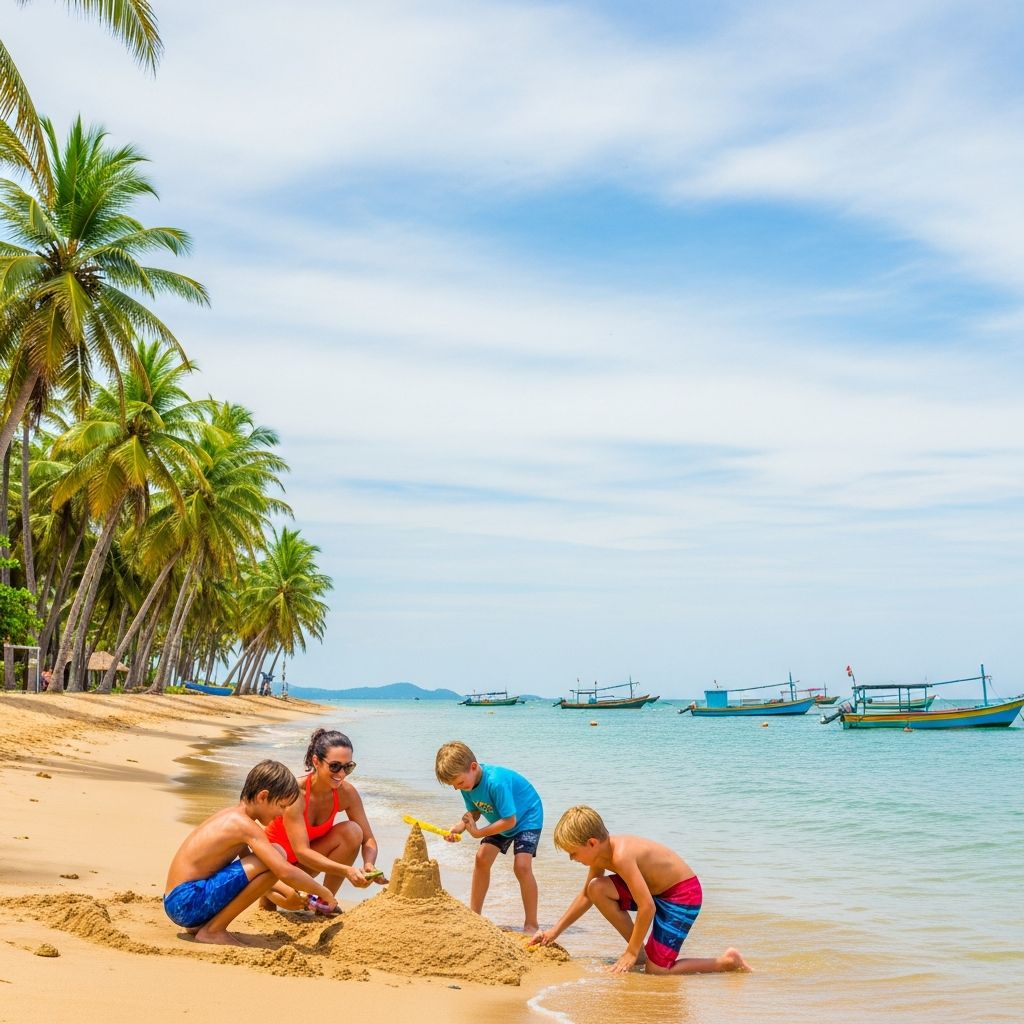
Planning a family trip does not have to mean draining your savings or putting expenses on a high-interest credit card. With some strategy and creativity, you can give your family memorable experiences while staying aligned with your long-term financial goals.
This guide walks through some of the best family vacations on a budget in the United States, plus practical tips to keep costs under control on any trip.
Why Budget-Friendly Family Vacations Matter
Shared travel experiences can strengthen family relationships, expose children to new environments, and create stories you will talk about for years. Research in family and child development shows that shared experiences, like trips and outings, contribute to children’s emotional well-being and family cohesion, often more than material gifts.
At the same time, U.S. consumer surveys show that many households rely on credit cards or personal loans to finance vacations, which can add expensive interest charges and long-term financial stress. Planning budget-conscious vacations helps you avoid this cycle and keeps your broader money goals on track.
Top 15 Budget-Friendly Family Vacations
Below are 15 ideas inspired by popular U.S. family destinations that offer great value. Each one includes plenty of free or low-cost activities, access to nature, and options for simple, affordable lodging.
1. Assateague Island, Virginia
Assateague Island is famous for its wild ponies, sandy beaches, and peaceful coastal scenery. Much of the island is protected as wildlife refuge and national seashore, which keeps costs low and development limited.
- Watch wild ponies and other wildlife from designated viewing areas.
- Walk or bike along trails and explore the Chincoteague National Wildlife Refuge.
- Enjoy swimming, sandcastle building, and beachcombing for shells.
- Climb or photograph the Assateague Lighthouse (certain days may be free or low cost).
Budget tips: Camp at one of the island’s campgrounds instead of renting a hotel. Bring your own food and snacks, and use park shuttles or bikes to reduce driving and parking costs.
2. Clearwater Beach, Florida
Clearwater offers white sand, shallow warm water, and sunsets that rival much more expensive tropical destinations—without the theme-park price tag.
- Relax on public beaches for free and pack a picnic lunch.
- Walk the pier at sunset and check out buskers and street performers.
- Visit local parks and marinas to watch boats and sea birds.
- Consider a visit to the Clearwater Marine Aquarium, which is typically cheaper than major theme parks.
Budget tips: Travel in shoulder season (late spring or early fall) rather than peak holidays when hotel rates surge. Compare prices for vacation rentals slightly inland instead of directly on the beach.
3. Boone, North Carolina
Boone is a mountain town in the North Carolina High Country, known for hiking, rivers, and kid-friendly adventure parks.
- Hike along the Blue Ridge Parkway and enjoy free scenic overlooks.
- Have a picnic by the river or at local parks.
- Visit inexpensive attractions like small local museums or gem-mining experiences.
- Explore low-cost adventure parks or rope courses for older kids.
Budget tips: Look for cabin rentals with kitchenettes so you can cook most meals instead of eating out. Many mountain attractions offer discounted weekday or off-season rates.
4. Outer Banks, North Carolina
The Outer Banks are barrier islands packed with history, lighthouses, and miles of accessible shoreline. Families can combine beach time with educational stops.
- Spend your days on public beaches building sandcastles and flying kites.
- Visit historic sites like lighthouses or the Wright Brothers National Memorial (modest entry fees).
- Explore free wildlife areas, boardwalks, and small local parks.
- Visit aquariums or nature centers with affordable admission.
Budget tips: Share a rental house with another family to split costs, or stay in a simple motel further from the most popular tourist spots.
5. Myrtle Beach, South Carolina
Myrtle Beach is known for entertainment and attractions, yet there are many ways to visit on a budget if you prioritize free activities.
- Enjoy the expansive public beach and free oceanfront boardwalk.
- Play mini-golf at one of the many themed courses, watching for discounts or early-bird specials.
- Visit Myrtle Beach State Park for nature trails and pier fishing (small entry fee).
- Check out free or low-cost festivals and live music during the summer.
Budget tips: Set a clear spending cap for arcade games and paid attractions to avoid impulse spending, especially with kids.
6. Cape Cod, Massachusetts
Cape Cod offers classic New England beaches, small towns, and affordable outdoor fun when you plan ahead.
- Swim and play on public beaches or bayside tidal flats (parking fees may apply).
- Bike along rail trails that cross multiple towns.
- Visit low-cost museums, lighthouses, or maritime exhibits.
- Stroll through historic villages and browse local shops without overspending.
Budget tips: Travel in late June or early September for lower lodging costs than peak July and August. Share multi-bedroom rentals with extended family or friends.
7. Branson, Missouri
Branson is a family entertainment hub in the Ozark Mountains, with shows, lakes, and outdoor activities.
- Take advantage of free lakeside activities like swimming and fishing (license may be required).
- Hike nearby trails with scenic viewpoints.
- Choose one or two affordable live shows instead of many expensive attractions.
- Visit public parks for picnics and playgrounds.
Budget tips: Compare package deals that bundle lodging with select attractions, and always check the true total cost against booking items separately.
8. San Diego, California
San Diego can be enjoyed on a budget by focusing on free outdoor spaces and choosing a few select paid attractions.
- Relax on beaches like La Jolla Shores or Coronado.
- Visit Balboa Park’s gardens and outdoor spaces at no cost; some museums offer free days.
- Walk along harbor fronts and piers to watch seals, sea lions, and boats.
- Explore neighborhood farmers markets for inexpensive meals and snacks.
Budget tips: Use public transit passes or rideshares instead of renting a car for the entire trip. Consider city discount cards that include multiple attractions at a reduced price.
9. Gatlinburg, Tennessee
Gatlinburg sits next to Great Smoky Mountains National Park, one of the most visited parks in the U.S. and one with free entry.
- Hike kid-friendly trails and visit scenic overlooks.
- Drive through the park’s scenic roads and stop at picnic spots.
- Walk Gatlinburg’s downtown strip for window shopping.
- Enjoy low-cost attractions such as small museums or chairlifts, picking just one or two.
Budget tips: Stay in nearby towns like Pigeon Forge or Sevierville where lodging may be cheaper, and cook meals where possible.
10. Williamsburg, Virginia
Williamsburg combines U.S. colonial history with family-friendly attractions.
- Walk through the historic district and enjoy free outdoor demonstrations or public areas.
- Visit low-cost museums and interpretive centers for an educational twist.
- Explore nearby Jamestown and Yorktown visitor centers (some free or low fee).
- Use picnic areas and parks instead of eating every meal in restaurants.
Budget tips: Look for multi-attraction passes when planning to visit more than one historic site. Consider shoulder-season visits for lower hotel rates.
11. Ocean City, Maryland
Ocean City features a long boardwalk, classic beach-town attractions, and many free or low-cost activities.
- Spend most of the day on the free public beach.
- Stroll the boardwalk to enjoy the atmosphere, rides, and games within a set budget.
- Visit nearby state parks or wildlife areas for hiking and nature viewing.
- Choose one amusement park or water park day and pack snacks to reduce food costs.
Budget tips: Book accommodations a few blocks off the boardwalk for lower nightly rates while still walking distance to the beach.
12. National Parks Road Trip
A national parks road trip can be an affordable way to see multiple destinations, especially if you camp or stay in budget motels.
- Purchase an America the Beautiful annual pass if you’ll visit several parks; it covers entrance fees nationwide.
- Choose parks with free ranger programs, junior ranger activities, and educational talks.
- Plan simple meals you can prepare at campsites or in motel microwaves.
- Limit paid tours unless they are a true priority.
Budget tips: Map out your route to minimize backtracking and fuel costs. Book campsites early, especially in popular parks.
13. City Staycation
You can have a fantastic “vacation” without leaving your town or region. A staycation skips airfare and long drives altogether.
- Book one or two nights at a local budget-friendly hotel with a pool for a change of scenery.
- Visit nearby museums, parks, and attractions you’ve never tried.
- Plan themed days (beach day at a local lake, hiking day, museum day).
- Set house rules: no chores, no work emails, and limited screen time to make it feel special.
Budget tips: Use local library passes or resident discount programs for attractions. Cook simple meals at home and allocate a small budget for one special meal out.
14. Small-Town Lake Getaway
Many regions have small lakeside towns that are less crowded and cheaper than major resort areas.
- Swim, kayak, or paddleboard using rented or borrowed equipment.
- Have campfires (where allowed) and outdoor games.
- Walk around town for ice cream or local markets.
- Look for free community events like concerts or outdoor movies.
Budget tips: Rent a basic cabin or campsite instead of a full-service resort. Bring your own life jackets, toys, and snacks to avoid last-minute purchases.
15. Regional Theme Park Alternative
If your kids dream of big-name theme parks but the price is out of reach, look for smaller regional parks or water parks.
- Visit on weekdays or off-peak times when ticket prices may be lower.
- Bring refillable water bottles and snacks if park policy allows.
- Skip souvenirs or set a small, fixed souvenir allowance.
- Combine the park with one or two free nature or city activities to stretch the trip.
Budget tips: Compare one-day ticket costs versus season passes: if you live nearby and plan multiple visits, a pass could be cheaper over time.
Simple Budget Tips For Any Family Vacation
Regardless of where you go, a few core money strategies can significantly reduce the overall cost and help you avoid post-vacation debt.
| Strategy | How It Saves Money |
|---|---|
| Set a total trip budget | Gives you a firm spending limit and guides choices for lodging, transportation, and activities. |
| Travel off-peak | Off-season or midweek travel often means cheaper flights and hotels. |
| Use cash envelopes or separate accounts | Pre-fund categories like food, gas, and activities so you don’t overspend. |
| Cook some meals | Preparing breakfast and a simple dinner can cut your food bill dramatically. |
| Prioritize free activities | Focus on beaches, parks, hiking, and walking tours instead of expensive attractions. |
How To Plan A Family Vacation Budget
To avoid overspending, plan your budget in advance and track projected costs. Consumer finance guidance consistently recommends deciding on a total vacation amount first and then dividing it into categories.
- Step 1: Decide your total budget (for example, $1,500).
- Step 2: Allocate approximate percentages:
- Transportation: 25–35%
- Lodging: 30–40%
- Food: 15–25%
- Activities and tickets: 10–20%
- Miscellaneous and souvenirs: 5–10%
Adjust these numbers based on your specific trip. For example, a road trip may have lower transportation costs but higher lodging expenses.
Frequently Asked Questions (FAQs)
Q: How far in advance should I start saving for a family vacation?
A: Many financial educators suggest starting at least 6–12 months ahead so you can save in smaller monthly amounts and avoid using high-interest debt for travel.
Q: Is it cheaper to drive or fly for a family vacation?
A: It depends on distance, fuel prices, number of travelers, and airfare. Driving can be cheaper for shorter distances or larger families, while flying may be cost-effective for long distances if you find discounted fares and avoid checked bag fees.
Q: How can I keep food costs down with kids on a trip?
A: Choose lodging with a fridge or kitchenette, buy groceries for breakfast and snacks, pack refillable water bottles, and limit restaurant meals to once per day. Studies of household spending show dining out significantly increases vacation costs compared with cooking simple meals.
Q: Are national parks really budget-friendly for families?
A: Yes. Many U.S. national parks have modest entrance fees, and activities inside—like hiking, ranger talks, and scenic drives—are typically free after entry. You can also reduce costs further by camping or staying in nearby budget motels.
Q: What if my budget is extremely tight? Is a vacation still possible?
A: Consider a staycation, day trips to nearby state parks, or visiting relatives in another town to reduce lodging costs. Even one or two intentional days away from regular routines can feel like a vacation if you set boundaries around work and chores.
References
- Children’s time use and family well-being — UNICEF Office of Research. 2017-06-01. https://www.unicef-irc.org/publications/900-childrens-time-use-and-families-well-being.html
- Report on the Economic Well-Being of U.S. Households — Board of Governors of the Federal Reserve System. 2024-05-21. https://www.federalreserve.gov/publications/report-economic-well-being-us-households.htm
- Consumer Airfare Report — U.S. Department of Transportation, Bureau of Transportation Statistics. 2023-10-05. https://www.bts.gov/newsroom/average-itinerary-fare
- Great Smoky Mountains National Park Visitor Information — U.S. National Park Service. 2024-03-15. https://www.nps.gov/grsm/index.htm
- America the Beautiful – The National Parks and Federal Recreational Lands Pass — U.S. National Park Service. 2024-01-10. https://www.nps.gov/planyourvisit/passes.htm
- Consumer Expenditures – Food — U.S. Bureau of Labor Statistics. 2023-09-08. https://www.bls.gov/cex/tables/calendar-year/aggregate-levels/mean-food.htm
Similar Articles








Read full bio of medha deb