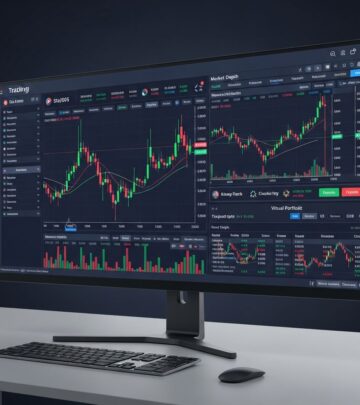
Best Forex Brokers For 2025: 7 Top Picks For Traders
Find the top-rated forex brokers for 2025 with competitive spreads, reliable platforms, and excellent customer support.

Best Brokers for Forex Trading in 2025
The foreign exchange market, or forex, represents the largest and most liquid financial market globally, with trillions of dollars traded daily. Choosing the right forex broker is crucial for trading success, as brokers serve as intermediaries between traders and the forex market. A quality broker provides access to trading platforms, competitive spreads, reliable customer support, and essential regulatory oversight. This guide explores the top forex brokers available in 2025, examining their features, strengths, and suitability for different trader types.
What Makes a Great Forex Broker?
Before selecting a forex broker, traders should understand the key factors that differentiate quality brokers from questionable ones. Regulatory compliance stands as the foundation of broker legitimacy, as brokers regulated by organizations like the Financial Conduct Authority (FCA), the National Futures Association (NFA), or the Australian Securities and Investments Commission (ASIC) offer greater investor protection.
Trading platforms represent another critical consideration. Established brokers typically offer MetaTrader 4 (MT4), MetaTrader 5 (MT5), or proprietary platforms with advanced charting tools, technical analysis capabilities, and automated trading features. Spread sizes directly impact trading profitability—lower spreads mean reduced trading costs. Account types vary by broker; some offer standard, ECN, or STP accounts with different spreads and minimum deposits. Customer service quality, educational resources, and mobile trading capabilities further distinguish leading brokers from competitors.
Top Forex Brokers for 2025
FXTM (Forextime)
FXTM stands among the industry’s most recognized names, serving traders since 2011. The broker maintains regulation from multiple authorities, including the FCA and CySEC, ensuring operational transparency and client fund protection. FXTM offers both MetaTrader 4 and MetaTrader 5 platforms, catering to traders of all experience levels. The broker provides tight spreads starting from 1 pip on major currency pairs, competitive leverage options, and an extensive range of trading instruments including forex, commodities, indices, and cryptocurrencies.
Account types include Standard, Cent, and Zero accounts, allowing traders to select options based on their capital and risk preferences. FXTM’s educational resources include webinars, articles, and video tutorials. The broker accepts multiple payment methods and maintains responsive customer support available 24/5.
Exness
Exness has rapidly gained prominence as a broker focusing on accessibility and competitive pricing. Operating under regulation from CySEC and other financial authorities, Exness provides unlimited leverage, allowing experienced traders to maximize position sizes. The broker’s spreads begin from 0 pips on major pairs, making it attractive for cost-conscious traders. Exness offers multiple account types, including Standard, Professional, and Gold accounts, each with distinct features and requirements.
The platform supports both MetaTrader 4 and MetaTrader 5, alongside Exness’s proprietary trading app. Traders appreciate Exness’s flexible deposit minimums, allowing traders to start with smaller capital amounts. The broker provides comprehensive educational content and maintains strong social trading features.
Admiral Markets
Admiral Markets represents a well-established broker with operations dating back over two decades. The broker maintains FCA regulation and operates under strict European financial standards. Admiral Markets offers MetaTrader 4 and MetaTrader 5 platforms alongside its proprietary MetaTrader Supreme Edition. Spreads on major pairs start from 0.8 pips, competitive with industry leaders.
A distinguishing feature of Admiral Markets is its premium educational platform, providing traders with comprehensive courses, market analysis, and trading signals. The broker offers multiple account types, including Standard, ECN, and Islamic accounts for traders with specific requirements. Admiral Markets emphasizes customer education and provides personalized support through dedicated account managers for larger clients.
XM Trading
XM Trading operates as one of the world’s largest forex brokers, with operations spanning over 190 countries. The broker maintains regulation from multiple authorities, including ASIC, CySEC, and the Financial Services Authority. XM provides competitive spreads on major currency pairs and extensive trading instruments. The broker’s MetaTrader 4 and MetaTrader 5 platforms offer advanced trading capabilities.
XM distinguishes itself through generous promotional offerings, including deposit bonuses and trading rebates. The broker provides multilingual customer support, educational resources, and a robust mobile trading application. Traders can select from various account types, including Standard, Micro, and XM Ultra Low accounts tailored to different trading styles and capital amounts.
RoboForex
RoboForex appeals to traders seeking advanced technology and competitive pricing. The broker, regulated by CySEC and IFSC, offers spreads starting from 0 pips on ECN accounts and provides access to multiple trading platforms including MetaTrader 4, MetaTrader 5, and cTrader. A notable feature is RoboForex’s Copy Trading service, allowing traders to automatically replicate successful traders’ strategies.
The broker offers various account types, including Standard, ECN, and Pro accounts, each designed for specific trader needs. RoboForex provides educational materials, market analysis, and trading signals. The platform supports automated trading and offers API access for developers seeking to build custom trading solutions.
AvaFX (Ava Trade)
AvaFX provides traders with an intuitive trading environment emphasizing user experience and customer support. The broker maintains regulation from multiple financial authorities, ensuring operational legitimacy. AvaFX offers MetaTrader 4, MetaTrader 5, and its proprietary AvaTradeGo platform, providing flexibility for traders with different preferences.
Spreads on major currency pairs start from 1.8 pips on standard accounts, competitive within the industry. AvaFX offers educational resources including webinars, trading guides, and market analysis. The broker provides personalized trading assistance and maintains strong customer support across multiple time zones.
ThinkMarkets
ThinkMarkets appeals to professional and institutional traders seeking advanced trading tools and market analysis. The broker, regulated by ASIC and other authorities, offers both MetaTrader 4 and MetaTrader 5 platforms. ThinkMarkets provides competitive spreads and access to over 200 trading instruments, including forex, commodities, indices, and cryptocurrencies.
The broker emphasizes professional-grade analysis tools and educational resources. ThinkMarkets offers various account types accommodating different trader profiles, from beginners to experienced professionals. The platform provides direct market access for traders seeking deeper market connectivity.
Comparison Table: Key Features of Top Forex Brokers
| Broker | Regulation | Min Spread | Platforms | Min Deposit |
|---|---|---|---|---|
| FXTM | FCA, CySEC | 1 pip | MT4, MT5 | $10 |
| Exness | CySEC | 0 pip | MT4, MT5 | $1 |
| Admiral Markets | FCA | 0.8 pip | MT4, MT5, Supreme | $1 |
| XM Trading | ASIC, CySEC, FSA | 1 pip | MT4, MT5 | $5 |
| RoboForex | CySEC, IFSC | 0 pip (ECN) | MT4, MT5, cTrader | $10 |
| AvaFX | Multiple | 1.8 pip | MT4, MT5 | $100 |
| ThinkMarkets | ASIC | 0.9 pip | MT4, MT5 | $1 |
Choosing the Right Forex Broker for Your Needs
Selecting an appropriate forex broker depends on individual trading requirements and preferences. Beginner traders should prioritize brokers offering comprehensive educational resources, demo accounts, and low minimum deposits. Those resources facilitate skill development without excessive financial risk. Intermediate traders may focus on platform features, spread competitiveness, and trading instrument variety. Professional traders often require advanced tools, lower commissions, and direct market access.
Account funding and withdrawal methods represent practical considerations. Brokers accepting multiple payment options—including credit cards, bank transfers, and digital wallets—provide greater convenience. Trading costs extend beyond spreads to include commissions, overnight financing charges, and withdrawal fees, which should be carefully evaluated.
Mobile trading capabilities increasingly matter as traders seek flexibility. Leading brokers offer fully-featured mobile applications for iOS and Android devices, enabling trading from anywhere. Customer support quality becomes critical during market volatility or technical issues; brokers providing 24/5 or 24/7 multilingual support offer greater peace of mind.
Understanding Trading Platforms
MetaTrader 4 remains the industry standard, offering comprehensive charting tools, technical analysis indicators, and automated trading capabilities. MetaTrader 5 provides enhanced functionality and improved performance. Some brokers offer proprietary platforms or alternatives like cTrader, each with distinctive features.
Platform selection should align with your trading strategy. Scalpers and day traders benefit from platforms offering rapid order execution and low latency. Swing traders and position traders prioritize advanced charting and analytical capabilities. Demo accounts allow testing platforms before committing real capital.
Risk Management and Regulatory Considerations
Regulatory oversight protects traders from broker fraud and mismanagement. Brokers regulated by reputable authorities maintain segregated client accounts and maintain minimum capital requirements. However, not all regulatory jurisdictions provide equal protection. FCA, ASIC, and CySEC regulation generally indicates stronger safeguards than lesser-known authorities.
Risk management features like negative balance protection prevent traders from owing brokers money if positions move adversely. Stop-loss orders and take-profit levels help control potential losses. Leverage, while amplifying profits, magnifies losses proportionally; newer traders should utilize conservative leverage ratios.
Frequently Asked Questions
Q: What is the difference between ECN and STP accounts?
A: ECN (Electronic Communication Network) accounts route orders directly to liquidity providers with typically lower spreads but higher commissions. STP (Straight Through Processing) accounts process orders through multiple liquidity providers without external commissions but with wider spreads.
Q: How much capital do I need to start forex trading?
A: Many brokers offer accounts with minimum deposits as low as $1, though most experts recommend starting with at least $500-$1,000 to maintain proper risk management practices.
Q: What leverage should I use as a beginner?
A: Beginners should use conservative leverage ratios, typically 1:10 or 1:20, to limit potential losses while developing trading skills and discipline.
Q: Can I trade forex part-time while maintaining employment?
A: Yes, forex markets operate 24/5, allowing part-time trading during off-hours. However, successful trading requires proper education, discipline, and risk management regardless of time commitment.
Q: Is forex trading suitable for everyone?
A: Forex trading involves substantial risk and isn’t suitable for everyone. Traders should only commit capital they can afford to lose and thoroughly understand forex mechanics before trading.
Q: How do I identify legitimate forex brokers?
A: Verify regulatory status through official authority websites, research broker reputation through independent review sites, check for segregated client accounts, and avoid brokers promising guaranteed profits.
Conclusion
Selecting the best forex broker requires careful evaluation of regulatory status, trading platforms, spreads, account types, educational resources, and customer support. The brokers discussed—FXTM, Exness, Admiral Markets, XM Trading, RoboForex, AvaFX, and ThinkMarkets—represent industry leaders offering distinct advantages for different trader types. New traders should prioritize educational support and demo accounts, while experienced traders may focus on platform features and cost optimization. Ultimately, the ideal broker aligns with your individual trading goals, risk tolerance, and operational preferences. Taking time to research and compare options before opening an account significantly enhances long-term trading success and satisfaction.
References
- Forex Market Structure and Operations — Bank for International Settlements. 2022-12-01. https://www.bis.org/statistics/rpfx22.htm
- Regulatory Framework for Forex Brokers — Financial Conduct Authority. 2024-06-15. https://www.fca.org.uk/firms/authorisation
- MetaTrader Platform Technical Documentation — MetaQuotes Software Corp. 2024-11-20. https://www.metatrader4.com/en
- Trading Leverage and Risk Management Standards — National Futures Association. 2024-08-10. https://www.nfa.futures.org/
- Australian Securities Regulation for Online Brokers — Australian Securities and Investments Commission. 2024-09-05. https://asic.gov.au/
Similar Articles








Read full bio of Sneha Tete