Best Big Dog Breeds For Families: 9 Top Gentle Giants
Discover the best large dog breeds perfect for families seeking loyal, gentle companions.
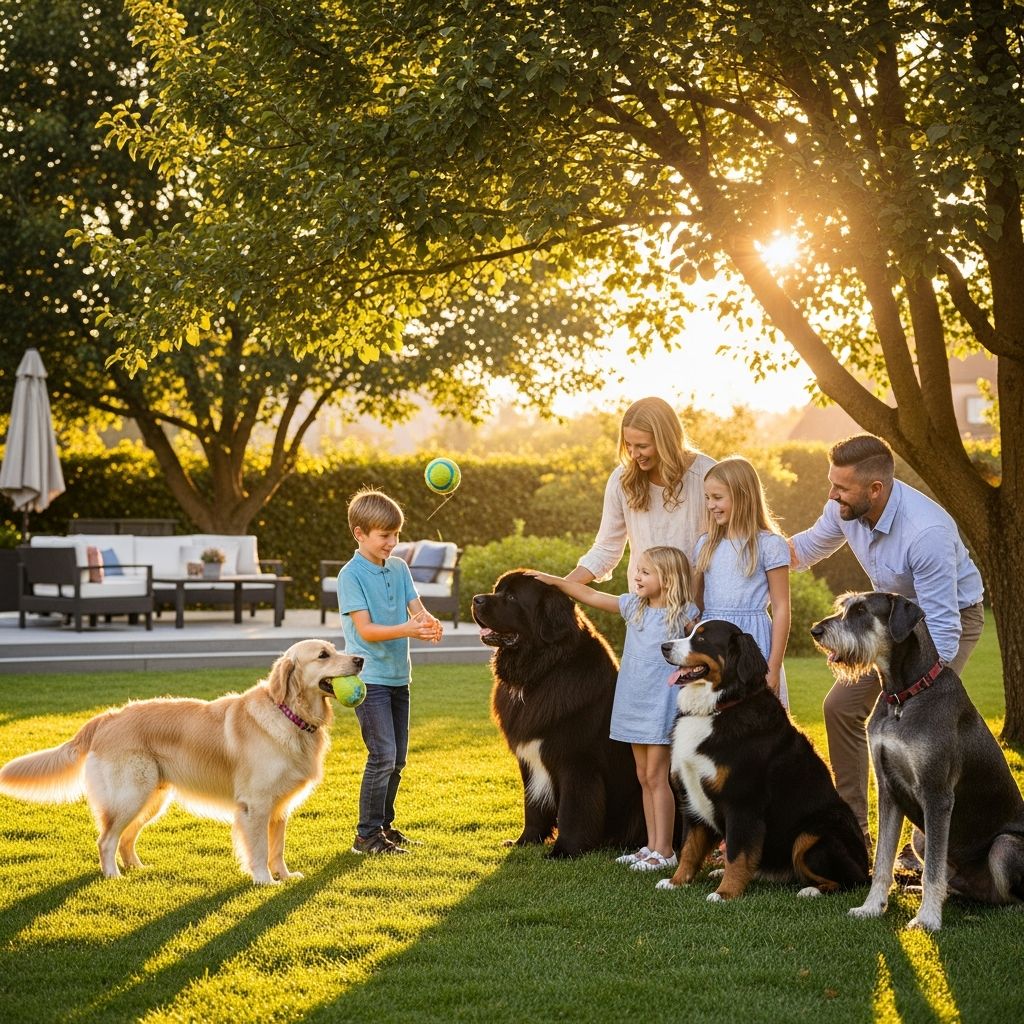
When choosing a family pet, many households gravitate toward larger dog breeds for their impressive presence, loyal nature, and affectionate personalities. Big dogs often make wonderful family companions, offering protection, playfulness, and unconditional love. However, selecting the right large breed requires careful consideration of temperament, exercise needs, health concerns, and space requirements.
Large dog breeds have captivated families for generations, earning reputations as gentle giants, loyal protectors, and devoted playmates. Whether you’re seeking an active outdoor companion or a calm family friend, understanding the characteristics of various big dog breeds will help you make an informed decision that benefits both your family and your future pet.
Why Choose a Large Dog Breed?
Large dog breeds offer distinct advantages for the right family. Their impressive size often translates to a commanding presence that can provide security and protection. Beyond their protective qualities, big dogs frequently demonstrate remarkable gentleness, patience with children, and an eagerness to be involved in family activities. Many large breeds are intelligent, trainable, and excel in various roles from service dogs to beloved family companions.
The personality traits common in many large breeds—loyalty, sociability, and affection—make them exceptional family pets. While they require more space, food, and exercise than smaller breeds, the emotional rewards of sharing your home with a large dog often outweigh these practical considerations for dedicated pet owners.
The Top Large Dog Breeds for Families
Labrador Retriever: The Family Favorite
Labrador retrievers consistently rank among America’s most beloved dog breeds, earning their place as the second most popular breed registered with the American Kennel Club. These versatile canines have held the top position for 31 consecutive years before recently being surpassed, a testament to their enduring appeal.
Why they’re great: Labs are renowned for their exceptional friendliness, unwavering loyalty, and remarkable versatility. They excel as service dogs, therapy animals, and playful family companions. Their intelligence makes them highly trainable, and their patient nature with children creates ideal family dynamics. Labs thrive on human interaction and genuinely enjoy being part of family activities.
Ideal family: Labs suit active families who can provide regular exercise and mental stimulation. They’re excellent for first-time dog owners due to their forgiving nature and adaptability.
Things to consider: These energetic dogs require substantial daily exercise to prevent behavioral issues and maintain optimal health. Their popularity has unfortunately led to overbreeding by irresponsible breeders, making it crucial to source your Lab from a reputable breeder who screens for hereditary health conditions.
Golden Retriever: The Gentle Companion
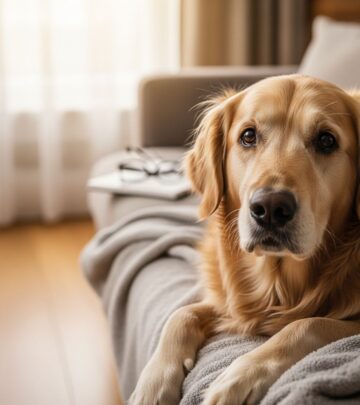
Golden retrievers rank third on the AKC’s most popular breeds list, positioning them as one of America’s most cherished large dog breeds. This breed’s enduring popularity reflects their exceptional qualities as family companions.
Why they’re great: Goldens are celebrated for their gentle disposition, remarkable intelligence, and impressive adaptability. They possess an innate patience with children and maintain a calm, composed demeanor in various situations. Their intelligence and trainability make them popular choices for therapy and service work. Golden retrievers genuinely seem to enjoy human company and thrive in interactive family environments.
Ideal family: Perfect for families with young children seeking a patient, protective, and affectionate companion who will integrate seamlessly into family life.
Things to consider: Golden retrievers require extensive daily exercise and mental engagement to stay healthy and well-behaved. Their luxurious double coats demand regular grooming to prevent matting and maintain coat health. Given the breed’s popularity, selecting a responsible breeder who prioritizes health screening is essential for avoiding genetic predispositions to hip dysplasia and other inherited conditions.
German Shepherd: The Loyal Guardian
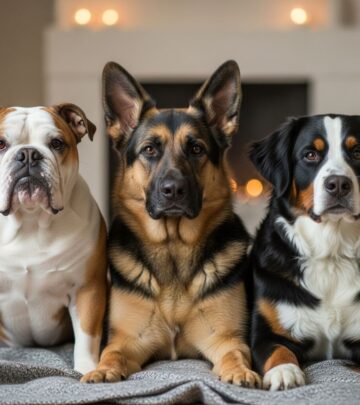
German Shepherds command respect as the fourth most popular breed on the AKC’s rankings, valued for their intelligence, loyalty, and protective instincts. This breed’s popularity in police, military, and service work demonstrates their exceptional capabilities.
Why they’re great: German Shepherds are highly intelligent, confident, and naturally protective of their families. Their trainability and work ethic make them ideal for families seeking a dog with protective capabilities. They form deep bonds with their owners and demonstrate remarkable devotion. When properly socialized, they balance protective instincts with gentle family companionship.
Ideal family: Best suited for families seeking a confident and protective companion who are willing to invest substantial time in consistent training and comprehensive socialization from puppyhood.
Things to consider: German Shepherds require firm, consistent leadership and extensive early socialization to develop into well-adjusted family members. The breed is prone to hip dysplasia, necessitating regular veterinary checkups and health screening. These dogs need substantial daily exercise and mental stimulation to prevent destructive behaviors and anxiety issues.
Bernese Mountain Dog: The Majestic Mellow One
Bernese Mountain Dogs offer a more relaxed alternative to high-energy retrievers while maintaining impressive size and presence. Originally bred as working dogs in the Swiss Alps, these dogs bring calm dignity to any household.
Why they’re great: Bernese Mountain Dogs are characterized by their calm, gentle, and affectionate nature, making them ideal for families preferring a more laid-back companion. These dogs are exceptionally patient with children and demonstrate natural protectiveness toward their families. Their loyalty is unquestionable, and they seem content simply being near their beloved humans.
Ideal family: Perfect for families living in cooler or moderate climates with ample space who appreciate a large, gentle breed with a more mellow temperament than higher-energy alternatives.
Things to consider: Bernese Mountain Dogs have a notably shorter lifespan than many other breeds, typically living seven to ten years. They’re prone to hip dysplasia and certain cancers, making regular veterinary oversight crucial. Their thick coats require consistent grooming, particularly during shedding seasons.
Great Dane: The Towering Buddy
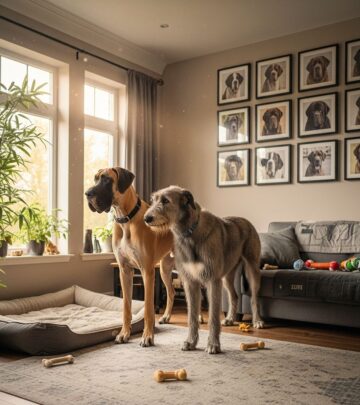
Despite their imposing stature—earning them the nickname “Apollo of Dogs”—Great Danes are surprisingly gentle and affectionate family companions. These towering beauties can weigh up to 200 pounds yet possess remarkably sweet temperaments.
Why they’re great: Great Danes are often called “gentle giants” for their loving nature and exceptional patience with children. Despite their intimidating size, they’re remarkably affectionate and enjoy being close to their families. They’re surprisingly content in apartment settings and don’t require excessive exercise, making them adaptable to various living situations.
Ideal family: Excellent for families who embrace their dog’s desire to be constantly close to the family pack. Great Danes are affectionate and, when properly socialized, friendly with nearly everyone they encounter.
Things to consider: Great Danes require careful training as puppies to ensure they develop into respectful adult dogs despite their size. The breed faces potential health concerns including heart conditions such as dilated cardiomyopathy. Medical expenses for this breed can be substantial due to their size, as medications and treatments are often more expensive for large dogs.
Newfoundland: The Gentle Giant
Newfoundlands, affectionately known as “Newfies,” embody the gentle giant archetype perfectly. These majestic water-loving dogs are often called “nanny dogs” for their legendary patience and protective instincts toward children.
Why they’re great: Newfoundlands are renowned for their sweet, calm nature and impressive strength. They possess an innate patience with children and genuine fondness for water-based activities, turning family trips to beaches and lakes into memorable adventures. Their loyalty and protective instincts make them excellent guardians who remain gentle and loving with their families.
Ideal family: Best suited for families with ample living space seeking a large, affectionate dog that excels with children and enjoys water activities.
Things to consider: Newfoundlands’ luxuriously thick coats require regular maintenance and grooming to prevent matting and maintain skin health. Their large size necessitates more living space and significantly larger food budgets than smaller breeds. They’re prone to hip dysplasia, bloat, and hypothyroidism, making responsible breeder selection critical for minimizing health complications.
Boxer: The Spirited Protector
Boxers bring spirited energy and protective instincts to family households. These muscular, athletic dogs combine playfulness with devotion, creating dynamic family companions.
Why they’re great: Boxers are known for their playful, fun-loving personalities and strong protective instincts toward their families. They’re energetic, intelligent, and enjoy being active participants in family life. Their loyalty is unwavering, and they bond deeply with their human companions.
Ideal family: Suited for active families who appreciate a spirited companion and can provide regular exercise and engagement.
Things to consider: Boxers require consistent training and socialization to channel their protective instincts appropriately. They need substantial daily exercise to prevent behavioral problems and maintain physical health.
Mastador: The Perfect Mix
Mastadors, combining Mastiff and Labrador genes, represent designer dogs that unite the gentleness of Labs with the impressive sturdiness of Mastiffs. Depending on their parentage, these dogs can weigh up to 160 pounds, offering imposing presence with loving temperaments.
Why they’re great: Mastadors inherit excellent traits from both parent breeds, creating loyal, affectionate family companions capable of providing protection without aggressive tendencies. They’re intelligent, trainable, and eager to please their families.
Ideal family: Suitable for families seeking a large, affectionate dog that provides gentle protection without requiring extensive training demands.
Things to consider: These dogs need considerable space to roam comfortably. They can inherit health issues common to both parent breeds, particularly joint problems, necessitating careful exercise management and veterinary oversight.
Goldador: The Friendly Hybrid
Goldadors, resulting from Golden Retriever and Labrador Retriever crosses, inherit the best traits from both beloved breeds, creating exceptional family pets known for intelligence, loyalty, and friendliness.
Why they’re great: These hybrids combine the gentle nature of Goldens with the enthusiasm of Labs, producing dogs that are typically easy to train, exceptionally social, and genuinely friendly with everyone they meet. Their intelligence makes training enjoyable, and their social nature means they thrive in active family environments.
Ideal family: Perfect for any family, especially those with children, seeking an active, affectionate dog that enthusiastically participates in all family activities and adventures.
Things to consider: Like their parent breeds, Goldadors require regular exercise and mental stimulation to stay healthy and well-behaved.
Comparing Large Dog Breeds
| Breed | Temperament | Exercise Needs | Grooming Requirements | Lifespan | Best For |
|---|---|---|---|---|---|
| Labrador Retriever | Friendly, loyal, versatile | High | Moderate | 10-12 years | Active families |
| Golden Retriever | Gentle, intelligent, patient | High | High | 10-12 years | Families with children |
| German Shepherd | Intelligent, protective, loyal | High | Moderate | 9-13 years | Experienced owners |
| Bernese Mountain Dog | Calm, affectionate, gentle | Moderate | High | 7-10 years | Laid-back families |
| Great Dane | Friendly, patient, affectionate | Low-Moderate | Moderate | 7-10 years | Apartment-friendly families |
| Newfoundland | Sweet, calm, patient | Moderate | High | 8-10 years | Families with space |
Health Considerations for Large Breeds
Large dog breeds face specific health challenges that prospective owners should understand before making their commitment. Hip dysplasia, a hereditary condition affecting the hip joint, commonly affects many large breeds including Labradors, Golden Retrievers, German Shepherds, Bernese Mountain Dogs, and Newfoundlands. Regular veterinary checkups and responsible breeder selection significantly reduce risks.
Great Danes are particularly prone to heart conditions including dilated cardiomyopathy, requiring careful monitoring and regular cardiac examinations. Bloat, a life-threatening condition where the stomach fills with gas and twists, poses risks to many large breeds and requires immediate veterinary attention.
Selecting puppies from breeders who conduct health screening on parent dogs substantially reduces the likelihood of inheriting serious health conditions. Regular exercise, maintaining healthy weight, and quality nutrition all contribute to maximizing your large dog’s longevity and quality of life.
Training and Socialization for Large Breeds
Large dogs require consistent, firm training and comprehensive socialization from puppyhood. Their size makes behavioral issues more challenging to manage than with smaller breeds, making early training essential. German Shepherds and protective breeds particularly benefit from confident ownership and clear boundaries established early in life.
Socialization exposes puppies to various people, environments, and experiences, helping them develop confidence and appropriate social skills. Well-socialized large dogs become well-mannered family members who interact appropriately with children, other pets, and strangers.
Living Space and Exercise Requirements
While Great Danes surprisingly adapt to apartment living despite their size, most large breeds benefit from adequate space to move freely. Exercise requirements vary by breed—high-energy Labradors and Golden Retrievers need substantial daily activity, while Bernese Mountain Dogs are content with moderate exercise. Providing sufficient physical activity and mental stimulation prevents behavioral problems and maintains optimal health.
Cost Considerations for Large Dogs
Large dog ownership involves substantial financial commitments beyond initial purchase or adoption fees. Food expenses are considerably higher for big dogs consuming larger portions daily. Veterinary care, including preventive screenings and treatment of health conditions, often proves more expensive for large breeds, particularly when medications require higher dosages. Pet insurance for some large breeds costs nearly twice as much as for smaller dogs, particularly for breeds prone to specific health issues.
Frequently Asked Questions (FAQs)
Q: Are large dog breeds good with children?
A: Many large breeds are excellent with children when properly socialized and trained. Breeds like Golden Retrievers, Labradors, Newfoundlands, and Great Danes are known for their patience and gentleness with kids. However, supervision is always necessary due to their size and strength.
Q: How much exercise do large dogs need?
A: Exercise needs vary by breed. High-energy breeds like Labradors and Golden Retrievers need at least one to two hours daily. Calmer breeds like Bernese Mountain Dogs and Great Danes are satisfied with thirty minutes to one hour of daily activity.
Q: What’s the average lifespan of large dog breeds?
A: Most large breeds live seven to thirteen years, though some exceptions exist. Bernese Mountain Dogs typically live seven to ten years, while some other large breeds may live up to thirteen years with excellent care.
Q: Do large dogs require professional grooming?
A: Breeds with thick or long coats like Golden Retrievers and Newfoundlands benefit from professional grooming several times yearly. Regular at-home brushing between professional sessions prevents matting and reduces shedding.
Q: Are large dog breeds suitable for first-time owners?
A: Labradors and Golden Retrievers are excellent choices for first-time owners due to their forgiving nature and trainability. German Shepherds require more experienced owners comfortable with firm training and consistent socialization.
Q: How do I find a reputable breeder?
A: Look for breeders who conduct health screening on parent dogs, provide references, and welcome visits to their facilities. Responsible breeders are committed to breed health and will ask you detailed questions to ensure proper placement.
References
- American Kennel Club Most Popular Dog Breeds — American Kennel Club. 2023. https://www.akc.org/news/french-bulldog-takes-top-spot-akcs-most-popular-dog-breed-list/
- The Most Expensive Dog Breeds to Insure — Money. 2024. https://money.com/dog-insurance-for-popular-breeds/
- 12 Best Large Dog Breeds for Families — ManyPets. 2024. https://manypets.com/us/blog/best-large-dog-breeds-for-families/
- Golden Retrievers as Therapy Dogs — East Hills Veterinary Clinic. 2024. https://www.cincinnatifamilyvet.com/services/dogs/blog/5-great-large-dog-breeds-families
- Best Family Dogs — Money. 2024. https://money.com/best-family-dogs/
- 14 Awesome Large Dog Breeds — Purina Nutrish. 2023. https://www.nutrish.com/blog/14-awesome-large-dog-breeds/
Similar Articles








Read full bio of medha deb