Best Bank Account for Beginners
Discover the ideal first bank account to manage daily spending, build savings, and grow your money securely from scratch.

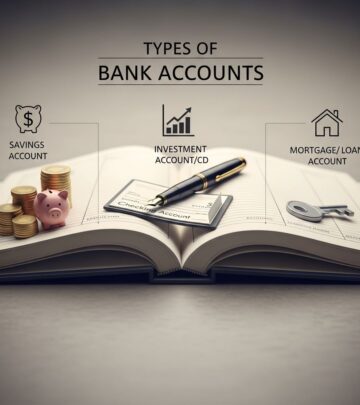
Choosing your first bank account marks a key step toward financial independence. Whether you’re setting up direct deposits, paying bills, or starting an emergency fund, the right account provides accessibility, security, and growth potential. This guide breaks down primary options—checking, savings, money market, and certificates of deposit (CDs)—to help you select based on your lifestyle and objectives.
Why Your First Bank Account Matters
Bank accounts safeguard funds up to $250,000 per depositor via FDIC insurance at banks or NCUA at credit unions, offering peace of mind. Beginners often prioritize ease of use alongside features like debit cards, mobile apps, and interest earnings. Factors such as fees, minimum balances, and transaction limits influence long-term success. Starting simple prevents common pitfalls like overdrafts or inactivity charges.
Checking Accounts: Foundation for Daily Finances
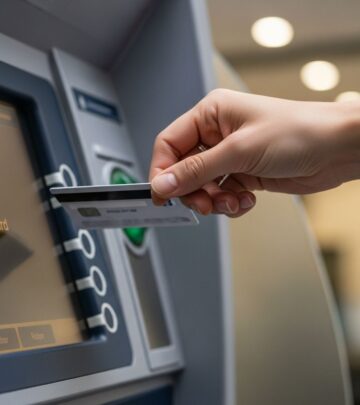
Checking accounts serve as the cornerstone for routine transactions. They enable unlimited deposits and withdrawals, bill payments, and ATM access via debit cards. Ideal for payroll direct deposits and grocery runs, these accounts typically yield minimal interest but excel in liquidity.
- Key Features: Debit card, checks, online transfers, Zelle or ACH payments.
- Pros: No withdrawal limits; overdraft protection options; free ATM networks at many institutions.
- Cons: Low or zero APY; potential monthly fees if balance dips below requirements.
Interest-bearing variants exist, blending access with modest yields for those holding higher balances. For students or low-income users, fee-free options from online banks minimize costs.
Savings Accounts: Building Your Safety Net
Savings accounts encourage disciplined saving with competitive interest rates and withdrawal restrictions—often six per month—to promote growth. Perfect for short-term goals like vacations or car repairs, they outpace checking in earning potential.
| Account Type | Average APY (2025) | Min Balance | Best For |
|---|---|---|---|
| Traditional Savings | 0.45% | $100–$500 | Basic emergency funds |
| High-Yield Online | 4.5%+ | None | Maximizing returns |
High-yield online savings from fintechs like Ally or Marcus offer superior rates without branches, leveraging digital efficiency. Regular contributions via auto-transfers harness compound interest effectively.
Money Market Accounts: Balancing Access and Earnings
Money market accounts (MMAs) merge checking flexibility with savings yields, often providing debit cards or checks alongside higher APYs. Suited for those needing occasional access without sacrificing growth, they demand higher minimums—typically $1,000–$10,000.
- Limited transactions (e.g., six/month) prevent them from being primary spenders.
- Higher rates than standard savings, fluctuating with market conditions.
- Ideal for mid-term parking of funds like home down payments.
Exceeding limits incurs fees, so review terms carefully. MMAs shine for balanced portfolios.
Certificates of Deposit: Locked-In Growth Strategy
CDs lock funds for fixed terms (3 months to 5 years) at guaranteed rates, shielding against rate drops. Best for money untouched until maturity, early withdrawals face penalties.
Short-term CDs suit near-future needs; ladders (staggered maturities) provide periodic access. No-penalty CDs offer flexibility at slightly lower yields.
Comparing Starter Bank Accounts
| Feature | Checking | Savings | MMA | CD |
|---|---|---|---|---|
| Liquidity | High | Medium | Medium | Low |
| Interest Rate | Low | Medium-High | High | Highest (fixed) |
| Fees | Possible | Low | Balance-based | Penalty on early exit |
| Best Starter Use | Daily spending | Emergency fund | Balanced access | Guaranteed savings |
Checking suits immediate needs; pair with savings for comprehensive coverage.
Specialized Accounts for Unique Needs
Student and Joint Options
Student checking skips fees, aiding college budgets. Joint accounts foster shared responsibility for families.
Business and Retirement Starters
Basic business checking handles small ventures; IRAs kickstart retirement with tax perks.
How to Pick Your Ideal Starter Account
- Assess Habits: Frequent spender? Checking first.
- Check Fees: Avoid monthly charges via direct deposit waivers.
- Prioritize APY: Online banks lead for savings/MMA.
- Verify Insurance: FDIC/NCUA protection essential.
- Test Digital Tools: Apps for budgeting integration.
Online comparison tools reveal top rates; local credit unions offer personalized service.
Frequently Asked Questions (FAQs)
What is the single best first bank account?
A no-fee checking account paired with high-yield savings covers most beginners comprehensively.
Do all bank accounts earn interest?
No—checking rarely does; savings, MMAs, and CDs do.
Can I open a bank account without a deposit?
Many online options require $0–$25; shop around.
How do I avoid bank fees as a newbie?
Opt for free accounts, maintain minimums, use in-network ATMs.
Are online banks safe for starters?
Yes, with FDIC insurance matching traditional ones.
Next Steps to Launch Your Banking Journey
Gather ID, SSN, and initial deposit. Online applications take minutes; link to apps like Mint for tracking. Revisit annually as needs evolve—add CDs for goals, MMAs for yield boosts. Sound banking builds wealth steadily.
References
- Understanding The Different Types Of Bank Accounts — Bankrate. 2025. https://www.bankrate.com/banking/types-of-bank-accounts/
- Learn About the 4 Basic Types of Bank Accounts — Dollar Bank. 2025-10-01. https://dollar.bank/be-dollar-wise/october-2025/4-basic-types-of-bank-accounts
- Understanding the Different Types of Bank Accounts — JetStream FCU. 2025. https://jetstreamfcu.org/resources/blog/financial-education/understanding-the-different-types-of-bank-accounts
- Money Basics Guide to Savings and Checking Accounts — MyCreditUnion.gov (NCUA). 2023. https://mycreditunion.gov/sites/default/static-files/money-basics-guide-savings-checking-accounts.pdf
- Types of Bank Accounts — Chase. 2025. https://www.chase.com/personal/banking/education/basics/types-of-bank-accounts
- The Basics of Banking: Types of Accounts — Brooklyn Public Library. 2025. https://bklynlibrary.libguides.com/c.php?g=764192&p=7671006
Similar Articles








Read full bio of Sneha Tete