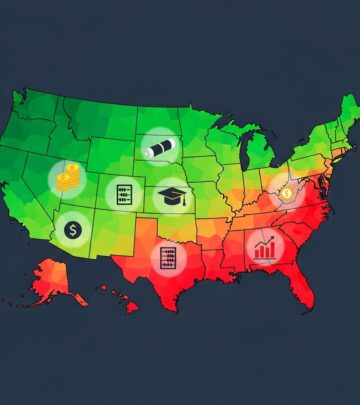
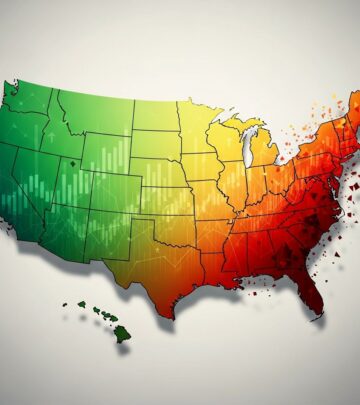
Best And Worst States To Be Rich In 2025: 10 Best, 10 Worst
See where wealth stretches furthest by comparing income levels, taxes, safety and costs across U.S. states.

Having a high income does not guarantee a comfortable lifestyle if taxes, living costs, or safety risks quietly erode your wealth. Some U.S. states allow affluent households to keep more of what they earn and enjoy a higher quality of life, while others make it harder to translate high pay into lasting prosperity. This guide examines how different states treat high earners and identifies where it is most advantageous – and most challenging – to be rich.
How This Ranking of States to Be Rich Was Built
The original study behind this article evaluated all 50 states on several indicators that matter most to affluent households. Rather than focusing only on average residents, it looked specifically at how well each state serves the financial interests of people near the top of the income distribution.
Key principles behind the ranking include:
- High-end incomes matter – The analysis considered how much the highest-earning households make in each state, not just median wages.
- Net income counts more than gross pay – What you keep after state taxes and living costs is more important than headline salary figures.
- Security of wealth is crucial – Property crime risk and related safety issues can diminish the value of your assets and sense of well-being.
By combining these elements, the ranking highlights which states give wealthy residents the strongest overall financial environment and which make it hardest to enjoy and protect high incomes.
Main Factors Used to Compare States
While specific weights may vary by study, the main factors typically include:
- High-income levels: How much do the top earners in the state make, such as the average income of the top 5% or top 1% of households?
- State income tax burden: How heavily does the state tax high earners, including top marginal tax rates and overall effective rates on upper-income households?
- Cost of living: How far does a dollar go once you account for housing, transportation, healthcare, and other basic costs?
- Property crime and safety: How likely is it that wealth and possessions will be threatened by theft, burglary, or similar crimes?
States that combine strong upper-income earnings with moderate taxes, manageable living costs, and relatively low property crime rates rise to the top of the rankings. Conversely, states where high earners face steep taxes, expensive living, or greater theft risk tend to fall toward the bottom.
Top 10 Best States to Be Rich
The best states to be rich typically share several traits: robust job markets in high-paying industries, favorable tax codes for affluent households, and relatively safe communities. While the exact top 10 list can vary year to year, the states below illustrate the kinds of environments that are particularly friendly to wealthy residents.
| Rank | State | Why It’s Attractive for the Rich (Summary) |
|---|---|---|
| 1 | Texas | No state income tax, strong job growth, relatively affordable housing in many metros. |
| 2 | Florida | No state income tax, popular retirement destination, robust tourism and services economy. |
| 3 | Wyoming | Low taxes, small population, and strong resource sector revenues supporting public finances. |
| 4 | Washington | No state income tax and high earnings in tech and related industries. |
| 5 | Nevada | No state income tax and a tourism-driven economy that keeps sales taxes and fees central. |
| 6 | Alaska | No state income tax, no state sales tax at the state level, and resource-based revenues. |
| 7 | South Dakota | No state income tax and favorable trust laws often used for wealth and estate planning. |
| 8 | Tennessee | No general wage income tax and relatively low cost of living compared with coastal states. |
| 9 | North Dakota | High incomes in energy and agriculture, low unemployment, and manageable living costs. |
| 10 | Colorado | Flat income tax rate, strong tech and professional sectors, and high quality of life. |
What Top-Ranked States Have in Common
Although each state has its own economic profile, the best places to be rich tend to share several advantages:
- Low or no state income tax on wages – States such as Texas, Florida, Washington, and Wyoming do not levy a tax on earned income, which can save high earners substantial sums each year.
- High-paying industries – Many top-ranked states host thriving sectors such as technology, energy, finance, or specialized manufacturing that provide top-tier salaries to well-qualified workers.
- Reasonable cost of living in affluent areas – While some wealthy enclaves are expensive, many high-income households benefit when housing and everyday expenses remain modest relative to their earnings.
- Stable or growing economies – Strong population and job growth, often documented by labor statistics, help sustain high incomes and create opportunities for entrepreneurs and investors.
For affluent households, that combination can mean significantly higher after-tax, after-cost disposable income compared with peers in high-tax, high-cost states.
10 Worst States to Be Rich
At the other end of the spectrum, some states impose heavier burdens on high earners or create conditions that erode the comfort and security that wealth is supposed to provide. High top tax rates, expensive housing, and elevated property crime can make these locations less attractive for affluent households.
| Rank | State | Why It’s Difficult for the Rich (Summary) |
|---|---|---|
| 1 | California | Very high top income tax rates, expensive housing, and high overall living costs. |
| 2 | New York | High state and local income taxes, especially in New York City, plus steep housing costs. |
| 3 | New Jersey | High property taxes and significant state income tax burden for top earners. |
| 4 | Maryland | Relatively high state and local tax burdens despite strong high-end incomes near Washington, D.C. |
| 5 | Hawaii | Very high cost of living and housing, plus relatively high state income tax rates. |
| 6 | Connecticut | High income and property taxes, despite affluent suburban communities around major metros. |
| 7 | Illinois | Significant property taxes and broader fiscal challenges that can lead to rising tax burdens. |
| 8 | Rhode Island | Higher-than-average taxes and limited economies of scale compared with larger states. |
| 9 | Vermont | High state tax rates relative to population and income base. |
| 10 | Oregon | No sales tax but relatively high income tax rates for top earners. |
Common Challenges in the Worst States
These states tend to be less favorable for affluent households because of:
- High marginal tax rates on top incomes – States like California, New York, and Hawaii levy some of the highest marginal rates on high earners in the country, which can significantly reduce take-home pay.
- Very expensive housing markets – Coastal states with constrained housing supply often feature high home prices and rents, raising the cost of maintaining a comfortable standard of living even at high income levels.
- Elevated overall living costs – Transportation, utilities, and services can also be more expensive, consuming a larger share of wealth.
- Tax layering – When state, county, city, and special district taxes overlap, the cumulative burden can be much higher than headline rates suggest.
These factors make it more difficult for high earners to accumulate savings or invest, even when their salaries appear very generous on paper.
Why State Income Tax Matters So Much to the Rich
For high earners, state income tax can be one of the largest recurring expenses after federal taxes and housing. A difference of several percentage points in state tax rates can amount to thousands – or tens of thousands – of dollars per year for affluent households.
States With No Broad-Based Income Tax
Several states do not levy a broad-based tax on wage income. According to official state and federal summaries, they include:
- Alaska
- Florida
- Nevada
- South Dakota
- Texas
- Washington
- Wyoming
- Tennessee (does not tax wage income, though it has historically taxed some investment income)
For wealthy households in these states, the absence of a wage income tax can significantly improve net earnings compared with peers in otherwise similar high-income states that impose top marginal rates above 8% or 10%.
Balancing Taxes Against Services and Quality of Life
However, focusing only on state income tax can be misleading. Some high-tax states provide extensive public services, infrastructure, and amenities that wealthy households may value, such as world-class universities, transit systems, and cultural institutions. The original ranking therefore combined tax burdens with income levels, safety, and other factors rather than assuming that lower taxes always mean better outcomes.
The Role of Cost of Living and Housing for Affluent Households
Even for the rich, local prices matter. Housing is typically the single largest expense for households, and in many high-cost states, housing can absorb a large share of even six-figure incomes.
- High-cost metros – Cities such as San Francisco, New York, and Honolulu are known for extremely high home prices and rents, driven by limited supply and strong demand.
- Moderate-cost prosperity – Some high-income areas in states like Texas, Colorado, and North Carolina combine strong earnings potential with more moderate housing costs, allowing affluent residents to purchase larger homes or invest more of their income.
In effect, the same nominal income can buy very different lifestyles depending on local living costs. The ranking of best and worst states to be rich aims to capture that difference by emphasizing what wealth can actually purchase, not just how much people earn.
Wealth and Safety: Property Crime and Security
High-value assets can attract unwanted attention. That is why property crime rates and overall safety are especially relevant to affluent households. According to federal crime statistics, property crime rates vary substantially across states and metropolitan areas.
Important dimensions include:
- Burglary and theft risk – Frequent property crime can increase insurance costs and reduce peace of mind.
- Neighborhood stability – Areas with lower crime often see more stable real estate values and community investment.
- Law enforcement resources – Well-funded local police and prevention initiatives can help reduce crime rates over time.
States that successfully control property crime offer high earners a more secure environment for their homes and possessions, which is an important but sometimes overlooked aspect of being rich.
How to Use These Rankings if You Are Wealthy or Expect to Be
Relocating for financial reasons is a major decision. Still, the differences between states can be large enough that high earners regularly consider moves to more tax-friendly, lower-cost locations. For example, migration data from tax filings and population statistics shows notable flows from high-tax states to lower-tax alternatives in recent years.
Questions to Ask Before Choosing a State
Before you decide where to live or retire, consider:
- What is my expected long-term income level? If your income is likely to remain in a top bracket, state income tax differences will matter more.
- How important is access to specific industries? Some states excel in technology, others in energy, finance, or entertainment, which can shape your earning potential.
- What lifestyle do I want? Climate, culture, and amenities may justify higher costs or taxes for some people.
- Do I plan to pass on wealth? Estate and inheritance tax rules, as well as trust laws, can influence multigenerational planning.
By weighing these questions against state-specific data on income, taxes, costs, and safety, affluent households can choose locations that best align with their financial goals and preferred way of life.
Frequently Asked Questions (FAQs)
Q: What does “best state to be rich” actually mean?
A: In this context, it refers to states where high-income households enjoy strong earning potential, relatively favorable tax treatment, manageable living costs, and a reasonably safe environment for their property and assets.
Q: Are no-income-tax states always better for wealthy people?
A: Not always. While states without broad-based income taxes can significantly increase take-home pay for high earners, other factors like cost of living, property taxes, sales taxes, and quality of services also shape overall financial well-being.
Q: Why do some high-income states still rank poorly?
A: States with very high salaries can still rank poorly if high tax rates, expensive housing, and elevated living costs offset those earnings. In these cases, affluent households may not be as far ahead after expenses as their gross income suggests.
Q: How often do these rankings change?
A: Rankings can change as tax laws are revised, economies grow or slow, costs of living shift, and crime rates move up or down. Major tax reforms or rapid changes in housing markets can significantly affect a state’s position from one year to the next.
Q: Should I move solely based on where it is best to be rich?
A: Financial conditions are important, but personal preferences, family ties, career opportunities, and lifestyle should also be weighed. Rankings are best used as one input among many in deciding where to live.
References
- Best States to Live in the USA in 2026 — MoneyRates Research Center. 2025-12-10. https://www.moneyrates.com/research-center/best-state-to-live-in/
- Income and Poverty in the United States: 2023 — U.S. Census Bureau. 2024-09-10. https://www.census.gov/library/publications/2024/demo/p60-282.html
- Facts & Figures 2024: How Does Your State Compare? — Tax Foundation. 2024-03-27. https://taxfoundation.org/data/all/state/facts-and-figures/
- Cost of Living Data Series — U.S. Bureau of Economic Analysis (Regional Price Parities). 2024-05-01. https://www.bea.gov/data/prices-inflation/regional-price-parities-state-and-metro-area
- Crime in the Nation — Federal Bureau of Investigation, Uniform Crime Reporting (UCR) Program. 2024-10-01. https://cde.ucr.fbi.gov/
Similar Articles








Read full bio of Sneha Tete