Benefits Of Hiking: A Practical Guide To Health And Savings
Discover how hiking can save you money while boosting your physical health, mental well-being, and overall quality of life.

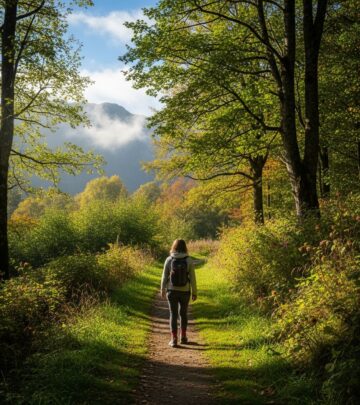
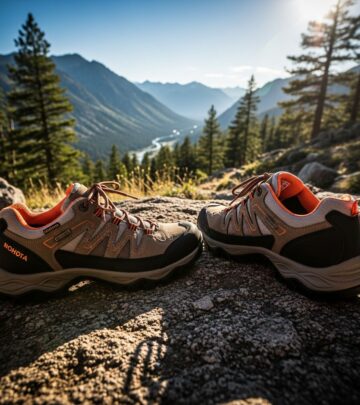
Hiking is one of the most accessible and affordable ways to improve your health, save money, and connect with nature. Unlike gym memberships or pricey fitness classes, all you need is a pair of sturdy shoes and a trail nearby. This low-cost activity delivers powerful physical, mental, and emotional rewards, making it ideal for anyone looking to enhance their wellness without breaking the bank.
The Benefits of Hiking
Hiking stands out as a multifaceted exercise that combines cardiovascular workout, strength training, and mental rejuvenation. Research shows it burns more calories than walking or even running in some cases because hikers spend more time outdoors enjoying nature, leading to longer sessions and greater overall energy expenditure. It’s particularly effective against sedentary lifestyles, which contribute to high healthcare costs and chronic conditions like obesity and depression.
It’s a Full-Body Workout
Hiking engages nearly every muscle group, providing a comprehensive workout superior to flat-ground walking. Navigating uneven terrain increases energy use by 28% compared to walking on flat surfaces, recruiting muscles in the hips, knees, ankles, quadriceps, hamstrings, glutes, lower legs, and core. This builds strength, improves balance, and reduces injury risk from overuse, as it strengthens stabilizing muscles often neglected in gym routines.
- Builds your quadriceps, hamstrings, glutes, and the muscles in your hips and lower legs: Uphill climbs target these large muscle groups, enhancing power and endurance.
- Strengthens your core: Balancing on rocks and roots activates abdominal and back muscles for stability.
- Improves cardiovascular health: Steady elevation changes elevate heart rate, improving oxygen delivery and lung capacity.
- Enhances balance and proprioception: Uneven paths train your body to adapt, lowering fall risks especially in older adults.
Studies confirm hikers often exceed physical activity guidelines effortlessly, as the enjoyment of scenery motivates longer outings.
It Improves Your Mental Health
Beyond physical gains, hiking sharpens the mind and calms the body. It activates brain areas like the retrosplenial cortex and hippocampus, aiding navigation, memory, and cognitive function—benefits surpassing many indoor exercises. Time in green spaces reduces attention fatigue, anxiety, and rumination linked to depression, fostering awe and positive mood.
- Reduces stress and anxiety: Nature exposure lowers cortisol, with immediate effects like decreased blood pressure.
- Boosts mood and combats depression: Outdoor activity increases serotonin and endorphins more effectively than urban walking.
- Enhances creativity and focus: Awe from vast landscapes sparks innovative thinking and restores mental energy.
- Improves sleep quality: Physical exertion combined with natural light regulates circadian rhythms.
Healthcare providers increasingly prescribe hiking for its synergistic effects on physical activity and nature immersion, promoting long-term wellness.
It Helps You Lose Weight and Stay Fit
Hiking is a calorie-torching powerhouse for weight management. The combination of elevation, terrain challenges, and extended duration means hikers burn significantly more calories than in equivalent indoor sessions—often persisting longer due to the non-exercise feel. It’s sustainable fitness that counters sedentary habits prevalent in modern life.
| Activity | Calories Burned (per hour, 155lb person) | Key Advantage |
|---|---|---|
| Flat Walking | 280 | Easy entry-level |
| Hiking (uneven terrain) | 360-420 | Higher burn + strength |
| Running | 590 | Intense but shorter duration |
Regular hikes lead to gradual weight loss, better body composition, and metabolic health without the monotony of treadmills.
It Strengthens Your Bones and Joints
Weight-bearing on varied terrain fortifies bones and lubricates joints. The impact from steps and climbs stimulates bone density, crucial for preventing osteoporosis, while low-impact nature protects knees better than high-impact sports. Core and stabilizer engagement supports joint health, reducing arthritis risks.
- Increases bone mineral density through resistance from inclines.
- Improves joint flexibility and synovial fluid circulation.
- Lowers chronic pain from sedentary postures.
It Boosts Your Immune System
Breathing phytoncides—organic compounds from trees—enhances natural killer cell activity, bolstering defenses against illness. Moderate exercise like hiking optimizes immune response, unlike overtraining which suppresses it. Children in natural settings show advanced motor skills and fewer sick days.
How to Get Started Hiking
Starting is simple and budget-friendly. No fancy gear required initially.
Find a Trail Near You
Use apps like AllTrails or local park websites to locate beginner-friendly paths. Start with 20-30 minute walks, progressing as fitness builds.
Gear Up on a Budget
- Comfortable, broken-in shoes with good tread.
- Moisture-wicking clothes and a backpack for water/snacks.
- Free: Layer for weather; invest under $50 initially.
Hiking Safety Tips
Prioritize safety for enjoyable outings.
- Tell someone your plans and expected return.
- Check weather and trail conditions.
- Carry water, snacks, first-aid, map, and phone.
- Go with a buddy if new; stick to marked trails.
- Watch for wildlife and know basic navigation.
Hiking for Every Budget
Hiking epitomizes frugality: free entry to most public lands, no subscriptions needed. Compare to $50/month gyms—hiking saves hundreds yearly while delivering superior results.
- Family outings: Bonding without entertainment costs.
- Solo therapy: Mental health boost at zero expense.
- Group hikes: Socializing cheaply.
Frequently Asked Questions (FAQs)
Is hiking good for weight loss?
Yes, hiking excels for weight loss due to high calorie burn on varied terrain and its enjoyable nature encouraging consistency.
How often should I hike?
Aim for 150 minutes weekly of moderate activity; 3-4 hikes suffice for beginners, per health guidelines.
Do I need special equipment?
Basic sturdy shoes and water are enough; upgrade as needed without overspending.
Is hiking safe for seniors?
Absolutely, with easy trails improving balance and bone health while reducing fall risks.
Can hiking improve mental health?
Strongly—nature reduces anxiety, sharpens cognition, and fosters happiness.
Why Hiking Saves You Money Long-Term
Beyond immediate savings, hiking prevents costly health issues. Sedentary lifestyles inflate medical bills; regular hiking cuts risks of heart disease, diabetes, and mental health treatments. It’s an investment in vitality.
In summary, hiking transforms health affordably. Lace up and hit the trails today for enduring benefits.
References
- A Low-Cost, Accessible Intervention to Promote Health Benefits — National Institutes of Health (PMC). 2020-01-31. https://pmc.ncbi.nlm.nih.gov/articles/PMC6993091/
- Five Ways Hiking Is Good for You — Greater Good Science Center at UC Berkeley. 2016-10-20. https://greatergood.berkeley.edu/article/item/five_ways_hiking_is_good_for_you
- Why Hiking Is the Perfect Mind-Body Workout — Time Magazine. 2017-05-25. https://time.com/4820394/hiking-walking-mind-body-workout/
Similar Articles








Read full bio of Sneha Tete