Behavioral Skills List: Essential Competencies for Career Success
Master 15+ essential behavioral skills to advance your career and excel in professional environments.

Understanding Behavioral Skills: Your Path to Professional Excellence
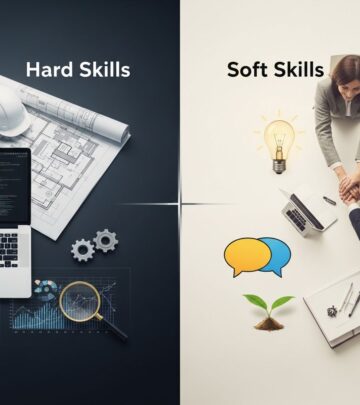
Behavioral skills, often referred to as soft skills or interpersonal competencies, represent the personal attributes and emotional intelligence that enable individuals to interact effectively with others in professional environments. Unlike technical skills that are specific to particular jobs, behavioral skills transcend industries and roles, forming the foundation of workplace success. These competencies determine how well you communicate, collaborate, solve problems, and navigate the complexities of modern workplaces.
Employers increasingly recognize that technical expertise alone is insufficient for career advancement. A 2025 analysis reveals that 41% of interview questions across finance and other sectors focus explicitly on behavioral competencies, while technical questions comprise only 59%. This shift reflects a fundamental truth: your ability to work with others, manage stress, and adapt to change often determines your professional trajectory more than your technical knowledge alone.
Why Behavioral Skills Matter in Today’s Workplace
The modern workplace demands more than technical proficiency. Organizations face constant change, diverse teams, and complex challenges that require employees to demonstrate flexibility, emotional maturity, and interpersonal awareness. Behavioral skills enable you to:
- Build trust and credibility with colleagues and leadership
- Navigate conflicts constructively and maintain professional relationships
- Adapt quickly to changing circumstances and unexpected challenges
- Lead effectively whether in formal positions or informal team settings
- Communicate complex ideas clearly across different audiences
- Manage stress and maintain performance under pressure
The 15 Most Critical Behavioral Skills
1. Emotional Intelligence
Emotional intelligence represents the cornerstone of effective workplace behavior. This skill encompasses your ability to understand and manage your own emotions while recognizing and influencing the emotions of others. Project managers and leaders who demonstrate high emotional intelligence stay composed under pressure, show genuine empathy toward team members, and navigate interpersonal dynamics with diplomatic finesse. When dealing with stakeholders, emotional intelligence helps you build trust, sense tension in discussions, and guide conversations toward solution-focused outcomes.
2. Communication Skills
Effective communication extends far beyond simply conveying information. Strong communicators build logical arguments supported by data rather than opinions, listen actively to concerns and objections, and adapt their communication style to different audiences. Whether you’re presenting to executives, collaborating with peers, or training new team members, your ability to articulate ideas clearly directly impacts team cohesion and organizational success. Finance professionals, for instance, must translate complex financial concepts into understandable terms for non-financial stakeholders, requiring both clarity and adaptability.
3. Teamwork and Collaboration
The ability to work effectively within teams distinguishes high performers from average employees. Collaboration requires you to share information openly, support colleagues toward common goals, and subordinate individual preferences when necessary for team success. Strong team players demonstrate reliability, contribute their expertise generously, and foster an environment of mutual support and accountability.
4. Conflict Resolution and Accountability
Workplace conflicts are inevitable, but how you handle them determines team dynamics and productivity. Effective conflict resolution involves addressing disagreements head-on while maintaining respect and focusing on shared objectives. Taking accountability when things go wrong, owning your decisions, and learning from mistakes builds trust and encourages others to demonstrate similar responsibility. When you own mistakes without blame-shifting, you model the professional maturity that strengthens organizational culture.
5. Problem-Solving and Critical Thinking
Problem-solving extends beyond identifying quick fixes. Strategic thinkers analyze situations comprehensively, examine multiple alternatives, weigh pros and cons, and assess potential risks before committing to solutions. Whether facing budget constraints requiring creative resource reallocation or technical challenges demanding innovative approaches, strong problem-solvers leverage existing resources efficiently while developing novel solutions to meet objectives despite limitations.
6. Adaptability and Flexibility
In today’s rapidly evolving workplace, adaptability has become non-negotiable. This behavioral skill involves your capacity to remain effective when circumstances change dramatically, shifting between different task types, and maintaining composure when plans require significant adjustment. Professionals who handle last-minute changes gracefully, adjust strategies based on new information, and view challenges as opportunities rather than obstacles position themselves for sustained success.
7. Time Management and Prioritization
Managing multiple competing priorities requires systematic prioritization methodology combined with stress management techniques. High performers determine which tasks deserve immediate attention based on urgency and impact, manage workload fluctuations during peak periods, and maintain quality despite constraints. During quarter-end and year-end closes in finance roles, for example, those with strong prioritization skills deliver accurate results under intense pressure by focusing resources on highest-impact activities first.
8. Leadership and Influence
Leadership extends beyond formal titles. The ability to influence others, guide discussions toward productive outcomes, and inspire action characterizes effective leaders at all organizational levels. Strong leaders leverage persuasive abilities rooted in logical reasoning, demonstrate confidence in their decisions, and maintain ethical frameworks even during difficult choices. They build meaningful relationships through empathy and strategic thinking about how decisions affect various stakeholders.
9. Active Listening
True listening goes beyond hearing words. Active listeners remain genuinely open to others’ perspectives, ask clarifying questions, and demonstrate that they value input before formulating responses. This skill proves particularly valuable during conflict resolution, collaborative problem-solving, and negotiations where understanding others’ underlying concerns enables better solutions.
10. Empathy and Emotional Awareness
Empathy enables you to understand others’ viewpoints, challenges, and motivations without abandoning your own perspective. This skill complements emotional intelligence by focusing outward on others’ experiences. When you approach situations with genuine empathy, you build stronger relationships, gain valuable insights, and navigate complex interpersonal situations with greater nuance.
11. Delegation and Empowerment
Effective delegation requires more than task assignment. Superior delegators clearly communicate what needs accomplishing, establish realistic deadlines, explain expected outcomes, and match tasks to team members’ skills and development goals. They provide necessary support and resources while granting autonomy for decision-making, helping team members feel empowered and productive rather than micromanaged and constrained.
12. Integrity and Ethical Decision-Making
Behavioral integrity—consistently acting according to stated values—builds trust and credibility over time. When faced with difficult choices involving competing priorities or pressure to compromise standards, professionals who maintain ethical frameworks earn respect and develop reputations as reliable, principled contributors. This behavioral skill directly impacts organizational culture and your professional relationships.
13. Self-Awareness and Continuous Learning
Self-aware professionals understand how their actions affect others, recognize their strengths and development areas, and view feedback as growth opportunities rather than criticism. This reflective capacity enables continuous improvement and demonstrates the humility and openness that characterize mature professionals capable of navigating complex career trajectories.
14. Resilience and Stress Management
Resilience involves recovering from setbacks, maintaining perspective during challenging periods, and sustaining performance when facing obstacles. Professionals who manage stress effectively through structured approaches—prioritizing high-impact items, delegating appropriately, and maintaining perspective—demonstrate the emotional regulation necessary for long-term success in demanding roles.
15. Initiative and Proactive Engagement
Rather than waiting for instructions or opportunities, professionals demonstrating strong initiative identify challenges proactively, propose solutions without being asked, and take ownership of projects beyond formal responsibilities. This behavioral skill signals commitment, ambition, and the self-directed nature that organizations seek in employees positioned for leadership roles.
Demonstrating Behavioral Skills in Interviews
Behavioral interview questions assess these skills by asking you to describe specific situations from your professional history. The most effective approach for answering these questions involves the STAR method: Situation, Task, Action, Result.
Situation: Set the context for your example, including your role, the organizational context, and what challenge you faced. Task: Clarify your specific responsibility in addressing the situation. Action: Detail the concrete steps you took, emphasizing your personal agency and decision-making. Result: Share measurable outcomes or lessons learned, connecting your actions directly to improved performance or valuable insights.
For example, when addressing questions about managing multiple priorities: “During our annual financial close, I managed simultaneous demands from three major stakeholder groups. I created a task list prioritizing activities by urgency and impact, completing capital structure adjustments first since they affected overall reporting accuracy. I delegated market analysis to a colleague with relevant expertise while coordinating presentation preparation myself. This approach enabled us to meet the aggressive deadline while maintaining 100% accuracy in our financial statements.”
Developing Your Behavioral Skills
Recognizing skill gaps is the first step toward development. Seek feedback from trusted colleagues, supervisors, and mentors about which behavioral skills impact your effectiveness most significantly. Then pursue targeted development through:
- Professional coaching focused on specific competencies like emotional intelligence or difficult conversations
- Formal training programs addressing communication, leadership, or conflict resolution
- Deliberately seeking stretch assignments that challenge you to develop underutilized skills
- Finding mentors who exemplify the behavioral skills you wish to develop
- Reflecting systematically on challenging situations, identifying what worked and what you’d do differently
- Seeking cross-functional project assignments requiring collaboration with different personality types and working styles
Behavioral Skills and Career Advancement
Research consistently demonstrates that behavioral skills matter as much as technical expertise for career progression. As you advance into leadership positions, the importance of soft skills increases dramatically. While individual contributors might focus on technical excellence supplemented by basic collaboration skills, managers and executives must excel across the full spectrum of behavioral competencies. Organizations seeking to fill leadership roles prioritize candidates demonstrating exceptional emotional intelligence, strategic communication, conflict resolution abilities, and personal accountability.
Frequently Asked Questions
Q: What is the difference between behavioral skills and technical skills?
A: Technical skills are job-specific competencies like financial modeling, programming, or accounting. Behavioral skills are transferable interpersonal and personal management competencies like communication, teamwork, and problem-solving that apply across industries and roles. While technical skills demonstrate what you can do, behavioral skills show how effectively you work with others to accomplish objectives.
Q: How can I improve my emotional intelligence?
A: Emotional intelligence develops through practice and reflection. Start by noticing your emotional triggers and reactions without judgment. Work on understanding others’ perspectives before responding to disagreement. Seek feedback about how your behavior affects others. Consider professional coaching or training programs specifically addressing emotional intelligence development. Over time, deliberate attention to your emotional responses and their impact builds this critical skill.
Q: Which behavioral skills do employers value most?
A: Research across industries consistently identifies communication, teamwork, problem-solving, adaptability, and accountability as the most valued behavioral skills. However, specific priorities vary by role and industry. Finance positions emphasize communication and stress management, while project management roles prioritize emotional intelligence and leadership. Review job descriptions for your target roles to identify which behavioral skills receive particular emphasis.
Q: How do I demonstrate behavioral skills on my resume?
A: While resumes focus primarily on responsibilities and achievements, you can highlight behavioral skills by describing accomplishments that required specific soft skills. For example, “Led cross-functional team of eight members through complex project, improving communication and reducing conflict through structured collaboration processes” demonstrates leadership and communication skills. Use action verbs and results-oriented language that implicitly showcase your behavioral competencies.
Q: Can behavioral skills be learned, or are they innate?
A: Most behavioral skills are learnable, though individuals start from different baselines due to personality, upbringing, and past experiences. Through conscious effort, coaching, practice, and reflection, you can meaningfully develop every behavioral skill listed here. Some people may find certain skills more natural, but research on neuroplasticity demonstrates that sustained focus on skill development produces measurable improvement regardless of starting point.
Q: How do I handle having weak behavioral skills in a job interview?
A: Honesty combined with growth orientation works best. If asked about a skill you recognize as a weakness, acknowledge it while describing specific steps you’re taking to improve. For example: “I’ve historically struggled with delegating because I prefer maintaining direct control. However, I recently completed a leadership coaching program focused on this exact issue and have begun deliberately delegating lower-stakes projects to build confidence and trust with my team. I’ve already noticed improvements in team morale and my own stress levels.” This demonstrates self-awareness and commitment to growth.
References
- 17 Behavioral Based Interview Questions That Actually Work in 2025 — Infeedo. 2025-01-15. https://www.infeedo.ai/blog/17-behavioral-interview-questions-2025
- 6 Key Behavioral Skills for Project Managers 2025 — Edstellar. 2025-01-20. https://www.edstellar.com/blog/behavioural-skills-for-project-managers
- List Of Behavioral Interview Questions For Finance Managers — Poised. 2024-11-15. https://www.poised.com/blog/list-of-behavioral-interview-questions-for-finance-managers
- 20 Most Common Investment Banking Behavioral Questions — Leland. 2025-01-10. https://www.joinleland.com/library/a/mastering-behavioral-questions-in-investment-banking-interviews-tips-and-tricks
- 30+ Behavioral Interview Questions to Prep For (With Sample Answers) — The Muse. 2024-12-01. https://www.themuse.com/advice/behavioral-interview-questions-answers-examples
Similar Articles








Read full bio of medha deb