Beater Car: 5 Harsh Truths And Cheap Repairs To Try
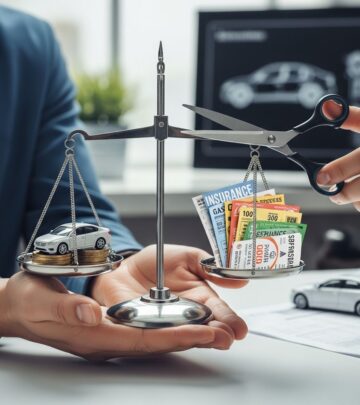
Owning a beater car saves money upfront but brings endless maintenance headaches and reliability woes—here's how to cope.
Driving a
beater car
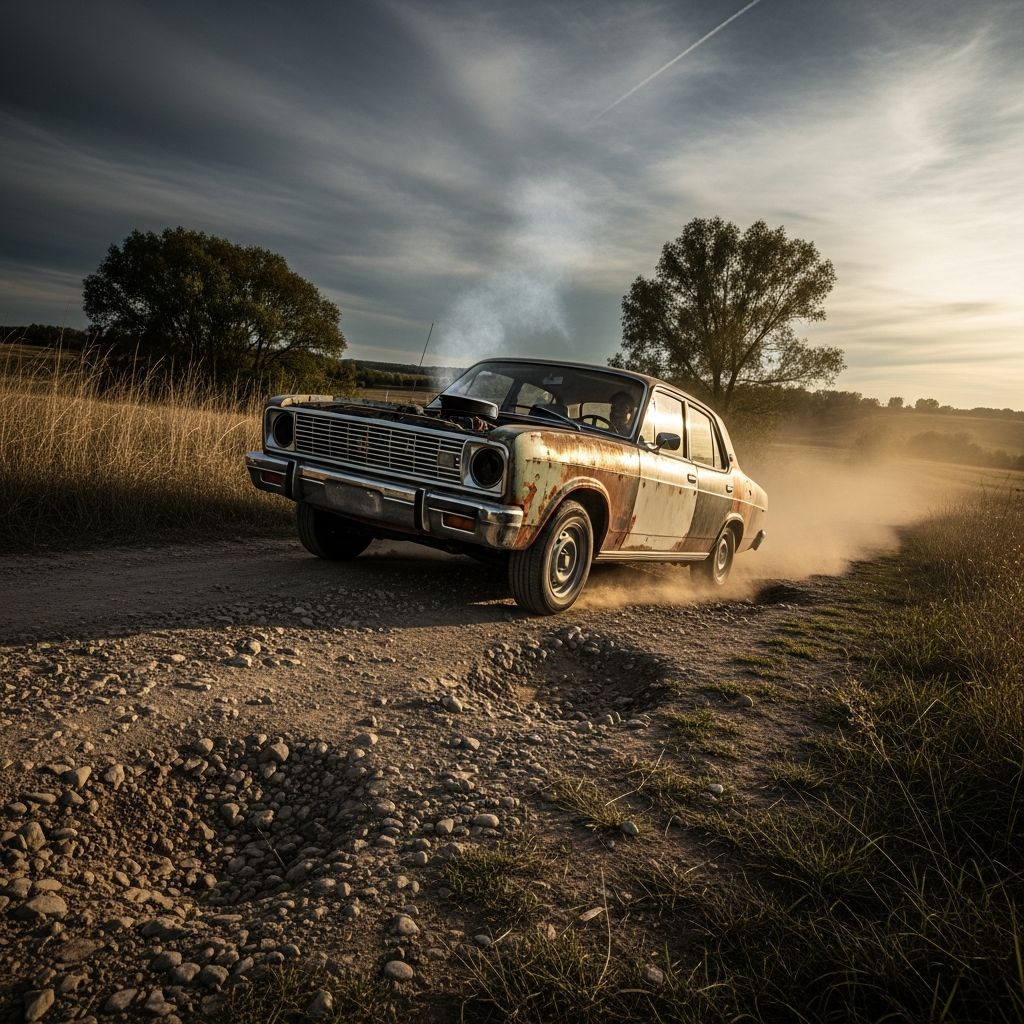
—that rusty, high-mileage relic you snagged for pennies—feels like a budget win at first. Low purchase price, minimal insurance, and no stress over dings. But reality hits hard: endless repairs, roadside breakdowns, and safety scares turn your money-saver into a money pit. This article dives into the gritty truths of beater ownership, drawing from real-world experiences and expert tips to help you navigate the chaos.What Exactly Is a Beater Car?
A
beater car
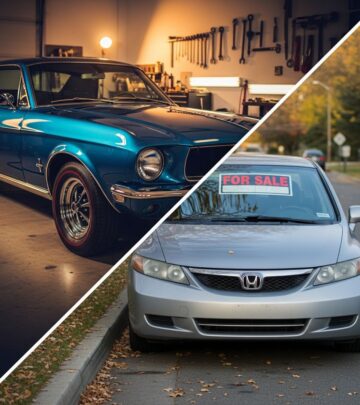
is more than just an old clunker; it’s a low-cost, high-mileage vehicle pushed past its prime for basic transportation. Typically over 10-15 years old with 120,000-200,000+ miles, it sports faded paint, dents, rust, torn seats, and glitchy features like non-working AC or broken gauges. Yet, it limps along for daily commutes if you’re lucky.These cars thrive in roles like backup haulers for muddy jobs or DIY practice pads for mechanics. Popular models include reliable workhorses like the Honda Accord or Ford F-150, where parts are cheap and plentiful.
Key Characteristics of Beater Cars
- Age & Mileage: 10+ years; 120,000–200,000+ miles.
- Exterior: Dents, rust, cracked bumpers, mismatched panels.
- Interior: Worn seats, faulty AC/heat, missing trim.
- Mechanical: Recurring issues but drivable with tweaks.
The Pros of Driving a Beater (They Do Exist)
Before the struggles, credit where due: Beatin’ beaters have upsides that keep many on the road.
- Dirt-Cheap Purchase: Score one for under $1,000—less than a month’s rent in many spots.
- Low Insurance: Minimal value means skipping comprehensive coverage, slashing premiums.
- No Ding Anxiety: Scratches? Who cares—resale value is zilch.
- Easy, Affordable Repairs: Simple mechanics, abundant junkyard parts keep costs low.
- Learning Tool: Perfect for wrenching without wrecking your wallet.
The Endless Struggles: Why Beatters Beat You Down
The shine fades fast. What starts as savings spirals into frustration. Here’s the brutal reality.
1. Constant Breakdowns and Stranded Nights
Beaters love to quit—at midnight, in rain, miles from help. Unreliable engines, frayed belts, and shot CV joints mean towing bills stack up. One owner netted a $3,500 loss after two years of fixes, scrapping it for $200. Forums echo this: time crunches, tool shortages, and skill gaps amplify woes.
2. Skyrocketing Repair Costs
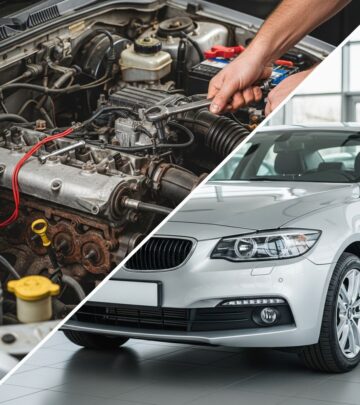
Hidden gremlins turn $1,000 buys into $3,000 nightmares. Transmission swaps? $2,500+. Initial tune-ups, tires, and cleanups add hundreds before you’re roadworthy. Neglect snowballs: a $20 oil change skipped leads to a $500 engine fix.
3. Safety Risks You Can’t Ignore
Old safety tech fails hard. Worn brakes, bald tires, sloppy steering—top causes of crashes. Prioritize these or risk life. No airbags? Poor crash protection ups injury odds.
4. Fuel Guzzling and Emissions Fails
Pre-2010 engines sip gas inefficiently, burning your budget. Stricter states boot polluters—many beaters flunk despite myths.
5. Comfort and Convenience Killers
No AC in summer? Faulty heat in winter? Sticky controls and filth make drives miserable. Long-term, it’s soul-crushing.
Prioritizing Maintenance: Keep Your Beater Alive (Cheaply)
Smart owners extend beater life by triaging fixes. Follow this priority system from experts.
Priority 1: Safety First (Control Loss Prevention)
Brakes, tires, steering, vision—fix or crash.
- Brakes: Bleed fluid ($12 DIY), pads ($40+).
- Tires: Replace proactively ($200-$400/set)—neglect kills.
- Steering/Suspension: Pro inspect ($40-$75).
Priority 2: Avoid Stranding/Engine Killers
- Hoses/Belts/CV Joints: Listen for clicks ($80-$300/side DIY/pro).
- Timing Belt: Every 60k miles ($500+, pro only—Hondas explode if snapped).
Priority 3: Basic Survival
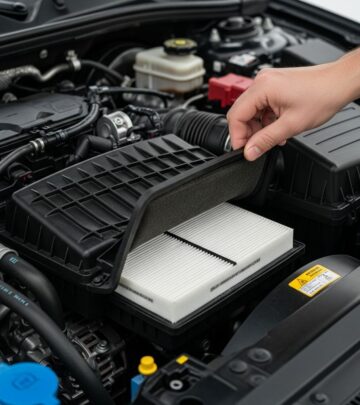
- Oil/Filter: Change immediately ($20-$40 DIY).
- Trans Fluid: Flush/filter ($150 pro).
- Coolant: Annual ($8).
- Battery: Clean terminals ($4 chemical).
Get a $20 repair manual, jack stands, basic tools. DIY where possible.
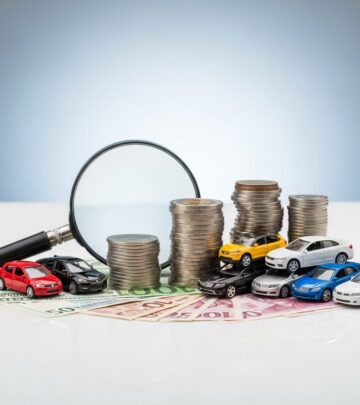
Cost Comparison: Beater vs. Newer Rides
| Aspect | Beater Car | Newer Used Car (5-10 yrs old) |
|---|---|---|
| Purchase Price | $500-$2,000 | $10,000-$20,000 |
| Annual Repairs | $1,000-$3,000+ | $500-$1,000 (warranty possible) |
| Fuel Efficiency | Poor (15-20 MPG) | Better (25-35 MPG) |
| Insurance | Low ($300/yr) | Higher ($800/yr) |
| Safety | Minimal | Advanced features |
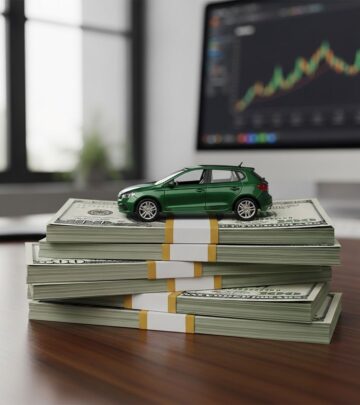
| Total 3-Yr Cost | $5,000-$10,000 | $15,000-$25,000 (but reliable) |
Note: New cars cost ~10% more per mile long-term, but beaters flop without wrenching skills.
When to Ditch the Beater: Red Flags
Know the exit. Signs it’s over:
- Repairs exceed car value (e.g., $2k engine in $1k car).
- Weekly breakdowns.
- Failed safety/emissions repeatedly.
- Family needs (kids demand safety).
- Time/tools run out—pros charge premium.
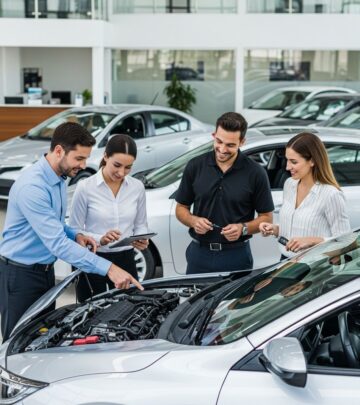
Upgrade smart: Buy reliable used with records, or calculate total ownership costs.
Real Stories: Beater Tales from the Trenches
Owners share: One drove a beater 2 years, fixed endlessly, scrapped at loss. Forums rant on initial cleanups, AC fails, surprise tires. But some swear by them for no-fear utility.
Frequently Asked Questions (FAQs)
Q: What qualifies as a beater car?
A: An older, high-mileage vehicle (10+ years, 120k+ miles) with cosmetic damage and mechanical wear, used for basic transport despite flaws.
Q: Is buying a beater worth it?
A: Yes for mechanically savvy budgeteers in transit-poor areas; no if repairs outpace savings or safety lags.
Q: How do I maintain a beater cheaply?
A: Prioritize safety (brakes/tires), then engine parts, basics last. DIY with manuals/tools.
Q: Can beaters pass emissions?
A: Many pre-2010 models do if maintained—check local rules.
Q: When should I replace my beater?
A: When fixes > value, unreliability strands you, or life changes demand better.
Final Tips to Tame Your Beater
Budget monthly for fixes. Join DIY forums. Inspect thoroughly pre-buy. Track maintenance religiously. A cared-for beater can chug years; neglect dooms it fast. Weigh if the hassle beats the savings—or plot your escape to reliability.
References
- Broke With a Beater: How To Maintain an Old Car — Edmunds. 2023-05-15. https://www.edmunds.com/car-maintenance/broke-with-a-beater-how-to-maintain-an-old-car.html
- When and why did you decide to be done with beater cars? — Bob Is The Oil Guy Forums. 2022-11-10. https://bobistheoilguy.com/forums/threads/when-and-why-did-you-decide-to-be-done-with-beater-cars.355063/
- What Is a Beater Car? Definition, Pros, and Real-World Use — Alibaba Car Interior. 2024-08-20. https://carinterior.alibaba.com/question/what-is-beater-car
- What Is a Beater Car? — CarParts.com. 2024-03-12. https://www.carparts.com/blog/what-is-a-beater-car/
- Here’s Why I Drive a Beater Vehicle — YouTube (Car Care Nut). 2023-07-05. https://www.youtube.com/watch?v=bpjX2Qux7ww
Similar Articles








Read full bio of Sneha Tete