Beat Uber Surge Pricing: 5 Smart Ways To Save
Discover proven strategies to avoid Uber surge pricing and save significantly on your rideshare trips during peak demand times.
Ridesharing has revolutionized urban transportation, offering convenience at your fingertips. However,
Uber surge pricing
can turn a budget-friendly ride into an expensive surprise, especially during rush hours, events, or bad weather. Surge pricing dynamically increases fares when demand outstrips driver supply, ensuring rides remain available but at a premium cost. Understanding how it works empowers you to sidestep these hikes and maintain control over your spending.This comprehensive guide draws from real-world strategies shared by financial experts and rideshare users. We’ll cover everything from timing your rides to exploring alternatives, helping you save hundreds annually on transportation. Whether you’re heading to work, a concert, or the airport, these tactics work across cities like New York, Los Angeles, Chicago, and Orlando.
What Is Uber Surge Pricing — and Why Does It Happen?
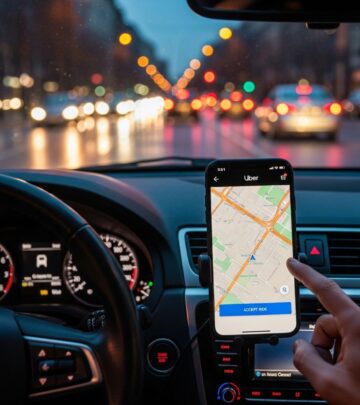
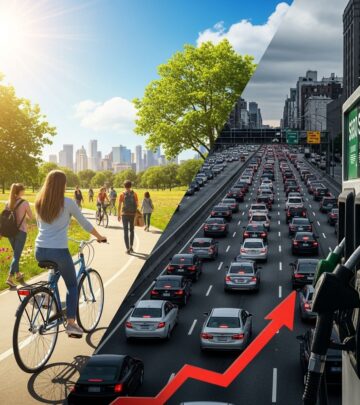
Uber surge pricing, also known as dynamic pricing, kicks in when more passengers request rides than drivers are available in a specific area. This supply-and-demand model incentivizes more drivers to enter high-demand zones by boosting earnings potential.
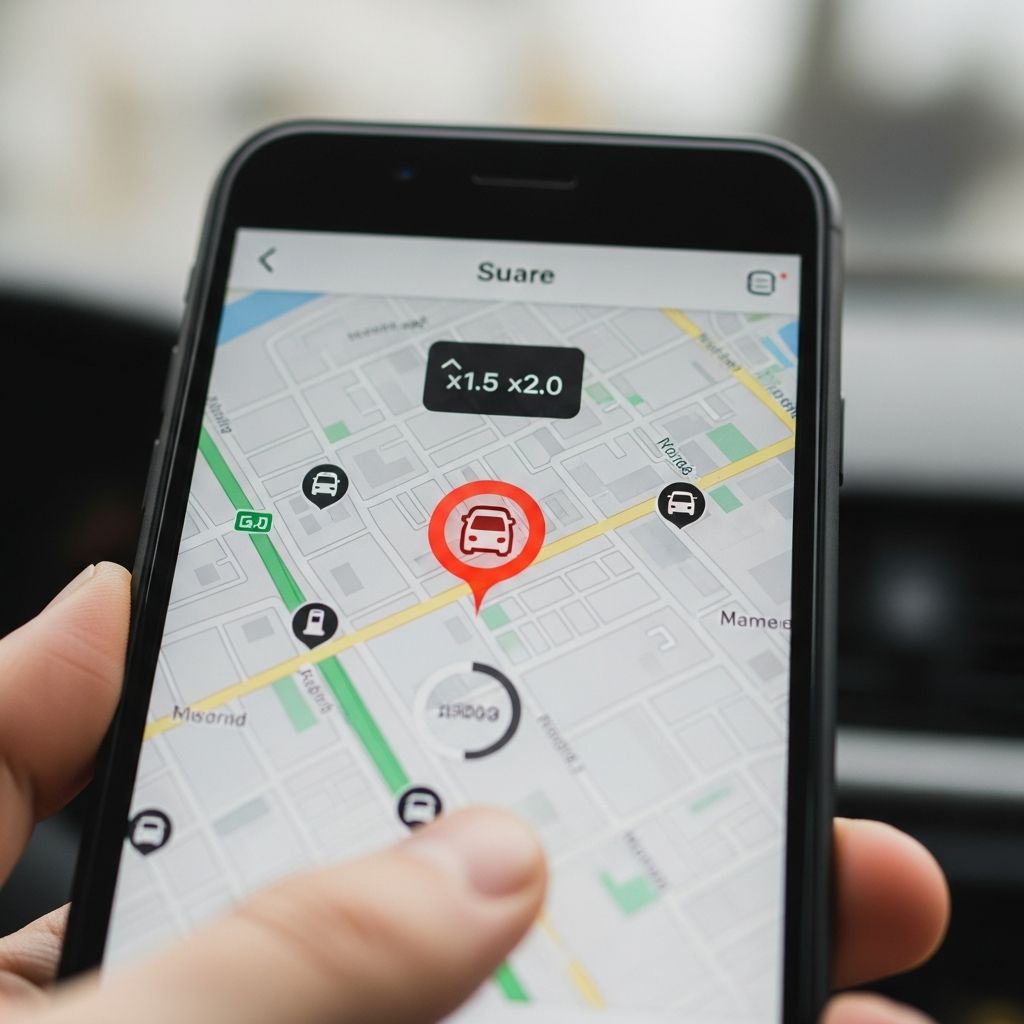
The Uber app alerts you with a multiplier (e.g., 1.5x or 2x) or an upfront surge amount added to the base fare. Colors on the map—light orange for mild surges to dark red for extreme ones—indicate intensity. Service fees remain unchanged, but the total can double or triple.
Common triggers include:
- Rush hours: Morning (around 9 a.m.) and evening commutes.
- Events: Concerts, sports games, festivals ending.
- Weather: Rain, snow, or storms reducing driver availability.
- Nights out: Bar closing times on weekends or holidays like New Year’s Eve.
Prices update in real-time, fluctuating by neighborhood. What surges in downtown might be normal a few blocks away. Uber justifies this as a way to balance the marketplace: higher fares during peaks mean shorter wait times and more reliable service overall.
Critics argue it feels like price gouging, but data shows it reduces wait times by up to 50% during peaks. Still, savvy users beat it without paying extra.
1. Time Your Uber Right
The simplest way to dodge surges is
timing
. Uber’s algorithm responds to demand spikes, but these are often short-lived—sometimes just 10-15 minutes.Avoid peak windows:
- Leave events 15-30 minutes early or after the restroom rush.
- Skip ordering at exact bar close (e.g., 2 a.m.); wait until 2:15.
- During commutes, try 8:45 a.m. instead of 9 a.m., or 5:30 p.m. versus peak.
Real example: Post-concert in Orlando, waiting 10 minutes dropped fares from 2x to normal. Bad weather surges fade as conditions improve. Pro tip: Enable notifications in the app for surge updates.
Plan ahead for predictable events. Use public transit schedules or walk short distances to off-peak pickup spots. This strategy alone can save 20-50% on frequent rides.
2. Download the Uber Driver App
One of the smartest hacks: Download the free
Uber Driver app
(even if you never drive). It reveals surge zones invisible to riders, showing colored heatmaps in real-time.Steps:
- Create a driver account (takes 2-5 minutes; no vehicle upload needed for viewing).
- Check the map for orange/red zones around your location.
- Walk or transit out of the surge area (even 2-3 blocks helps).
- Switch to your rider app and request—fares plummet.
Example: At a Chicago basketball game, the driver map showed dark red near the arena. Walking 0.5 miles to a light orange edge slashed the ride from $40 to $20. This works nationwide and updates live as you move.
Bonus: It previews driver earnings, giving insight into demand. No commitment required—delete after if desired. Users report consistent 30-70% savings during peaks.
3. Buy an Uber One Pass
Uber One, launched in 2021, is a subscription ($9.99/month or $96/year) offering
5-10% off eligible rides
, priority pickups, and surge discounts.Key perks:
- Automatic discounts on UberX, Comfort, and Eats.
- $0 delivery fees on Uber Eats ($15+ orders).
- Up to $27 monthly savings for frequent users (20+ rides/month).
During surges, it softens the blow—members see reduced multipliers. Best for regulars: Commuters or food delivery fans recoup costs quickly. Trial periods let you test without commitment.
| Plan | Cost | Avg. Monthly Savings | Best For |
|---|---|---|---|
| Monthly | $9.99 | $15-27 | Casual users |
| Annual | $96 ($8/mo) | $20-40 | Heavy riders |
Not ideal for one-off trips, but pairs perfectly with other tips.
4. Use UberX Share
Opt for
UberX Share
(formerly Uber Pool) to split costs with nearby passengers heading similarly. Saves 20-40% versus solo UberX, even in surges.- Max 2 co-riders; adds ~8 minutes max.
- Proximity-matched; no major detours.
- Solo travelers only (up to 1 other stop).
During peaks, shared rides often have fixed or lower surges since drivers earn surge pay regardless. Example: Chicago airport to downtown—solo $35, shared $22. Available in most major cities; check app for eligibility.
Trade-off: Slightly longer trips, but greener and cheaper. Kristen Bell famously UberPooled by accident and loved it.
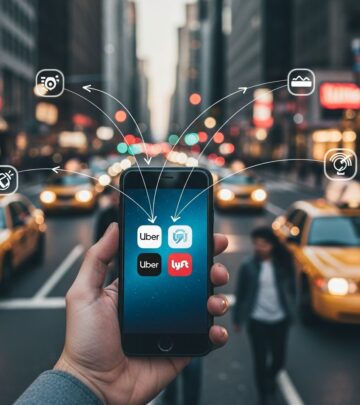
5. Try Another Ridesharing App
Don’t Uber-lock-in.
Lyft’s Prime Time
surges independently—often cheaper when Uber spikes.Comparisons:
| Route | Uber | Lyft | Savings |
|---|---|---|---|
| Orlando Airport-Downtown | $32-43 | $29-36 | Up to 15% |
| Chicago Station-Museum | $31-36 | $18-22 | 40% |
Check both apps simultaneously. Others like Via, Wingz, or Curb may undercut both. Airport shuttles or taxis sometimes beat surges too.
Bonus Tips to Beat Surge Pricing
- Switch Uber tiers: If UberX surges 3x, try Comfort (often lower multiplier) for a nicer ride cheaper.
- Public transit hybrids: Bus/train to edge of surge, then Uber.
- Group up: Split XL vans during events.
- Offline planning: Bookmark driver app; pre-load alternatives.
Combine tactics: Time + driver map + Share = massive savings.
Frequently Asked Questions (FAQs)
Why does Uber surge pricing exist?
To balance supply-demand, drawing drivers to busy areas quickly. Prices drop as balance restores.
Can surge pricing be predicted?
Partially—avoid known peaks like rush hour or event ends. Driver app shows live data.
Does Uber One cancel surges?
No, but offers discounts (5-10%) and priority, reducing effective cost.
Is UberX Share always cheaper?
Usually 20-40% less, but check trip time. Ideal for similar-direction travel.
What if both Uber and Lyft surge?
Try taxis, shuttles, or walk/public options. Driver app helps escape zones.
Mastering these strategies ensures affordable, reliable rides year-round. Start with the driver app today—your wallet will thank you.
References
- Experiencing rideshare surge? Here’s some alternatives for those who want to save — Click2Houston. 2024-05-16. https://www.click2houston.com/news/local/2024/05/16/experiencing-rideshare-surge-heres-some-alternatives-for-those-who-want-to-save/
- 5 Ways To Beat Uber Surge Pricing — Money Talks News. 2024 (est.). https://www.moneytalksnews.com/slideshows/4-ways-to-beat-uber-surge-pricing/
- 5 tricks to get a cheaper ride when Uber prices surge — Review Journal. 2020-03-11. https://www.reviewjournal.com/business/personal-finance/5-tricks-to-get-a-cheaper-ride-when-uber-prices-surge-1977042/
- Artificial Surge Pricing as Price-Fixing: Why and How to Avoid It — Seton Hall University Scholarship. 2020 (est.). https://scholarship.shu.edu/cgi/viewcontent.cgi?article=2234&context=student_scholarship
Similar Articles








Read full bio of Sneha Tete