Bear Market: Definition, Causes, and Investor Impact
Understanding bear markets: what they are, why they happen, and how to navigate them.

What Is a Bear Market?
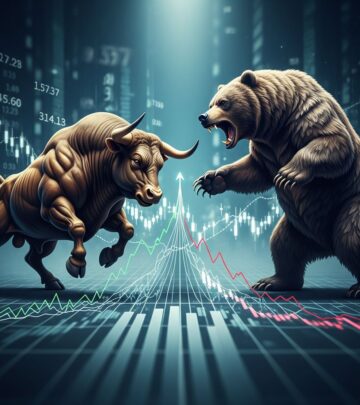
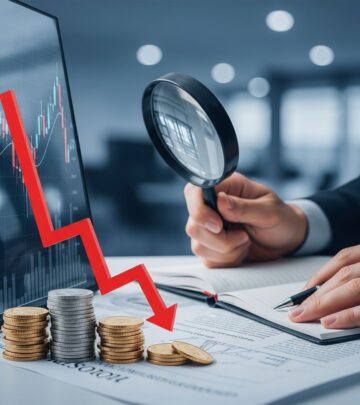
A bear market represents a significant and prolonged decline in securities prices and overall market value. It is formally defined as a condition in which securities prices fall 20% or more from recent highs amid widespread pessimism and negative investor sentiment. This threshold of a 20% decline has become the standard measurement used by financial professionals and market analysts, though it is largely considered a linguistic convention within financial markets rather than a mathematically precise indicator.
Bear markets are characterized by investor anxiety, declining confidence, and a pervasive sense that further price declines are likely. During these periods, market participants tend to sell assets defensively, seeking to minimize losses. The term “bear market” itself is believed to derive from an old proverb about selling bearskins before catching the bear, suggesting premature or pessimistic selling.
While bear markets typically describe declines in broad market indices such as the S&P 500 or the Nasdaq Composite, they can also apply to individual securities, specific sectors, or particular commodities. A bear market in one sector does not necessarily indicate a bear market across the entire economy, though widespread bear markets often correlate with broader economic challenges.
Key Characteristics of Bear Markets
Bear markets exhibit several distinctive features that distinguish them from normal market volatility:
- Prolonged Declines: Unlike temporary market corrections, bear markets represent extended periods of declining prices, typically lasting several months to several years.
- Widespread Pessimism: Negative sentiment pervades the market, with investors expecting further declines and reducing their equity exposure.
- Reduced Trading Volume: Investor participation often decreases as market uncertainty increases, leading to lower trading volumes.
- Sector Rotation: Investors typically shift capital from growth stocks to more defensive positions, including bonds and dividend-paying stocks.
- Economic Correlation: Bear markets frequently coincide with economic recessions, rising unemployment, or other macroeconomic challenges.
What Causes Bear Markets?
Bear markets result from a complex interplay of economic, political, and psychological factors. Understanding these causes helps investors anticipate market conditions and make informed decisions.
Economic Factors
A weak or slowing economy represents one of the primary catalysts for bear markets. When economic growth stagnates or contracts, corporate earnings decline, reducing the fundamental value of equities. Rising unemployment, declining consumer spending, and reduced business investment all contribute to downward pressure on stock prices. Additionally, unexpectedly high inflation can trigger market selling, as investors worry about reduced purchasing power and anticipate aggressive interest rate increases by central banks.
External Shocks
Sudden, unexpected events can rapidly shift market sentiment and trigger bear markets. Pandemics, geopolitical conflicts, and natural disasters exemplify external shocks that disrupt economic activity and create uncertainty. The COVID-19 pandemic triggered a sharp bear market in early 2020, while the war in Ukraine contributed to market volatility and declining investor confidence in subsequent years. These events often have cascading effects throughout supply chains and financial systems, exacerbating initial market declines.
Asset Bubble Bursts
Speculative excesses can create unsustainable asset price bubbles. When these bubbles burst, sharp market corrections ensue. The dotcom bubble of the late 1990s exemplifies this phenomenon, with technology stocks trading at valuations disconnected from underlying earnings. When reality failed to match expectations, the subsequent bear market decimated technology sector valuations and triggered broader market declines.
Monetary Policy Changes
Central bank actions, particularly rapid interest rate increases, can trigger bear markets by increasing borrowing costs and reducing consumer and business spending. Higher rates make bonds more attractive relative to equities, leading to equity market declines as capital reallocates to fixed-income securities.
Historical Examples of Bear Markets
Examining historical bear markets provides perspective on market cycles and their severity:
The Great Depression (1920s-1930s)
The most severe bear market in modern history occurred during the Great Depression, when the S&P 500 declined approximately 90% from its 1929 peak. This catastrophic decline reflected widespread economic collapse, bank failures, and deflationary pressures that persisted for over a decade.
The Dotcom Crash (2000-2002)
Following the burst of the internet bubble, the Nasdaq-100 index fell approximately 80% from its 2000 peak. This bear market particularly affected technology and telecommunications stocks, which had experienced irrational valuations during the late 1990s. Many companies that seemed revolutionary were trading at valuations that proved impossible to justify.
The Financial Crisis (2007-2009)
The subprime mortgage crisis triggered a severe bear market, with the S&P 500 declining approximately 57% from its 2007 peak. This bear market was characterized by widespread financial system stress, credit market dysfunction, and a deep recession affecting global economies.
The COVID-19 Pandemic (2020)
In early 2020, global markets experienced a sharp bear market as COVID-19 lockdowns disrupted economic activity. The S&P 500 declined approximately 34% before recovering as governments implemented fiscal stimulus and the economic impact proved less severe than initially feared.
Bear Markets vs. Bull Markets
Understanding the distinction between bear and bull markets provides essential context for investment strategy:
| Characteristic | Bear Market | Bull Market |
|---|---|---|
| Price Direction | Declining 20% or more | Rising or expected to rise |
| Duration | Several months to years | Months or years |
| Investor Sentiment | Pessimistic and fearful | Optimistic and confident |
| Economic Conditions | Typically recessionary | Usually expansionary |
| Risk Appetite | Low; defensive positioning | High; growth seeking |
Bull markets represent the opposite of bear markets, characterized by rising prices or prices expected to rise over extended periods. A notable example of a bull market occurred following the stagflation period of the 1970s, which began in 1982 and continued until the dotcom bubble burst in 2000. During this extended bull market, investor confidence increased, corporate earnings expanded, and stock valuations improved substantially.
How Frequently Do Bear Markets Occur?
Bear markets are not uncommon features of financial markets. Historically, the United States stock market experiences a bear market roughly every few years on average, though the frequency and severity vary considerably. Since the Great Depression, major bear markets have occurred periodically, interrupted by bull markets of varying lengths.
The most recent significant bear market before 2022 occurred in early 2020 during the COVID-19 pandemic outbreak. Previous notable bear markets include the 2008 financial crisis, the 2000-2002 dotcom crash, and the 1987 Black Monday market crash. This cyclical pattern reflects the natural volatility inherent in equity markets and the inevitable shifts in investor sentiment and economic conditions.
Impact of Bear Markets on the Economy
Beyond immediate portfolio losses, bear markets can have ripple effects throughout the broader economy. Companies without solid financial fundamentals face significant challenges during prolonged bear markets, potentially leading to bankruptcies, restructurings, or acquisitions at depressed valuations. Depending on the bear market’s duration and severity, impacts can extend to job markets and job security as companies reduce hiring or implement layoffs.
Consumer confidence typically declines during bear markets, reducing spending and further constraining economic growth. Wealth destruction from declining asset prices reduces consumer purchasing power, creating a self-reinforcing cycle of economic weakness. Additionally, financial institutions may face challenges if significant loan defaults occur, potentially restricting credit availability and further slowing economic activity.
Strategies for Navigating Bear Markets
While bear markets present challenges, several strategies can help investors manage their portfolios during these periods:
- Diversification: Maintaining a diversified portfolio across asset classes, sectors, and geographies can reduce overall portfolio volatility and losses.
- Long-Term Perspective: Historical data demonstrates that markets recover from bear markets. Maintaining a long-term investment horizon reduces the impact of temporary downturns.
- Dollar-Cost Averaging: Continuing regular investment contributions during bear markets allows purchasing assets at lower prices.
- Rebalancing: Systematic rebalancing maintains target allocations and can improve long-term returns by buying declining assets and selling appreciated ones.
- Quality Focus: Emphasizing financially strong companies with solid fundamentals can reduce risk during bear markets.
Frequently Asked Questions
Q: What is the difference between a bear market and a market correction?
A: A market correction typically involves a decline of 10% to 20% from recent highs over a relatively short period. A bear market is defined as a 20% or greater decline that persists over a longer timeframe, reflecting more fundamental economic or market problems.
Q: Can individual stocks enter bear markets independently of the broader market?
A: Yes, individual stocks or specific sectors can experience bear markets while the broader market remains relatively stable. However, widespread bear markets typically reflect broader economic challenges affecting multiple sectors and securities.
Q: How long do bear markets typically last?
A: Bear market duration varies considerably. Some last several months, while others persist for years. The average duration is typically between one and three years, though significant variation exists depending on underlying economic factors and policy responses.
Q: Is a bear market guaranteed to occur after every bull market?
A: While market cycles are natural, bear markets are not mathematically guaranteed after every bull market. However, the cyclical nature of markets suggests that extended bull markets eventually give way to corrections or bear markets as market valuations reset and economic conditions shift.
Q: Should investors avoid the stock market during bear markets?
A: Most financial advisors recommend maintaining market exposure during bear markets, particularly for long-term investors. Attempting to time market bottoms is notoriously difficult, and investors who exit the market often miss significant recovery periods. A diversified, balanced approach typically outperforms market-timing strategies.
References
- What is a bear market and what causes it? — World Economic Forum. 2022-06-15. https://www.weforum.org/stories/2022/06/what-is-a-bear-market/
- Bear Market Definition — Investopedia. Accessed 2025-11-29. https://www.investopedia.com/terms/b/bearmarket.asp
Similar Articles








Read full bio of medha deb