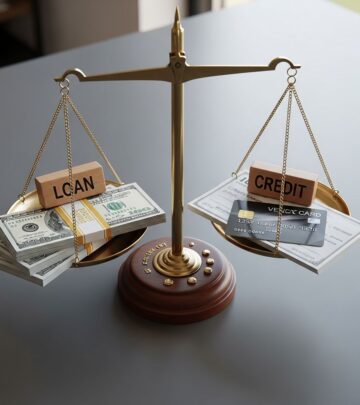
Understanding Lines of Credit: A Comprehensive Guide
Master the fundamentals of lines of credit and how they can enhance your financial flexibility.

What Is a Line of Credit?
A line of credit is a flexible borrowing arrangement that allows individuals and businesses to access funds up to a predetermined limit whenever they need them. Unlike traditional loans where you receive a lump sum upfront, a line of credit functions more like a credit card—you can borrow what you need, repay it, and borrow again without repeatedly applying for new loans. This financial tool has become increasingly popular among consumers seeking flexibility in managing their cash flow and unexpected expenses.
The fundamental concept behind a line of credit is straightforward: a lender establishes a maximum amount you can borrow, and you only pay interest on the amount you actually use, not on the entire credit line. This makes lines of credit particularly attractive for those who may need funds periodically but don’t require a large lump sum all at once.
How Lines of Credit Work
Understanding the mechanics of a line of credit is essential before committing to one. When a lender approves you for a line of credit, they establish a credit limit based on factors such as your credit score, income, employment history, and existing debt obligations. This limit represents the maximum amount you can borrow at any given time.
Once approved, you can access funds through various methods:
- Writing checks against the line of credit
- Using a debit card or credit card linked to the account
- Making transfers electronically
- Visiting a financial institution to withdraw cash
As you borrow and repay, the available credit replenishes. For example, if you have a $10,000 line of credit and borrow $3,000, you have $7,000 remaining available. When you repay the $3,000, your available credit returns to $10,000. This revolving nature distinguishes lines of credit from traditional installment loans.
Interest typically accrues only on the borrowed amount, and minimum monthly payments are generally required. The interest rate may be fixed or variable, depending on the type of line of credit and the lender’s terms.
Types of Lines of Credit
Secured Lines of Credit
A secured line of credit is backed by collateral, such as a home or savings account. Because the lender has security, they typically offer higher borrowing limits and lower interest rates compared to unsecured options. Home equity lines of credit (HELOCs) are the most common example. By pledging an asset, borrowers demonstrate reduced risk to the lender, resulting in more favorable terms.
Unsecured Lines of Credit
Unsecured lines of credit don’t require collateral but instead rely on your creditworthiness. Lenders base approval on your credit score, income, and payment history. Because the lender bears more risk without collateral, unsecured lines of credit typically feature higher interest rates and lower credit limits. Personal lines of credit offered by banks and credit unions fall into this category.
Home Equity Lines of Credit (HELOC)
A HELOC allows homeowners to borrow against the equity they’ve built in their property. It combines elements of both secured and revolving credit, offering competitive rates while maintaining flexibility. HELOCs typically have a draw period during which you can access funds, followed by a repayment period where you can no longer withdraw money but must continue making payments.
Business Lines of Credit
Designed for business owners, these lines of credit help companies manage cash flow, cover operational expenses, or fund growth initiatives. Business lines of credit may be secured or unsecured and often have higher limits than personal lines of credit.
Key Features and Terms
| Feature | Description |
|---|---|
| Credit Limit | The maximum amount you can borrow at any time |
| Interest Rate | Can be fixed or variable; typically based on prime rate plus a margin |
| Annual Percentage Rate (APR) | The yearly cost of borrowing expressed as a percentage |
| Minimum Payment | Required monthly payment, often interest-only during draw period |
| Draw Period | Time frame during which you can access funds (typically 5-10 years) |
| Repayment Period | Time frame for repaying borrowed funds (typically 10-20 years) |
| Annual Fees | Some lines of credit charge yearly maintenance fees |
Advantages of Lines of Credit
Lines of credit offer several compelling benefits that make them attractive to borrowers:
- Flexibility: Borrow only what you need, when you need it, without committing to a specific loan amount
- Lower Interest Rates: Generally offer lower rates than credit cards, especially for secured lines of credit
- Accessible Funds: Quick access to money during emergencies or unexpected expenses
- Cost-Effective: Pay interest only on borrowed funds, not on the entire credit limit
- Renewable Credit: Repaid amounts refresh your available credit automatically
- Predictable Payments: Many lines of credit offer fixed interest rates, making budgeting easier
- Build Credit History: Responsible management of a line of credit can improve your credit score
Disadvantages of Lines of Credit
While lines of credit offer numerous advantages, they also come with potential drawbacks:
- Variable Interest Rates: Many lines of credit have variable rates that can increase significantly when market conditions change
- Temptation to Overspend: Access to easy credit can lead to excessive borrowing and debt accumulation
- Annual Fees: Some financial institutions charge annual maintenance fees
- Minimum Payments: Even interest-only payments can strain budgets if not carefully managed
- Collateral Risk: Secured lines of credit put your assets at risk if you fail to repay
- Credit Score Impact: Missed payments or high utilization can negatively affect your credit rating
- Lender Restrictions: Lenders may reduce or freeze your line of credit during economic downturns
Lines of Credit vs. Other Borrowing Options
Understanding how lines of credit compare to other financing methods helps you make informed decisions:
Lines of Credit vs. Credit Cards
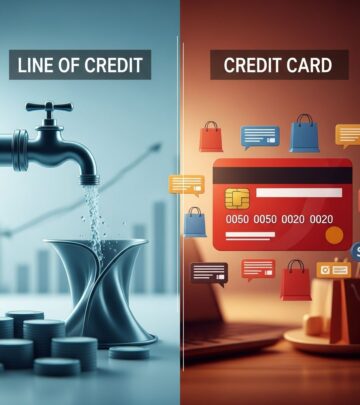
While both are revolving credit tools, lines of credit typically offer lower interest rates and higher credit limits than credit cards. Credit cards provide convenience and rewards programs, while lines of credit offer more flexibility and cost-effectiveness for larger borrowing needs.
Lines of Credit vs. Personal Loans
Personal loans provide a fixed lump sum upfront with predetermined repayment schedules, while lines of credit offer flexibility in borrowing and repayment. Lines of credit work better for ongoing or uncertain financial needs, whereas personal loans suit specific, one-time expenses.
Lines of Credit vs. Home Equity Loans
Home equity loans provide a single lump sum against home equity, while HELOCs offer flexibility to borrow incrementally. HELOCs typically have lower interest rates but require a home as collateral.
When to Use a Line of Credit
Lines of credit are most beneficial in specific situations:
- Managing seasonal business cash flow fluctuations
- Covering home renovations or improvements over time
- Handling unexpected medical or emergency expenses
- Funding education-related costs
- Consolidating higher-interest debts
- Taking advantage of investment opportunities
- Maintaining a financial safety net for unexpected situations
Qualifying for a Line of Credit
Lenders evaluate several factors when determining whether to approve your line of credit application:
- Credit Score: A higher credit score increases approval chances and may result in better terms
- Income Level: Lenders verify stable income to ensure repayment capability
- Debt-to-Income Ratio: Lenders prefer borrowers with manageable existing debt levels
- Employment History: Stable employment demonstrates financial reliability
- Payment History: A track record of on-time payments improves approval likelihood
- Collateral (if applicable): For secured lines, the value and condition of collateral matter significantly
- Existing Relationships: Having accounts with a financial institution may facilitate approval
Managing Your Line of Credit Responsibly
Successful line of credit management requires discipline and strategic planning:
- Borrow only what you genuinely need to avoid excessive debt
- Make payments on time to maintain your credit score and relationship with the lender
- Monitor your credit utilization and maintain it below 30% if possible
- Track your balance and remaining available credit regularly
- Understand your interest rate structure and how changes may affect your payments
- Avoid maxing out your credit limit unnecessarily
- Review statements for unauthorized activity or errors
- Maintain emergency savings as a first option before using your line of credit
Interest Rates and Costs
Understanding the true cost of a line of credit is crucial for financial planning. Most lines of credit feature variable interest rates tied to an index, such as the prime rate, plus a margin set by the lender. When the prime rate increases, your interest charges rise accordingly. Some lenders offer fixed-rate periods or fully fixed-rate lines of credit, providing rate predictability.
Beyond interest, consider additional costs such as annual maintenance fees, origination fees, early closure penalties, and late payment fees. These charges can significantly impact the total cost of borrowing.
Frequently Asked Questions
Q: What is the difference between a line of credit and a loan?
A: A line of credit is revolving credit that you can borrow from, repay, and borrow again, while a loan provides a lump sum that must be repaid according to a fixed schedule. Lines of credit offer flexibility, while loans have predetermined terms.
Q: Does applying for a line of credit hurt my credit score?
A: Applying for a line of credit triggers a hard inquiry, which may temporarily lower your credit score by a few points. However, responsible use of the line of credit can improve your score over time through positive payment history and credit mix.
Q: Can I lose my line of credit?
A: Yes, lenders can reduce, freeze, or close your line of credit if you miss payments, significantly increase your debt, or if economic conditions warrant risk reduction. Maintaining good standing protects your access to funds.
Q: What interest rate can I expect on a line of credit?
A: Interest rates vary based on whether the line is secured or unsecured, current market conditions, your creditworthiness, and the lender. Secured lines typically offer lower rates than unsecured options, and rates may be fixed or variable.
Q: How much can I borrow with a line of credit?
A: Your credit limit depends on factors including your credit score, income, existing debts, and the type of line of credit. Lenders determine this limit during the approval process based on their assessment of your financial reliability.
Q: Are there fees associated with lines of credit?
A: Yes, potential fees include annual maintenance fees, origination fees, late payment fees, and early closure penalties. Always review the fee structure before committing to a line of credit.
Q: Is a line of credit better than a credit card?
A: Lines of credit typically offer lower interest rates and higher credit limits, while credit cards provide convenience and rewards. The best choice depends on your specific financial needs and usage patterns.
References
- Consumer Credit Counseling Services Guide — National Foundation for Credit Counseling. 2024-06-15. https://www.nfcc.org/
- What You Need to Know About Home Equity Lines of Credit — Federal Reserve Consumer Handbook. 2024-09-01. https://www.federalreserve.gov/
- Credit Basics and Financial Management — Consumer Financial Protection Bureau. 2024-08-20. https://www.consumerfinance.gov/
- Understanding Personal Lines of Credit — American Bankers Association. 2024-07-10. https://www.aba.com/
- Managing Credit Effectively: A Consumer Guide — Federal Trade Commission. 2024-05-30. https://www.ftc.gov/
Similar Articles








Read full bio of Sneha Tete