Barter: Definition, Examples, and How It Works
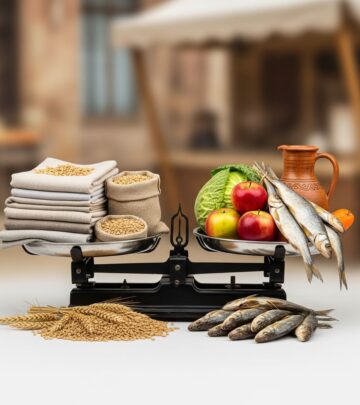
Understanding barter systems: Direct exchange of goods and services without currency.

What Is Barter?
Barter is the exchange of goods and services between two or more parties without the use of money or any other medium of exchange. Instead of using currency, individuals and businesses trade items of perceived equal value directly with one another. This ancient practice predates the invention of money and continues to play a significant role in modern economies, particularly in situations where currency is scarce, unavailable, or impractical.
The fundamental principle of barter relies on the concept of mutual benefit. Both parties must agree that what they are receiving is of equal or greater value than what they are giving up. Unlike monetary transactions, which involve a standardized unit of value, barter requires negotiation and agreement on the relative worth of the exchanged items.
The History of Barter
Barter is one of the oldest forms of commerce known to humanity. Before the development of standardized currency systems, barter was the primary method through which goods and services were exchanged. Archaeological evidence suggests that bartering practices existed as far back as 6000 BCE, when tribes and communities would trade surplus goods with neighboring groups.
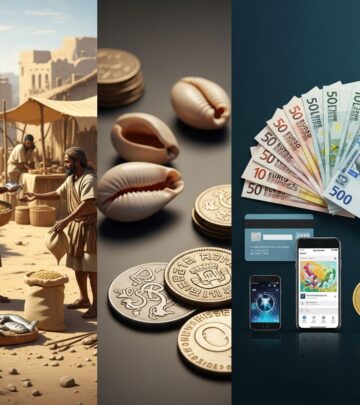
Throughout ancient civilizations, barter remained the dominant economic system. The Babylonians, Egyptians, Greeks, and Romans all engaged in extensive bartering networks. As civilizations became more complex and trade expanded across greater distances, the limitations of barter became apparent, leading to the development of commodity money and eventually standardized currency.
Interestingly, barter never entirely disappeared, even with the widespread adoption of monetary systems. It continued in rural communities, among artisans, and in situations where formal economic structures were absent or disrupted.
How Barter Works
The mechanics of barter involve several key steps:
- Identification of needs: Both parties identify what they need and what they can offer
- Negotiation: Parties discuss and agree upon the value equivalence of their goods or services
- Agreement: Both parties reach a consensus on the terms of exchange
- Exchange: The actual transfer of goods or services takes place
The process requires direct contact between parties or through a mutual acquaintance who can facilitate the transaction. In modern times, barter exchanges and online platforms have emerged to connect potential trading partners, making the process more efficient.
Barter in Different Contexts
Business-to-Business Barter
Companies often engage in barter arrangements to manage costs and build relationships. For example, an advertising agency might offer marketing services to a hotel in exchange for accommodation for their employees. A graphic design firm might trade design work for accounting services. These arrangements allow businesses to acquire needed services without expending cash, which is particularly valuable for small enterprises or startups with limited budgets.
International Barter
On the global stage, barter transactions occur between nations and large corporations. Countries with limited foreign currency reserves might engage in barter with trading partners. For instance, one nation might trade agricultural products for machinery or technology from another country. This form of international barter helps nations with currency constraints access necessary goods and services.
Personal and Community Barter
Individuals engage in barter for various reasons. A person skilled in home repair might fix a neighbor’s fence in exchange for childcare services. Community barter networks and local exchange trading systems (LETS) have emerged to facilitate these personal transactions at a larger scale, creating organized systems where members can exchange skills and goods.
Advantages of Barter
Barter systems offer several compelling benefits:
- No cash requirement: Parties can exchange value without possessing currency, making it valuable in economically depressed areas or during currency crises
- Cost savings: Businesses can reduce cash expenditures by acquiring needed goods and services through trade
- Relationship building: Barter transactions often strengthen relationships between parties as they involve direct negotiation and mutual agreement
- Utilization of excess inventory: Companies with surplus stock can convert unused inventory into needed goods or services
- Tax advantages: In some jurisdictions, certain barter transactions may have favorable tax treatments
- Environmental benefits: By reusing and exchanging goods, barter can reduce waste and promote sustainability
- Access to services: Individuals and small businesses can access professional services they might otherwise be unable to afford
Disadvantages of Barter
Despite its benefits, barter has significant limitations:
- Double coincidence of wants: Finding a trading partner who has exactly what you need and wants exactly what you’re offering is challenging and time-consuming
- Difficulty in valuation: Determining fair value equivalence between dissimilar goods or services can be contentious and subjective
- Lack of standardization: Without a common medium of exchange, establishing consistent pricing is difficult
- Limited scalability: Barter becomes increasingly impractical as transaction volumes and complexity increase
- Storage and perishability: Some goods are difficult or impossible to store, making them poor candidates for barter
- Tax complications: The IRS and other tax authorities often require barter transactions to be reported and taxed as income
- Quality concerns: Ensuring the quality and durability of bartered goods can be problematic
Barter in Modern Economy
While currency dominates modern commerce, barter persists in various forms. The emergence of online barter exchanges has revitalized the practice, allowing businesses and individuals to connect across geographic boundaries. Websites and apps dedicated to bartering have created efficient marketplaces where people can list items and services available for trade.
During economic crises or in countries experiencing severe currency devaluation, barter has seen resurgence. In Venezuela, for example, barter networks expanded significantly during periods of economic instability when currency lost value rapidly. Similarly, during the 2008 financial crisis, some communities renewed interest in local barter networks as a response to cash shortages.
Tourism and hospitality industries have also embraced barter. Home exchange services allow property owners to trade their homes for accommodations in other locations. Platforms connecting people willing to exchange services or skills continue to grow, particularly in gig economy sectors.
Barter and Taxation
An important consideration in barter transactions is taxation. In most developed countries, including the United States, the fair market value of bartered goods or services is considered taxable income. The IRS requires individuals and businesses to report barter transactions on their tax returns, valuing the exchange at fair market value.
This means that even though no money changes hands, the recipient of goods or services through barter may owe taxes on the transaction. Businesses participating in barter exchanges are typically required to report the fair market value of what they received as business income. Failure to report barter transactions can result in penalties and interest charges.
Examples of Barter Transactions
Consider these practical examples:
- A dentist provides dental services to a plumber in exchange for plumbing repairs to the dental office
- A freelance writer creates content for a web designer’s portfolio in exchange for website design services
- A farmer trades crops with a neighboring farmer for livestock
- An artist trades paintings for guitar lessons from a musician
- A consulting firm provides strategic advice to a printing company in exchange for promotional materials and printing services
Barter Exchanges and Platforms
Modern barter exchanges are organized services that facilitate transactions between members. These exchanges typically operate on a credit-based system where members earn credits by offering goods or services and spend credits to acquire goods or services from other members.
Benefits of formal barter exchanges include:
- Expanded access to trading partners beyond personal networks
- Standardized valuation systems that simplify transactions
- Record-keeping that ensures accountability
- Professional administration and dispute resolution
- Potential tax compliance documentation
Online platforms have democratized barter, making it accessible to anyone with internet access. These platforms range from general marketplaces to niche services focused on specific industries or communities.
Barter vs. Currency-Based Exchange
| Characteristic | Barter | Currency Exchange |
|---|---|---|
| Medium of Exchange | Goods and services | Money |
| Valuation | Negotiated between parties | Market-determined price |
| Scalability | Limited | Highly scalable |
| Storage | Often difficult | Easy |
| Double Coincidence | Required | Not required |
| Transaction Speed | Slower | Faster |
Frequently Asked Questions
Q: Is barter still legal?
A: Yes, barter is legal in most countries. However, the fair market value of bartered goods and services is typically subject to taxation and must be reported to tax authorities.
Q: How do I find bartering opportunities?
A: You can find bartering opportunities through online barter exchanges, community barter networks, social media, local business groups, or by directly approaching individuals or businesses with whom you’d like to trade.
Q: What happens if we can’t agree on fair value?
A: If parties cannot agree on fair value, the transaction simply doesn’t occur. Both parties must voluntarily agree that the exchange is fair before proceeding. Some barter exchanges provide valuation guidelines to help.
Q: Do I have to report barter income on my taxes?
A: Yes, in most jurisdictions including the United States, you must report the fair market value of goods and services received through barter as taxable income or business revenue.
Q: Can businesses use barter for major transactions?
A: Yes, businesses can use barter for significant transactions, particularly business-to-business exchanges. However, formal agreements and proper documentation are essential for tax compliance and dispute resolution.
Q: What is the difference between barter and cryptocurrency?
A: Barter involves direct exchange of goods and services without any medium, while cryptocurrency is a digital medium of exchange. Cryptocurrency functions more like traditional money, whereas barter is peer-to-peer value exchange.
Q: Are there risks in bartering?
A: Yes, risks include quality disputes, valuation disagreements, difficulty in enforcing agreements, potential tax complications, and challenges in finding suitable trading partners. Using formal exchanges or clear written agreements can mitigate these risks.
References
- A Brief History of Barter and Currency — Investopedia Editorial Team. https://www.investopedia.com/articles/forex/11/history-of-barter-and-currency.asp
- Publication 525: Taxable and Nontaxable Income — Internal Revenue Service (IRS). 2024. https://www.irs.gov/publications/p525
- Bartering: Definition and Tax Implications — U.S. Small Business Administration (SBA). https://www.sba.gov
- The Economics of Barter in Modern Trade Systems — Journal of Economic Literature, American Economic Association. https://www.aeaweb.org/journals/jel
- Understanding Exchange and Trade Systems — Federal Reserve System Educational Resources. https://www.federalreserve.gov
Similar Articles








Read full bio of medha deb