Barclays Bank Review: Accounts, Rates and Key Features
In-depth look at Barclays bank accounts, savings rates, fees, features and how it compares with other online banks.
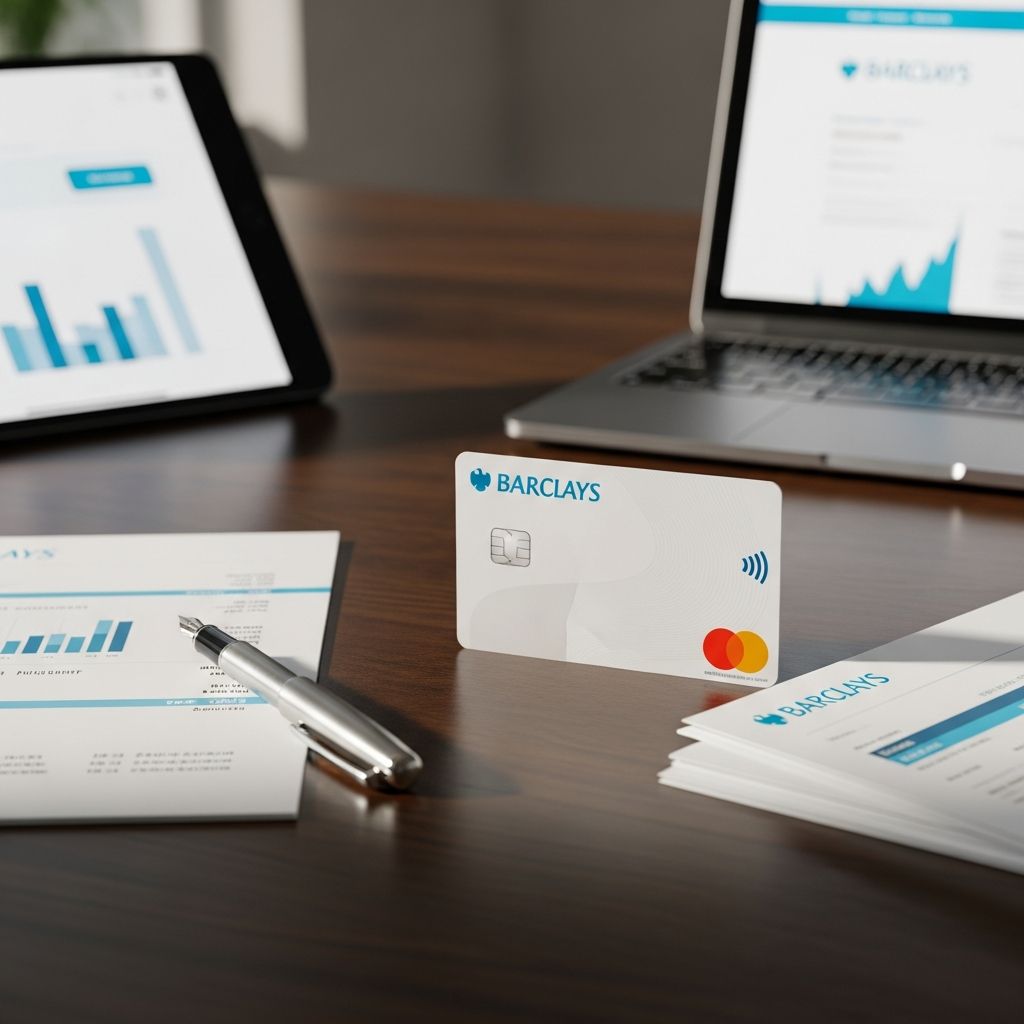
Barclays is a long-established global bank that also offers U.S. consumers a selection of competitive online savings products. This review explains how Barclays’ deposit accounts work, where the bank stands out, where it falls short, and how it compares with other top online banks.
Overview of Barclays Bank
Barclays is a major international bank headquartered in the United Kingdom, with operations in more than 40 countries and a history dating back centuries. For U.S. retail customers, Barclays focuses on online-only savings products rather than full-service branch banking.
Instead of checking accounts and branches on every corner, Barclays aims to attract rate-conscious savers by offering high-yield savings and certificates of deposit (CDs) through a digital platform.
Key Highlights
- Online-only savings and CDs for U.S. customers
- No monthly maintenance fees on savings accounts and CDs
- FDIC-insured deposits up to applicable limits
- Backed by a large, global banking group
- No branch access and no checking account option
Barclays Account Options
For U.S.-based savers, Barclays typically offers two principal deposit products: an online savings account and a range of online CDs. It does not generally provide checking accounts, money market accounts, or branch-based services to U.S. individuals.
Barclays Online Savings Account
The Barclays Online Savings account is designed as a straightforward, interest-bearing deposit account that is accessed solely through online and mobile banking.
- Competitive interest rate compared with traditional brick-and-mortar banks
- No minimum opening deposit requirement in most cases
- No monthly maintenance fee
- Interest typically compounded daily and credited monthly
- Funds accessible via electronic transfer to and from external bank accounts
Because the account is online-only, you handle most activities yourself: linking external accounts, scheduling transfers, and monitoring your balance via the mobile app or desktop site.
Barclays Certificates of Deposit (CDs)
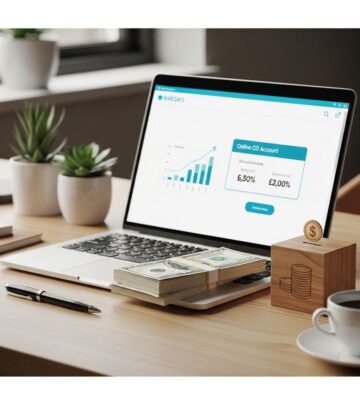
Barclays also offers online CDs with a variety of term lengths. These can be useful for savers who want to lock in a fixed rate for a specified period.
- Multiple term options (short- to long-term)
- Fixed interest rate for the full term
- No monthly fees on CDs
- Early withdrawal typically triggers a penalty deducted from interest earned
As with its savings account, Barclays usually does not require a large opening deposit, making CDs accessible to smaller savers who want to earn a predictable return.
Barclays Rates and Fees
Barclays emphasizes competitive yields and low fees. However, rates change over time as market interest rates move, so always check the latest published rates on the official Barclays website before opening an account.
Interest Rates
Historically, online banks have offered higher-yield savings accounts than many branch-based banks because they have lower overhead costs. Barclays follows this pattern by positioning its online savings and CDs competitively relative to traditional banks, though it may not always lead the market against the very highest-yield online accounts.
| Account Type | Typical Features | Rate Competitiveness* |
|---|---|---|
| Online Savings | Variable APY; interest compounded daily; no minimum balance | Often above brick-and-mortar average; sometimes slightly below top online yields |
| Online CDs | Fixed APY for selected term; penalty for early withdrawal | Generally competitive with other online banks for similar maturities |
*Rate competitiveness is relative and can vary by date and market conditions.
Fees
One of the strengths of Barclays’ online deposit products is the absence of common monthly service fees.
- No monthly maintenance fee on savings accounts
- No monthly fee on CDs
- Potential penalty for early CD withdrawal
- Possible insufficient funds or returned transaction fees, depending on the situation
The lack of recurring account fees makes it easier to keep more of the interest you earn, particularly if you maintain a modest balance.
Features and Tools
Because Barclays operates these accounts digitally, its online and mobile tools are essential to the customer experience.
Online and Mobile Banking
Barclays provides a web dashboard and mobile app to manage deposits, review activity, and transfer funds. Typical capabilities include:
- Viewing balances and recent transactions
- Scheduling one-time or recurring transfers to linked external accounts
- Downloading statements and tax documents
- Managing contact information and security settings
Because there are no branches for these U.S. accounts, virtually all routine banking is done via the app or website. This suits customers comfortable with self-service digital tools.
Security and Fraud Protections
Barclays employs standard industry security measures such as encryption, secure login, and monitoring for suspicious activity. In addition, U.S. deposits at Barclays Bank Delaware are insured by the Federal Deposit Insurance Corporation (FDIC) up to legal limits, which helps protect customers in the event of a bank failure.
- FDIC insurance up to at least $250,000 per depositor, per insured bank, per ownership category
- Secure online sessions (HTTPS) and encryption
- Alerts and contact center support for suspected fraud
Customer Experience
Customer experience with Barclays combines the benefits and trade-offs of online-only banking. Surveys of U.S. consumers generally find that digital-only banks can score highly on satisfaction among tech-savvy users, but some customers miss in-person service.
Account Opening and Setup
Opening a Barclays account is typically done entirely online:
- Complete a digital application with personal and identification details
- Agree to electronic disclosures
- Link an external bank account and fund the new account via transfer
Once funded, you manage the account digitally, and you usually receive statements and notices electronically by default.
Customer Support
Because there are no branches for most U.S. retail deposit customers, support is delivered through:
- Phone support during specified hours
- Secure messaging within online banking
- Online help content and FAQs
This model is typical of online banks and may work well if you rarely need in-person assistance. If you prefer face-to-face banking, however, this could be a drawback.
Pros and Cons of Barclays
Here is a summary of the main advantages and disadvantages of banking with Barclays for U.S. online deposit accounts.
| Pros | Cons |
|---|---|
|
|
Is Barclays Safe?
From a deposit safety standpoint, Barclays aligns with common protections for U.S. banks that hold insured deposits.
- Barclays operates as a regulated bank in multiple jurisdictions.
- U.S. deposits are insured by the FDIC up to at least $250,000 per depositor, per insured bank, per ownership category.
- Regulators set capital and liquidity requirements designed to promote stability.
While no financial institution is entirely risk-free, FDIC insurance provides a strong backstop for eligible depositors, and global regulatory oversight helps monitor the bank’s overall condition.
How Barclays Compares With Other Online Banks
Online banks have expanded rapidly over the past decade, giving savers more options for high-yield accounts. Barclays competes in this space but differs in several key respects.
- Rates: Barclays typically offers yields higher than those of many traditional banks, though some online competitors may occasionally offer higher promotions or tiered rates.
- Account selection: Barclays focuses narrowly on savings and CDs, whereas some online banks also offer checking, money market accounts, or credit cards.
- Fees: Like many online banks, Barclays charges no monthly maintenance fees on the accounts it offers.
- Brand and history: Some online-only banks are relatively new, while Barclays benefits from the stability and reputation of a long-established global bank.
For savers who want simple, fee-free accounts and are comfortable maintaining their primary checking account elsewhere, Barclays can serve as a dedicated high-yield savings destination. For customers seeking an all-in-one banking relationship, another provider may be a better fit.
Who Barclays Is Best For
Barclays is particularly well-suited to certain types of savers and less ideal for others.
Good Fit For
- Customers who already have a checking account at another bank and want a separate savings hub
- Rate-conscious savers who want competitive yields with no monthly fees
- People who are comfortable handling most banking tasks online
- Savers building an emergency fund or earmarking money for specific goals using savings and CDs
Not Ideal For
- Customers who want a single bank for checking, savings, loans, and credit cards
- People who need regular branch access or prefer in-person service
- Those who frequently deposit cash or use in-branch services
How to Open a Barclays Account
If you decide Barclays fits your needs, the process to open an account is typically straightforward and completed online.
- Choose your account type. Decide whether you want a savings account, CD, or both.
- Gather required information. This usually includes your Social Security number, address, and a government-issued ID.
- Complete the online application. Enter your personal details, review disclosures, and consent to electronic communications as required.
- Link an external account. Provide the routing and account number of another bank account you own to fund the new Barclays account.
- Fund the account. Initiate a transfer in the amount you want to deposit initially.
Once your account is open and funded, you can log in to track balances, adjust transfers, and, for CDs, monitor term maturity dates.
Frequently Asked Questions (FAQs)
Q: Is Barclays FDIC insured?
A: Yes. Eligible U.S. deposits at Barclays Bank Delaware are insured by the Federal Deposit Insurance Corporation (FDIC) up to at least $250,000 per depositor, per insured bank, per ownership category.
Q: Does Barclays offer checking accounts in the U.S.?
A: Barclays generally does not offer traditional checking accounts to U.S. retail customers. Instead, it focuses on online savings accounts and CDs, so most customers keep their everyday checking at another bank and use Barclays primarily for savings.
Q: How do I deposit and withdraw money?
A: You typically move money to and from a Barclays savings or CD account by linking an external bank account and initiating electronic transfers. Because these are online-only accounts, cash deposits and over-the-counter withdrawals at branches are not standard.
Q: Are Barclays’ rates always the highest?
A: Not always. Barclays often offers rates above many brick-and-mortar banks but may be slightly below the very top-yield online banks at times. Since interest rates change, it is important to compare current offers from multiple institutions before deciding.
Q: What happens if I withdraw from a Barclays CD early?
A: If you withdraw principal before a CD matures, Barclays generally charges an early withdrawal penalty, which is usually taken from the interest you have earned. The penalty amount depends on the CD term; always review the specific terms and conditions before opening a CD.
Q: Is an online-only bank like Barclays a good choice for an emergency fund?
A: Many consumers use high-yield online savings accounts for emergency funds because they provide FDIC insurance, relatively easy access, and better yields than many traditional accounts. Barclays can be suitable for this purpose if you are comfortable transferring funds electronically when needed.
References
- About Barclays — Barclays PLC. 2025-06-30. https://home.barclays
- Deposit Insurance — Federal Deposit Insurance Corporation (FDIC). 2024-05-01. https://www.fdic.gov/resources/deposit-insurance
- Selected Interest Rates (H.15) — Board of Governors of the Federal Reserve System. 2025-12-31. https://www.federalreserve.gov/releases/h15/
- Consumer & Community Context: The Digitalization of Banking — Board of Governors of the Federal Reserve System. 2023-10-01. https://www.federalreserve.gov/publications/consumer-community-context.htm
- Basel III: Finalising post-crisis reforms — Basel Committee on Banking Supervision, Bank for International Settlements. 2017-12-01. https://www.bis.org/bcbs/basel3.htm
Similar Articles








Read full bio of medha deb