Banks Offering Built-in Budget Tools
Discover top banks that integrate budgeting features directly into their platforms to simplify your financial management and help you achieve your savings goals effortlessly.
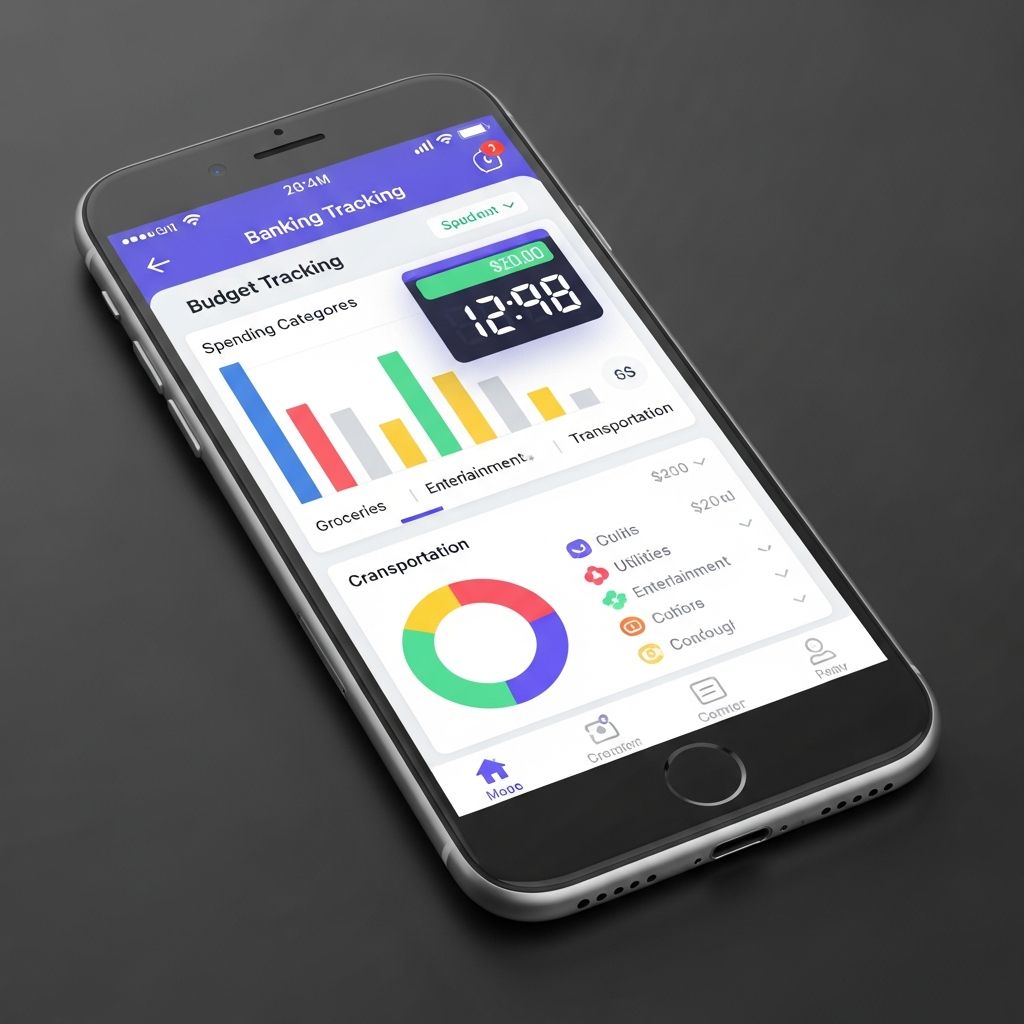
Modern banking has evolved beyond simple transactions, with many institutions now embedding sophisticated budgeting capabilities right into their mobile apps and online platforms. These tools empower users to monitor spending patterns, allocate funds to categories, and pursue financial objectives without relying on third-party applications. By consolidating banking and budgeting, customers enjoy a unified experience that promotes discipline and awareness.
Why Integrated Budgeting Matters in Banking
Integrated budgeting tools streamline personal finance by automatically pulling transaction data from your accounts. This real-time visibility helps identify overspending early, forecast cash flow, and adjust habits proactively. Unlike standalone apps, bank-provided features often come at no extra cost and benefit from secure, direct data access, reducing setup friction and enhancing privacy.
- Automatic categorization: Transactions sort into buckets like groceries, utilities, or entertainment.
- Spending alerts: Notifications when approaching category limits.
- Goal tracking: Progress bars for vacations, emergencies, or debt payoff.
- Customizable dashboards: Tailored views of net worth, monthly summaries, and trends.
These features align with broader financial wellness trends, where 68% of users report better control after adopting digital budgeting, according to recent financial surveys.
Top Banks with Advanced Budgeting Features
Several banks stand out for their robust, user-centric budgeting integrations. Below, we highlight leading options based on functionality, ease of use, and account perks.
Ally Bank: Comprehensive Financial Dashboard
Ally offers a standout “Spending Buckets” system, allowing users to divide savings into visual categories for goals like travel or home repairs. The app syncs checking, savings, and investment accounts, providing a holistic view. Key strengths include no-fee structure, high-yield savings rates up to 4.20% APY, and AI-driven insights that suggest budget tweaks based on spending history.
- Real-time transaction alerts and customizable categories.
- Net worth tracker integrating loans and assets.
- Bill forecasting to avoid overdrafts.
Ideal for tech-savvy users seeking an all-in-one platform without monthly fees.
Chime: Simplified Spending Insights
Chime’s fee-free checking and savings accounts feature “Chime Checkbook,” a budgeting module that auto-categorizes expenses and shows a “Safe to Spend” balance after accounting for bills and goals. Its SpotMe overdraft protection ties into budgeting by alerting users before dips. With early direct deposit and 2% APY on savings vaults, it’s popular among younger demographics.
| Feature | Chime Benefit |
|---|---|
| Core Budget Tool | Safe to Spend calculator |
| Alerts | Real-time push notifications |
| APY | Up to 2.00% on savings |
| Fees | None |
Capital One: Goal-Oriented Planning
Capital One’s app excels with “CreditWise” and spending trackers that link to 360 Checking and Performance Savings. Users set rolling budgets, track subscriptions, and receive personalized tips. High-yield savings at 4.25% APY complements goal-setting tools, making it suitable for families managing joint finances.
SoFi: Wealth Building Integration
SoFi combines banking with investing via its app’s budgeting suite, featuring cash flow analysis, expense pie charts, and automated savings round-ups. Vaults for specific goals earn 4.50% APY, and the platform offers career coaching alongside financial tools.
Comparing Budget-Focused Bank Accounts
Choosing the right bank depends on your needs. Here’s a comparison of flagship offerings:
| Bank | Key Budget Feature | APY (Savings) | Best For |
|---|---|---|---|
| Ally | Spending Buckets | 4.20% | Comprehensive tracking |
| Chime | Safe to Spend | 2.00% | Beginners, no fees |
| Capital One | Subscription tracker | 4.25% | Families |
| SoFi | Vaults & round-ups | 4.50% | Wealth builders |
| Discover | Cashback monitor | 4.25% | Cashback rewards |
Discover rounds out the list with tools that tie budgeting to its 1% unlimited cashback debit card, helping users maximize returns while curbing impulse buys.
Emerging Trends in Bank Budgeting Tech
Banks are incorporating AI for predictive analytics, such as forecasting monthly shortfalls or recommending category adjustments. Voice-activated budgeting via smart assistants and collaborative tools for shared accounts are gaining traction. For 2026, expect deeper crypto and investment linkages, as seen in pilots by Ally and SoFi.
How to Maximize Your Bank’s Budget Tools
- Link all accounts: Ensure checking, savings, credit, and loans sync for accurate insights.
- Set realistic limits: Start with historical data to base categories on actual spending.
- Review weekly: Use dashboards to spot trends and reallocate funds.
- Combine with goals: Align budgets to long-term aims like retirement or home buying.
- Enable alerts: Stay ahead of potential overspends.
Users who actively engage see 20-30% improvements in savings rates within months.
Potential Drawbacks and Alternatives
While convenient, bank tools may lack the depth of dedicated apps like YNAB for zero-based budgeting. Privacy concerns arise with data sharing, though FDIC-insured banks prioritize security. For more customization, pair bank features with apps like Monarch Money, which excels in net worth tracking.
Frequently Asked Questions (FAQs)
Are bank budgeting tools free?
Yes, most are included with standard checking or savings accounts at no extra charge.
Can I use them for joint budgeting?
Many, like Capital One and Ally, support shared access or household views.
Do they work with non-bank accounts?
Limited; they focus on internal data but some allow manual entry or Plaid links.
Which bank has the highest savings APY with budgeting?
SoFi leads at 4.50% APY as of early 2026.
How secure are these tools?
Bank-grade encryption and FDIC insurance protect data and funds.
Getting Started with Bank Budgeting
Switching banks is straightforward: Open an account online, transfer funds via ACH, and set up direct deposit. Most offer bonuses like $200-300 for new customers meeting deposit thresholds. Test the app’s budgeting demo before committing to ensure it fits your style.
By leveraging these built-in tools, you transform routine banking into a powerful ally for financial health. Whether saving for a rainy day or planning major milestones, these platforms make disciplined money management accessible to all.
References
- The Best Budget Apps for 2026 — NerdWallet. 2026-01-15. https://www.nerdwallet.com/finance/learn/best-budget-apps
- The 10 Best Budgeting Apps for 2026: Unbiased Reviews — Origin Resources. 2026-02-10. https://useorigin.com/resources/blog/the-10-best-budgeting-apps-for-2026-unbiased-reviews-and-comparisons
- Top Budgeting Apps for 2026: The Ultimate Guide — Yieldfund. 2026-01-20. https://yieldfund.com/top-budgeting-apps-for-2026-the-ultimate-guide/
- The Best Budgeting Apps Based on Your Financial Goals — Community America. 2026-03-01. https://www.communityamerica.com/blog/2026/the-best-budgeting-apps-based-on-your-financial-goals
- FDIC Insurance Basics — Federal Deposit Insurance Corporation (FDIC). 2025-11-01. https://www.fdic.gov/resources/deposit-insurance/
Similar Articles








Read full bio of Sneha Tete