Bankruptcy Filing Guide: Step-by-Step Process
Navigate the complete bankruptcy process from preparation to discharge with this detailed, actionable guide for financial recovery.

Bankruptcy offers a structured legal pathway for individuals overwhelmed by debt to regain financial stability. Primarily through Chapter 7 liquidation or Chapter 13 reorganization, filers can halt collections and potentially eliminate unsecured debts. This guide outlines the entire procedure, drawing from official processes to empower informed decisions.
Understanding Bankruptcy Fundamentals
Bankruptcy is a federal court-supervised mechanism designed to provide debt relief. When you file, an automatic stay immediately pauses most creditor actions, including lawsuits, wage garnishments, and calls. This protection applies nationwide under U.S. law, serving individuals and businesses alike.
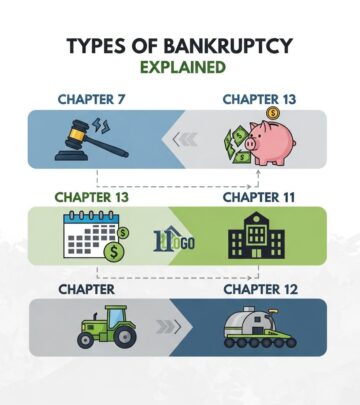
Two common types dominate personal filings: Chapter 7 wipes out eligible debts after liquidating non-exempt assets, ideal for low-income households. Chapter 13 allows repayment plans over three to five years, preserving assets like homes. Eligibility hinges on income, debt levels, and prior filings.
| Bankruptcy Type | Best For | Duration | Asset Impact |
|---|---|---|---|
| Chapter 7 | Low/no income, unsecured debt | 3-6 months | Non-exempt assets sold |
| Chapter 13 | Regular income, asset protection | 3-5 years | Assets retained via plan |
Preparing for Your Bankruptcy Petition
Success begins with meticulous preparation. Start by compiling a comprehensive financial snapshot to ensure accurate filings.
- Gather Income Proof: Collect pay stubs for the last 60 days, tax returns for two years, and bank statements. These verify your financial status.
- List All Debts: Include credit cards, loans, medical bills—even those absent from credit reports like payday loans or taxes.
- Inventory Assets: Document vehicles, real estate appraisals, retirement accounts, and personal property values.
- Track Expenses: Detail monthly spending to demonstrate necessity during means testing.
This phase typically takes 1-2 weeks. Inaccurate info can lead to dismissal or fraud allegations, so double-check everything.
Meeting Pre-Filing Education Requirements
Congress mandates credit counseling from U.S. Trustee-approved agencies within 180 days before filing. This 1-2 hour course costs $10-$50 and reviews budgets, debt management, and alternatives like negotiation.
Upon completion, receive a certificate proving participation—essential for your petition. Agencies provide debt repayment plan outlines, though not binding. Skip this, and your case gets dismissed.
Completing the Extensive Paperwork
The petition comprises 20+ forms, often exceeding 70 pages, detailing income, assets, liabilities, expenses, and contracts.
- Core Petition: Identifies your case chapter and filing status (pro se or attorney-represented).
- Schedules: A-D cover property, creditors, income/expenditures, executory contracts.
- Means Test: Calculates disposable income; below-median earners qualify easily for Chapter 7.
- Statement of Affairs: Discloses recent transactions, gifts, or lawsuits.
Free tools like Upsolve assist low-income filers, or legal aid for complex cases. Attorneys charge $1,000-$3,500 but minimize errors.
Handling Filing Fees and Submission
Chapter 7 fees total $338; Chapter 13 is $313 (as of 2023, subject to adjustment). Pay upfront, request four installments, or waive if income is below 150% poverty line.
Submit single-sided printed forms at your local bankruptcy court. Clerks process immediately, issuing your case number, trustee assignment, and 341 meeting details within 15 minutes. Electronic filing is standard for attorneys.
Note: Retain bank statements and taxes for the trustee—do not file them initially.
Post-Filing Obligations and the 341 Meeting
Your filing triggers the automatic stay, but duties continue. Mail financial docs to the trustee within 14 days.
The 341 Meeting of Creditors occurs 20-40 days post-filing. Lasting 5-10 minutes, the trustee verifies identity (bring ID and Social Security card) and petition accuracy under oath. Creditors rarely attend. Prepare pay stubs, bank statements, and forms.
Financial Management Course and Discharge
Before discharge, complete a post-filing financial management course (similar to counseling, $10-$50). Submit the certificate to the court.
Chapter 7 discharge arrives 60-90 days after the 341 meeting, erasing eligible debts like credit cards and medical bills. Non-dischargeable: student loans, child support, recent taxes.
Chapter 13 requires plan confirmation and payments; discharge follows completion.
Common Pitfalls and How to Avoid Them
- Missing Deadlines: File remaining forms within 14 days or face dismissal.
- Incomplete Means Test: Underreport expenses to show eligibility.
- Asset Concealment: Full disclosure prevents denial.
- No ID at 341: Meeting postponement or closure.
Bankruptcy’s Impact on Credit and Future
Bankruptcy dings scores (Chapter 7: 100-200 points drop), remaining 10 years on reports. Yet, scores rebound within 2-4 years with good habits.
Future lenders view it as a clean slate post-discharge. Secured debts like mortgages survive unless reaffirmed.
Alternatives to Consider Before Filing
Debt settlement, consolidation, or nonprofit counseling may suffice without bankruptcy’s stigma. Assess via counseling first.
Frequently Asked Questions
Can I file bankruptcy without a lawyer?
Yes, pro se filings succeed for simple cases using free tools, but complexity favors professionals.
How long does the automatic stay last?
Until case closure or dismissal; liftable for cause like fraud.
Will I lose my house or car?
Exemptions protect essentials; Chapter 13 preserves more.
Can I file again if needed?
Chapter 7: every 8 years; Chapter 13: 2-6 years depending on prior type.
Does bankruptcy stop evictions or foreclosures?
Temporarily via stay; cure arrears in Chapter 13.
Rebuilding After Bankruptcy
Post-discharge, secured cards and credit-builder loans accelerate recovery. Budget rigorously and avoid new debt. Many achieve homeownership within 2 years.
References
- How To File Bankruptcy for Free: A 10-Step Guide — Upsolve. 2023. https://upsolve.org/learn/how-to-file-bankruptcy/
- Chapter 7 – Bankruptcy Basics — United States Courts. 2023-11-01. https://www.uscourts.gov/court-programs/bankruptcy/bankruptcy-basics/chapter-7-bankruptcy-basics
- How to File for Chapter 7 Bankruptcy: 10 Steps — Nolo. 2023. https://www.nolo.com/legal-encyclopedia/chapter-7-bankruptcy-29454.html
- Your Guide to Bankruptcy for Individuals — Illinois State Bar Association. 2023. https://www.isba.org/public/guide/bankruptcy
- The Bankruptcy Process Step By Step — LifeBack Law Firm, P.A. 2023. https://lifebacklaw.com/bankruptcy-process-step-by-step/
- Process – Bankruptcy Basics — United States Courts. 2023-11-01. https://www.uscourts.gov/court-programs/bankruptcy/bankruptcy-basics/process-bankruptcy-basics
- Bankruptcy: How It Works, Types and Consequences — Experian. 2023. https://www.experian.com/blogs/ask-experian/credit-education/bankruptcy-how-it-works-types-and-consequences/
Similar Articles








Read full bio of medha deb