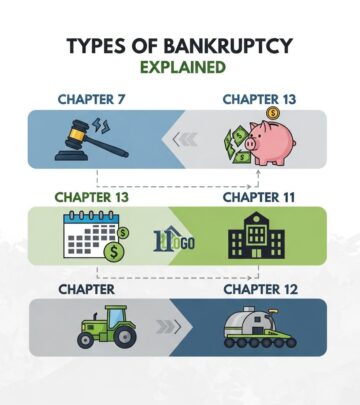
Understanding Bankruptcy Filing Expenses
Complete breakdown of Chapter 7 and Chapter 13 bankruptcy costs

When facing overwhelming debt, many individuals consider bankruptcy as a potential pathway to financial fresh start. However, the process itself requires an investment of money upfront, which can feel counterintuitive when you’re already struggling financially. Understanding the complete picture of what bankruptcy costs is essential for making an informed decision about whether this option makes sense for your situation.
The Complete Cost Spectrum for Bankruptcy
The total expense for filing bankruptcy varies significantly based on multiple factors, including which chapter you file under, whether you hire legal representation, and your financial circumstances. For those filing without legal assistance and qualifying for fee waivers, bankruptcy can cost as little as zero dollars. However, most individuals who pursue this option spend between $1,338 and $6,413 when accounting for all expenses.
The variation in costs stems from three primary sources: mandatory court filing fees, required credit counseling and education courses, and legal representation if you choose to hire an attorney.
Court Filing Fees: The Mandatory Foundation
All bankruptcy courts across the United States charge identical filing fees, as these are set by the U.S. federal court system. These fees represent the baseline cost you cannot avoid, though exceptions exist for qualifying filers.
Chapter 7 Filing Structure
Chapter 7 bankruptcy, often called “liquidation bankruptcy,” carries a total court filing fee of $338 as of 2026. This amount breaks down into three components: a $245 filing fee, a $78 administrative fee, and a $15 trustee surcharge. This fee applies when you submit your bankruptcy petition and schedules to the court.
Chapter 13 Filing Structure
Chapter 13 bankruptcy, known as “reorganization bankruptcy,” has a lower court filing fee of $313. This fee comprises a $235 filing fee and a $78 administrative fee. The lower Chapter 13 fee reflects the different nature of this bankruptcy type, which involves creating a repayment plan rather than asset liquidation.
Chapter 11 Considerations
For business owners and individuals with substantial assets, Chapter 11 bankruptcy involves significantly higher court fees of $1,738. This includes a $1,167 filing fee and a $571 administrative fee, making it substantially more expensive than personal bankruptcy options at the court level alone.
Fee Waiver and Payment Options
The federal court system recognizes that individuals filing bankruptcy often lack substantial funds. To address this reality, Chapter 7 filers who demonstrate financial hardship can request to pay their $338 filing fee in smaller installments rather than one lump sum. Additionally, if you can prove genuine financial hardship, you may petition the court to waive the filing fee entirely.
Chapter 13 filers typically cannot get their fees waived, though some courts may allow installment payment arrangements in specific circumstances.
Credit Counseling and Education Expenses
Federal bankruptcy law requires all filers to complete credit counseling before filing and debtor education after filing. These mandatory courses represent additional costs beyond court fees.
Pre-bankruptcy credit counseling courses typically cost between $0 and $50, depending on the provider and your financial situation. Some approved credit counseling agencies offer free or reduced-cost courses for those in financial distress. This counseling session must occur within 180 days before you file your bankruptcy petition.
Post-bankruptcy debtor education courses, required after your case is filed, similarly range from $0 to $50. These courses focus on budgeting, money management, and building financial stability after bankruptcy.
Many approved providers offer these courses online, making them accessible regardless of location, and many waive or reduce fees based on financial hardship.
Attorney Fees: The Most Significant Variable
While court and counseling fees are relatively fixed, attorney fees represent the largest variable in bankruptcy costs. Legal representation is not required—you can file “pro se” (representing yourself)—but attorneys are strongly recommended because bankruptcy involves complex procedures and strict deadlines.
Chapter 7 Attorney Costs
For Chapter 7 bankruptcy, attorney fees typically range from $1,000 to $3,500. However, some sources indicate variations, with typical costs falling between $1,250 and $2,200 for straightforward cases. The specific amount depends on case complexity, local market rates, and attorney experience.
Cases involving self-employment, multiple business entities, rental income, or income above the median threshold require more extensive analysis and documentation, potentially increasing attorney fees.
Chapter 13 Attorney Costs
Chapter 13 bankruptcy typically costs more in legal fees than Chapter 7 because it involves creating and managing a three-to-five-year repayment plan. Attorney fees for Chapter 13 generally range from $2,500 to $6,000, with typical costs falling between $4,000 and $5,500 for most cases. Some sources cite ranges up to $6,250 depending on location and case complexity.
Most bankruptcy courts have established guideline fees that limit the maximum attorneys can charge for Chapter 13 cases, though these guidelines vary by court.
Chapter 11 Attorney Costs
Business bankruptcy through Chapter 11 requires substantially more legal work and typically costs $15,000 or more, making it accessible primarily to business owners with significant assets.
Total Cost Comparison by Bankruptcy Type
| Expense Category | Chapter 7 | Chapter 13 |
|---|---|---|
| Court Filing Fee | $338 | $313 |
| Pre-Bankruptcy Credit Counseling | $0–$50 | $0–$50 |
| Post-Bankruptcy Debtor Education | $0–$50 | $0–$50 |
| Attorney Fees | $1,000–$3,500 | $2,500–$6,000 |
| Total Range (with attorney) | $1,338–$3,938 | $2,813–$6,413 |
| Minimum (self-filed, no waivers) | $388 | $363 |
Cost Factors That Influence Your Specific Expenses
Several factors will determine where your bankruptcy costs fall within these ranges:
- Geographic location: Attorney rates vary significantly by region, with urban areas and high-cost-of-living regions typically charging more than rural areas
- Case complexity: Straightforward cases with few assets and debts cost less than complicated situations involving multiple income sources or business interests
- Income level: Filers exceeding the median income for their state must complete additional financial analysis, increasing attorney work and fees
- Number of creditors: Cases with many creditors require more work negotiating and processing claims
- Asset considerations: Chapter 7 cases with significant assets or Chapter 13 cases requiring detailed repayment plans demand more attorney time
- Attorney experience: More experienced bankruptcy attorneys may charge higher rates but often complete work more efficiently
Strategies for Managing Bankruptcy Costs
Filing Without an Attorney
The most significant cost reduction comes from filing pro se without legal representation. This approach reduces your expenses to court fees, counseling costs, and miscellaneous expenses like printing and document copying, potentially keeping total costs under $400. However, bankruptcy involves strict procedural requirements and deadlines, and mistakes can result in case dismissal or losing important legal protections.
Requesting Fee Waivers
If your income falls below 150% of the federal poverty line, you can request a complete waiver of the Chapter 7 filing fee, reducing your costs to just counseling expenses. You must complete Form B 103B to request this waiver.
Installment Payment Plans
Chapter 7 filers unable to pay the full $338 filing fee immediately can request to pay it in four installments over several months, making the cost more manageable while proceeding with their case.
Shopping for Attorney Services
Bankruptcy attorney fees are negotiable within reason. Obtaining quotes from multiple attorneys and comparing services can help you find reasonable rates in your area. Some attorneys offer payment plans allowing you to pay fees over time as your case progresses.
Frequently Asked Questions
Can I file bankruptcy without paying any costs?
Yes, if you qualify for a complete fee waiver and use free or reduced-cost credit counseling services, filing can be free. You must demonstrate significant financial hardship and meet federal poverty guidelines.
Why does Chapter 13 cost more than Chapter 7?
Chapter 13 involves creating a detailed repayment plan spanning three to five years, requiring more attorney time and court administration. Chapter 7 is typically simpler, involving either immediate discharge or straightforward asset liquidation.
Are attorney fees fixed or negotiable?
While bankruptcy courts set guidelines limiting attorney fees in certain circumstances, particularly for Chapter 13 cases, fees are generally negotiable within reasonable bounds. Different attorneys charge different rates based on experience and location.
Do bankruptcy costs change regularly?
Court filing fees are adjusted periodically by the federal court system. It’s essential to verify current fees on the U.S. Courts official bankruptcy fee schedule page before filing. Attorney fees vary based on market conditions and individual attorney practices.
Can I include bankruptcy filing costs in my bankruptcy case?
Filing fees cannot be included in your bankruptcy case, but you can request installment payments or a waiver. Some costs like credit counseling are separate from the bankruptcy estate. Discuss this with your attorney.
Making Your Decision
While bankruptcy involves real costs, these expenses must be weighed against the alternative of continuing with unmanageable debt. For many individuals, the cost of filing bankruptcy is significantly less than the ongoing costs of high-interest debt, collection actions, and financial stress. Understanding exactly what you’ll pay helps you prepare financially and make an informed choice about whether bankruptcy is the right option for your circumstances.
References
- How Much Does It Cost To File Bankruptcy in 2026? — Upsolve. Accessed March 31, 2026. https://upsolve.org/learn/how-much-does-bankruptcy-cost/
- How Much Does It Cost to File Bankruptcy in 2026? — LegalZoom. Accessed March 31, 2026. https://www.legalzoom.com/articles/how-much-does-it-cost-to-file-bankruptcy
- How Much Does it Cost to File for Bankruptcy: 2026 — Lawdistrict. Accessed March 31, 2026. https://www.lawdistrict.com/articles/how-much-does-it-cost-to-file-for-bankruptcy
- Bankruptcy Filing Fees 2026: Costs, Waivers, and Payments — Nolo. Accessed March 31, 2026. https://www.nolo.com/legal-encyclopedia/bankruptcy-filing-fees-costs.html
- How Much Does it Cost to File Bankruptcy? (2026 Update) — WM Law. Accessed March 31, 2026. https://kansascitybankruptcy.com/how-much-does-cost-file-bankruptcy-2026-update-kansas-city/
- How Much Does It Cost to File Bankruptcy? — Experian. Accessed March 31, 2026. https://www.experian.com/blogs/ask-experian/how-much-does-it-cost-to-file-bankruptcy/
Similar Articles








Read full bio of medha deb