Understanding Bankruptcy Eligibility Requirements
Complete guide to qualifying for bankruptcy protection in 2026

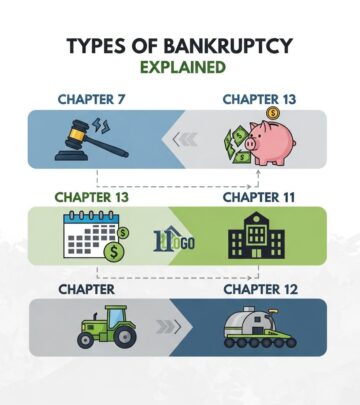
Filing for bankruptcy is a significant financial decision that can provide relief from overwhelming debt, but not everyone qualifies automatically. The process involves meeting specific eligibility criteria established by federal law and demonstrating that you meet the requirements for your chosen bankruptcy chapter. Whether you’re considering Chapter 7 liquidation, Chapter 13 reorganization, or Chapter 11 restructuring, understanding these prerequisites is essential before proceeding with your application.
Core Prerequisites for All Bankruptcy Filers
Before diving into chapter-specific requirements, certain foundational criteria apply to all individuals and businesses considering bankruptcy protection. These baseline requirements ensure that the bankruptcy system functions properly and that filing is truly necessary.
Mandatory Credit Counseling
One of the most important preliminary steps involves completing a credit counseling course from an approved credit counseling agency within 180 days before filing your bankruptcy petition. This requirement applies to most personal bankruptcy cases and serves as an educational foundation for understanding your financial situation. The counseling course helps you explore alternatives to bankruptcy, understand the implications of filing, and develop a realistic budget moving forward. Failing to complete this requirement can result in your case being dismissed, making it a non-negotiable prerequisite.
Documentation and Financial Disclosure
All bankruptcy filers must prepare comprehensive financial documentation. This includes listing all assets, debts, and income sources on the bankruptcy petition. You’ll need to provide proof of income, such as recent pay stubs, tax returns, and documentation of any other income sources. The court requires this detailed financial snapshot to assess your situation accurately and determine which bankruptcy chapter suits your circumstances best.
Official Forms and Filing Requirements
The bankruptcy court requires completion of Official Forms established by the Federal Rules of Bankruptcy Procedure. These standardized forms ensure consistency across filings and provide courts with complete information necessary for processing your case. The minimum filing requirements include the petition itself, a list of all creditors, schedules of assets and liabilities, and supporting documentation. If you’re unable to complete all required lists immediately, you may request an extension from the United States trustee, but this extension must be filed along with your initial petition.
The Means Test: A Critical Eligibility Hurdle
The means test represents one of the most significant eligibility barriers for many filers. This evaluation determines whether your income and disposable resources qualify you for Chapter 7 bankruptcy or require reorganization through another chapter.
How the Means Test Works
The means test comparison evaluates your household’s average monthly income during the six months preceding your filing against the median income for a household of the same size in your state. The court uses this analysis to determine your financial capacity to repay debts. If your income falls below the median threshold for your state and household size, you automatically qualify for Chapter 7 bankruptcy, and the means test process concludes favorably for your filing.
However, if your income exceeds the median, the analysis becomes more complex. The court calculates your disposable income by deducting allowed expenses from your monthly income. If your disposable income is less than $136 per month, you pass the means test and can proceed with Chapter 7 filing. Those with higher disposable income may still qualify under special circumstances or may need to pursue Chapter 13 reorganization instead.
Exemptions from the Means Test
Certain filers are entirely exempt from means testing requirements. Individuals whose business debt exceeds their personal debt can skip the means test altogether. Additionally, military members and veterans may qualify for exemptions under specific circumstances. These exemptions recognize the unique financial situations of these populations and allow them to proceed directly to their chosen bankruptcy chapter.
Chapter-Specific Eligibility Requirements
Beyond general prerequisites, each bankruptcy chapter has distinct qualification criteria tailored to different financial situations.
Chapter 7 Bankruptcy Qualifications
Chapter 7 bankruptcy is available to individuals and businesses seeking liquidation of non-exempt assets to discharge debts. Beyond passing the means test, Chapter 7 has relatively straightforward eligibility requirements. Individual filers must ensure they have not received a Chapter 7 discharge within the past eight years, which prevents serial bankruptcy filings. Additionally, if you previously filed Chapter 13, you must wait at least four years before filing Chapter 7. The bankruptcy trustee will review bank statements as of the filing date to determine your liquid assets. In 2026, individual filers with less than $5,600 in liquid assets on the filing date generally meet this criterion.
Chapter 13 Repayment Plan Requirements
Chapter 13 bankruptcy allows individuals with regular income to reorganize debts through a court-approved repayment plan lasting three to five years. To qualify, your debts must fall within specific limits established annually. As of 2026, the combined debt limit for Chapter 13 bankruptcy is $2,750,000 for both secured and unsecured debts[10]. If you previously filed Chapter 13, you must wait at least two years before filing again. Those transitioning from Chapter 7 must observe a six-year waiting period before qualifying for Chapter 13.
Chapter 13 requires that you have regular income sufficient to make plan payments. The court evaluates whether your projected disposable income can reasonably service your debts through the repayment plan. Unlike Chapter 7, Chapter 13 is specifically designed for individuals who want to keep their assets while reorganizing their financial obligations.
Chapter 11 Business Reorganization
Chapter 11 bankruptcy applies primarily to businesses and high-income individuals seeking to reorganize while continuing operations. To qualify for Chapter 11, you must file a bankruptcy petition with the court in the jurisdiction where you maintain your domicile, residence, or principal place of business. Businesses filing Chapter 11 typically remain in control of operations as a “debtor in possession,” acting as stewards of the estate’s assets for creditor benefit.
Chapter 11 filers must propose a disclosure statement along with a reorganization plan outlining how they intend to restructure their debts and operations. Before filing, businesses should ensure they’re prepared to propose a feasible reorganization plan that demonstrates the business can meet its obligations without requiring liquidation or further financial reorganization. The reorganization plan must comply with Bankruptcy Code requirements and typically involves negotiations between debtors and creditors.
Subchapter V Small Business Bankruptcy
Subchapter V offers a streamlined alternative to traditional Chapter 11 for small businesses. To qualify, businesses must have aggregate noncontingent liquidated secured and unsecured debts not exceeding $3,424,000 as of January 1, 2026. This debt threshold is adjusted annually for inflation, so the limit changes each year.
Small businesses filing under Subchapter V must propose a reorganization plan within 90 days of filing, though the plan doesn’t need to accompany the initial petition. The feasibility requirement remains essential—your plan must demonstrate that adhering to it won’t result in liquidation or further financial reorganization unless explicitly proposed. Business owners should ensure they’re prepared to meet this 90-day deadline before initiating the filing process, as this represents a critical milestone in the Subchapter V process.
Waiting Periods Between Filings
If you’ve previously filed bankruptcy, waiting periods may restrict your ability to file again. These periods vary significantly depending on which chapters are involved in your filing sequence.
Standard Waiting Periods
- Chapter 7 to Chapter 7: 8-year waiting period
- Chapter 7 to Chapter 13: 4-year waiting period
- Chapter 13 to Chapter 7: 6-year waiting period (with potential exceptions)
- Chapter 13 to Chapter 13: 2-year waiting period
These timelines prevent individuals from repeatedly using bankruptcy to discharge debts without genuine financial rehabilitation efforts. The eight-year gap between Chapter 7 filings is the longest restriction, reflecting the significant debt discharge available under that chapter.
Impact of Multiple Filings
Courts scrutinize cases more closely when someone has filed multiple bankruptcies within a short period. In situations where multiple filings occur within a single year, the automatic stay protection—which normally halts collection activities—may be limited or shortened. This restriction encourages thoughtful financial planning and discourages abuse of the bankruptcy system.
Asset and Liability Considerations
Understanding your asset position and liability structure helps determine both eligibility and the most appropriate bankruptcy chapter for your circumstances.
Exemption Structures
Different bankruptcy chapters provide different protections for your property. Chapter 7 allows liquidation of non-exempt assets, with exemptions varying by state and federal law. Chapter 13 typically allows you to retain all assets while reorganizing debts through a repayment plan. The type of bankruptcy you file determines what happens to your nonexempt property, making this distinction crucial for asset protection planning.
Debt Classification in Chapter 11
In Chapter 11 reorganization, claims are typically classified in priority order: secured creditors receive priority, followed by priority unsecured creditors, general unsecured creditors, and finally equity security holders. Understanding this hierarchy helps Chapter 11 filers anticipate how their reorganization plan will affect different creditor classes and what treatment various stakeholders can expect.
Pre-Filing Considerations
Before submitting your bankruptcy petition, several practical matters require attention to ensure your filing proceeds smoothly.
Timing Your Filing
Consider when to file based on your income fluctuations and upcoming expenses. The means test calculation uses six months of historical income, so filing timing can significantly impact your results. If you anticipate income reductions, filing after that income drop occurs may help you pass the means test more favorably.
Gathering Documentation
Compile all necessary documentation before filing, including pay stubs, tax returns, bank statements, credit card statements, loan documents, and proof of monthly expenses. Having this information organized and ready prevents filing delays and demonstrates good faith to the court.
Preparing for the Automatic Stay
Once you file, an automatic stay immediately takes effect, halting most collection efforts. This protection stops creditors and collection agencies from contacting you by phone or mail, filing or continuing lawsuits, garnishing wages, or filing new liens. Understanding this protection helps you prepare for the relief bankruptcy provides while managing creditor communications appropriately.
Frequently Asked Questions
- Can I file bankruptcy if I have minimal debt?
- Bankruptcy eligibility doesn’t require a specific minimum debt amount. However, you must demonstrate financial distress and inability to manage your debts. Filing with minimal debt may be questioned by the court, and the means test may prevent Chapter 7 qualification. Consult an attorney to evaluate whether bankruptcy makes sense for your situation.
- What happens if I don’t pass the means test?
- If you don’t pass the means test for Chapter 7, you have several options. You may still qualify under special circumstances, such as military exemptions. You can pursue Chapter 13 reorganization instead, which has no means test. Alternatively, you might explore non-bankruptcy debt relief alternatives.
- Can business owners file Chapter 7 bankruptcy?
- Yes, business owners can file Chapter 7, but the process differs from personal Chapter 7 filings. Business Chapter 7 results in liquidation of business assets. Many business owners choose Chapter 11 to continue operations while reorganizing debts, or Chapter 13 if they also have personal debts.
- How long does bankruptcy eligibility assessment take?
- The assessment period depends on the complexity of your financial situation and how quickly you gather required documentation. Credit counseling completion alone requires up to 180 days before filing. Once you file, the court typically makes preliminary eligibility determinations within weeks, though your case may take months or years to complete.
Conclusion: Taking the Next Steps
Understanding bankruptcy eligibility requirements provides the foundation for making informed financial decisions. Whether you qualify for Chapter 7, Chapter 13, Chapter 11, or Subchapter V bankruptcy depends on your income, debts, assets, prior bankruptcy history, and financial circumstances. Completing required credit counseling, gathering comprehensive financial documentation, and honestly evaluating your situation helps ensure you pursue the bankruptcy option that genuinely addresses your financial challenges. Given the complexity of bankruptcy law and the significant implications for your financial future, consulting with a qualified bankruptcy attorney who can assess your specific circumstances and guide you through the process is highly recommended.
References
- Minimum Filing Requirements to Commence a Case — U.S. District Court, Northern District of Indiana. 2026. https://www.innb.uscourts.gov/sites/innb/files/local_rules/B-1002-1_1.pdf
- The Basics of Chapter 7 Bankruptcy — Kerney Law Firm. 2026. https://www.kerneylaw.com/blog/the-basics-of-chapter-7-bankruptcy/
- Getting Ahead of Chapter 11 Filings in 2026: A Practical Guide — Wolters Kluwer. 2026. https://www.wolterskluwer.com/en/expert-insights/getting-ahead-of-chapter-11-filings-in-2026-a-practical-guide
- Subchapter V Debt Limit in 2026: Is Your Business Eligible to File? — Elro Law. 2026. https://elrolaw.com/blog/subchapter-v-debt-limit-in-2026-is-your-business-eligible-to-file/
- Filing for Bankruptcy in 2026: Chapter 7 and 13 Guide — Nolo. 2026. https://www.nolo.com/legal-encyclopedia/filing-for-bankruptcy.html
- What to Know About Bankruptcy Waiting Periods Before Filing — CBS News. March 2026. https://www.cbsnews.com/news/what-to-know-bankruptcy-waiting-periods-before-filing-march-2026/
- Understanding the 2026 Chapter 13 Bankruptcy Debt Limits — Middlebrooks Shapiro. 2026. https://middlebrooksshapiro.com/understanding-the-2026-chapter-13-bankruptcy-debt-limits-what-you-need-to-know/
Similar Articles








Read full bio of Sneha Tete