Bankruptcy Discharge: What It Means And How It Works
Discover how a bankruptcy discharge wipes out eligible debts, timelines for Chapter 7 and 13, exceptions, and steps to rebuild credit afterward.

A bankruptcy discharge is a pivotal court order that legally relieves debtors from personal responsibility for specific debts after completing bankruptcy proceedings. This mechanism provides a fresh financial slate by prohibiting creditors from pursuing collection on discharged obligations.
The Core Purpose and Legal Foundation of Debt Discharge
At its heart, the discharge serves as a permanent injunction against debt collection efforts. Creditors cannot initiate lawsuits, garnish wages, or contact the debtor regarding discharged amounts. This protection stems from federal bankruptcy law, ensuring eligible filers escape overwhelming liabilities while adhering to court mandates.
The U.S. Bankruptcy Code outlines discharge eligibility, varying by chapter filed. It applies primarily to consumer cases under Chapters 7 and 13, focusing on liquidation or repayment plans respectively. Businesses may seek relief under Chapter 11, but individual consumer discharges follow stricter personal liability rules.
Distinguishing Chapter 7 from Chapter 13 Discharges
Bankruptcy chapters dictate discharge mechanics. Here’s a breakdown:
| Aspect | Chapter 7 (Liquidation) | Chapter 13 (Repayment) |
|---|---|---|
| Process | Non-exempt assets sold; remaining debts discharged. | 3-5 year payment plan; unpaid eligible debts discharged upon completion. |
| Timeline | Typically 4-6 months post-filing. | Upon plan completion (3-5 years). |
| Income Requirement | Means test qualifies low-income filers. | Regular income to fund plan. |
| Asset Impact | Potential loss of non-exempt property. | Retain assets while repaying. |
Chapter 7 suits those with limited income and few assets, offering swift relief. Chapter 13 benefits homeowners or higher earners preserving property through structured payments.
Timeline for Receiving a Discharge Order
Discharge timing hinges on chapter and compliance. In Chapter 7, courts issue orders about 60 days post-341 meeting of creditors, roughly four months after filing, absent objections. Chapter 13 discharges follow plan fulfillment, often years later.
Delays occur if creditors challenge via adversary proceedings or debtors skip financial management courses. Automatic issuance prevails without disputes, with notices mailed to parties involved.
- First-time filers: Streamlined process if requirements met.
- Repeat filers: Waiting periods apply—8 years between Chapter 7 discharges, 6 years for Chapter 13 after prior cases unless high repayment met.
Debts Eligible for Elimination
Most unsecured debts qualify, including:
- Credit card balances
- Medical bills
- Personal loans
- Utility arrears
- Certain older tax debts
Secured debts like mortgages require separate handling; discharge eliminates personal liability but not liens.
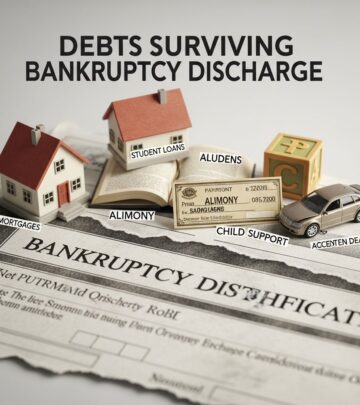
Common Exceptions: Non-Dischargeable Debts
Not all obligations vanish. Priority and protected debts persist:
| Debt Type | Reason for Non-Discharge |
|---|---|
| Student loans | Undue hardship proof required. |
| Child/spousal support | Domestic obligation priority. |
| Recent taxes | Government revenue protection. |
| Fraud-related debts | Creditor objection success. |
| Criminal fines | Public policy exclusion. |
Courts scrutinize fraud, DUI judgments, or willful injuries. Debtors must disclose fully; omissions risk denial.
Navigating the Path to Discharge Approval
Securing discharge demands diligence:
- File petition: List all assets, debts, income.
- Attend 341 meeting: Testify under oath.
- Complete counseling: Pre- and post-filing courses mandatory.
- Respond to trustee: Provide documents promptly.
- Avoid objections: No new debts without approval.
Trustees oversee compliance; failures lead to dismissal or denial.
Immediate Effects on Daily Finances Post-Discharge
Upon entry, the order binds creditors nationwide. Collection halts instantly, though some ignore, necessitating reaffirmation or legal action. Reaffirmed debts survive, like car loans.
Discharge doesn’t erase liens; secured property may still face foreclosure unless cured.
Long-Term Credit Implications and Recovery Roadmap
Bankruptcy notations linger: Chapter 7 for 10 years, Chapter 13 for 7 on credit reports. Scores drop sharply initially but rebound with positive habits.
Rebuilding steps:
- Obtain secured credit cards.
- Pay bills on time religiously.
- Keep debt utilization low.
- Monitor reports for errors.
Many secure loans within 2 years post-discharge by demonstrating stability.
Potential Challenges and Objection Processes
Creditors or trustees may object within set windows, alleging fraud or non-compliance. Hearings resolve disputes; successful challenges void specific debts or entire discharges.
Debtors facing denial can appeal or refile after waiting periods.
Alternatives if Discharge Seems Unattainable
Not everyone qualifies. High earners explore debt settlement or management plans. Chapter 13 offers flexibility for those failing means tests.
Frequently Asked Questions (FAQs)
What happens if I get a bankruptcy discharge?
You’re released from eligible debts; creditors must cease collection.
How long after Chapter 7 filing do I get discharged?
Usually 4 months, post-objection period.
Can student loans be discharged?
Rarely, only with undue hardship proof.
Does discharge remove liens on my property?
No, personal liability ends, but liens persist.
How does discharge affect my credit score?
Negative impact lasts 7-10 years, but recovery possible.
Can I file bankruptcy again after discharge?
Yes, with time bars: 8 years for Chapter 7 repeat.
Strategic Considerations Before Pursuing Discharge
Consult attorneys early. Bankruptcy offers relief but signals financial distress long-term. Weigh against negotiating directly with creditors or consolidating debts.
Post-discharge budgeting prevents recurrence: track expenses, build emergencies funds, avoid high-interest debt.
References
- Discharge in Bankruptcy – Bankruptcy Basics — U.S. Courts. 2023-10-01. https://www.uscourts.gov/court-programs/bankruptcy/bankruptcy-basics/discharge-bankruptcy-bankruptcy-basics
- You Owe Money: Bankruptcy Discharge and its Consequences — Office of the Superintendent of Bankruptcy (Canada). 2024-01-15. https://ised-isde.canada.ca/site/office-superintendent-bankruptcy/en/you-owe-money/you-owe-money-bankruptcy-discharge-and-its-consequences-bankrupt
- Bankruptcy discharge — Wikipedia. 2025-12-01. https://en.wikipedia.org/wiki/Bankruptcy_discharge
- Understanding a Bankruptcy Discharge — Hilltop Law Firm. 2024-05-20. https://hilltoplawfirm.com/blog/what-is-a-bankruptcy-discharge/
- Bankruptcy Discharge — Cornell Law School Legal Information Institute. 2023-11-10. https://www.law.cornell.edu/wex/bankruptcy_discharge
Similar Articles








Read full bio of Sneha Tete