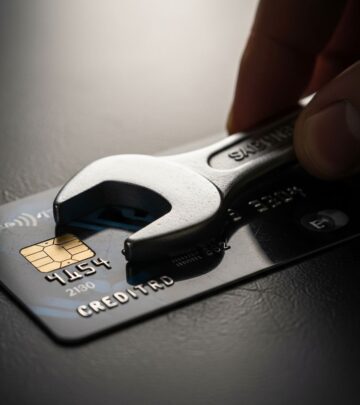
Banking Requirements for Credit Card Approval
Explore whether a checking account is truly necessary to qualify for a credit card.

Understanding Banking Prerequisites for Credit Card Qualification
The relationship between banking and credit card eligibility often confuses applicants navigating the financial system. Many people assume that possessing a checking account is a mandatory prerequisite for credit card approval, yet this assumption doesn’t align with how lenders actually evaluate applications. Understanding the genuine requirements that credit card issuers examine can help prospective cardholders better prepare their applications and identify viable pathways to approval.
The Reality of Checking Accounts in Credit Decisions
Financial institutions do not mandate checking account ownership as a core requirement for credit card eligibility. Instead, card issuers focus their attention on different criteria that more accurately predict whether an applicant will repay borrowed funds responsibly. While having a checking account can streamline the payment process, it remains optional rather than obligatory. This distinction is important because it opens opportunities for individuals who prefer alternative banking arrangements or who have not yet established relationships with traditional banks.
The absence of a checking account does not automatically disqualify an applicant from credit card consideration. Lenders evaluate numerous factors that provide more relevant insights into creditworthiness than banking account type. Understanding these actual criteria helps applicants focus their efforts on areas that genuinely influence approval decisions.
Primary Evaluation Metrics That Shape Approval Decisions
Credit card issuers prioritize several key evaluation factors when processing applications:
- Credit History and Track Record: Your demonstrated ability to manage previous credit obligations represents the most influential factor in approval decisions. A healthy credit history showcases responsible borrowing patterns and timely repayment behavior.
- Annual Household Income: Lenders assess your total household earnings to determine your capacity to service new credit obligations. This figure helps issuers understand your financial resources.
- Housing Expenses: Your monthly housing payment obligations factor into debt-to-income calculations. These costs represent a significant portion of most households’ budgets and affect available funds for credit card payments.
- Employment Stability: Evidence of consistent income through stable employment strengthens applications considerably. Self-employed individuals must typically demonstrate income through business records or tax returns.
- Credit Score: Numerical credit scores reflecting payment history, credit utilization, and other factors guide preliminary approval decisions.
Age and Income Requirements Across Institutions
Most card issuers establish minimum age thresholds for applicants, typically requiring individuals to be at least 18 years old, though many banks specify 21 as their minimum. This requirement protects both lenders and younger consumers by ensuring legal responsibility for contractual obligations.
Regarding income, applicants must demonstrate a regular income source. This requirement applies whether you receive a traditional salary, operate a business, or generate income through other consistent means. The income threshold validates that applicants possess financial resources to manage monthly credit obligations. Lenders want reasonable confidence that cardholders can sustain payments over time.
Documentation Needed for Application Processing
Successfully navigating the credit card application process requires preparing specific documentation that proves eligibility. Standard requirements include:
- Identity Verification: Government-issued identification such as Aadhaar cards, PAN cards, or voter IDs establish your legal identity.
- Residence Proof: Utility bills, rental agreements, or passport documentation confirm your current address.
- Income Documentation: Pay stubs from employers, business income statements, or tax returns provide evidence of earnings.
- Photographs: Passport-sized photographs satisfy identification verification protocols.
Having these documents prepared before application submission accelerates the review process. Many institutions can complete evaluations within hours once all required materials are submitted and verified.
Alternative Pathways When Traditional Credit is Limited
Individuals facing challenges with standard credit card approval have viable alternatives that don’t require checking accounts. Secured credit cards represent one such option, where applicants provide a security deposit that typically becomes their credit limit. These cards serve as powerful tools for building credit history while accessing card benefits.
Secured card deposits range significantly depending on the issuer. Some financial institutions accept deposits as low as $49 to $100, making these products accessible to individuals with limited capital. Others require minimum deposits of $200 or more. The specific amount depends on your creditworthiness profile and the issuer’s risk assessment.
The beauty of secured arrangements lies in their flexibility regarding funding mechanisms. Some issuers accept prepaid debit cards for deposit submission, eliminating the checking account requirement entirely. This accommodation expands access for unbanked or underbanked populations while maintaining the issuer’s risk management protections.
Comparing Secured Versus Unsecured Credit Options
| Feature | Secured Cards | Unsecured Cards |
|---|---|---|
| Security Deposit Required | Yes, typically $100–$2,000 | No deposit necessary |
| Credit Limit Determination | Based on deposit amount (70–90%) | Based on creditworthiness factors |
| Checking Account Mandatory | No | No |
| Credit Score Requirements | Flexible, some accept no credit | Generally 700+ required |
| Annual Fees | Typically $25–$49 | Often $0–$95+ |
| Rewards Programs | Limited or absent | Common on premium cards |
How to Strengthen Your Application Without a Checking Account
Several strategies can improve your approval prospects even without traditional banking relationships. First, obtain a copy of your credit report from major bureaus and verify accuracy. Dispute any errors that might negatively impact your score. Second, maintain stable employment and document your income thoroughly. Third, reduce existing debt to lower your overall debt-to-income ratio, making lenders more comfortable extending additional credit.
Consider alternative financial institutions if traditional banks decline your application. Credit unions, online banks, and fintech companies often apply more flexible underwriting criteria while still maintaining responsible lending standards. Different issuers weight evaluation factors differently, so rejection from one institution doesn’t preclude approval elsewhere.
If immediate credit card access matters less than building long-term financial foundations, secured cards offer exceptional value. Using a secured card responsibly for 12–24 months typically qualifies you for unsecured options with better terms and higher limits.
The Role of Payment Infrastructure
While checking accounts aren’t required for approval, payment convenience does benefit from having one. Checking accounts simplify bill payment through automatic transfers or check writing, though alternative payment methods exist. Prepaid debit cards, money orders, or direct transfers from savings accounts accomplish the same goal. Some card issuers accept payments through various channels including mobile apps, online platforms, and telephone systems that don’t require bank account linkage.
The key consideration involves ensuring reliable, timely payment mechanisms that prevent missed deadlines. Late payments damage credit scores regardless of your payment method, so establishing dependable payment systems takes priority over the specific account type used.
Understanding Credit Score Thresholds
Most mainstream credit card issuers prefer applicants with credit scores of 700 or above. However, this represents a preference rather than an absolute requirement. Secured card issuers specifically cater to individuals with lower scores or limited credit history, accepting applicants with scores below 700. Some specialized secured products impose no minimum credit score requirements whatsoever, recognizing that applicants are providing collateral that protects the issuer’s interests.
Building credit from zero requires starting somewhere. Secured cards serve as effective entry points, with responsible use gradually elevating scores into ranges qualifying for traditional unsecured products with superior benefits.
Frequently Asked Questions
Can I apply for a credit card if I’m unbanked?
Yes, absolutely. Secured credit cards represent excellent options for unbanked individuals. You can fund your security deposit through alternative methods like prepaid debit cards or money orders without requiring a traditional bank account.
What if I have no credit history?
Limited or nonexistent credit history doesn’t automatically disqualify you. Secured card issuers welcome applicants building credit from scratch. Demonstrate stability through employment and provide required documentation. After responsible use, you’ll build credit that opens doors to traditional unsecured options.
How quickly can I receive approval?
Many institutions process applications and disburse cards within hours to days of complete application submission. Some issuers claim 20-minute turnaround times once documentation is verified, though this represents faster-than-average service.
Do I need income documentation?
Yes, demonstrating income is typically mandatory. This might involve pay stubs for salaried employees, business tax returns for self-employed individuals, or other income verification. This requirement validates that you possess resources to manage payments.
What happens to my security deposit if I close the account?
Security deposits are refundable. When you close a secured account or graduate to unsecured status, the issuer returns your deposit, typically via check or transfer to a designated account.
Moving Beyond Secured Products
Secured credit cards function as transitional products helping you access better terms once creditworthiness improves. Most issuers automatically review accounts after 12–24 months of responsible use, upgrading qualified customers to unsecured products. This progression eliminates annual fees, increases credit limits, and unlocks rewards programs—benefits typically unavailable on secured products.
The path from limited credit access to mainstream approval becomes clear when you understand actual lender requirements. Banking account type matters far less than credit history, income stability, and responsible payment patterns. By focusing effort on genuine evaluation criteria rather than assumed requirements, prospective cardholders can strategically improve their profiles and accelerate approval timelines.
References
- How to Get a Credit Card Without Bank Account — ICICI Bank. 2024. https://www.icici.bank.in/blogs/credit-card/how-to-get-a-credit-card-without-bank-account
- Can I Get Credit Card Without Bank Account? — Pice App. 2024. https://piceapp.com/blogs/can-i-get-credit-card-without-bank-account/
- Can You Get A Secured Credit Card With No Bank Account? — Bankrate. 2024. https://www.bankrate.com/credit-cards/building-credit/secured-card-no-bank-account/
- How to Get a Credit Card Without a Bank Account? — Fi Money. 2024. https://fi.money/guides/credit-cards/how-to-get-a-credit-card-without-a-bank-account
- Do You Need a Checking Account to Get a Credit Card? — Experian. 2021. https://www.experian.com/blogs/ask-experian/do-you-need-checking-account-to-get-credit-card/
Similar Articles








Read full bio of Sneha Tete