Banking & Paying Bills Without Paper Checks
Master checkless banking: Explore online bill pay, digital accounts, and modern payment solutions.
How to Manage Your Money Without Using Paper Checks
The way people handle their finances has transformed dramatically over the past decade. While some individuals still prefer the traditional method of writing checks and maintaining a checkbook ledger, millions of others have embraced the convenience and efficiency of digital banking solutions. If you’re looking to streamline your financial management and eliminate paper checks entirely, you’re not alone.
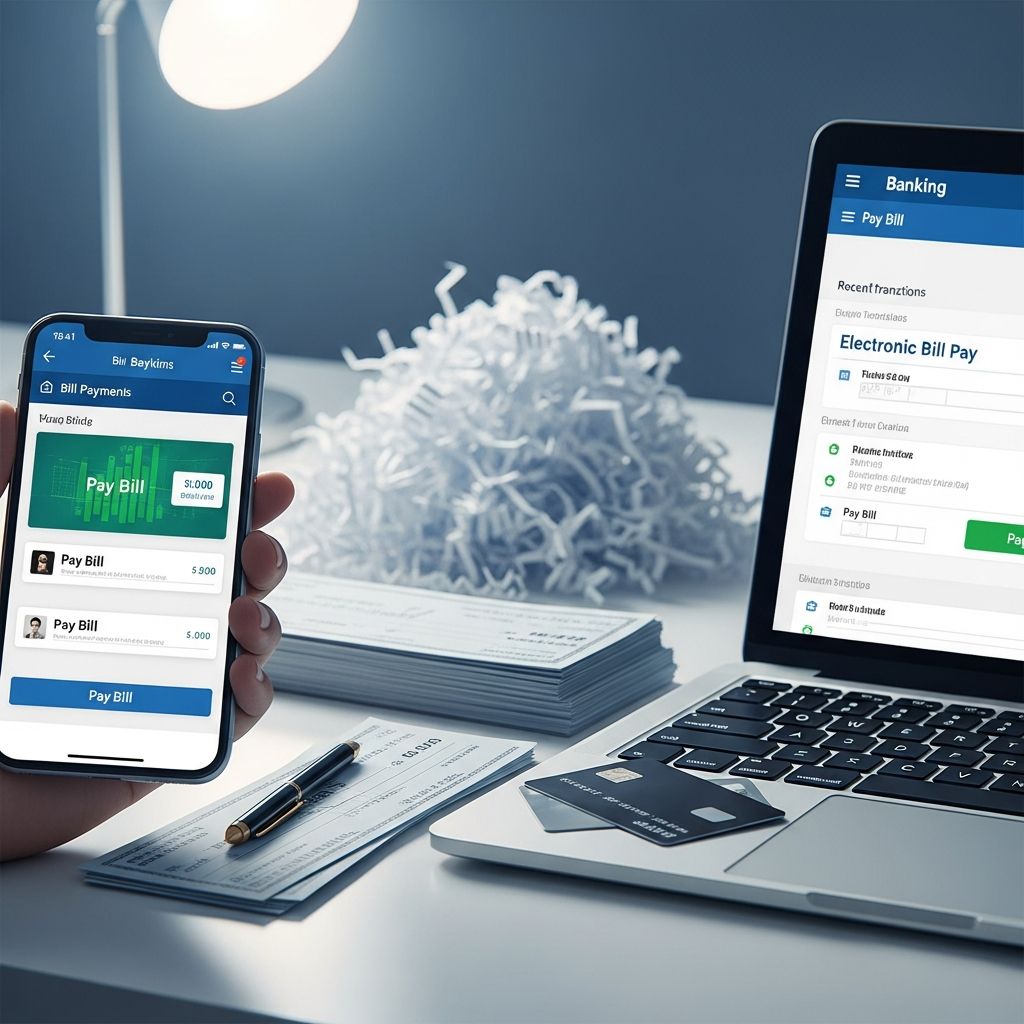
The modern banking landscape offers numerous tools and account types designed specifically for those who want to go completely paperless. One particularly valuable resource that comes free with most checking accounts is online bill pay—a tool that can help you stay organized and manage nearly all of your expenses without ever touching a pen to paper.
Whether you’re concerned about security, want to save time and money, or simply prefer the convenience of managing everything from your smartphone, there are practical solutions available to meet your needs. Understanding these options is the first step toward establishing a financial management system that works seamlessly in today’s digital world.
Six Ways Online Bill Pay Simplifies Banking
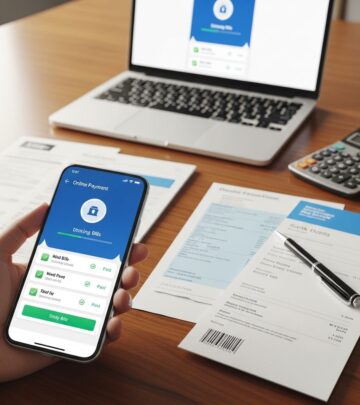
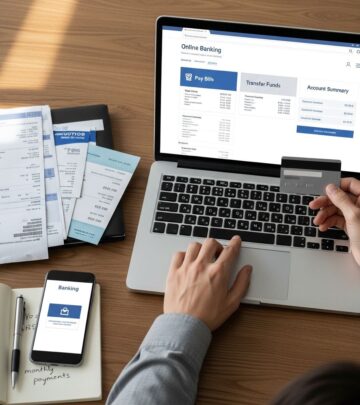
Online bill pay has revolutionized how individuals handle their financial obligations. This digital approach to managing payments offers distinct advantages that traditional check-writing cannot match. Here are the primary benefits that make online bill pay an attractive option for modern banking:
Saves Time
Time savings represent one of the most significant advantages of online bill pay. Individuals without access to digital banking often need to travel to local convenience stores or use services like Western Union to pay bills or transfer money. Depending on your location, a simple round trip to accomplish this task could consume an hour or more of your day.
In contrast, online bill pay eliminates these trips entirely. You can set up multiple payees directly from your checking account in just minutes. Routine bills such as utilities, water, city sewer fees, mortgage payments, credit card payments, and numerous other expenses can be automatically debited from your checking account on your preferred schedule. This automation means you never have to worry about missing a payment deadline or spending time on repetitive administrative tasks.
Saves Money
The financial benefits of online bill pay extend far beyond the convenience factor. Traditional money transfer services typically charge substantial fees for their services. For example, transferring just $300 might cost you $25 or more. If you rely on such services to pay multiple bills throughout the month, you could easily lose hundreds of dollars annually in unnecessary fees.
Most online banking services provided by banks and credit unions are completely free. You won’t incur convenience charges for paying your power bill, credit card balances, or other regular expenses through online bill pay. Some financial institutions may require specific conditions to waive any potential monthly fees—such as maintaining paperless statements or meeting a minimum direct deposit threshold—but these requirements are typically easy to satisfy and result in substantial savings.
Enhanced Security
Security concerns often drive individuals toward digital banking solutions. Banks employ multiple advanced security measures to protect your digital information and safeguard online banking transactions. These protections include multi-factor authentication at login—which requires you to verify your identity through multiple methods—and automated text alerts that notify you of suspicious activity or potential fraud.
In contrast, sending checks through the mail exposes you to significant risks. Mail theft remains a persistent problem, and physical checks contain sensitive banking information that could be intercepted, altered, or used fraudulently. By moving to online bill pay, you eliminate these vulnerabilities and significantly reduce your exposure to identity theft and financial fraud.
Convenience and Control
Digital bill pay offers unmatched flexibility and control over your finances. You can manage payments from anywhere—at home, at work, or while traveling—using any device with internet access. Most banks provide both web-based platforms and mobile applications, giving you options for how you prefer to manage your money.
You can schedule payments in advance, ensuring bills are paid on time even if you’re busy or away. Many systems allow you to view payment history, set up recurring payments for fixed expenses, and receive notifications when payments are processed. This level of control helps you maintain better oversight of your finances and reduces the likelihood of late payments or forgotten bills.
Environmental Benefits
Choosing digital bill pay contributes to environmental sustainability. The paper check industry requires significant natural resources—from tree harvesting and paper production to ink manufacturing and transportation. By eliminating checks from your financial routine, you reduce your personal carbon footprint and contribute to broader conservation efforts.
Faster Payment Processing
Digital payments often process more quickly than traditional mailed checks. While checks may take several business days to arrive, clear, and be processed, digital payments can post to accounts within one to two business days. Some financial institutions even offer instant payment options that settle funds within seconds, providing both you and your payees with faster access to money.
Checkless Checking Accounts Explained
Those who have fully embraced the digital age likely haven’t written a paper check in years. For these individuals, bills, mortgage payments, utilities, credit card payments, and virtually all other financial obligations are handled through online payments or automatic debits to their checking accounts. If this describes your banking habits, a checkless checking account might be the ideal solution.
You Can Still “Write” Checks
One common misconception about checkless checking accounts is that you completely lose the ability to pay individuals who require checks. In reality, while you cannot write physical paper checks against a checkless checking account, you still retain the ability to receive deposits from checks written by others. Employers can continue sending paychecks to your account, and if someone owes you money and sends a check, you can deposit it directly.
The primary difference is that you cannot draw checks against the account yourself. This limitation actually serves as a protective feature for many account holders, as it reduces your ability to overspend and prevents the potential for overdrawing your account through excessive check writing.
May Be the Only Option for Some Banking Customers
Checkless checking accounts often represent the only accessible banking option for younger people who haven’t yet established a credit history or developed a strong banking relationship with financial institutions. These accounts are also frequently available to individuals who have been denied traditional checking accounts due to adverse banking history—such as repeatedly overdrawing accounts and failing to settle negative balances.
Credit unions and banks typically use checking account reporting companies to evaluate whether consumers have problematic banking histories. These reports flag serious issues that make lenders wary of offering standard products. However, checkless checking accounts present substantially less risk of overdraft situations, making them a viable and practical option for individuals with less-than-perfect banking backgrounds or limited credit history.
Convenience Features
Your money isn’t locked away in a checkless checking account. Most of these accounts come with the significant benefit of a debit card that allows you to make point-of-sale purchases at retailers, online stores, and service providers. Many modern debit cards can be added to digital wallets—including Apple Pay, Google Pay, and similar services—enabling you to make purchases using your smartphone with just a tap.
For minors, some banks and credit unions offer prepaid debit cards that work with checkless accounts, allowing young people to build financial independence while maintaining appropriate spending limits. You can still withdraw cash at ATMs when needed or visit a bank teller to access your funds through traditional means. This flexibility ensures you’re never trapped without access to your money.
Advantages and Disadvantages of Checkless Checking
Understanding the complete picture of checkless checking accounts requires examining both their benefits and limitations:
Pros
- Often requires low or no minimum deposit to open an account, making them accessible to more people
- Helps control spending and reduces the potential for overdrawing your checking account
- Available to minors and individuals with a negative banking history who might struggle to open traditional accounts
- No check writing means less paperwork and administrative burden
- Often accompanied by modern digital banking tools and mobile app access
Cons
- May have more stringent requirements to waive monthly maintenance fees compared to traditional accounts
- No overdraft protection, meaning purchases exceeding your account balance are automatically declined
- May not be the best option for individuals who can easily open traditional checking accounts
- Limited branch access if the bank operates primarily online
- Potential restrictions on check deposits in some cases
Putting It All Together
Checkless checking accounts represent an excellent option for several specific groups of banking customers. If you never write checks and prefer managing all your finances digitally, these accounts eliminate unnecessary features you don’t use. Minors benefit from checkless accounts that provide financial access while maintaining appropriate controls. Individuals who have experienced banking difficulties in the past—such as overdraft problems—find that checkless accounts provide a fresh start without the temptation of overspending through check writing.
Like all deposit accounts offered by FDIC-insured financial institutions, checkless checking accounts come with important protections. These accounts are guaranteed up to $250,000 in case of bank failure, providing peace of mind that your money is secure. They enable you to make point-of-sale purchases using a debit card or digital wallet, and they support bill payment through online bill pay accessible via the bank’s website or mobile banking application.
If you’ve struggled to open a traditional checking account or want to eliminate the potential for overdrafts and overspending through check writing, a checkless checking account could be an ideal fit. However, if you have strong financial management skills and can qualify for a traditional checking account, you might benefit from exploring other options that offer broader flexibility, such as accounts that provide overdraft protection or the occasional ability to write checks when necessary.
Frequently Asked Questions About Checkless Banking
Q: What if I need to write a check occasionally?
A: If you have a checkless checking account, you cannot write checks against that account. However, you have alternatives. You can use peer-to-peer payment apps, make bank transfers, send money through your bank’s online bill pay system, or open a secondary traditional checking account for occasional check writing needs.
Q: Are checkless checking accounts truly free?
A: Many checkless checking accounts are free, but some may charge monthly maintenance fees unless you meet specific requirements—such as maintaining a minimum balance, setting up direct deposit, or using paperless statements. Always review the fee schedule before opening an account.
Q: Can I receive direct deposit into a checkless account?
A: Yes, absolutely. Checkless checking accounts fully support direct deposits from employers, government agencies, and other sources. This is one of their primary features for receiving regular income.
Q: What happens if I try to spend more than my account balance?
A: Without overdraft protection, transactions exceeding your balance are automatically declined at the point of sale. This protects you from overdraft fees but means you must maintain sufficient funds for your purchases and bills.
Q: Is online bill pay secure?
A: Yes, online bill pay uses multiple security layers including encryption, multi-factor authentication, and fraud monitoring. Banks implement these protections to keep your financial information and transactions safe from unauthorized access.
Q: Can minors open checkless checking accounts?
A: Many banks and credit unions offer checkless checking accounts specifically designed for minors, often with parental oversight and spending controls. These accounts help young people learn financial management while maintaining appropriate safeguards.
Q: What digital payment methods work with checkless accounts?
A: Checkless accounts support debit cards, digital wallets (Apple Pay, Google Pay), online bill pay, ACH transfers, and peer-to-peer payment apps. These multiple options provide flexibility for virtually any payment scenario you might encounter.
Q: How does going paperless save money?
A: Banks typically charge $2–$5 monthly for paper statements. Electronic statements eliminate these fees. Additionally, using online bill pay instead of check-writing services or money transfer services saves hundreds of dollars yearly. Some banks also reimburse ATM fees for paperless account holders.
References
- Can You Do Your Banking & Pay Bills Without Paper Checks? — MoneyRates. 2024. https://www.moneyrates.com/checking/can-you-do-your-banking-pay-bills-without-paper-checks.htm
- What Is Required When Opening a Checking Account? — MoneyRates. 2024. https://www.moneyrates.com/personal-finance/find-best-checking-account.htm
- The Federal Government Says Goodbye to Paper Checks — The Statement by BOK Financial. 2025. https://thestatement.bokf.com/articles/2025/08/the-federal-government-says-goodbye-to-paper-checks
- Ditching Paper Checks for Digital Disbursements: 5 Use Cases — Alacriti. 2025. https://www.alacriti.com/knowledge-hub/blog/ditching-paper-checks-for-digital-disbursements-5-use-cases/
- Where To Buy Checks: Avoid Your Bank To Save Money — Bankrate. 2024. https://www.bankrate.com/banking/checking/where-to-buy-checks-save-money/
- Are Paper Checks Still Relevant? — American National Bank of Texas. 2024. https://knowledge.anbtx.com/money-management/banking/article/are-paper-checks-still-relevant
Similar Articles








Read full bio of Sneha Tete