Banking Evolution: Why Modern Savings Accounts Beat Traditional Methods
Discover how today's high-yield savings accounts deliver returns 10x the national average

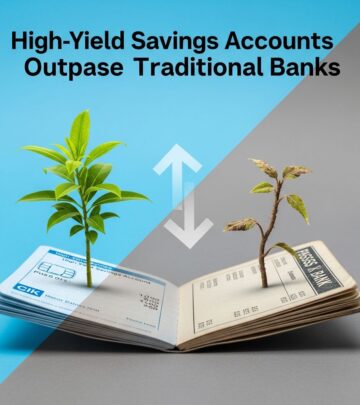
If your savings account hasn’t changed since the late 1990s, you’re likely leaving thousands of dollars on the table. While traditional banking institutions once dominated the financial landscape, the digital age has fundamentally transformed how individuals can grow their money. The emergence of online banking platforms and financial technology companies has created unprecedented opportunities for savers who are willing to move beyond outdated banking practices.
The contrast between yesterday’s banking model and today’s financial tools is striking. A generation ago, savers had limited options and accepted whatever rates their local bank offered. Today, that acceptance is no longer necessary. Understanding the difference between these two eras of banking can mean the difference between stagnant savings and wealth that compounds meaningfully over time.
The Outdated Banking Paradigm
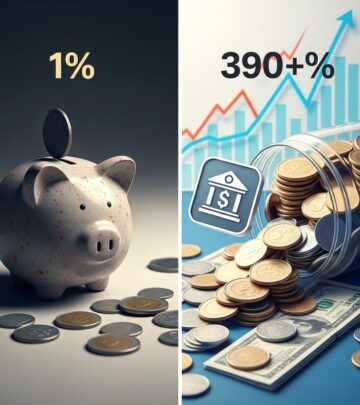
Traditional brick-and-mortar banks have maintained their business model with minimal innovation for decades. These institutions typically offer savings accounts with rates that barely keep pace with inflation, if at all. The national average for traditional savings accounts hovers around 0.01% to 0.60% annually, a figure that has remained remarkably stagnant despite economic changes and technological advances.
This low-rate environment persists for several reasons. Large banks have built their profit models around the spread between what they pay depositors and what they charge borrowers. By keeping deposit rates artificially low, these institutions maximize their margins. Additionally, many traditional banks maintain expensive physical infrastructure—branch buildings, staff, and associated overhead—that drives up their operational costs. These expenses are ultimately passed on to customers through lower rates and higher fees.
The limitations of traditional banking extend beyond interest rates. Many customers remain locked into these systems through habit, inconvenience, or simple lack of awareness about superior alternatives. The psychological barrier of switching banks, even when financially beneficial, keeps millions of people in suboptimal financial situations.
The Digital Revolution in Banking
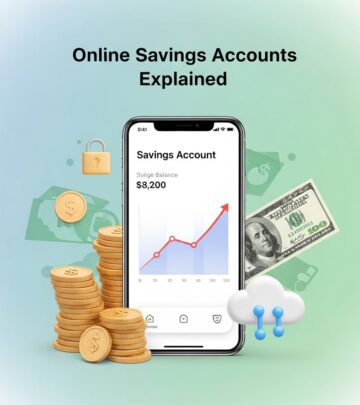
The emergence of online-only banking platforms has fundamentally disrupted the traditional banking industry. These digital-first institutions operate without the overhead burden of physical branches, allowing them to pass savings directly to customers through higher interest rates and lower fees. This business model innovation has created genuine competition in the savings account space for the first time in generations.
Online banks and financial technology companies have attracted billions in deposits by offering rates that are 5 to 10 times higher than traditional institutions. This explosive growth in alternative banking options reflects a genuine shift in consumer preferences and financial sophistication. Savers increasingly recognize that their money deserves to work harder, and they’re willing to use digital platforms to make that happen.
The infrastructure of modern banking relies on the same regulatory frameworks and deposit insurance protections that support traditional banks. Your money remains equally safe in an online savings account as it does in a physical bank branch, thanks to FDIC insurance coverage up to $250,000 per depositor. This safety guarantee removes one of the traditional excuses for staying with legacy banking institutions.
Understanding High-Yield Savings Accounts
High-yield savings accounts represent the most straightforward way for average investors to access significantly better returns on their cash. These accounts offer annual percentage yields (APY) that typically range from 4% to 5%, depending on market conditions and the specific institution. To put this in perspective, a $10,000 deposit earning 4.5% APY generates $450 in annual interest—more than the total interest a traditional savings account would earn in a decade.
The defining characteristics of quality high-yield savings accounts include:
- No monthly maintenance fees
- No minimum deposit requirements or very modest minimums
- Full liquidity—access to your funds whenever needed
- FDIC insurance protection up to $250,000
- Easy account setup and management through digital platforms
- Competitive interest rates that adjust with market conditions
These accounts function identically to traditional savings accounts in terms of functionality and safety, with the crucial difference being the interest rate. You can deposit and withdraw funds at will, set up automatic transfers, and organize your savings into multiple accounts if desired. The only real difference is that your money actually earns meaningful returns.
Current Market Leaders in High-Yield Savings
As of early 2026, several financial institutions are leading the high-yield savings market with competitive offerings. The competitive landscape continues to evolve, with rates fluctuating based on the Federal Reserve’s policy decisions and competitive pressures among providers.
| Institution | APY Rate | Minimum Deposit | Monthly Fees |
|---|---|---|---|
| Axos Bank | 4.21% | $0 | $0 |
| Newtek Bank | 4.20% | $0 | $0 |
| Vio Bank | 4.03% | $100 | $0 |
| Varo Money | 5.00% | Varies | $0 |
| Wealthfront | 4.20% | $0 | $0 |
These rates represent substantial improvements over traditional banking options. What makes this particularly compelling is that these institutions don’t require minimum deposits, don’t charge monthly fees, and don’t lock up your money. You maintain complete control and flexibility while earning returns that dramatically outpace inflation.
The Mathematics of Compound Growth
Understanding the mathematical impact of higher interest rates is crucial for recognizing why updating your banking strategy matters. Consider a concrete example: an individual with $50,000 in savings.
In a traditional savings account earning 0.60% APY, that $50,000 generates just $300 in annual interest. After 10 years, assuming no additional deposits, the account would contain approximately $53,000, with compound interest adding only $3,000 to the principal.
The same $50,000 in a high-yield savings account earning 4.5% APY generates $2,250 in annual interest during the first year alone. Over 10 years, compound growth on that principal and accumulated interest results in approximately $77,000—$24,000 more than the traditional account. This difference represents real wealth, not theoretical advantage.
For individuals with larger savings balances or longer time horizons, the impact becomes even more dramatic. This mathematical reality explains why financial experts increasingly emphasize the importance of optimizing deposit accounts.
Addressing Common Misconceptions
Several persistent myths prevent people from switching to high-yield savings accounts. Understanding and dispelling these concerns can help you make better financial decisions.
Misconception One: Online Banks Are Less Safe
High-yield savings accounts held at online institutions receive the same FDIC insurance protection as traditional banks. Your deposits are protected up to $250,000, making them equally safe whether held at a bank with physical branches or an online-only platform. The regulatory oversight and deposit guarantees are identical.
Misconception Two: High APYs Are Temporary Teaser Rates
While some institutions use promotional rates to attract new customers, most leading high-yield savings providers maintain competitive rates as their standard offering. These rates do fluctuate with market conditions and Federal Reserve policy, but the competitive pressure among providers ensures that rates remain high relative to traditional alternatives.
Misconception Three: You Lose Liquidity or Flexibility
High-yield savings accounts offer complete liquidity. Your funds remain accessible at all times with no withdrawal penalties or restrictions. You maintain the same flexibility as traditional savings accounts while earning superior returns.
Transitioning From Traditional Banking
Making the switch from traditional banking to modern high-yield savings accounts requires minimal effort. The process involves several straightforward steps:
- Research and select a high-yield savings provider that meets your needs
- Visit the provider’s website or mobile app to begin account opening
- Provide required identification and verification information
- Link an existing bank account to fund your new high-yield account
- Transfer funds from your traditional account to your new high-yield account
- Establish automatic savings transfers if desired
Most online banks complete account opening within minutes and provide access to funds within one to three business days. The entire transition typically takes less than an hour of your time. This minimal friction stands in sharp contrast to the ongoing cost of inaction.
Beyond Basic High-Yield Savings
While high-yield savings accounts represent the most straightforward improvement over traditional banking, modern financial platforms offer additional tools worth considering. Many providers offer linked checking accounts that also earn interest, vault features for organizing savings by goal, and automated savings programs.
For individuals willing to commit funds for specific periods, certificates of deposit (CDs) offered through online platforms may provide even higher returns than savings accounts. However, this comes at the cost of liquidity—your funds become inaccessible for the specified period.
Frequently Asked Questions
How do I know my money is safe in an online bank?
Online banks are regulated by the same federal authorities as traditional banks and participate in the FDIC insurance program. Your deposits receive the same $250,000 protection limit regardless of whether your bank has physical branches.
Will rates stay this high?
Interest rates fluctuate based on Federal Reserve policy and competitive dynamics. While current rates around 4-5% may adjust, high-yield savings accounts will likely continue offering rates substantially higher than traditional banks, maintaining the significant advantage they currently provide.
Can I access my money whenever I need it?
Yes, high-yield savings accounts provide complete liquidity. You can withdraw funds at any time without penalties, restrictions, or advance notice requirements.
What’s the catch with these high rates?
The advantage comes from the lower operational costs of online-only institutions. Without expensive branch networks and associated overhead, these banks can offer higher rates to remain competitive. There’s no hidden catch—just better business efficiency passed on to customers.
How much money do I need to open an account?
Most leading high-yield savings providers require no minimum deposit to open an account. You can start with whatever amount you’re comfortable depositing.
Conclusion: Taking Action on Your Financial Future
The banking landscape has fundamentally changed, yet millions of people continue operating under financial assumptions from decades past. This disconnect between available opportunities and actual behavior represents an ongoing loss of wealth for countless individuals.
Updating your savings strategy from traditional banking to high-yield savings accounts requires minimal effort and carries no meaningful downside. The regulatory protections remain identical, the funds stay liquid, and the return improvements are substantial. For most people with cash savings, this represents one of the highest-returning, lowest-risk financial decisions available.
The mathematics are undeniable: moving $50,000 or $100,000 or more from a 0.6% account to a 4.5% account generates thousands in additional annual interest. Over a decade or more, this difference compounds into meaningful wealth.
Continuing to bank like it’s 1998 when superior alternatives exist is a choice—one that carries real financial consequences. The modern banking revolution has democratized access to competitive returns, removing the excuse that high yields require complex strategies or significant investment expertise. Your money deserves to work harder, and the tools to make that happen are now readily available.
References
- Best High-Yield Savings Accounts for March 2026 — NerdWallet. 2026-03-30. https://www.nerdwallet.com/banking/best/high-yield-online-savings-accounts
- Best High-Yield Savings Accounts Of March 2026 – Up to 4.21% — Bankrate. 2026-03. https://www.bankrate.com/banking/savings/best-high-yield-interests-savings-accounts/
- The Top High-Yield Savings Rates: Up to 5.00% on March 6, 2026 — Fortune. 2026-03-06. https://fortune.com/article/best-savings-account-rates-3-6-2026/
- Best High-Yield Savings Accounts 2026: Top 10 Rates, Perks — GreenFi. 2026-01. https://www.greenfi.com/resources/best-high-yield-savings-accounts-2026
Similar Articles








Read full bio of medha deb