Bank Statements Explained: Guide To Financial Clarity
Unlock the power of your bank statement: track spending, spot fraud, and master your finances with this comprehensive guide.
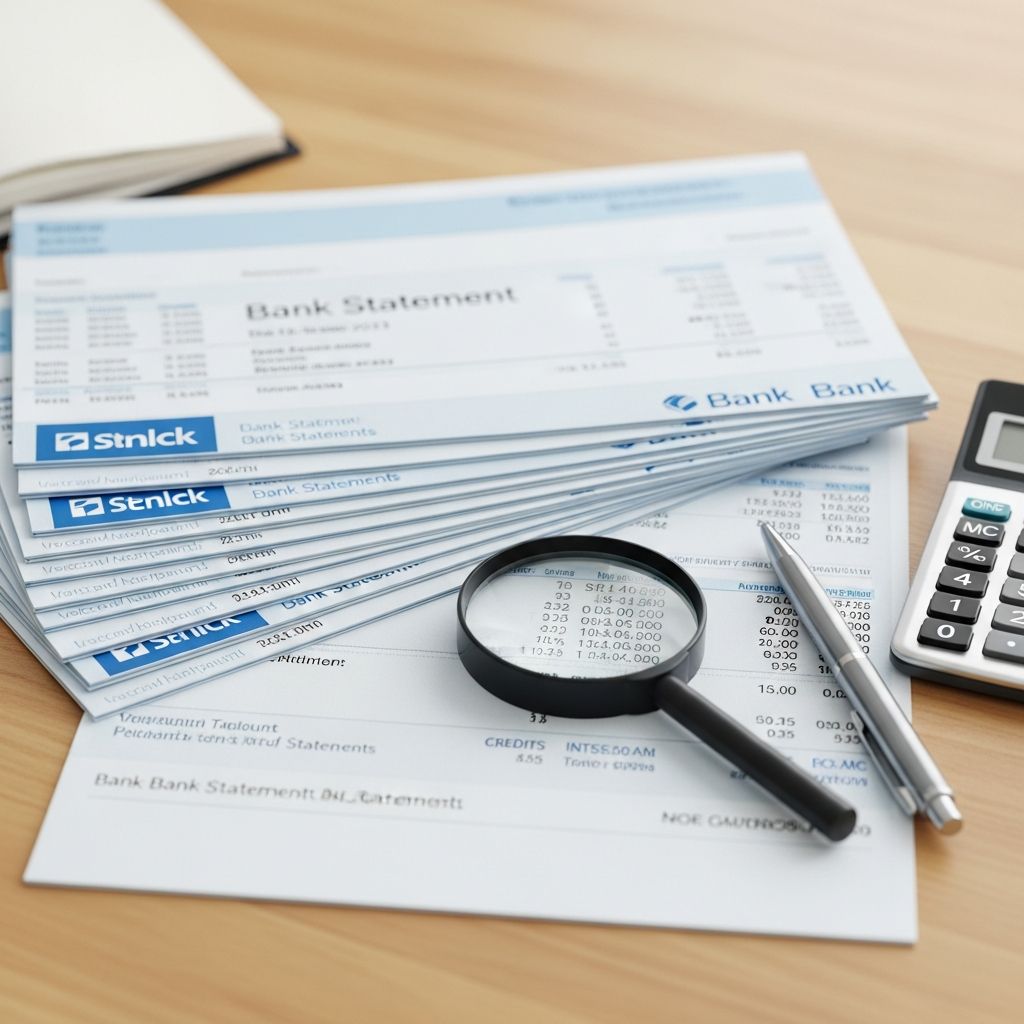
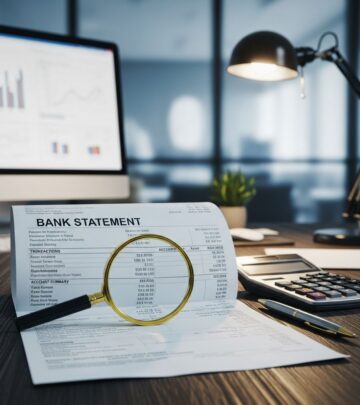
Bank statements serve as a fundamental record of your financial transactions, offering a clear snapshot of account activity over a defined period. These documents are indispensable for monitoring spending patterns, verifying transactions, and maintaining overall financial health.
Understanding the Fundamentals of Bank Statements
A bank statement is an official summary issued by your financial institution detailing all inflows, outflows, and balance changes in your account during a specific timeframe, usually a month. It acts as verifiable proof of your financial behavior, aiding in everything from daily budgeting to major applications like loans or taxes.
Financial experts emphasize that regular review of these statements promotes accountability and helps identify irregularities early. Unlike informal tracking apps, bank statements provide legally binding records directly from the source institution.
Core Elements Found in Every Bank Statement
Bank statements are structured to deliver comprehensive insights at a glance. Familiarizing yourself with their standard sections empowers you to extract maximum value.
- Account Identification Details: This includes your name, account number (often partially obscured for security), bank branch information, and the exact statement period covered.
- Balance Overview: Key figures here are the opening balance (start of period), ending balance (close of period), plus totals for deposits, withdrawals, and any average daily balance.
- Transaction Ledger: A chronological list of every activity, with dates, descriptions, amounts, and running balances.
- Fees and Interest Breakdown: Any service charges, overdraft penalties, or earned interest are itemized separately for transparency.
These components ensure you have a complete audit trail. For instance, transaction descriptions might reference payees, check numbers, or codes like ‘ACH’ for electronic transfers.
How to Access Your Bank Statements Effortlessly
Modern banking has made statements accessible anytime, anywhere. Most institutions offer digital versions through secure online portals or mobile apps, often as downloadable PDFs.
Paper copies remain available upon request, though they incur fees in some cases. Setting up e-delivery not only saves trees but also provides instant notifications for new statements. Pro tip: Enable alerts for low balances or unusual activity to complement your statement reviews.
| Method | Pros | Cons |
|---|---|---|
| Online Banking | Instant access, searchable, free | Requires internet |
| Mobile App | Mobile-friendly, push notifications | Small screen for details |
| Paper Mail | Tangible record | Delays, potential fees |
Mastering the Art of Reading Your Statement
Interpreting a statement involves scanning from top to bottom. Start with the summary balances to gauge overall health, then dive into transactions for specifics.
Look for patterns: Frequent ATM withdrawals might signal cash-heavy habits, while recurring debits reveal subscriptions. Running balances help spot overdrafts before fees hit. Common abbreviations include ‘DEP’ for deposits, ‘CK’ for checks, and ‘NSF’ for insufficient funds.
Reconcile by matching against receipts or your ledger. Discrepancies? Contact your bank promptly—most errors resolve within days.
Practical Ways Bank Statements Boost Your Finances
Beyond record-keeping, statements are powerful tools for proactive management.
- Budgeting Precision: Categorize transactions (e.g., groceries, utilities) to visualize spending leaks and adjust habits.
- Fraud Detection: Unknown charges? Flag them immediately. Statements are your first line of defense against unauthorized activity.
- Tax Preparation: Deductible expenses and income proofs are right there, simplifying filings.
- Loan and Rental Applications: Lenders scrutinize statements for stability; clean records strengthen your case.
Business owners use them for reconciling books, while individuals leverage insights for goal-setting like emergency funds or debt payoff.
Common Pitfalls and How to Avoid Them
Misreading fees or ignoring small charges can erode savings. Overdrafts, often from timing mismatches, add hefty penalties—average $35 per incident.
Digital fatigue leads some to skip reviews; set monthly reminders. Always shred physical copies securely to prevent identity theft.
Comparing Statement Types Across Accounts
Not all statements are identical. Checking accounts emphasize transactions, savings highlight interest, while credit cards focus on balances due.
| Account Type | Unique Features |
|---|---|
| Checking | High transaction volume, overdraft info |
| Savings | Interest credits, withdrawal limits |
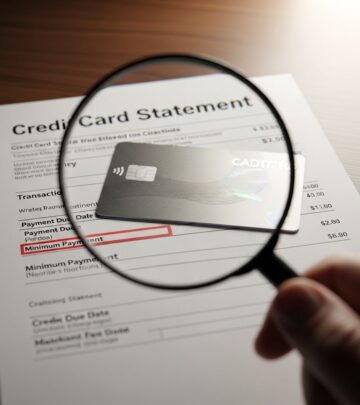
| Credit Card | Minimum payments, rewards summary |
Advanced Tips for Statement Optimization
Export data to spreadsheets for custom analysis—track net worth trends or forecast cash flow. Apps integrate statements for automated categorization.
For businesses, multi-account statements aid cash flow management. Request custom periods if monthly doesn’t fit your cycle.
Frequently Asked Questions
What if I spot an error on my statement?
Report it to your bank within 60 days; federal law (Regulation E) protects against liability for unauthorized electronic transfers.
How often should I check my statement?
Monthly at minimum, ideally weekly via app previews for real-time vigilance.
Are digital statements legally valid?
Yes, equivalent to paper under the E-SIGN Act, as long as they’re accessible and reproducible.
Can I get statements for past years?
Banks retain 7 years typically; online archives or requests cover older periods.
Why do fees appear even without overdrafts?
Monthly maintenance, ATM usage outside network, or inactivity charges—review terms to waive them.
In summary, bank statements transform raw data into actionable intelligence. By routinely engaging with them, you gain control over your financial narrative, sidestepping pitfalls and capitalizing on opportunities.
References
- Bank Statement: Explanation and key components — Swoop US. 2023. https://swoopfunding.com/us/business-glossary/bank-statement/
- What Is a Bank Statement? How to Read and Use It — Remitly. 2023-10-12. https://www.remitly.com/blog/finance/what-is-a-bank-statement/
- What Is a Bank Statement? Definition, Benefits, and Components — PW Live. 2024. https://www.pw.live/finance-courses/exams/bank-statement
- Account Statement – Overview, Importance, and Components — Corporate Finance Institute. 2023. https://corporatefinanceinstitute.com/resources/wealth-management/account-statement/
- What Is a Bank Statement and Why Is It Still Important? — PNC Insights. 2024-01-15. https://www.pnc.com/insights/personal-finance/spend/what-is-a-bank-statement-why-it-is-still-important.html
Similar Articles








Read full bio of medha deb