Bank Statement Guide: 5 Steps To Read And Use Yours
Master your finances with our comprehensive guide to understanding bank statements, from key components to practical uses.
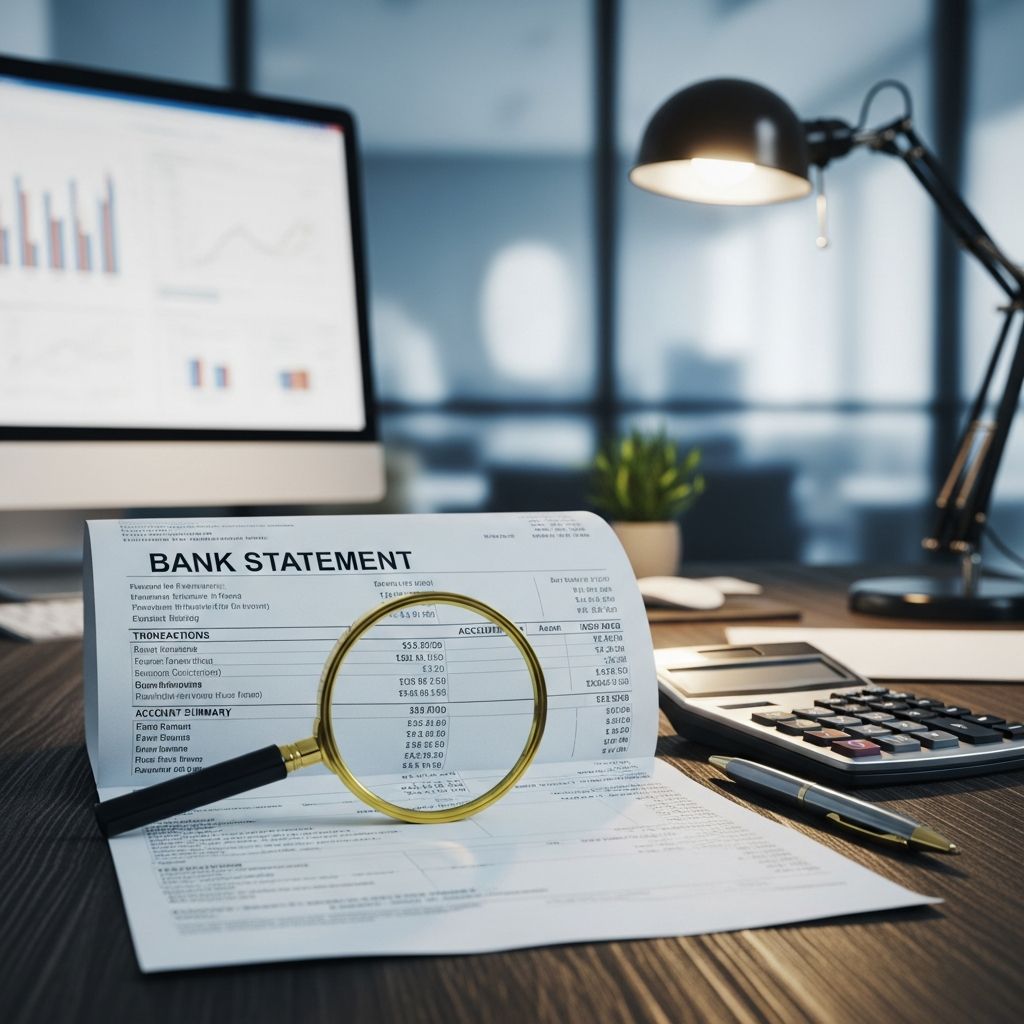
Bank statements represent a fundamental tool in personal finance management, offering a detailed chronicle of your account’s activity over a defined timeframe. These documents, issued by banks or credit unions, capture every financial movement, enabling users to monitor their fiscal health accurately.
Defining the Essentials of a Bank Statement
A bank statement serves as an official summary from your financial institution, detailing all transactions within a specific period, often monthly. It lists deposits, withdrawals, fees, and interest, providing starting and ending balances for clarity. This record is crucial for verifying account accuracy and supporting various financial needs.
Financial institutions generate these statements periodically to ensure transparency. Whether for checking, savings, or other accounts, they act as verifiable proof of financial behavior, essential for loans, taxes, or disputes.
Core Elements Found in Every Bank Statement
Bank statements are structured to deliver comprehensive insights at a glance. Key sections include account details, balance summaries, and transaction logs, each designed for easy navigation.
Account Identification Details
At the outset, statements display vital identification: your name, address, account number (often partially obscured for security), and the statement’s date range. This confirms the document’s relevance to your records. Verifying these prevents mix-ups, especially with multiple accounts.
Balance Overviews
Prominently featured are the opening balance (funds at period start) and closing balance (funds at end). These bookends illustrate net change, aiding quick financial assessments.
| Balance Type | Purpose | Example |
|---|---|---|
| Opening Balance | Starting point for period | $2,500.00 |
| Closing Balance | Ending point for period | $3,200.75 |
| Average Daily Balance | For fee/interest calculations | $2,850.00 |
Detailed Transaction Records
The core of the statement is the chronological transaction list. Each entry notes date, description (e.g., merchant name, transfer reference), and amount (deposits positive, withdrawals negative). This granularity reveals spending patterns and income sources.
- Date: Posting or transaction date.
- Description: Payee, check number, or code.
- Amount: Precise debit/credit figures.
Fees, Interest, and Adjustments
Separate listings cover service fees, overdraft charges, ATM costs, and earned interest. These ensure awareness of ancillary costs or gains. Regular review here can uncover avoidable expenses.
Accessing Your Bank Statements Efficiently
Modern banking prioritizes digital access. Log into online portals or apps to download PDFs instantly, often with historical archives. Paper versions remain available upon request, though less common due to environmental and efficiency concerns.
For businesses or detailed needs, statements can be exported to spreadsheets for analysis. Many institutions offer customizable periods, extending beyond standard monthly cycles.
Step-by-Step: How to Interpret Your Statement
Reading a statement systematically maximizes its value. Start with summaries, reconcile totals, then scrutinize transactions.
- Confirm personal and account info.
- Compare opening/closing balances against expectations.
- Sum deposits and withdrawals to verify balance progression.
- Flag unfamiliar entries for inquiry.
- Note fees and interest for optimization.
This process, done monthly, builds financial literacy and control.
Practical Applications in Daily Finance
Beyond record-keeping, statements empower budgeting by categorizing expenditures, tracking goals, and adjusting habits. They substantiate tax deductions, rental applications, or loan qualifications with transaction proof.
Strengthening Budgeting Efforts
Export transactions to apps like Mint or Excel for categorization. Identify trends, such as excessive dining out, to refine spending.
Loan and Credit Building
Lenders scrutinize statements for income stability and responsibility. Consistent positive balances signal creditworthiness.
Safeguarding Against Fraud and Errors
Monthly reviews detect unauthorized activities early. Look for anomalies like unfamiliar merchants or duplicate charges. Report issues promptly to limit liability, often capped at $50 under federal law for debit fraud.
Enable alerts for large transactions or low balances to complement statement checks.
Types of Bank Statements Across Accounts
While similar, statements vary by account:
- Checking: Focuses on daily debits/credits, fees.
- Savings: Emphasizes interest accrual, withdrawal limits.
- Credit Card: Details charges, payments, minimum due (technically an account statement).
- Business: Includes payroll, vendor payments, tax withholdings.
Digital Tools and Enhancements
Banks now integrate AI for anomaly detection and spending insights. Mobile apps provide real-time previews, reducing reliance on periodic statements.
Frequently Asked Questions
What if my statement shows incorrect information?
Contact your bank immediately with details; they must investigate within 10 business days for electronic transfers.
How far back can I access statements?
Online typically 7 years; request older via branch.
Are bank statements taxable documents?
No, but they support tax filings by evidencing deductible expenses.
Can I get statements weekly?
Some banks offer custom frequencies for a fee.
What does ‘pending’ mean on my statement?
Transactions authorized but not cleared; they affect available balance.
Advanced Tips for Financial Mastery
Integrate statements with financial software for automated reconciliation. Use them to forecast cash flow, negotiate fees, or switch to better accounts. Businesses leverage them for audits and investor reports.
For international users, statements aid currency tracking and remittance verification.
References
- Bank Statement: Explanation and key components — Swoop US. 2023. https://swoopfunding.com/us/business-glossary/bank-statement/
- What Is a Bank Statement? How to Read and Use It — Remitly. 2023-10-01. https://www.remitly.com/blog/finance/what-is-a-bank-statement/
- Account Statement – Overview, Importance, and Components — Corporate Finance Institute. 2024. https://corporatefinanceinstitute.com/resources/wealth-management/account-statement/
- What Is a Bank Statement? Definition, Benefits, and Components — PW Live. 2024. https://www.pw.live/finance-courses/exams/bank-statement
- How to understand your bank statement — Commerce Bank. 2025-01-01. https://www.commercebank.com/personal/ideas-and-tips/2025/how-to-understand-your-bank-statement
- Understanding Bank Statements: Definition, Benefits — Taxfyle. 2023. https://www.taxfyle.com/blog/understanding-bank-statements
Similar Articles








Read full bio of Sneha Tete