Bank-Owned Properties Explained
Discover how bank-owned properties offer unique opportunities for savvy homebuyers seeking value in the real estate market.

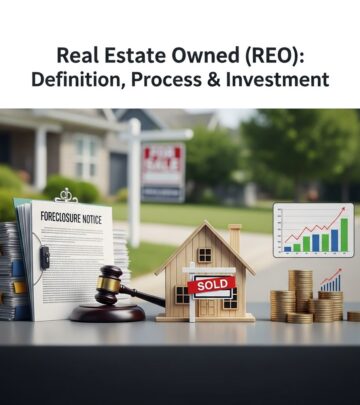
Bank-owned properties, commonly referred to as REO (Real Estate Owned) properties, represent a distinct segment of the real estate market where financial institutions take possession of homes after foreclosure processes fail to attract buyers at auction. These properties arise when homeowners default on mortgages, leading lenders to reclaim assets to mitigate losses. For potential buyers, they offer chances to acquire homes at reduced prices, though they come with specific challenges like needed repairs and unique transaction processes.
The Origins of Bank-Owned Real Estate
Understanding the lifecycle of a bank-owned property begins with mortgage delinquency. When borrowers miss payments, lenders initiate foreclosure to recover owed amounts. This legal process varies by state but generally culminates in a public auction where the property is offered to the highest bidder. If bids fall short of the lender’s requirements—often the outstanding loan balance plus fees—the property reverts to the bank.
Banks do not prefer holding real estate; it ties up capital and incurs maintenance costs. Thus, they classify these assets as REO and list them for sale swiftly, aiming to liquidate inventory. This shift from distressed homeowner ownership to institutional control marks the transition to bank-owned status.
Key Distinctions: Foreclosure vs. REO vs. Short Sales
Not all distressed properties are identical. Foreclosures occur during the pre-auction phase, where owners might still occupy the home. Short sales involve lender approval for sales below mortgage value to avoid full foreclosure. In contrast, REO properties are post-auction, fully owned by the bank, vacant or managed, and sold ‘as-is’ through standard channels.
| Type | Description | Ownership | Sale Process |
|---|---|---|---|
| Foreclosure | Pre-auction distress | Homeowner/Lender | Auction |
| Short Sale | Sale below mortgage | Homeowner with approval | Negotiated offer |
| Bank-Owned (REO) | Post-auction bank asset | Bank/Lender | MLS or direct listing |
Advantages of Purchasing Bank-Owned Homes
- Discounted Pricing: Banks price REOs competitively, often 20-30% below market value to expedite sales and clear balance sheets.
- As-Is but Transparent: No emotional sellers; transactions are business-like, with disclosures on known issues.
- Financing Availability: Many lenders offer special loans for REO purchases, sometimes with flexible terms for primary residences.
- Less Competition from Owners: Unlike traditional sales, fewer bidding wars from homeowners, though investors compete.
Potential Drawbacks and Risks
- Repair Needs: Properties may suffer neglect, vandalism, or deferred maintenance, increasing post-purchase costs.
- Competitive Bidding: Attracts cash investors, pressuring financed buyers to act fast.
- Prolonged Closing: Bank bureaucracy can extend timelines beyond standard 30-45 days.
- Limited Negotiations: Fixed pricing and minimal concessions on repairs or contingencies.
Strategies for Locating Bank-Owned Properties
Finding REOs requires targeted searches. Start with the Multiple Listing Service (MLS), where most banks list via agents. Specialized real estate agents with REO certifications excel here.
Visit bank websites; major institutions like Wells Fargo or Bank of America maintain dedicated REO sections. Government-sponsored enterprises offer portals: Fannie Mae’s HomePath and Freddie Mac’s HomeSteps feature exclusive listings.
Online aggregators and auctions provide additional leads, but verify listings. Networking with local investors or attending open houses flags emerging opportunities.
Step-by-Step Guide to Buying an REO Property
- Pre-Approval: Secure mortgage pre-approval, ideally from the owning bank for streamlined processing.
- Research Thoroughly: Review property history via public records, comparable sales, and title searches.
- Professional Inspection: Conduct a detailed home inspection; budget for surprises like plumbing or roof issues.
- Submit Strong Offer: Include proof of funds, minimal contingencies, and quick closing timeline to appeal to banks.
- Navigate Addendums: Expect bank-specific forms waiving certain warranties.
- Appraisal and Closing: Ensure appraisal supports price; prepare for potential delays in bank approvals.
Financial Considerations and Budgeting
Beyond purchase price, factor in closing costs (3-6% of price), inspections ($400-800), repairs (potentially tens of thousands), and holding costs if unoccupied. Investors might leverage 203(k) loans for rehab financing, while owner-occupants qualify for conventional mortgages.
Calculate total investment: Purchase + Repairs + Carrying Costs vs. After-Repair Value (ARV) for profitability assessment.
Role of Real Estate Professionals
Engage an agent experienced in REOs; they understand bank protocols, access exclusive listings, and negotiate effectively. Title companies familiar with distressed sales ensure clear ownership transfer.
Current Market Trends in REO Properties
As of 2026, stabilizing economies have reduced new foreclosures, tightening REO supply. However, regional hotspots persist in areas with high unemployment or overleveraged markets. Buyers benefit from low interest rates, but rising prices erode discounts.
Frequently Asked Questions (FAQs)
What does REO stand for?
REO means Real Estate Owned, indicating lender possession post-foreclosure auction.
Are bank-owned homes always cheap?
Typically yes, but discounts vary by condition, location, and demand; not guaranteed bargains.
Can I finance an REO purchase?
Yes, via conventional loans, FHA 203(k), or bank-specific programs; pre-approval is key.
Do banks evict occupants before selling REO?
Most are vacant, but some may require eviction processes; verify occupancy status.
Is an inspection required for REO?
Not mandatory but strongly recommended; sold as-is, so buyer assumes repair risks.
Legal and Title Implications
REOs generally offer clean titles, as banks clear liens pre-sale. However, review for subordinate liens or disputes. Consult attorneys in judicial foreclosure states for compliance.
Investor Perspectives on REOs
Flippers target fixers-uppers for quick profits; landlords seek rental yields. Analyze cap rates and cash-on-cash returns pre-offer.
References
- Understanding Bank-Owned Properties: A Comprehensive Guide — Tickeron. 2023. https://tickeron.com/trading-investing-101/what-bank-owned-property/
- What Are Bank Owned Properties? — Velasco Law Office. 2024. https://www.velascolaw.com/what-are-bank-owned-properties
- The REO Guide: 10 Steps to Buying a Bank-Owned Home — PennyMac. 2025-03-15. https://www.pennymac.com/blog/reo-guide-10-steps-to-buying-bank-owned-home
- Buying a Bank-Owned Property — Zillow. 2025. https://www.zillow.com/learn/buying-a-bank-owned-property/
- What Is an REO Property? A Complete Guide — Amerisave. 2024. https://www.amerisave.com/glossary/what-is-an-reo-property-a-complete-guide-to-buying-bankowned-homes-in
- Defining Foreclosures, Bank-Owned Properties, and Short Sales — Eagle Gate Title. 2023. https://eaglegatetitle.com/defining-foreclosures-bank-owned-properties-and-short-sales/
Similar Articles








Read full bio of Sneha Tete