Bank Drafts: Secure Payment Solutions for Large Transactions
Complete guide to bank drafts: understanding how they work, benefits, and when to use them for secure payments.
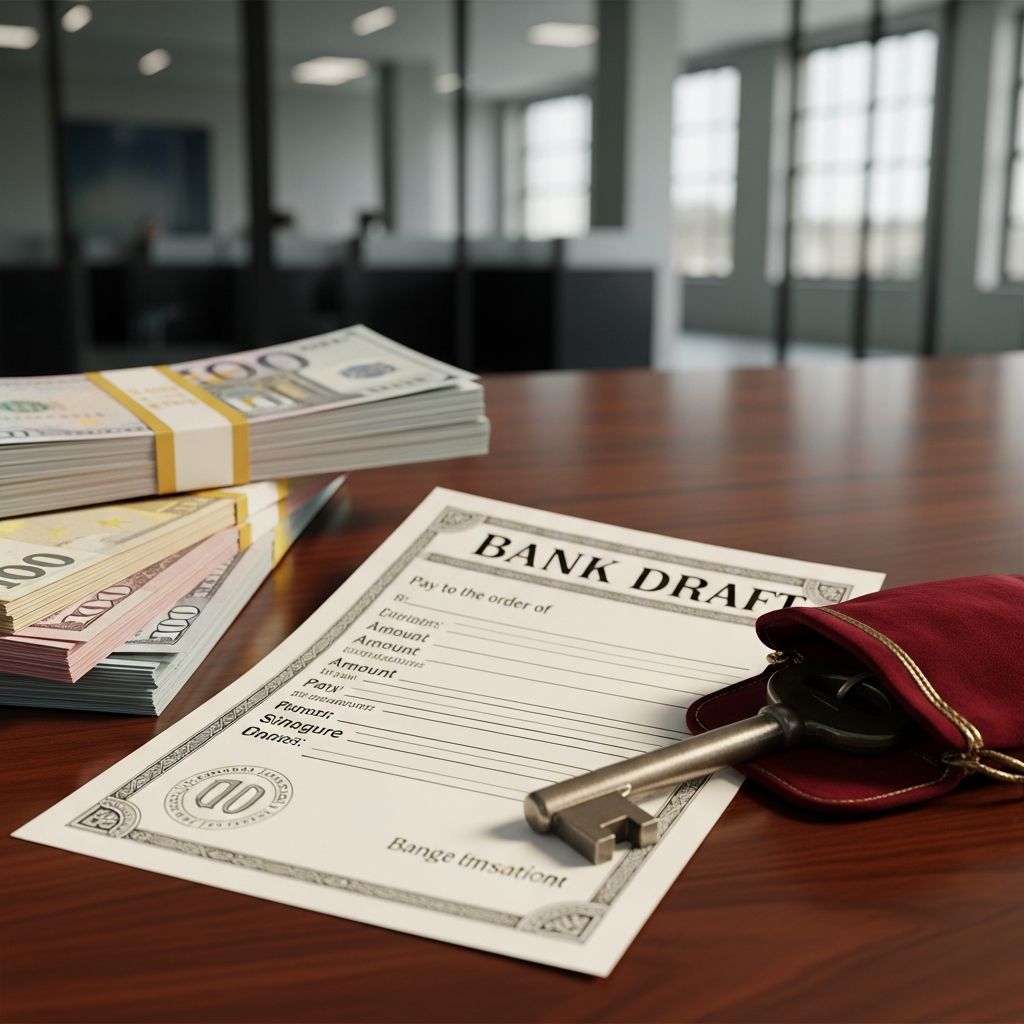
What is a Bank Draft?
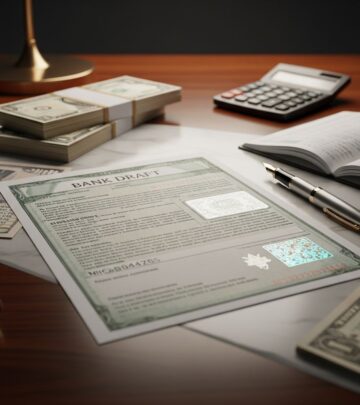
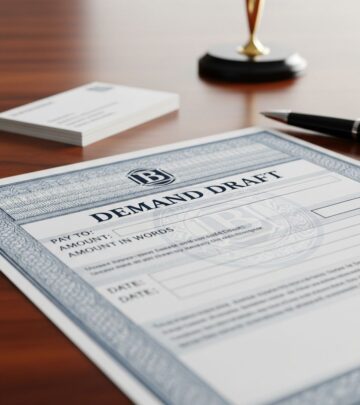
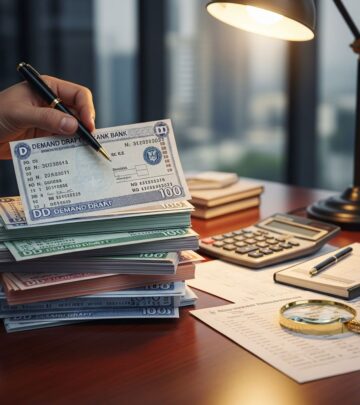
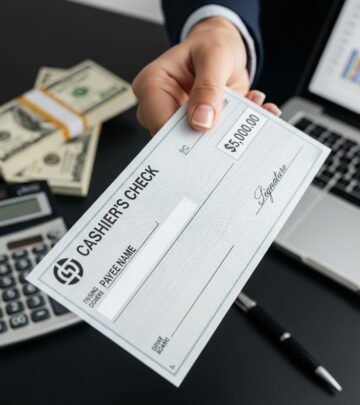
A bank draft, also known as a banker’s draft, bank check, or teller’s check, is a secure payment instrument issued by a bank on behalf of a customer. Unlike personal checks that are drawn against an individual’s account, a bank draft is drawn against the bank’s own funds, guaranteeing payment to the recipient. This fundamental difference makes bank drafts one of the most reliable payment methods available for conducting large financial transactions.
The bank draft represents a significant advancement in payment security because it eliminates the risk of insufficient funds. When you request a bank draft, your bank verifies that your account contains sufficient funds, withdraws the specified amount from your account, and then issues the draft payable to a designated recipient. The bank’s guarantee ensures that the payee can confidently accept the draft without worrying about bounced payments.
Key Features of Bank Drafts
Bank drafts come with several important characteristics that make them attractive for specific payment situations:
– Guaranteed Funds: The issuing bank guarantees payment by backing the draft with its own reserves, ensuring the funds are available- Enhanced Security: The risk of a bounced payment is virtually eliminated compared to personal checks- No Amount Limits: Unlike electronic transfers or ATM withdrawals, bank drafts can be issued for any amount- Wide Acceptance: Financial institutions and businesses worldwide recognize and accept bank drafts- Faster Clearing Times: Bank drafts typically clear more quickly than personal checks because funds are verified at issuance- International Capability: Most bank drafts can be used in multiple currencies and across borders
How Bank Drafts Work
Understanding the mechanics of bank drafts helps explain why they are such a trusted payment method. The process involves several straightforward steps that ensure security and verification at every stage.
The Bank Draft Process: Step-by-Step
Step 1: Request and Verification
The process begins when you approach your bank or financial institution requesting a bank draft. You provide details about the amount needed and the recipient’s name or business entity to whom the draft should be payable. The bank then verifies that your account contains sufficient funds to cover the requested amount.
Step 2: Fund Verification and Reservation
Once your bank confirms you have adequate funds, it sets aside the specified amount in a reserve account. This reservation ensures that the funds are held exclusively for this transaction and cannot be used for other purposes. This step is critical to maintaining the guarantee that makes bank drafts reliable.
Step 3: Draft Issuance
The bank then prepares and issues the bank draft as an official bank document. The draft includes your name as the requester, the recipient’s name as the payee, the specific amount, the date, and the bank’s authorization. The document is prepared and signed by authorized bank personnel to ensure authenticity.
Step 4: Delivery and Payment
You receive the completed bank draft and deliver it to the payee. The recipient can then deposit or cash the draft at their financial institution, which will contact the issuing bank to verify the funds. Because the bank has already guaranteed payment, the clearing process is typically faster than with personal checks.
Bank Drafts vs. Personal Checks
While both bank drafts and personal checks serve as payment instruments, there are critical differences that make bank drafts superior for certain situations. Understanding these distinctions helps you choose the right payment method for your needs.
| Feature | Bank Draft | Personal Check |
|---|---|---|
| Funding Source | Bank’s own funds | Account holder’s funds |
| Payment Guarantee | Guaranteed by issuing bank | No guarantee; may bounce |
| Clearing Time | Typically 24 hours or less | 3-5 business days |
| Amount Limits | No limit | Subject to account limits |
| Common Uses | Large transactions, real estate, vehicles | Everyday payments, bills |
| Acceptance Risk | Widely accepted for high-value transactions | May not be preferred for large amounts |
Security Advantages
The primary advantage of bank drafts over personal checks is the elimination of bounce risk. When you write a personal check, the recipient assumes the risk that your account may not have sufficient funds. With a bank draft, the issuing bank guarantees the payment from its own reserves, providing complete peace of mind to the recipient. This makes bank drafts significantly more secure for major financial transactions.
Common Uses of Bank Drafts
Bank drafts are particularly valuable in specific financial situations where the security and reliability they provide are essential. Understanding when to use bank drafts can help you complete important transactions with confidence.
Real Estate Transactions
Real estate purchases represent one of the most common uses for bank drafts. When buying a property, sellers require assurance that the buyer has secured funds for the down payment and closing costs. A bank draft provides this guarantee, often serving as proof of funds during the purchasing process. The bank’s backing ensures that the transaction can proceed without delays caused by bounced checks or fund verification issues.
Vehicle Purchases
Auto dealerships and private vehicle sellers strongly prefer bank drafts when conducting sales of cars, trucks, motorcycles, and other vehicles. The high value of vehicles makes sellers want guaranteed payment, and a bank draft eliminates their concerns about payment reliability. This makes the transaction smoother and often expedites the paperwork process.
Business-to-Business Transactions
Large business payments frequently utilize bank drafts, especially when companies are conducting significant purchases from vendors they may not have worked with previously. Bank drafts establish trust between businesses and demonstrate that both parties are operating with verified funds. This is particularly important in international business transactions where additional verification steps may be required.
Insurance Settlements and Claim Payments
Insurance companies often issue bank drafts for claim settlements to ensure that recipients receive guaranteed payment. This is standard practice for major claims involving vehicle damage, property loss, or significant liability settlements.
Legal and Professional Fees
Large retainers for lawyers, accountants, and other professionals may be paid via bank draft to ensure that service providers receive verified funds upfront. This protects both the professional service provider and the client by establishing the payment in verified funds from the outset.
Advantages of Bank Drafts
Bank drafts offer numerous benefits that make them an excellent choice for specific payment situations. These advantages extend beyond simple security to include convenience, speed, and reliability.
– Payment Guarantee: The bank’s backing eliminates any bounce risk, providing complete assurance to the recipient- Faster Clearing: Most bank drafts clear within 24 hours, significantly faster than personal checks- No Cash Withdrawal Needed: You avoid the inconvenience and security risks of withdrawing large sums of cash- Widely Recognized: Financial institutions and businesses worldwide accept bank drafts- Unlimited Amounts: Unlike ATM limits or electronic transfer caps, bank drafts can be issued for any amount- International Use: Bank drafts can often be used across borders and in multiple currencies- Protection for Both Parties: Recipients have assurance of payment; payers have verification of delivery- Reduced Dispute Risk: The bank’s involvement minimizes disputes about payment validity
Disadvantages and Limitations
While bank drafts offer significant advantages, they also have some limitations that should be considered before use.
– Processing Fees: Most banks charge a fee (typically $5-15) for issuing bank drafts- Processing Time Required: You must visit your bank in advance; bank drafts cannot be issued immediately in all situations- Physical Document Risk: Bank drafts are paper documents that can be lost, stolen, or damaged in transit- Cancellation Difficulty: Once issued, bank drafts are difficult to cancel or stop if the transaction circumstances change- No Maximum Expiration: Some bank drafts may expire after a certain period, requiring reissuance- Limited to Check-Based System: Bank drafts rely on the check-clearing infrastructure, which is increasingly becoming outdated
How to Obtain a Bank Draft
The process of obtaining a bank draft is straightforward and can typically be completed in person at your bank branch or sometimes online or by phone with certain financial institutions.
Steps to Get a Bank Draft
1. Contact Your Bank
Visit your bank branch, call their customer service line, or access their online banking platform. Not all banks offer bank drafts, so confirm availability with your financial institution first.
2. Provide Required Information
You’ll need to provide the amount of the draft, the recipient’s name or business name (the payee), and any other details your bank requires. Have this information ready before you visit.
3. Verify Sufficient Funds
Your bank will verify that your account contains the necessary funds to cover the draft amount plus any applicable fees.
4. Pay Any Applicable Fees
Bank draft fees vary by institution but typically range from $5 to $15 per draft. Some banks may waive fees for customers with certain account types or those who frequently use this service.
5. Receive and Verify the Draft
Once processed, you’ll receive the official bank draft. Review it carefully to ensure all information is correct, including the amount, payee name, and date.
Bank Drafts vs. Other Payment Methods
Understanding how bank drafts compare to alternative payment methods helps you select the most appropriate option for your specific transaction.
Bank Draft vs. Cashier’s Check
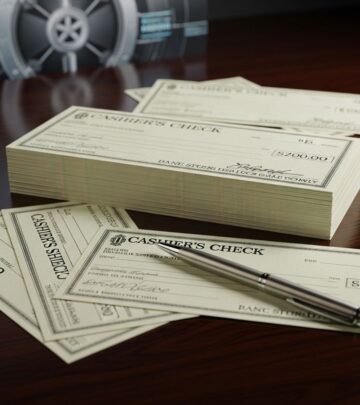
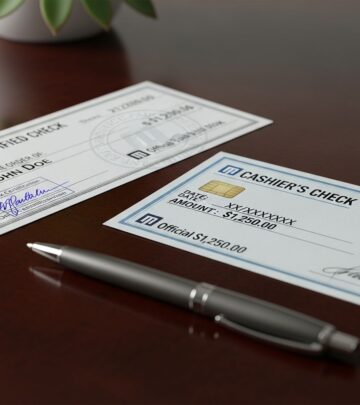
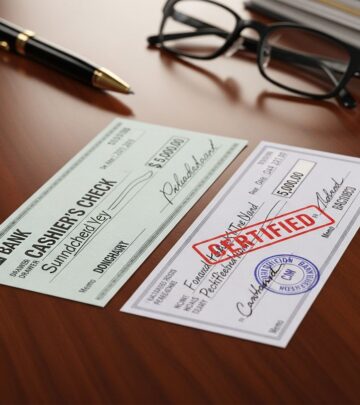
Bank drafts and cashier’s checks serve similar purposes and offer comparable security. Both are guaranteed by the issuing bank and cannot bounce. The primary difference lies in how they are issued: a cashier’s check is drawn on the bank’s account and issued directly, while a bank draft is drawn on behalf of the customer. In practice, they are functionally equivalent for most transactions.
Bank Draft vs. Wire Transfer
Wire transfers offer faster delivery of funds (often same-day) compared to bank drafts, which typically take 24 hours. However, wire transfers require the recipient’s banking information and have daily and per-transaction limits. Bank drafts are unlimited and don’t require sensitive banking details, making them safer for transactions with unfamiliar parties. Wire transfers are generally preferred for electronic transfers, while bank drafts work better when a paper document is required.
Bank Draft vs. Electronic Transfer (E-Transfer)
Electronic transfers are convenient for everyday payments but typically have lower limits. Bank drafts exceed these limits and are preferred for large transactions. E-transfers require the recipient’s email or banking information, while bank drafts only require the payee’s name. For high-value transactions, bank drafts provide superior security.
Safety and Security Considerations
While bank drafts are inherently secure payment instruments, taking precautions when handling them protects against loss or theft.
– Treat Like Cash: Once issued, bank drafts are essentially as valuable as cash and should be handled with similar care- Deliver Promptly: Minimize the time between obtaining the draft and delivering it to the payee- Use Secure Delivery: Consider sending drafts via registered mail or delivering in person- Keep Records: Maintain copies of the draft and proof of delivery for your records- Report Loss Immediately: If a draft is lost or stolen, notify your bank immediately- Verify Authenticity: Recipients should verify that drafts are legitimate before accepting them
Frequently Asked Questions
Q: What is the difference between a bank draft and a certified check?
A: A bank draft is issued by the bank using its own funds. A certified check is your personal check that your bank has certified as having sufficient funds. Bank drafts are generally more secure because they guarantee payment from the bank itself, while certified checks still depend on your account.
Q: How long does it take for a bank draft to clear?
A: Bank drafts typically clear within 24 hours, though some may clear within a few business days. They clear faster than personal checks because the funds have already been verified and reserved by the issuing bank.
Q: Can I cancel a bank draft after it’s been issued?
A: Canceling a bank draft is difficult and often impossible once it has been delivered to the payee. If you need to cancel before delivery, contact your bank immediately. After delivery, you would need the payee’s cooperation to return or endorse the draft back to you.
Q: Is there a maximum amount for a bank draft?
A: No, bank drafts can be issued for any amount. Unlike ATM withdrawals or electronic transfers that have daily or per-transaction limits, bank drafts are unlimited as long as your account has sufficient funds.
Q: Do bank drafts expire?
A: Most bank drafts issued in Canada and by most North American banks do not have an expiration date, though this can vary by institution. Check with your specific bank about their policy. Some international bank drafts may have expiration dates.
Q: What should I do if I receive a fraudulent bank draft?
A: Contact your bank immediately if you suspect a bank draft is fraudulent. Do not deposit it. Your bank can verify the authenticity and take appropriate steps. Depositing fraudulent drafts can result in financial liability.
Q: Can I use a bank draft internationally?
A: Yes, most bank drafts can be used internationally, though it may take longer for them to clear and may involve currency conversion. Ensure your draft specifies the currency and is drawn through an international banking network.
Q: How much does a bank draft cost?
A: Bank draft fees typically range from $5 to $15 per draft, though some banks offer them free to premium account holders or frequent users. Contact your specific bank for their current fee schedule.
Q: What do I need to obtain a bank draft?
A: You need a valid account with the bank, sufficient funds in your account to cover the draft amount, the name of the recipient (payee), and the specific amount needed. Your bank will verify this information before issuing the draft.
References
- What is a Bank Draft and How Does It Work? — Bill.com. 2025. https://www.bill.com/learning/bank-draft
- Bank Draft – Overview, How It Works, Advantages, & Disadvantages — Corporate Finance Institute. 2025. https://corporatefinanceinstitute.com/resources/wealth-management/bank-draft/
- Bank Drafts: Definition, Process & Benefits — TurboDoc. 2025. https://turbodoc.io/bank-drafts-explained-definition-process-and-benefits/
- What Is a Bank Draft? — SoFi. 2025. https://www.sofi.com/learn/content/what-is-bank-draft/
- Bank Draft – RBC Royal Bank — Royal Bank of Canada. 2025. https://www.rbcroyalbank.com/banking-services/bank-draft.html
- Bank Draft — Bank of Guyana. 2025. https://www.bankofguyana.org.gy/fil/literacy/education/educate-yourself/cashless-banking-services/29-educate-yourself/153-bank-draft
- How to Bank a Banker’s Draft: A Comprehensive Guide — Cambridge Currencies. 2025. https://cambridgecurrencies.com/how-to-bank-a-bankers-draft-a-comprehensive-guide/
Similar Articles








Read full bio of Sneha Tete