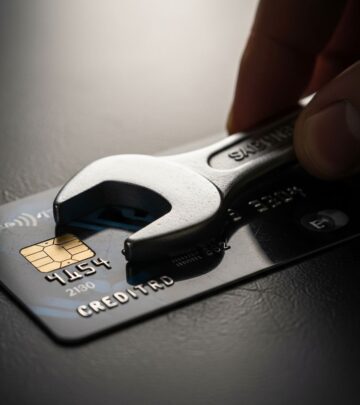
Bank Credit Cards: Smart Choice?
Discover if sticking with your bank's credit card pays off through easier approvals, tailored perks, and relationship perks—or if looking elsewhere offers better value.

Choosing a credit card from your current bank can simplify finances with streamlined approvals and integrated perks, but it may limit access to superior rewards or lower rates elsewhere. This article examines when it makes sense to stay loyal versus exploring options, drawing on key financial insights.
Why Your Bank Might Be the Right Place to Apply
Banks often favor existing customers, offering distinct advantages that can make applying for a credit card there a strategic move. Relationship banking builds trust, influencing lending decisions positively.
One primary benefit is elevated approval likelihood. Banks review your full financial history with them, including deposit accounts, loans, and payment patterns, providing a comprehensive view beyond just your credit score. This internal data can offset minor credit blemishes, boosting odds for those with average profiles.
- Pre-approval notices: Frequent bank customers receive targeted offers based on account activity, signaling high approval potential without hard inquiries.
- Streamlined applications: Pre-filled details from your bank profile speed up processing and reduce errors.
- Branch support: In-person assistance helps navigate applications, ideal for those preferring face-to-face guidance.
Existing relationships also unlock exclusive perks. Some banks provide bonus rewards or waived fees for loyal clients, enhancing overall value. For instance, linking cards to checking accounts might yield higher cash-back rates on everyday spending or priority customer service.
Exclusive Perks Tied to Your Banking Relationship
Banks leverage customer data to craft personalized card offers, aligning products with your habits. If you frequently use debit for groceries or gas, your bank might extend a card with amplified rewards in those categories.
Integration stands out: Automatic payments from your bank account ensure on-time bills, safeguarding your credit score. Many institutions offer fee waivers, like skipping annual charges or foreign transaction fees, exclusively for account holders.
| Perk Type | Bank Card Benefit | Potential Value |
|---|---|---|
| Rewards Boost | Higher rates on linked spending | 1-5% extra cash back |
| Fee Waivers | No annual or late fees | Saves $50-500/year |
| Rate Discounts | Lower APR for good customers | 2-4% reduction |
| Travel Insurance | Enhanced coverage | Up to $1M protection |
These tailored incentives can outweigh generic cards from non-banks, especially for consistent users. However, perks vary; compare specifics before committing.
Potential Drawbacks of Sticking with Your Bank
While convenient, bank-issued cards aren’t always optimal. Limited product ranges may mean missing innovative rewards or 0% intro APRs from competitors.
Higher costs pose risks. Banks sometimes charge steeper annual fees or interest rates on their cards compared to specialized issuers. Average credit card APR exceeds 20%, compounding quickly on carried balances, and bank cards rarely undercut this benchmark.
- Fewer choices: Banks offer fewer cards, potentially lacking niche rewards like travel miles or dining bonuses.
- Stricter criteria: Despite relationships, some banks apply conservative underwriting, rejecting borderline applicants.
- Overspending temptation: Easy access via app or ATM encourages impulse buys, leading to debt if not paid fully monthly.
Credit score impacts merit caution. New applications trigger hard inquiries, temporarily dinging scores by 5-10 points. Multiple bank apps amplify this, signaling risk to future lenders.
Approval Factors: What Banks Really Look At
Banks assess more than FICO scores. They prioritize internal metrics like average balances, transaction frequency, and overdraft history. Strong checking/savings activity signals reliability, often tipping approvals.
Prime candidates include those with six-month-plus relationships, direct deposits, and low overdrafts. Conversely, recent negative events like bounced checks can hinder even solid credit profiles.
Table of Key Influences:
| Factor | Positive Impact | Negative Impact |
|---|---|---|
| Account Age | >6 months | New accounts |
| Balance Stability | Consistent highs | Fluctuations |
| Payment History | 100% on-time | Any lates |
| Credit Utilization | <30% | >50% |
Understanding these helps predict success. Check pre-qualify tools on bank sites to gauge odds without inquiries.
When to Look Beyond Your Bank for Better Cards
If your bank lacks competitive offers, external issuers shine. Credit unions or online banks often provide lower rates and richer rewards, unburdened by branch overheads.
Seek these scenarios:
- High spenders chasing 2-5% cash back or miles.
- Balance carriers needing 0% APR periods (12-21 months).
- Excellent credit holders (700+ FICO) eligible for premium cards with lounge access or statement credits.
Non-bank cards excel in flexibility, like no foreign fees or purchase protections. However, without relationship data, approvals rely solely on credit reports, raising bars for some.
Navigating Fees and Interest in Bank Cards
Bank cards mirror industry norms: APRs around 20-25%, annual fees from $0-$550, plus late/foreign charges. Deferred interest traps lurk in promo financing—unpaid balances retroactively accrue interest.
Mitigate by:
- Paying full balances monthly to dodge interest.
- Choosing no-fee cards initially.
- Setting autopay for minimums, manually covering rest.
Variable rates tie to prime rate; Fed hikes (post-2022) pushed averages to 21.76%. Locked-in low rates are rare in banking.
Building Credit Responsibly with a Bank Card
Bank cards aid credit-building via reported on-time payments and utilization management. Start with secured options if scores lag, graduating to unsecured as history improves.
Best practices: Keep utilization under 30%, pay early/often, avoid new apps within 6 months. Positive activity can raise scores 50+ points yearly.
Real-World Comparison: Bank vs. Non-Bank Cards
Consider profiles:
- Bank loyalist: Gets 3% grocery cash back, waived $95 fee—net +$200/year.
- Travel enthusiast: Non-bank miles card yields 5x points, worth $500+ annually despite $150 fee.
Calculate personal ROI: (Rewards + Savings – Fees) vs. alternatives.
Frequently Asked Questions
Does banking history improve credit card approval odds?
Yes, banks use internal data alongside credit reports, often approving those with strong account activity despite average scores.
Are bank credit cards cheaper?
Not always; compare APRs and fees. Relationships may negotiate discounts, but market leaders often undercut.
Can I get a bank card with fair credit?
Possible if your banking record shines, though external issuers may offer starter cards with guarantees.
What if I close my bank account after getting the card?
Perks might vanish, and it could trigger reviews or score hits from relationship changes.
How many bank cards should I have?
1-2 suffice; more risks utilization spikes and inquiries harming scores.
Steps to Decide on Your Next Credit Card
1. Review bank offers via app/mail.
2. Compare rates/rewards on aggregators.
3. Check pre-approvals.
4. Calculate 1-year costs/benefits.
5. Apply strategically, spacing inquiries.
Ultimately, prioritize alignment with spending and discipline. Bank cards suit simplicity seekers; adventurers thrive elsewhere.
References
- Pros and Cons of Using a Credit Card — Chase Bank. 2023. https://www.chase.com/personal/credit-cards/education/basics/pros-and-cons-of-using-a-credit-card
- Credit Card Pros And Cons — Bankrate. 2024-03-15. https://www.bankrate.com/credit-cards/advice/benefits-of-a-credit-card/
- Pros and Cons of Credit Cards — Experian. 2024. https://www.experian.com/blogs/ask-experian/pros-cons-credit-cards/
- The advantages and disadvantages of credit cards — Midwest One Bank. 2023-06-10. https://www.midwestone.bank/blog/post/the-advantages-and-disadvantages-of-credit-cards
- The pros and cons of credit cards — LendingClub. 2024-01-22. https://www.lendingclub.com/resource-center/personal-finance/pros-and-cons-of-credit-cards
Similar Articles








Read full bio of medha deb