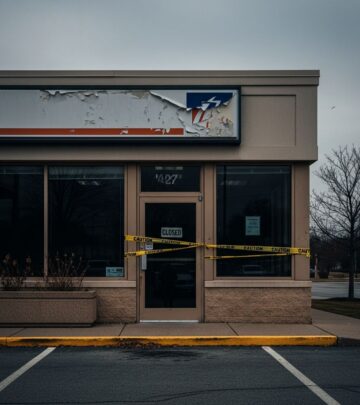
Bank Branch Closures: Your Next Steps
Navigate bank branch closures with confidence: discover alternatives, protect your finances, and adapt to digital banking trends reshaping access to services.
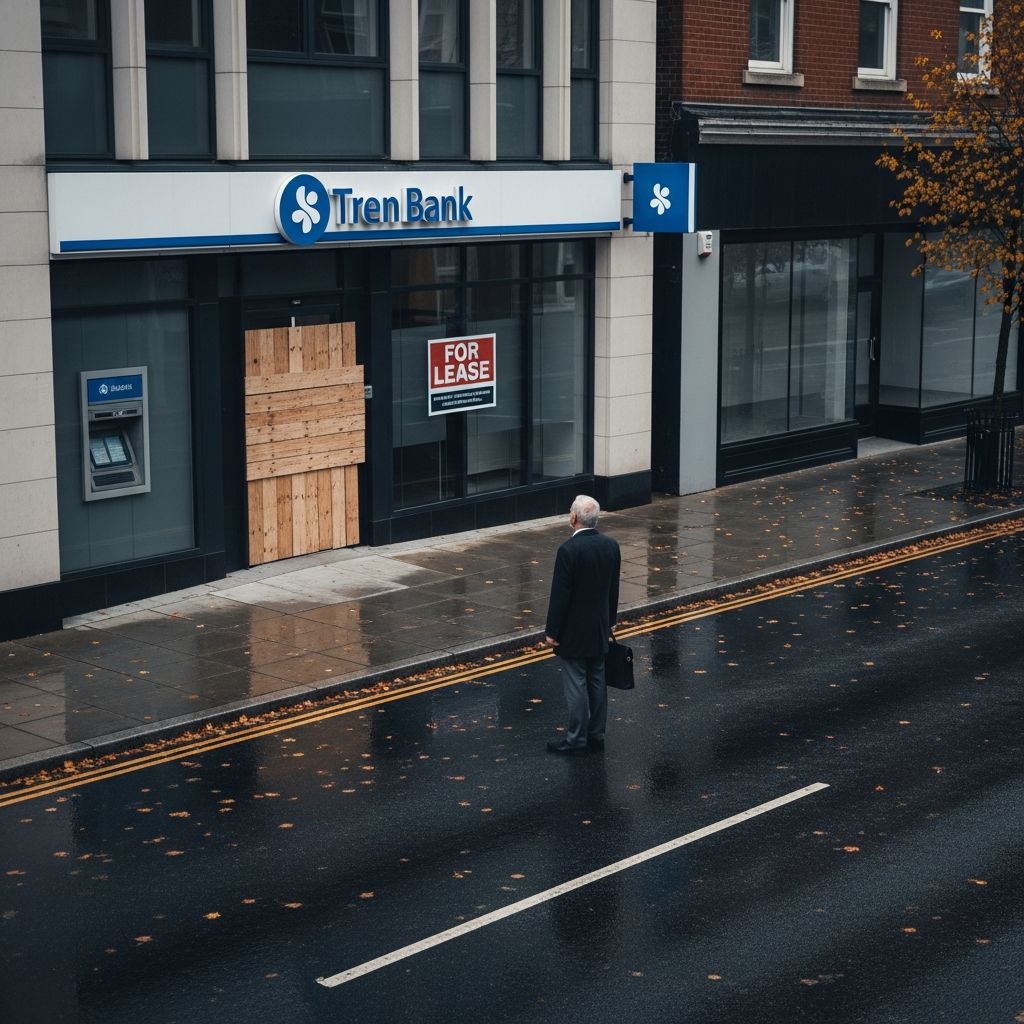
Bank branch closures have accelerated across the United States, driven by the rise of digital banking and cost-cutting measures. In the first quarter of 2025 alone, nearly 200 branches shuttered, contributing to a broader trend where consumers increasingly favor online transactions over in-person visits. This shift creates challenges for those reliant on physical locations, but proactive steps can ensure uninterrupted financial services.
The Growing Wave of Branch Shutdowns
The decline in physical bank branches reflects changing consumer habits. Since 2009, about 11% of U.S. bank branches have closed, with the pace quickening during the COVID-19 pandemic as digital adoption surged. Banks like JP Morgan Chase and others closed over 3,000 locations in 2022 while opening only around 1,000, leaving more neighborhoods without nearby services. By 2025, net closures slowed to 584 between 2024 and 2025, yet coastal cities like Washington, DC (leading with steep declines), Detroit, and San Francisco saw the heaviest losses due to high real estate costs and strong online banking use.
Rural areas face unique hardships, with the number of U.S. counties lacking any bank branch rising from 700 in 2012 to over 1,200 today. These “banking deserts” particularly affect elderly residents, low-income households, minorities, and those with disabilities who prefer or need face-to-face interactions for complex tasks like account openings or check handling.
How Closures Disrupt Daily Banking
When a local branch closes, customers must travel farther for essential services. In urban areas, the median distance to the next branch post-closure is just 0.18 miles, but rural distances stretch to 0.64 miles on average. While most impacts are modest, 5% of rural closures leave customers over 15 miles away, forcing long drives that inconvenience small businesses and individuals without reliable transport.
Businesses, especially retailers and convenience stores, bear significant burdens. Employees lose productive time on longer trips for deposits or change orders, diverting hours from revenue-generating activities. Security risks rise with incidents like “jugging,” where criminals target cash-carrying bank visitors, increasing dangers for staff. Multi-location operations may need accounts at multiple banks, complicating reporting and hiking fees as institutions raise costs for services like coin exchanges to deter foot traffic.
| Impact Area | Urban Effect | Rural Effect |
|---|---|---|
| Travel Distance | Minimal (0.18 mi median) | Significant (0.64 mi median; up to 15+ mi) |
| Business Operations | Multiple provider complexity | Banking deserts prevalent |
| Vulnerable Groups | Elderly, low-income access issues | Mobility-limited isolation |
What Happens to Your Accounts and Services
Existing accounts typically remain unaffected in terms of loans, credit cards, or terms, though servicing instructions—like deposit locations—may change. Safe deposit boxes, notarizations, and cash-heavy transactions shift to remaining branches or alternatives. Small business lending can drop 22% with even an 8% decline in branch density, highlighting branches’ role in relationship-based credit.
Customers lose opportunities for in-person advice, cross-selling, and instant issue resolution, which build trust. Pure digital banks often lack teller services like instant check or card printing, isolating those uncomfortable with apps.
Essential Actions Before and After Closure
Prepare by monitoring announcements from your bank, often posted in-branch or online weeks in advance. Gather key documents: account statements, loan details, and debit card info. Visit early to handle cash withdrawals, coin exchanges, or safe deposit access.
- Review digital readiness: Download your bank’s app, enable online banking, and test transfers or bill pay.
- Secure alternatives: Locate the nearest remaining branch or ATM via bank locators.
- Contact support: Call customer service for personalized transition guidance.
Post-closure, update direct deposits, automatic payments, and checkbooks with new routing details if switching banks. Monitor for fees on distant services.
Finding Reliable Banking Alternatives
Explore nearby branches from competitors using tools like bank websites or apps. Credit unions often maintain stronger local presence with lower fees and community focus.
- Online-only banks: Offer high-yield savings and no-fee checking, ideal for tech-savvy users.
- Hybrid models: Banks blending apps with select branches for essential services.
- ATM networks: Use surcharge-free options like Allpoint or MoneyPass for cash access.
For businesses, armored cash services or smart safes reduce branch dependency, cutting travel risks and time.
Embracing Digital Banking Tools
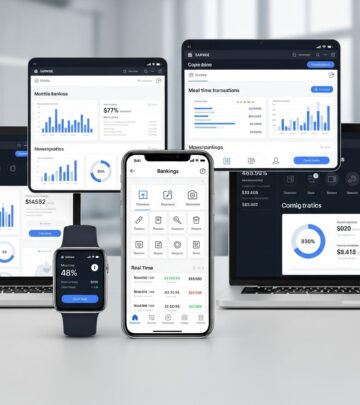
Banks counter closures by enhancing apps for user-friendly, accessible platforms mimicking in-person service. Features include video calls with advisors, secure document uploads, and AI chat for quick queries. Mobile check deposits, Zelle transfers, and virtual card issuance replicate teller functions.
Over 87% of pandemic-era closures hit metro areas, but digital tools bridge gaps everywhere. Ensure devices meet security standards with two-factor authentication and biometric logins.
Protecting Vulnerable Access in Banking Deserts
Low-income and minority communities suffer most, with branches vital for counseling and cash services. Postal service banking pilots or community financial hubs emerge as solutions. Advocacy groups push for regulatory oversight to prevent service gaps.
Elderly users benefit from family-assisted app setups or simplified interfaces designed for accessibility.
Business Strategies Amid Fewer Branches
Retailers adapt by diversifying providers, despite added fees and complexity. Invest in cash management tech like remote deposit capture or bulk coin counters. Track crime trends and train staff on safe cash handling.
In banking deserts (1,610 by 2021, up 48 since 2019), consolidate cash logistics regionally.
Future Outlook: Balancing Digital and Physical
Closures slow as demographics shift, but digital dominance persists. Banks weigh PR risks of rapid shutdowns against savings, urging thoughtful strategies. Enhanced digital personalization and pop-up branches may evolve access.
Frequently Asked Questions
Does a branch closure affect my loan terms?
No, core terms stay intact, but confirm payment instructions.
How do I find the nearest branch?
Use your bank’s website locator or apps like Google Maps filtered for banks.
Are online banks safe for all transactions?
Yes, FDIC-insured options match traditional security for deposits up to $250,000.
What if I rely on cash services?
Seek ATMs, retail cash-back, or business cash-handling firms.
Can I fight a local closure?
Petition community boards or regulators, though success varies.
References
- Bank Branch Closures: How It Effects Your Customers — TROY Group. 2025. https://www.troygroup.com/products/teller-central/bank-branch-closures
- How Branch Closures Affect Access to Banking Services — Federal Reserve Bank of St. Louis. 2021-01-01. https://www.stlouisfed.org/publications/regional-economist/first-quarter-2021/how-branch-closures-affect-access-banking-services
- 3 Ways Bank Closures Impact Your Convenience Store and Customers — CDA News. 2023. https://news.cdlatm.com/news-and-updates/3-ways-bank-closures-impact-your-convenience-store-and-customers
- What Bank Branch Closures Mean for Your Business — Loomis U.S. 2021. https://www.loomis.us/resources/insights/what-bank-branch-closures-mean-for-your-business
- Bank Branch Closures Slow, But Shifting Demographics Cloud the Picture — NCRC. 2025. https://ncrc.org/bank-branch-closures-slow-but-shifting-demographics-cloud-the-picture/
- What Happens When a Bank Branch Closes — MoneyRates. N/A. https://www.moneyrates.com/banks/what-happens-when-a-bank-branch-closes.htm
- 5 Reasons to Think Twice Before Closing Branches — The Financial Brand. N/A. https://thefinancialbrand.com/news/banking-branch-transformation/branch-closing-strategy-92553
Similar Articles








Read full bio of medha deb