Bank Account Hacked? How to Respond and Recover
Learn how to spot a hacked bank account, stop losses quickly, and use your legal protections to recover missing money.
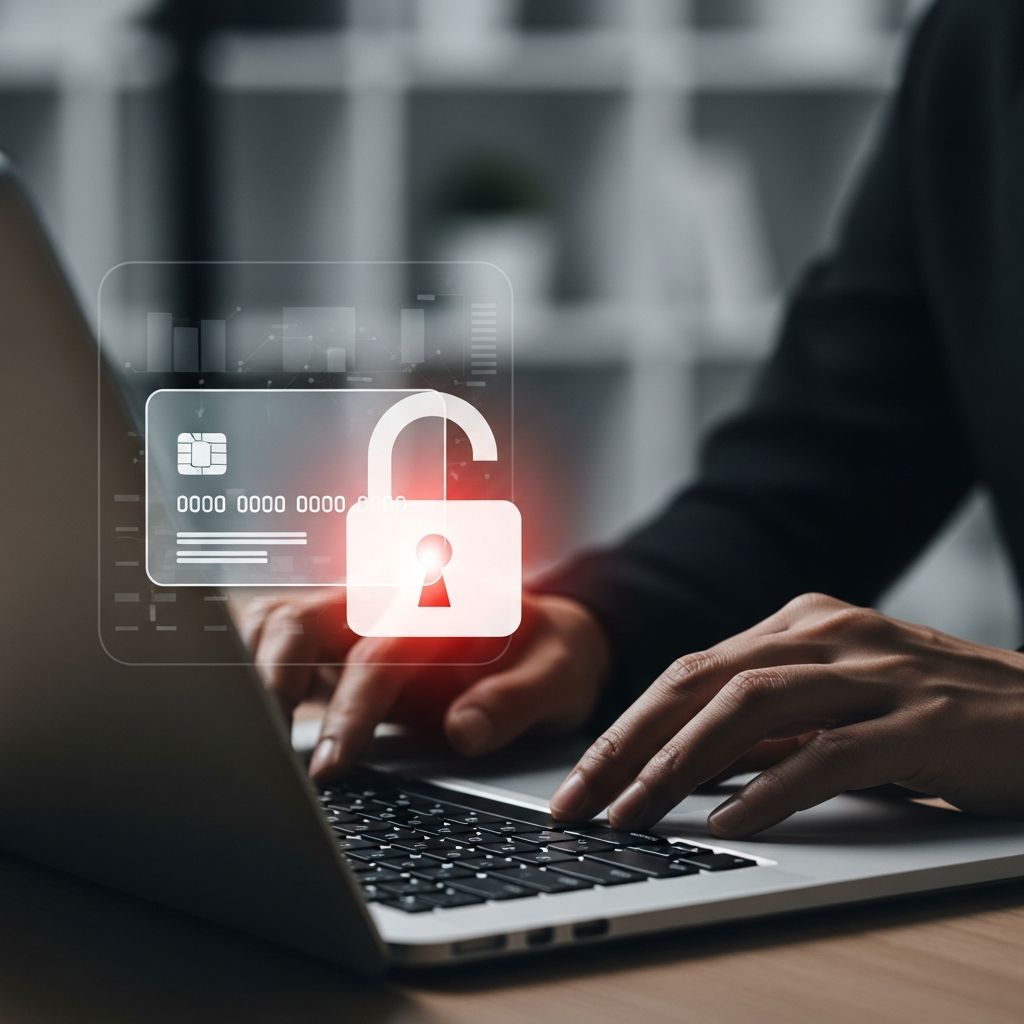
Seeing unfamiliar withdrawals or missing money in your bank account is alarming, but acting quickly and methodically can limit losses and improve your chances of getting your funds back. This guide explains how to recognize a potential bank account hack, the steps to take right away, how consumer protection laws work, and what you can do to prevent future fraud.
Signs Your Bank Account May Be Hacked
Not every odd entry on your statement means a full account takeover, but certain warning signs strongly suggest that someone else may have access to your account.
- Unrecognized withdrawals, transfers, or debit card purchases.
- Small “test” transactions that you do not remember authorizing.
- New payees or linked external accounts that you did not set up.
- Changes to your contact details (email, phone, address) you did not request.
- Alerts or messages from your bank about login attempts or one-time passcodes you did not initiate.
- Inability to log in to online or mobile banking with your usual credentials.
If you notice any of these issues, assume your account could be compromised and move to the response steps below.
First Steps: What to Do Immediately
Time is critical when dealing with unauthorized transactions. Acting within days, not weeks, can limit your liability and help your bank recover funds.
1. Contact Your Bank or Credit Union Right Away
Call the official number on the back of your debit card, on your statement, or on the bank’s website. Avoid using phone numbers from emails or texts that could be fake.
- Report every unauthorized transaction you see.
- Ask the bank to block your card, freeze the account if necessary, and stop further electronic transfers.
- Request written confirmation that you reported the issue and that an investigation is underway.
Under U.S. law, once you notify your bank about an unauthorized electronic transfer, it generally has 10 business days to investigate and must correct confirmed errors promptly.
2. Review and Document All Account Activity
While you are on the phone with your bank or immediately afterward, carefully review your recent financial activity.
- Download or print recent statements and highlight all suspicious transactions.
- Check for newly added payees, recurring payments, or linked accounts you do not recognize.
- Make a written list (date, amount, merchant, and description) of every unauthorized charge or transfer.
- Note the dates and times you contacted the bank and the names of any representatives you spoke with.
Detailed documentation can help during the bank’s investigation and if you later need to file complaints or a police report.
3. Change Passwords and Secure Your Devices
If criminals accessed your bank once, they may try again. Strengthening your digital security reduces that risk.
- Change your online and mobile banking password immediately, using a unique, strong passphrase.
- Update passwords for any other accounts where you used the same or similar credentials.
- Enable multi-factor authentication (MFA) for banking and other financial accounts when available.
- Run updated antivirus and anti-malware scans on computers and smartphones you use for banking.
Consider using a reputable password manager to generate and store strong, unique passwords for every account.
Understanding Your Legal Protections
For most personal bank accounts in the United States, unauthorized electronic transfers are covered by the Electronic Fund Transfer Act (EFTA) and its implementing regulation, Regulation E. These rules limit how much you can lose from unauthorized debit card and electronic transfers, but only if you report problems promptly.
How Timing Affects Your Liability
| When You Report the Issue | Maximum Potential Liability for Unauthorized Transfers* |
|---|---|
| Within 2 business days after learning your card, PIN, or online credentials were lost or stolen | Up to the lesser of $50 or the total unauthorized amount. |
| After 2 business days but within 60 days of the statement being sent that shows the unauthorized transaction | Up to $500 total for all unauthorized transfers. |
| More than 60 days after the statement showing the unauthorized transfer is sent | Potentially unlimited liability for transfers that occur after that 60-day period, if not reported. |
*These limits apply to many, but not all, consumer electronic transfers. Specific results depend on your situation and bank policies.
Investigation and Provisional Credit
Once notified of an unauthorized electronic transfer, a bank typically has:
- Up to 10 business days to investigate most disputes (20 days in certain cases, such as new accounts).
- One business day after determining that an error occurred to correct it.
- Three business days to report the investigation results to you.
If the investigation cannot be completed in time, the bank generally must issue a provisional credit (temporary refund) for the disputed amount, minus up to $50, while it continues the investigation.
Missing Money vs. Other Banking Errors
Missing money does not always mean hackers are involved. It is important to separate true fraud from misunderstandings or ordinary errors.
- Legitimate but forgotten transactions: subscriptions, recurring payments, or card-on-file purchases you authorized months ago.
- Merchant mistakes: being charged twice or for the wrong amount.
- Bank processing errors: deposits not posted, transfers misapplied, or fees charged incorrectly.
Regardless of the cause, report suspected errors promptly. Banks must investigate and fix verified errors under federal rules.
What to Do If Your Account Is Truly Hacked
If it becomes clear that someone else has accessed your bank account, additional steps help contain the damage.
1. Ask the Bank to Freeze or Close the Account
Your bank may recommend freezing activity or closing the account altogether.
- Confirm whether your debit card and checks will be canceled.
- Request a new account number, new debit card, and new online login credentials.
- Move legitimate automatic payments and direct deposits to the new account as soon as it is opened.
2. File a Police Report if Significant Fraud Occurred
Local law enforcement may not always be able to identify the perpetrator, but a police report can still be useful.
- Provide copies of statements, your written list of unauthorized transactions, and bank correspondence.
- Keep a copy of the report number for your records and for any follow-up with the bank or regulators.
3. Monitor and Protect Your Credit
Account hacking is sometimes linked to broader identity theft, where a criminal tries to open new credit lines in your name.
- Request free credit reports from the major credit bureaus and check for unfamiliar accounts or inquiries.
- Place a fraud alert on your credit file or consider a credit freeze, which blocks new credit from being opened until you lift it.
- Continue to monitor your accounts and statements closely over the next several months.
How Likely Is It You Will Get Your Money Back?
If your account was hacked and you reported the issue quickly, banks often refund unauthorized transfers, especially for debit card and electronic transactions covered by federal law. However, there is no blanket guarantee.
- Banks will review whether a transaction was truly unauthorized and whether you promptly notified them.
- Waiting more than 60 days after the statement is sent can severely reduce your protection and may result in permanent loss of some funds.
- In some cases, particularly if the bank believes you were grossly negligent, you may need to pursue legal advice or file complaints with regulators.
Documenting your actions and cooperating fully with the bank’s investigation will generally improve your chances of a favorable outcome.
Where to Escalate Complaints
If you believe your bank is not handling your case properly or is not following the law, you can escalate.
- Consumer Financial Protection Bureau (CFPB): Accepts complaints about banks and credit unions and forwards them for response.
- Federal Trade Commission (FTC): Collects reports of scams and identity theft and provides recovery guidance.
- Other regulators: Depending on your institution, you may also contact the Federal Reserve, FDIC, or Office of the Comptroller of the Currency.[10]
Filing a complaint does not guarantee a refund, but it can pressure institutions to follow their obligations and may help resolve disputes.
How to Reduce the Risk of Future Bank Account Hacks
No security measure is perfect, but combining good digital habits with active monitoring makes your accounts much harder to compromise.
- Use strong, unique passwords for bank and financial accounts, and change them periodically.
- Enable multi-factor authentication (e.g., app-generated codes or biometrics) whenever available.
- Keep devices secure: install updates, use reputable security software, and avoid banking over unsecured public Wi-Fi networks.
- Turn on account alerts for transactions, logins, and profile changes to detect unusual activity quickly.
- Guard personal information: do not share one-time passcodes, online banking credentials, or full card details in response to unsolicited calls, texts, or emails.
- Review statements regularly so you can report suspicious activity within the time limits that protect you.
Frequently Asked Questions (FAQs)
Q: I see a small charge I do not recognize. Is my account hacked?
Not necessarily. It could be a forgotten subscription or a merchant using a different billing name. Look up the merchant, check your records, and if you still cannot identify the transaction, report it to your bank as potentially unauthorized. Even small test charges can signal fraud, so do not ignore them.
Q: What if someone used my debit card number but I still have the card?
If you see unauthorized withdrawals or purchases and you have not lost your card, you are still protected. Notify your bank as soon as possible, and no later than 60 days after the statement showing the unauthorized transfer is sent. The bank must investigate and correct confirmed errors, and may issue a provisional credit while it investigates.
Q: Should I close my account after a hack?
In many cases, banks will recommend closing the compromised account and opening a new one with a different number, especially if login credentials, card details, or checks were exposed. This helps prevent additional unauthorized transfers. Work with your bank to transfer legitimate payments and deposits to the new account.
Q: Can my bank refuse to refund stolen money?
Banks can refuse refunds if they determine the transactions were authorized or if you did not report unauthorized transfers within the time frames required by law and your account agreement. If you disagree with the decision, request the findings in writing, consider filing complaints with the CFPB or other regulators, and, if needed, seek legal advice.
Q: Will freezing my credit stop my existing bank account from being hacked?
No. A credit freeze prevents new credit accounts from being opened in your name but does not directly protect existing bank or credit card accounts. You still need strong passwords, MFA, secure devices, and regular monitoring of your banking activity.
References
- Hacked online bank account recovery guide — The Cyber Helpline. 2024-05-01. https://www.thecyberhelpline.com/guides/hacked-online-bank-account
- What To Do If Your Bank Account Is Hacked — Keeper Security. 2024-08-21. https://www.keepersecurity.com/blog/2024/08/21/what-to-do-if-your-bank-account-is-hacked/
- How do I get my money back after I discover an unauthorized transaction or money missing from my bank account? — Consumer Financial Protection Bureau. 2023-06-15. https://www.consumerfinance.gov/ask-cfpb/how-do-i-get-my-money-back-after-i-discover-an-unauthorized-transaction-or-money-missing-from-my-bank-account-en-1017/
- Digital theft: Hacking your bank account — BlackCloak. 2023-11-10. https://blackcloak.io/hacking-your-bank-account/
- 7 Things to Do if Your Bank Account Is Hacked — BankFive. 2023-12-01. https://www.bankfive.com/blogs/december-2023/7-things-to-do-if-your-bank-account-is-hacked
- Do banks refund scammed money? How to get your money back — Norton LifeLock. 2024-02-20. https://lifelock.norton.com/learn/fraud/do-banks-refund-scammed-money
- Bank, credit, and securities complaints — USAGov. 2024-01-05. https://www.usa.gov/bank-credit-complaints
Similar Articles








Read full bio of medha deb